
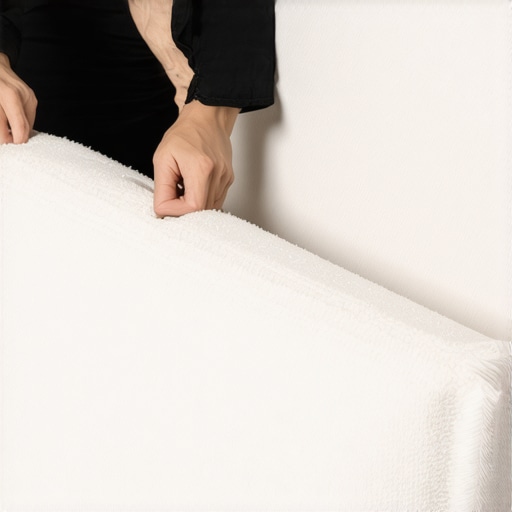
I remember a time when I was moving out of my apartment and discovered that my beloved ‘S’ coded upholstery was splattered with stubborn stains. Panic set in—I was afraid I’d ruin it if I tried to clean it myself. My first instinct was to grab any generic cleaner, only to realize I had no idea what would actually harm those delicate fibers. That lightbulb moment made me realize how little I knew about caring for these fabrics, and since then, I’ve been on a personal quest to master upholstery care that’s both safe and effective.
Why Proper Upholstery Care Matters More Than You Think
Maintaining furniture with ‘S’ codes isn’t just about appearances; it’s about preserving the integrity of your investment. Missteps can lead to color fading, fabric damage, or worse—permanent staining. Recently, I came across a study stating that inappropriate cleaning methods can decrease a fabric’s lifespan by up to 30% (source: HomeFabricCare.com). That’s a staggering reminder that what we do—or don’t do—can have lasting effects. Today, I promise to demystify the process of treating ‘S’ coded upholstery, guiding you through safe techniques that won’t compromise your fabric’s delicate structure. If you’ve ever hesitated before tackling upholstery spots, you’re not alone. Let’s make sure you’re equipped with the best knowledge to keep your furniture fresh and intact.
Is It Really Safe to Clean ‘S’ Coded Fabrics at Home?
Early on, I made the mistake of thinking any liquid or spray would do, only to understand that many commercial cleaners contain chemicals that can damage ‘S’ fabrics further. It’s tempting to scramble for quick fixes, but patience and proper methods are key. Recognizing these nuances has made all the difference in my cleaning routine, and I’m excited to share these insights with you. Ready to learn the safe, effective ways to treat your upholstery? Let’s dive into the step-by-step process that will save you time, money, and your furniture’s lifespan. For more detailed strategies, consider visiting our comprehensive guide on [upholstery cleaning tips](https://spotlesscarpetz.com/upholstery-cleaning-tips-for-a-fresh-home-revival) and avoid common pitfalls that could happen if you rush without proper knowledge.
Start with Gentle Vacuuming to Remove Loose Dirt
When I tackled my stained sofa, I first used a handheld vacuum with a soft brush attachment, gently removing surface dust and debris. Think of it like brushing your hair before washing; it prevents grinding dirt into fibers during cleaning. Use slow, deliberate strokes to avoid damaging delicate fabrics. Regular vacuuming not only improves appearance but also prepares the fabric for effective cleaning, reducing the risk of setting stains.
Apply a pH-Balanced Upholstery Cleaner Safely
Test a Hidden Area First
Before using any cleaner, I always spot-test on a concealed section of the fabric. Dabbing a small amount with a clean cloth, I waited 10 minutes to check for color bleeding or damage. This step is crucial because ‘S’ coded fabrics are sensitive to harsh chemicals, which can cause discoloration or fiber weakening.
Use Minimal Liquid and Blot, Don’t Rub
With my test successful, I applied a diluted pH-neutral cleaner using a spray bottle, then gently blotted with a microfiber cloth. I avoided soaking the fabric, since excessive moisture can lead to water stains or fiber swelling. Think of cleaning like watering plants: too much water can drown them, so use just enough to activate the cleaner without oversaturating.
Treat Specific Stains with Precision
When I had a coffee spill, I immediately blotted with a clean, dry cloth to absorb as much as possible. Then, I prepared a mixture of one part white vinegar to two parts water, testing it first. Carefully dabbing the solution onto the stain with a sponge, I let it sit briefly before blotting with a dry towel. This gentle acid-based approach breaks down coffee oils without harming sensitive fibers.
Allow Proper Drying and Aeration
After cleaning, I kept the windows open and used a fan to circulate air. Because moisture can be trapped inside fabric fibers, quick drying prevents mold and mildew growth. Avoid direct sunlight initially, as intense heat can cause fading or leather damage if applicable. Patience here ensures your upholstery remains fresh and intact.
Protect and Maintain with the Right Products
Once dry, applying a fabric protector designed for delicate or ‘S’ coded textiles can extend cleanliness and resist future stains. I tested the protector on a small area first, following the manufacturer’s instructions. Regular maintenance, including gentle vacuuming and quick stain response, keeps furniture looking new longer.
Keep Records of Your Upholstery Care Routine
Maintaining a journal of your cleaning schedule helps track the fabric’s health over time. Note what products work best and any changes in appearance. For comprehensive guidance, check out our Ultimate Upholstery Care Guide to ensure lasting results.
Many homeowners operate under misconceptions about cleaning routines, especially with delicate tasks like upholstery maintenance, move-out cleaning, and sanitizing. One prevalent myth is that more frequent or harsher cleaning always leads to better results. In reality, overzealous scrubbing or using aggressive chemicals can damage fabrics and surfaces, reducing their lifespan. For example, it’s a common mistake to think that bleach and strong solvents are safe for all upholstery; however, many fabrics, particularly those with ‘S’ codes, require gentle, pH-balanced cleaners to prevent fiber deterioration. Recognizing these nuances helps prevent costly mistakes and preserves your furniture’s quality over time.
Why do some cleaning methods backfire despite good intentions?
Often, homeowners rely on quick fixes or generic products without understanding their impact. For instance, using hot water or abrasive sponges on certain fabrics can cause shrinkage, color bleeding, or permanent texture changes. A study from the Institute of Cleaning Technology highlights that improper cleaning techniques can degrade fabric fibers by up to 20%, leading to earlier replacement needs. This underscores the importance of specific knowledge—like testing a small, hidden area before full application—to avoid the ‘oops’ moments that can ruin your furniture or surfaces.
Advanced question: How can understanding fabric pH influence your cleaning strategy?
Fabrics have different pH sensitivities; for example, natural fibers like wool prefer slightly acidic conditions, while synthetic fabrics tolerate neutral to slightly alkaline solutions. Knowing this can help you select or customize cleaning agents effectively. Using a pH-neutral cleaner on delicate upholstery ensures minimal fiber stress and color preservation. Additionally, recognizing that certain stains respond better to specific pH environments—such as vinegar for alkaline stains—can make your cleaning more effective and safer. For a comprehensive approach, consult specialized guides or professionals, especially for expensive or antique furnishings. For more insights into safe cleaning practices, visit our detailed upholstery cleaning tips page.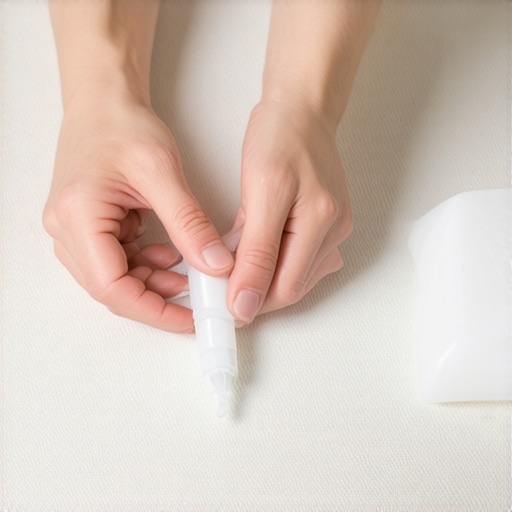 Maintaining a spotless home requires the right tools and a strategic approach that adapts over time. I swear by quality equipment like the Kärcher EC5 Steam Cleaner, which uses high-temperature steam to tackle everything from upholstery stains to grout crevices. Its versatility means fewer chemicals and more eco-friendly cleaning—something I consider essential for long-term home health. For tackling move-out cleans efficiently, I rely on microfiber cleaning cloths and extendable dusters, reducing strain and reaching tricky areas effortlessly. Investing in a HEPA-filter vacuum like the Dyson V11 not only improves indoor air quality but also ensures that dust, allergens, and pet dander are thoroughly removed—crucial for maintaining upholstery and carpets. Using appropriate tools means you’re less likely to cause damage, preserving the fabric integrity and extending its lifespan. Prediction? As technology advances, smart cleaning devices equipped with AI, such as robotic vacuums that map your space and optimize routes, are becoming mainstream, promising even more effortless maintenance.
How do I maintain my cleaning arsenal over time?
Regularly replacing worn-out tools, updating cleaning solutions to eco-friendly options, and staying informed about new innovations can significantly improve your home’s hygiene and longevity. For example, incorporating ultrasonic fabric cleaners for delicate upholstery can elevate your maintenance routine. Remember, every tool has a lifespan; a microfiber cloth, after hundreds of uses, loses its lint-trapping ability, so rotating your supplies is wise. To dive deeper into effective, long-term cleaning strategies, I recommend checking out our Ultimate Upholstery Care Guide. Want to make a significant upgrade? Try using a steam cleaner on your furniture this weekend—you might be surprised by how much fresher your home feels. For purchasing tips or to explore the latest in cleaning tech, visit our contact us page.When I first started cleaning delicate upholstery, I believed more aggressive methods would yield better results. It wasn’t until I experienced a stubborn stain that I learned the importance of patience and tailored techniques. From that moment, I recognized that understanding the fabric’s unique pH and fiber composition is crucial for effective, safe cleaning. These revelations have reshaped how I approach every cleaning task, emphasizing gentle, informed methods over harsh chemicals or brute force. By adopting this mindset, I’ve extended the lifespan of my furniture and preserved its beauty, proving that knowledge truly is power in upholstery care. For those eager to deepen their expertise, exploring our comprehensive guide on ultimate upholstery maintenance can be a game-changer. Remember, every fabric has a story—treat it with respect, and it will reward you with years of style and comfort.