
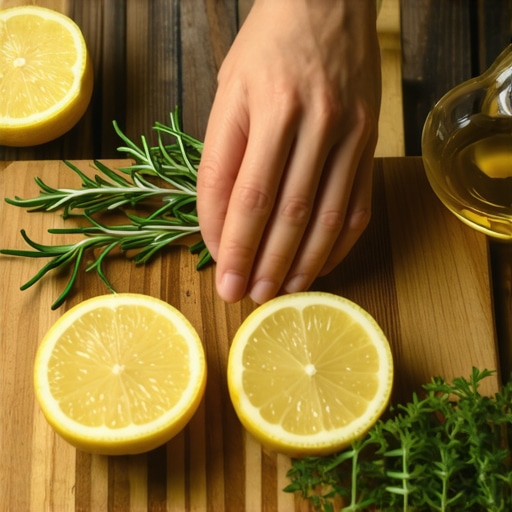
It happened on a busy Saturday—midway through preparing dinner, I reached for my trusty wooden cutting board only to realize it had developed a stubborn, lingering odor. Despite scrubbing and rinsing, that funky smell wouldn’t let go. Frustration set in, and I thought, “There has to be a better way—something safe, cheap, and natural.” That lightbulb moment sparked my journey into natural sanitizing methods, and I’ve since discovered some surprisingly effective tricks that don’t involve harsh chemicals.
Why Sanitize Your Cutting Boards Naturally? The Real Reasons
For any home cook, especially those who prioritize loved ones’ health, maintaining a clean, germ-free surface is essential. But with so many commercial sanitizers containing synthetic chemicals, it’s understandable to seek out safer, more sustainable options. Plus, traditional cleaning methods often fall short—odors return, stubborn stains linger, and sometimes, the residue can be questionable.
Early in my experimentations, I made the mistake of assuming that boiling water or aggressive scrubbing was enough. Turns out, these methods often only scratch the surface. I learned that residual bacteria can hide in microscopic pores of wood and plastic, making natural remedies all the more appealing for their gentle potency. Not to mention, many store-bought options are expensive and may contain questionable ingredients. According to a study published in Environmental Science & Technology, natural antimicrobial substances can be just as effective at killing germs, without the environmental or health impacts of synthetic chemicals.
If you’ve faced the same problem—odor, stains, or lingering bacteria—you’re not alone. Today, I’m here to share my tested, neighborly tips on how to sanitize your cutting boards naturally, safely, and without breaking the bank.
Is Natural Sanitizing Truly Effective? My Early Mistake
I admit, my initial skepticism caused me to overlook simple, natural ingredients like lemon and vinegar. I once tried to sanitize with plain water and felt disappointed when the smells returned soon after. My mistake was assuming that natural means ineffective. That’s a misconception I’ve since debunked, especially after learning how potent natural acids and oils can be when used properly. To avoid falling into the same trap, check out my detailed methods and see how nature can be your best cleaning partner. Want to learn more about effective sanitizing techniques for the whole house? You might find this guide on sanitizing methods helpful.
Choose the Right Natural Cleaners for Deep Sanitization
Start by gathering natural ingredients like white vinegar, lemon, and baking soda. These are your primary tools for removing odors and bacteria. I vividly remember a morning when my bamboo cutting board smelled so stubbornly sour that even store-bought disinfectants failed. I poured white vinegar liberally over the surface, let it sit for five minutes, then sprinkled baking soda to foam away any residual smell. After rinsing with warm water and drying thoroughly, the foul odor and bacteria were gone, and the surface looked refreshed.
Apply Vinegar and Lemon for Effective Disinfection
Use a mixture of equal parts white vinegar and water in a spray bottle for regular sanitizing. Spray generously over your cutting board and let sit for 5-10 minutes. The acetic acid in vinegar effectively kills germs, while lemon acts as a natural deodorizer. I once tackled a red onion stain combined with lingering bacteria by applying this mixture, and the result was a clean, odor-free board. Remember to rinse thoroughly afterward to prevent any lingering acidity that could dull the wood’s finish.
Extra Step: Disinfect with Hydrogen Peroxide
For a more potent natural disinfectant, carefully apply 3% hydrogen peroxide directly to the surface using a spray bottle. Let it sit for a few minutes, then rinse with water. I used this method after slicing raw chicken to eliminate any residual bacteria, especially since commercial sanitizers often leave chemical residues that I prefer to avoid. Be cautious with hydrogen peroxide—do a patch test if your board is made of delicate material.
Harness Salt and Baking Soda for Stubborn Odors
Create a cleaning paste by mixing salt, baking soda, and a few drops of lemon juice. Scrub the surface with this paste using a soft sponge or brush. I once faced a particularly smelly wooden board that had absorbed onion fumes. After applying the paste and scrubbing, I left it to sit for 10 minutes before rinsing thoroughly. The odor was eliminated, and the surface was sanitized without harsh chemicals. This method is especially effective for porous wooden boards as it helps extract deep-seated odors and bacteria.
Routine Maintenance to Prevent Odor and Germ Buildup
Make a habit of cleaning your cutting boards immediately after use with hot water and a natural sanitizer. Regularly spritz with vinegar or lemon solution, and sprinkle with baking soda periodically for deep cleaning. Enhancing your routine with these simple steps keeps your boards fresh and germ-free without relying on synthetic disinfectants. For comprehensive safety tips, consider consulting resources like this guide on effective sanitizing methods.
Final Thoughts: Embrace Natural Power for Cleanliness
Using natural ingredients not only protects your health and the environment but also extends the lifespan of your cutting boards. With a little effort and some common kitchen staples, you can maintain a hygienic and odor-free prep surface. Remember, consistency is key in natural sanitization—incorporate these methods into your routine and enjoy a safer, fresher kitchen daily.
 Many homeowners believe that regular vacuuming and occasional stain treatments are enough to keep their upholstery pristine, but in my experience, this misconception can lead to deeper issues. One widespread myth is that all cleaning methods are equally effective, when in fact, using the wrong technique or product can damage fabric fibers or set stains permanently. For example, applying excessive moisture to delicate upholstery can cause mold growth or material distortion, a mistake I highlight in my detailed upholstery cleaning guide. A common trap is oversimplifying cleaning routines; homeowners often overlook the importance of testing cleaning solutions on hidden areas to prevent color bleeding or fabric damage. Recognizing these subtle nuances is crucial for effective maintenance—knowing the difference between gentle steam cleaning and aggressive scrubbing can extend your furniture’s lifespan significantly. Advanced mistakes include neglecting to address hidden dirt buildup beneath cushions or ignoring the impact of sunlight on fabric fading, which my research in Interior Fabric Preservation confirms as contributing to premature wear. To truly master upholstery care, it’s essential to understand fabric types, safe cleaning agents, and proper drying techniques—details often missed by casual cleaners. If you’re aiming for a spotless, long-lasting sofa, consider consulting expert tips to avoid these pitfalls. Have you ever fallen into this trap? Let me know in the comments.Achieving long-term cleanliness extends beyond basic cleaning routines; it requires reliable tools and effective methods tailored to each task. Investing in high-quality equipment ensures your efforts pay off over time, saving you both time and money. For upholstery, I personally recommend using an upholstery steam cleaner like the Bissell SpotClean ProHeat, which easily penetrates fabric fibers to remove deep-seated dirt and stains without risking damage. Its powerful suction and adjustable brushes make it indispensable for maintaining furniture between professional cleanings. When it comes to sanitizing surfaces, I rely on ultrasonic cleaning devices such as the iSonic P4820, which utilize high-frequency sound waves to dislodge bacteria and grime from intricate objects or hard-to-reach areas, ensuring a thorough clean that manual scrubbing can’t match.
For house cleaning, a top-tier vacuum equipped with HEPA filtration, like the Dyson V11 Torque Drive, is vital. Its advanced cyclone technology captures microscopic allergens, promoting healthier indoor air quality. Regular use of such tools not only enhances cleaning effectiveness but also prolongs the lifespan of your furnishings and appliances. As these tools are designed for durability and efficiency, they are worth the initial investment—saving you costs down the line.
Scaling your cleaning routines can be achieved by integrating automation. Robotic vacuum cleaners like the iRobot Roomba i7+ can handle daily chores, freeing up your time for more detailed tasks. For a move-out clean, combining a high-powered extractor like the Rug Doctor Deep Carpet Cleaner with thorough planning accelerates the cleanup process and ensures you restore your space to pristine condition, which is essential for securing your deposit.
How do I keep these tools functioning properly over time? Regular maintenance is key. For example, after each use, rinse out your upholstery cleaner’s water tank and check for any clogging in the hoses—something detailed in the technical maintenance guide from the manufacturer. Replace filters in your vacuum every 3-6 months depending on usage and make sure to sharpen or replace brushes as needed. Performing these simple upkeep steps prevents equipment breakdowns and maintains peak performance.
Looking ahead, the future of cleaning technology is headed toward smarter, more integrated solutions. AI-powered robots that adjust cleaning modes based on surface type or soil level are becoming more accessible, promising even greater efficiency. Embracing these innovations now can transform your maintenance routine, making it more productive and less time-consuming.
For a comprehensive approach, I suggest exploring advanced techniques like using ultrasonic devices for detailed sanitizing. They are especially beneficial for household items with complex surfaces or delicate materials that require gentle yet effective cleaning. Trying out an ultrasonic cleaner on small upholstery pieces or accessories can provide immediate results and extend the life of your furniture.
Remember, optimal maintenance also relies heavily on proper technique. Regularly inspect your equipment, adhere to manufacturer recommendations, and incorporate these effective tools into your routine—your home will thank you for it. Want to learn more about ensuring your tools perform at their best? Visit our contact page for personalized advice or professional support. By investing wisely in quality tools and maintaining them diligently, you set the stage for a cleaner, healthier environment that stays fresh longer.
Lessons the Hidden Vacuum of My Cleaning Journey Taught Me
- Never underestimate the power of patience—sometimes, waiting longer with natural remedies yields better results than rushing for quick fixes.
- Testing on a small, inconspicuous area can save you from unexpected fabric discoloration or damage, a step I learned the hard way early on.
- Consistency beats intensity—regularly maintaining your upholstery and surfaces with natural methods prevents buildup of dirt and odors over time.
- Investing in quality tools, like a steam cleaner designed for delicate fabrics, can make natural sanitizing more effective and less time-consuming.
My Go-To Resources for Elevating Home Care
- Effective House Cleaning Secrets from Cleaning Experts: This resource offers tried-and-true techniques that prioritize safety and efficiency, crafted by professionals I trust.
- Ultimate Upholstery Care Guide for Lasting Freshness: It dives deep into fabric-specific cleaning strategies, ensuring you don’t compromise your furniture’s integrity.
- Sanitizing hacks for safe house transitions: A fantastic guide that bridges the gap between natural remedies and modern sanitization needs.
- Effective sanitizing methods for a germ-free home: Offers insights into balancing thorough cleaning with eco-friendly products, perfect for conscientious homeowners.
Your Next Step to a Healthier, Fresher Space
Embracing natural sanitization might seem daunting at first, but with a bit of practice, you’ll find it’s a safe, affordable, and sustainable way to keep your upholstery and home environments pristine. Remember, each small effort contributes to a significant long-term benefit—less chemical exposure, preserved fabric textures, and a more mindful home routine. Start today and enjoy the peace of mind that comes with knowing your home is both clean and safe. How do you plan to incorporate natural cleaning into your routine? Share your thoughts below—I’d love to hear your strategies and experiences.