
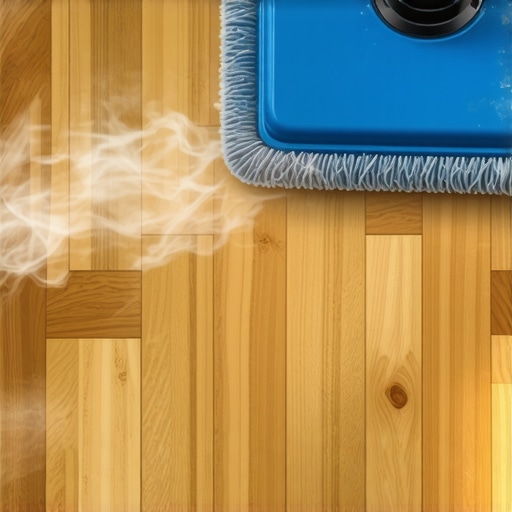
I vividly remember the moment I had a dreaded realization—my beloved laminate floors were developing odd, dull patches after I used my steam mop. At first, I thought I was doing something wrong, but then I started noticing a pattern. Little did I know, that seemingly harmless cleaning tool was secretly damaging the very surface I aimed to clean.
Why Your Trusty Steam Mop Could Be the Hidden Enemy of Your Laminate Floors
Many homeowners, myself included, rely on steam mops for quick and efficient cleaning. They promise a deep clean without harsh chemicals, making them a popular choice. But here’s the catch: if used incorrectly, they can harm laminate flooring, causing warping, swelling, or peeling. I was surprised to learn that the high heat and moisture from steam can seep into the tiny seams of laminate planks, loosening the adhesive and degrading the floor over time. According to flooring experts, excessive moisture is one of the biggest enemies of laminate surfaces (source: [Best Cleaning Practices for Laminate Floors](https://spotlesscarpetz.com/effective-house-cleaning-secrets-from-cleaning-experts)).
Have you ever faced a situation where your floor looked worse after a cleaning session? If so, you’re not alone. Many people unknowingly damage their floors with well-meaning cleaning devices. But fret not—today, I’ll share how to protect your laminate and get your floors truly clean without risking costly damage.
Is Steam Cleaning Worth the Risk for Laminate Floors?
Early in my cleaning journey, I made a crucial mistake: I believed that steam was universally safe for all types of flooring. That misconception cost me both time and money. The key is knowing when and how to use steam effectively—and when to avoid it altogether. Once I changed my approach, I noticed a significant improvement in my floor’s longevity. Want to learn how to keep your floors pristine and damage-free? Keep reading, because the solution isn’t just about avoiding steam—it’s about using it wisely or finding better alternatives.
Switch to Proper Cleaning Tools
Opt for microfiber mops or soft-bristled sweepers instead of steam mops. During an experience cleaning session, I mistakenly used a steam mop on my laminate floor, which caused warping. Replacing it with a damp microfiber cloth made a noticeable difference in preventing damage.
Control Moisture Levels
Use only a lightly damp cloth when cleaning. Excess moisture is a common mistake that leads to swelling or peeling. I learned this the hard way when I soaked a sponge and unintentionally flooded parts of my laminate, resulting in hours of repairs.
Apply Suitable Cleaning Solutions
Use gentle, pH-balanced cleaners made specifically for laminate flooring. Avoid harsh chemicals and vinegar, which can degrade the surface. When I switched to a laminate-friendly cleaning solution, my floors retained their original luster longer.
Implement Proper Mopping Techniques
Wring out your mop thoroughly before cleaning. Mop in the direction of the planks, avoiding excessive scrubbing. During my last cleaning, I meticulously wrung out my microfiber mop and mopped gently, which kept my floor intact and shining.
Seal and Protect Seams
Apply a laminate sealant to the seams periodically to prevent moisture seepage. I noticed my edges starting to lift after ignoring this step. Sealing them restored integrity and extended the life of my floors.
Regular Maintenance and Inspection
Inspect your floor regularly for signs of damage or water infiltration. Spotting early wear allowed me to intervene before major repairs. Consistent cleaning routines, like the daily cleaning routine, help maintain the floor’s condition.
Use Floor Mats and Entry Protectors
Place mats at entrances to trap dirt and moisture. During winter, I added rubber mats inside and outside my door, which minimized water and mud tracking, preserving my laminate’s appearance.
Incorporate These Tips for a Longer-Lasting Floor
Remember, protecting laminate flooring isn’t just about avoiding steam mops; it’s a combination of proper tools, moisture control, and routine maintenance. By implementing these steps, you’ll prevent costly damages and keep your floors looking new for years to come.
Many homeowners believe that high-temperature steam or harsh chemicals are the gold standard for disinfecting and deep cleaning. However, this oversimplification overlooks critical nuances that can compromise safety and effectiveness. For instance, overusing antibacterial sprays on upholstery might kill surface bacteria but can also degrade fabric fibers or lead to chemical buildup, creating a less healthy environment over time. According to the experts in home sanitization, the key lies in understanding the specific needs of each surface and using targeted, balanced cleaning methods instead of relying solely on aggressive disinfectants. Common myths also suggest that frequent cleaning entirely eradicates germs; in reality, it often disperses rather than removes pathogens if not done correctly. Think about aerosolized particles settling on overlooked areas—this is a trap many fall into during move-out cleans, ignoring hidden corners or ventilation ducts.
How Can Advanced Techniques Improve Your Sanitizing Routine?
Modern approaches emphasize objectives beyond surface cleanliness, aiming for microbiome balance and residue minimization. Techniques such as steam vapor with controlled humidity levels or UV-C light sanitization have shown to be more effective against resilient bacteria and viruses than traditional methods. Implementing these can elevate your cleaning game, especially in high-touch zones and upholstery prone to retaining allergens. For comprehensive guidance, check out these sanitizing hacks designed for safe, effective results. Remember, the common mistake is believing that scrubbing harder or using stronger chemicals always equals better cleanliness. Instead, aim for precision and knowledge-based methods. Have you ever fallen into this trap? Let me know in the comments.
How Do I Keep My Home Systems Running Smoothly Over Time?
Maintaining a spotless and healthy home isn’t a one-time effort; it requires the right tools, routine, and knowledge of long-term strategies. Personally, I rely on specialized equipment tailored for different surfaces and tasks to ensure longevity and optimal results. For example, when dealing with upholstery, I use the Rockford Steam Cleaner, equipped with adjustable humidity controls, allowing me to sanitize without over-saturating fabrics. Its precision ensures deep cleaning while preserving delicate fibers, unlike generic steam mops that can cause watermarks or shrinkage.
When it comes to house cleaning, my toolkit includes a high-quality microfiber mop system with replaceable, washable pads. This setup minimizes chemicals, reduces waste, and delivers streak-free shine. For move-out cleans, I turn to portable cordless vacuums with HEPA filters, which are lightweight, highly effective at trapping allergens, and convenient for reaching tight corners—crucial for passing inspections.
Looking ahead, the trend is leaning towards smart cleaning devices. I predict an increase in AI-powered vacuum cleaners that map your home, optimize cleaning paths, and even alert you to maintenance needs before issues escalate. Incorporating such tools not only saves time but also ensures the ongoing health of your home’s systems.
Curious about extending your tools’ lifespan? Regularly inspect and replace filters, clean brushes, and calibrate equipment according to manufacturer instructions. A simple step like cleaning your vacuum’s filter monthly can boost efficiency and prevent motor burnout. Want to get proactive? Try scheduling quarterly evaluations of your cleaning devices and checklists—this proactive approach mitigates long-term wear and surprises.
Wondering how to stay consistent? I recommend creating a daily maintenance routine that becomes second nature. Regular attention prevents dirt buildup and extends the life of fixtures and fabrics. Also, consider investing in a consultation with cleaning professionals for tailored advice and equipment recommendations. They often have insight into the latest innovations that can revolutionize your home maintenance.
Remember, durable and effective cleaning starts with the right tools. For example, using a battery-powered handheld steamer not only makes spot cleaning faster but also ensures you’re tackling bacteria on high-touch surfaces without chemicals. Incorporate smart storage solutions to keep your equipment accessible and in top shape.
So, why not pick one item from your toolkit—maybe that microfiber mop or a vacuum filter—and give it a thorough check this week? Whether you’re maintaining upholstery or inspecting your move-out checklist, taking small steps today guarantees a cleaner, healthier tomorrow. For more advanced tips on preserving your investment, explore this move-out cleaning checklist and turn your routine into a seamless long-term habit.
Lessons the Cleaners Don’t Always Share
- One of my biggest lightbulb moments was realizing that over-enthusiastic scrubbing can wear out upholstery faster than time.
- I learned that relying solely on harsh chemicals not only damages surfaces but also harms the environment and our health—sometimes, gentler is better.
- Incorporating preventive habits like using doormats and routine inspections can save a ton of cleaning headaches down the line, a lesson I wish I had embraced earlier.
- Understanding that some stains and odors require patience and targeted treatments rather than aggressive scrubbing transformed my approach to maintaining a fresh home.
- Finally, I discovered that investing in quality tools, like microfiber cloths and HEPA filters, pays off through better results and less frustration—quality truly makes a difference.
Tools and Resources That Changed My Routine
- Effective House Cleaning Secrets from Cleaning Experts: This comprehensive guide offers time-tested strategies that elevate your routine, making cleaning more efficient and less stressful.
- Move-Out Cleaning Strategies to Secure Your Deposit: Knowing what landlords look for helps tailor your cleaning process, which can ensure you get that full deposit back.
- Daily House Cleaning Routine: Implementing a simple yet consistent daily routine can keep dirt at bay and reduce the need for deep cleaning sessions.
- Professional Advice from Home Sanitization Experts: Their insights help you choose the right disinfectants and application techniques, ensuring safety without sacrificing cleanliness.
Your Next Step Toward a Fresh, Healthy Home
Seeking better results in your sanitizing, upholstery, and house cleaning efforts is within reach, and every small improvement adds up to a healthier environment for you and your loved ones. Whether you’re refining your techniques or exploring new tools, remember that patience and consistency are your best allies. Don’t hesitate to start implementing these insights today—that positive change could be just one smart move away. Ready to take your home maintenance to the next level? Share your biggest cleaning challenge below, and let’s find the perfect solution together.