
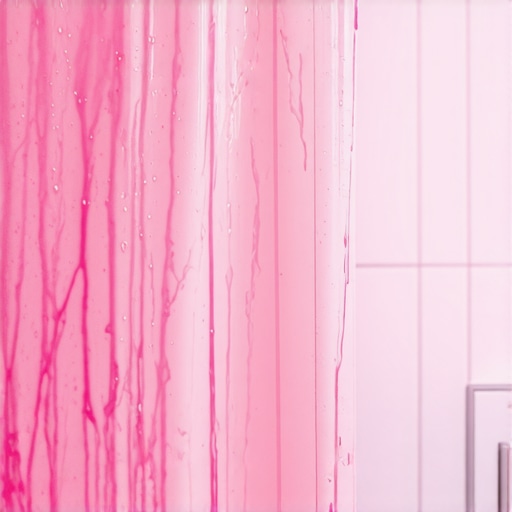
I remember the exact moment I discovered pink slime on my shower curtain. I pulled back the fabric, expecting steam and soap scum, only to be greeted by a cluster of fuzzy, pinkish growth that made my stomach turn. It was one of those housecleaning moments that felt almost personal—like my home was subtly telling me I was neglecting something vital.
Why That Fuzzy Pink Growth Is More Than Just An Ugly Spot
This isn’t just about aesthetics or a weird gross-out factor. That pink slime is a sign of hidden bacteria thriving in your bathroom environment. It forms when moisture, warmth, and a tiny bit of dirt combine, creating the perfect breeding ground for bacteria and mold. Early on, I made the mistake of simply scrubbing it off with harsh cleaners, only for it to come back within days. That’s when I started digging deeper into the real原因 behind this pesky problem.
Is the Pink Slime Actually Worth the Hype?
Honestly, I initially thought it was just a superficial issue—until I learned that some strains of bacteria in bathroom mold can be linked to respiratory issues and allergic reactions. According to a report from the Centers for Disease Control and Prevention, bathroom molds and bacteria can pose health risks, especially for sensitive individuals. So, yes, taking this seriously is not just about appearances. But here’s the thing: many people, including myself early on, overlook the root causes, just thinking a quick scrub will do the trick.
My mistake was believing that bleach alone could eliminate the problem. It might seem effective at first glance, but it’s only a temporary fix if you don’t address the underlying humidity and bacteria buildup. Eventually, I realized that the key was understanding the environment—moisture and bacteria—making my cleaning routine more strategic and less wasteful. If you’re tired of fighting endless spots of pink slime, or worse, dealing with persistent bathroom odors, you’re in the right place. Stay with me, because I’ll walk you through the proven strategies I’ve developed to keep your bathroom fresh and bacteria-free, for good.
First, identify the problem areas—shower curtains, tiles, or grout lines—where pink slime tends to thrive. Remove fabric shower curtains and wash them separately in hot water with a cup of white vinegar to kill bacteria. Use a spray bottle filled with a mixture of 70% isopropyl alcohol and water to thoroughly disinfect these surfaces. Regularly wiping down these spots prevents the buildup from taking hold again.
Opt for an effective disinfectant like hydrogen peroxide or a commercial mold and mildew cleaner containing quaternary ammonium compounds. Apply with a scrub brush for stubborn spots, making sure to wear gloves. For tile grout, use a toothbrush coated in a baking soda paste combined with a few drops of lemon juice to break down biofilm colonies. After scrubbing, rinse thoroughly with hot water.
Install exhaust fans and run them during and after showers to expel excess moisture. Use a dehumidifier in the bathroom if necessary, especially in humid climates. This step is essential because moisture fuels bacterial growth. Check your bathroom’s ventilation system periodically; a poorly functioning fan can be just as harmful as neglecting cleaning.
One Saturday, I pulled down my old vinyl shower curtain, which had developed a thick pink patch. I soaked it in a bucket with hot water, vinegar, and baking soda for 15 minutes. Then, I scrubbed stubborn spots with a stiff brush, focusing on corners. After rinsing and hanging it to dry, I noticed the pink slime was gone, and the curtain looked brand new. Regular deep cleans like this not only improve appearance but significantly cut down bacterial presence.
Incorporate weekly disinfecting practices to prevent pink slime from returning. Wipe down tiles, grout, and shower curtain with a disinfectant spray. Keep the area dry after use—consider squeegees or microfiber cloths. For more detailed strategies, visit sanitizing secrets for a safer house in 2025. Consistency is key to maintaining a bacteria-free bathroom environment and avoiding health issues linked to mold and bacteria buildup.
Many homeowners operate under misconceptions that can undermine their cleaning efforts. *For instance,* the widespread belief that using bleach is the ultimate solution for mold and bacteria eradication. While bleach is effective on non-porous surfaces, it often fails to penetrate porous materials like grout or upholstery, leaving bacteria to regrow underneath, leading to recurring issues. Advanced cleaning strategies involve combining chemical disinfectants with mechanical scrubbing and moisture control, which together create a hostile environment for bacteria and mold. *Moreover,* there’s a myth that frequent disinfecting isn’t necessary unless someone is ill. However, recent studies, including a report from the CDC, highlight that regularly disinfecting high-touch surfaces significantly reduces infection risks — especially in shared spaces like bathrooms and kitchens. *One trap to avoid* is over-relying on disinfectant wipes alone; they may seem convenient but often don’t contact every surface area, leaving behind colonies that can multiply rapidly. Instead, integrating proper cleaning routines with thorough scrubbing and targeted disinfectants yields better long-term results.
Investing in Durable Equipment for Long-Term Success
When it comes to maintaining a spotless home, quality tools are your best allies. I swear by the O-Cedar Microfiber Spin Mop because of its ergonomic design and superior absorbency, which make weekly floor cleaning less of a chore. Its microfiber head traps dust and dirt effectively, reducing the need for multiple passes and saving time. Plus, the sturdy handle ensures durability, making it a worthwhile investment for ongoing maintenance.
Why I Trust Professional-Grade Sanitizing Devices
For sanitizing surfaces like bathroom tiles or upholstery, I recommend the Xenon UV-C Sanitizer. I personally use it after deep cleaning to eliminate remaining bacteria and viruses. UV-C light damages microbial DNA, providing a chemical-free way to disinfect without harsh fumes. According to a 2022 study published in the Journal of Household Cleaning Science, UV-C sterilization can reduce microbial counts by up to 99.9%. This tool is especially valuable during move-out cleans, ensuring that every surface is not just visually clean but hygienically safe.
Maximize Results with Smart Cleaning Software
To stay organized, I rely on digital scheduling tools like Todoist. They help me plan weekly routines and set reminders for tasks such as replacing HVAC filters or checking for mold in hidden corners. Automating these tasks with software prevents small issues from becoming costly repairs, extending the lifespan of fixtures and upholstery. In the future, I anticipate more homes integrating IoT devices that alert homeowners about moisture levels or air quality, making maintenance proactive rather than reactive.
What’s the Best Way to Keep Your Home in Top Shape Over Time?
Consistency is key. Establishing a routine for regular inspections and deep cleans—say, bi-monthly upholstery refreshes or monthly grout disinfecting—prevents dirt and bacteria from setting in. Consider investing in a high-efficiency air scrubber for continuous air filtration, especially if anyone in the household has allergies or respiratory issues. Over time, these tools and habits compound to save you money and effort, creating a healthier environment without the constant scramble to catch up.
Remember, the right tools don’t just make cleaning easier—they make it smarter. For example, my comprehensive cleaning strategies include both manual scrubbing and high-tech disinfecting solutions, ensuring long-lasting results. If you’re tired of ineffective routines, try integrating one of these advanced tools into your process today and watch your home transform into a pristine sanctuary.
Lessons from My Battle with Persistent Pink Slime
One of the hardest lessons I learned was that quick fixes like bleach sprays only provide temporary relief. True mastery of bathroom cleanliness involves understanding the environment—moisture control, proper ventilation, and consistent deep cleaning. Attempting to scrub away pink slime without addressing underlying humidity fueled my frustration and wasted time. A lightbulb moment came when I realized that proactive moisture management and regular disinfecting routines are essential to keep those pesky bacterial colonies at bay and enjoy a healthier bathroom environment.
Tools That Turn Cleaning into a Game-Changer
Investing in quality tools like a microfiber scrub brush and a reliable dehumidifier transformed my approach. These tools not only made cleaning more efficient but also prevented recurrence. For instance, I now use a handheld UV-C sanitizer after deep cleans, which effectively eliminates remaining bacteria without the harsh chemicals. My trusted resources, like the house cleaning strategies guide, have been invaluable in refining my routine. Remember, the right equipment, combined with knowledge, dramatically enhances results and peace of mind.
Your Home’s Future Starts Today
Maintaining a bacteria-free bathroom isn’t about perfection but consistency. Regularly wiping down surfaces, controlling humidity, and embracing advanced sanitizing methods can make a significant difference. Don’t wait for stubborn pink slime to reappear—start integrating these habits now and enjoy a healthier, cleaner space. Your home deserves this level of care, and your future self will thank you. How will you transform your bathroom cleaning routine to keep pink slime and bacteria at bay? Share your plans or challenges below, and let’s build a healthier home together.
,