
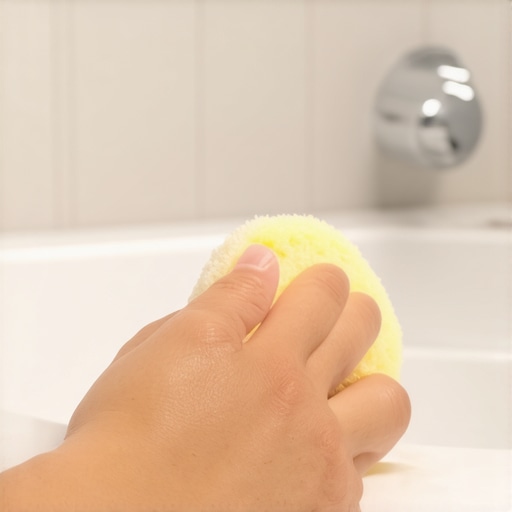
I remember the moment almost too clearly—the gritty scrape of the abrasive sponge against my bathtub’s surface, followed by that sickening crunch as I realized I’d just scratched my porcelain like a reckless kid with a dart. It was a lightbulb moment, one I wish I’d had years earlier. Since then, I’ve learned that those stubborn scratches and dull spots could have been avoided entirely, saving me time, money, and a lot of frustration.
If you’re tired of battling stubborn soap scum and contemplating whether to grab that abrasive sponge, you’re not alone. Today, I’m here to share my experience and guide you through a smarter, safer way to maintain your bathtub’s pristine look without causing damage.
Protect Your Bathtub and Save Yourself Headaches
Using abrasive sponges might seem like a quick fix for tough stains, but they can do more harm than good. Over time, those rough scrubbing pads wear down your tub’s surface, leading to scratches, discoloration, and a dull finish that actually makes cleaning harder in the long run. Plus, damaged surfaces invite mold and bacteria, turning a simple cleaning task into a potential health hazard.
Research shows that abrasive cleaning tools can create micro-scratches, which not only mar the appearance but also provide breeding grounds for germs—an unsettling reality for any homeowner concerned about hygiene. Instead of risking these costly consequences, I advocate for gentle cleaning methods that preserve your tub’s integrity.
If you’ve ever faced persistent rings or soap scum that won’t budge, I understand the frustration. But there’s a better way, one that I’ll reveal below, proven to keep your bathroom shining without unnecessary damage. Before diving into that, let’s address some common doubts.
Is It Really Worth Ditching the Abrasive Sponge?
Early on, I made the mistake of relying purely on harsh scrubbers, convinced they’d deliver quick results. It wasn’t until I spent hours buffing out scratches or replastering parts of my tub that I realized the true cost. Trust me—ditch the abrasive tools early, and you’ll preserve your bathtub’s surface longer, making your cleaning routines easier and more effective.
Now, let’s explore the safer, smarter techniques I’ve discovered, so you won’t have to face the same pitfalls. Ready to learn the secret to a scratch-free, flawless bathtub? Keep reading for my favorite gentle cleaning hacks. For more expert insights on effective house cleaning secrets, check out [this detailed guide](https://spotlesscarpetz.com/effective-house-cleaning-secrets-from-cleaning-experts).
Gather Your Gentle Cleaning Supplies
Start by choosing non-abrasive cleaning products like mild bathroom cleaners, vinegar, baking soda, and soft microfiber cloths or sponges. Avoid steel wool or rough scrub brushes that can scratch the surface. I remember once trying to clean a stubborn soap scum ring with a rough pad, which only worsened the scratches—lesson learned the hard way. Keeping your supplies simple and gentle preserves your tub’s finish.
Apply a Natural Cleaning Solution
Mix Your Cleaner
Combine equal parts white vinegar and water in a spray bottle. For tougher stains, sprinkle baking soda onto the surface before spraying the vinegar mixture. The fizzing action helps loosen grime without damaging the porcelain, unlike harsh chemical cleaners.
Let It Sit
Spray evenly over the entire surface and let it sit for 10-15 minutes. This allows the solution to break down soap scum and mineral deposits effectively. I once tried to scrub immediately, only to smear the grime further; patience here pays off.
Gentle Scrubbing Techniques
Use a soft microfiber cloth or a non-abrasive sponge to wipe the surface gently. Move in circular motions, applying light pressure to avoid micro-scratches. Think of it like polishing a mirror—gentle strokes yield the best shine. I recall scrubbing with a stiff brush once, which left tiny scratches that looked worse than the stains.
Address Tough Spots with Targeted Methods
For Persistent Soap Scum or Hard Water Stains
Apply a paste of baking soda and water directly onto stubborn areas. Let it sit for 15 minutes, then scrub softly to lift the deposits. For mineral stains, soaking a cloth in vinegar and placing it on the spot for 20 minutes can soften the deposits before wiping away.
Avoid Scrubbing Too Hard
Remember, excessive force can create scratches that trap dirt, making cleaning harder over time. Making this mistake: I once aggressively scrubbed a stain, only to need professional resurfacing later. Always use the softest effective method.
Rinse and Dry Thoroughly
Use clean water and a soft cloth to remove residual cleaning agents. Dry the surface immediately with a microfiber towel to prevent water spots and mineral film. This step preserves the shine and helps spot any remaining issues early.
Protect Your Surface Regularly
Implement a weekly routine by wiping down with a damp microfiber cloth and a mild cleaner. This prevents buildup, reducing the need for intensive scrubbing. I adopted this habit after noticing my tub stayed shiny longer by avoiding tough stains altogether.
Learning to clean your bathtub without resorting to abrasive tools is a game-changer. Proper techniques save your surface, reduce health hazards, and make maintenance easier. For more expert house cleaning tips, visit this detailed guide. Practicing these steps consistently ensures a pristine, scratch-free bathroom for years to come.
When it comes to maintaining a spotless home, many of us rely on common beliefs that, in reality, can hinder our efforts. A prevalent myth is that scrubbing harder with stronger chemicals always results in cleaner surfaces. Yet, in my experience, over-aggressive cleaning can damage delicate finishes and trap bacteria behind micro-scratches, making cleanliness harder to achieve over time. Experts like Dr. Susan Harwood emphasize that gentler, targeted approaches often outperform brute force, especially for upholstery and sensitive surfaces. Have you ever fallen into this trap? Let me know in the comments.
Why Do Common Sanitizing Methods Miss the Mark for True Hygiene?
Many households depend solely on disinfectant wipes or sprays, believing these kill 100% of germs instantly. However, studies indicate that improper use—like wiping without letting products sit long enough or using too little—can significantly diminish their effectiveness. For example, a study published in the Journal of Hospital Infection shows that cross-contamination occurs frequently when sanitizers are misapplied, spreading bacteria instead of eliminating them. The key nuance here is understanding that effective sanitizing isn’t just about product choice but correct application techniques, contact time, and surface compatibility. Avoid the common mistake of rushing through the process; instead, follow the instructions precisely to ensure germs are truly eradicated.
Is There a Better Way to Handle Move-Out Cleaning Without Damaging Your Loan Deposit?
Moving out can be stressful, especially with the pressure to meet landlord expectations while avoiding costly repairs. Many assume that heavy-duty scrubbing or using harsh chemicals will guarantee a full deposit return. Yet, aggressive cleaning can cause unintended damage, such as scratched floors or broken grout, which landlords can deduct from your deposit. The secret is adopting strategic, gentle cleaning methods—like properly targeting hard water stains with vinegar solutions or using specialized tools on tricky spots. For comprehensive tips, check out [move-out cleaning strategies to secure your deposit](https://spotlesscarpetz.com/move-out-cleaning-strategies-to-secure-your-deposit). Remember, a thoughtful approach preserves both your property value and your money. If you’d like to understand how to avoid these pitfalls entirely, consider visiting our [effective house cleaning secrets from experts](https://spotlesscarpetz.com/effective-house-cleaning-secrets-from-cleaning-experts).When it comes to maintaining a spotless home, having the right tools makes all the difference. Personally, I rely on high-quality microfiber cloths because they trap dust and dirt effectively without scratching surfaces. For tougher jobs, a soft nylon scrub brush with gentle bristles works wonders on grout lines and textured tiles, allowing me to clean thoroughly without risking damage. I also swear by a steam cleaner for upholstery and curtains; the heat not only disinfects but also loosens grime in hard-to-reach places, making my cleaning routine more efficient. Investing in a reliable vacuum with HEPA filters ensures allergens and pet dander are captured, which is crucial for maintaining a healthy environment long-term. To keep these tools performing at their best, I perform regular maintenance: washing microfiber cloths in hot water, replacing scrub brush heads every few months, and descaling my steam cleaner as per manufacturer instructions. Technological advances point toward smart cleaning devices, like robot vacuums equipped with mapping technology, which can autonomously maintain your floors daily, reducing your workload. Looking ahead, integrating IoT-enabled cleaning tools with home automation systems will further streamline home upkeep, enabling proactive maintenance and optimal performance.
How do I maintain my cleaning tools over time?
To ensure your equipment stays effective, establish a routine cleaning schedule: wash microfiber cloths after every use, inspect and replace brushes when bristles become frayed, and follow manufacturer guidelines for steam cleaner descaling. Maintaining your tools not only prolongs their lifespan but also guarantees optimal performance, helping you achieve and sustain a truly clean home. For more expert strategies on long-term cleaning results, visit [this guide](https://spotlesscarpetz.com/effective-house-cleaning-secrets-from-cleaning-experts). Remember, well-maintained tools are the foundation of efficient home care.
Lessons Hidden in My Cleaning Journey
One of the most profound lessons I learned is how damaging haste can be—trying to tackle stubborn stains with brute force often leaves behind micro-scratches that diminish the beauty of your surfaces and invite more grime. Patience truly pays off when cleaning; allowing natural solutions time to work is always better than aggressive scrubbing. I also discovered that investing in quality, gentle tools saved me money and headaches—those microfiber cloths and soft brushes are game-changers. Lastly, I realized that consistency surpasses occasional intense cleanings; a weekly quick wipe preserves your surfaces and keeps grime at bay, removing the need for harsh, damaging methods.