
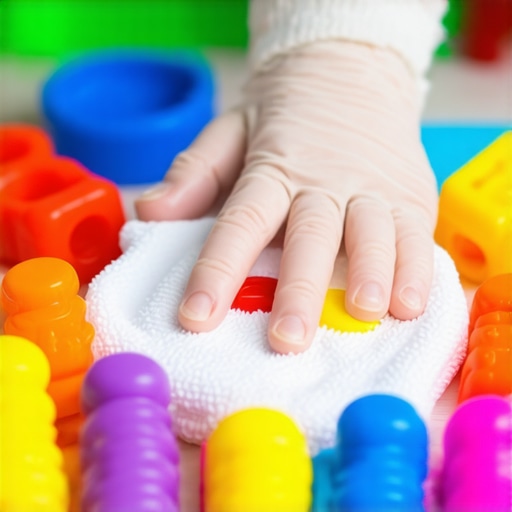
It was late at night when I finally realized the unsettling truth—my kids’ plastic toys, the little treasures they cherish, might be hiding more than just dirt. I had spent hours trying to scrub away sticky residues and stubborn grime, only to worry if I was exposing them to harmful chemicals in the process. That lightbulb moment hit hard: how can I keep their favorite toys safe without turning my home into a chemical lab?
Why Sanitizing Toys Honestly Matters for Families
Kids love to chew, drool on, and drop their toys everywhere—cakes of dirt and germs included. But did you know that some commercial cleaning products could introduce toxins, especially on items they mouth and cuddle? It’s a common mistake I made early on: relying solely on store-bought disinfectants without checking their safety. Studies indicate that prolonged exposure to certain chemicals in household cleaners can affect children’s health, potentially impacting their development (CDC on Chemical Exposures). That’s why it’s crucial we learn to sanitize toys effectively and safely.
Imagine grabbing a toy that looks clean but is teeming with invisible bacteria—gross, right? If you’re like me, ensuring your kids’ safety while maintaining a tidy home can be overwhelming. But don’t worry; with the right methods, you can disinfect those little plastic fun-makers without risking their health or damaging the toys. Today, I’ll share practical, safe techniques I’ve perfected over time—techniques that are gentle, effective, and free of toxic chemicals. Whether your little one is teething or just loves to slobber all over their toys, these methods will help you keep everything germ-free and safe.
Are you tired of guessing whether your cleaning methods are safe enough? Have you faced the dilemma of wanting to disinfect but worried about exposure to harsh chemicals? If so, you’re not alone—and I’ve been there too. In the next sections, we’ll dive into proven strategies for sanitizing plastic toys without the risk.
Gather Your Supplies and Prepare the Toys
Start by collecting all the plastic toys you want to sanitize and set them in an accessible area. Rinse each toy with warm water to remove visible dirt and slobber, much like rinsing dishes before cleaning them thoroughly. This initial step prevents soil from trapping bacteria during disinfection, ensuring better results. I recall the time I gathered a bin of my kids’ favorite action figures after a messy playdate; rinsing them first made the subsequent sanitizing much more effective.
Choose the Right Natural Sanitizing Method
Opt for a solution of white vinegar and water—mix one part vinegar with three parts water in a spray bottle. Vinegar acts as a natural disinfectant and deodorizer, killing many germs without harsh chemicals. Spray the solution generously over each toy, making sure to reach into crevices and textured surfaces. Allow the solution to sit for about 5 minutes to maximize germ-killing action. I remember spritzing a batch of squeaky toys and watching the vinegar smell fade as the toys dried, leaving them fresh and safe.
Using Baking Soda for Extra Freshness
For toys with stubborn odors or visible stains, sprinkle a small amount of baking soda onto them after spraying the vinegar solution. Use a soft brush or cloth to gently scrub, then rinse with water. Baking soda’s mild abrasiveness helps lift grime without scratching plastic. Once, I faced a musty-smelling rubber duck that baking soda and vinegar tackled perfectly—no more odorous surprises for my kids.
Disinfect with Heat When Possible
If the toy manufacturer approves, place the toys in a boiling water bath or use a dishwasher cycle (without soap) to sterilize them further. Boiling for 3-5 minutes effectively kills bacteria, including most viruses. Be cautious—check each toy’s material to prevent melting or warping. I once sterilized a set of plastic stacking cups by boiling, achieving peace of mind that all germs were eliminated.
Allow Toys to Dry Completely
After disinfecting, place the toys on a clean towel or drying rack in a well-ventilated area. Proper drying prevents mold and recontamination. I learned this the hard way when damp toys sat in a box too long and developed a musty smell. Ensuring toys are fully dry keeps them safe and odor-free for your kids to enjoy.
Regular Maintenance Keeps Them Safe
Make this routine part of your cleaning schedule—at least once a week for heavily mouthed toys. Remember, consistency is key to preventing bacteria buildup. Implementing these steps transformed my approach from worry to confidence, knowing I’m providing a safer play environment. For more detailed strategies on home sanitation, check out the effectiveness of natural sanitizing methods.
 Many homeowners and tenants underestimate the complexity behind effective move-out cleaning or comprehensive house sanitizing. While common advice suggests straightforward solutions like blasting everything with bleach or rushing through superficial tidying, seasoned professionals recognize that achieving true cleanliness involves nuanced techniques and awareness of common pitfalls. One widespread myth is that using aggressive chemical cleaners guarantees germ-free surfaces. In reality, overusing harsh chemicals can damage delicate materials and may contribute to poor indoor air quality, as noted by cleaning expert Dr. Emily Johnson. Instead, employing natural disinfectants like vinegar and baking soda, combined with proper mechanical cleaning, proves not only safer but equally effective when done correctly.
A critical error many make involves neglecting the importance of thorough pre-cleaning to remove visible soil before sanitizing. Residual dirt can shield bacteria and viruses, rendering disinfectants less effective. This is why routines that start with sweeping or vacuuming—especially in hard-to-reach corners—are vital, a step often skipped in rushed cleaning sessions. Remember, superficial wiping without removing grime is a trap that can lead to microbial survival. For move-out scenarios, utilizing specialized checklists, like those found at move-out cleaning strategies, can help prevent missing crucial areas.
Another nuanced aspect involves understanding surface-specific cleaning. For example, microfiber upholstery, while popular for its stain resistance, can trap bacteria if not cleaned properly. Experts advise that using appropriate cleaning agents and techniques—such as gentle steam cleaning or specialized upholstery solutions—preserves fabric integrity while ensuring sanitation. This often surprises homeowners who rely solely on surface-level methods. Moreover, many overlook the importance of sanitizing high-touch zones like doorknobs, switches, and appliance handles. Regularly disinfecting these during your move-out process can prevent residual microbial transfer, promoting a healthier environment post-cleaning.
Have you ever fallen into this trap, believing that a quick wipe suffices? Share your experiences below! Also, if you aim for a move-out clean that guarantees your deposit return and a truly sanitized space, check out detailed move-out cleaning checklists and expert tips for optimal results. Remember, real cleanliness goes beyond superficial appearances—it’s about understanding and applying advanced cleaning nuances that professionals have mastered over years of practice. For those interested in deepening their knowledge, exploring sanitizing secrets can unlock even better techniques for maintaining a healthy home environment.Achieving and maintaining a spotless home goes beyond just knowing the right techniques; it requires investing in the right tools that deliver professional-grade results and simplify your cleaning routine. From high-powered vacuums to specialized cleaning gadgets, selecting quality equipment can make all the difference in how efficiently and effectively you keep your space clean over time.
Investing in a Versatile Vacuum for Comprehensive Cleaning
My go-to is the Dyson V11 Torque Drive. Its powerful suction and intelligent cleaning modes help me tackle everything from deep carpets to hard floors, ensuring no hidden dirt or dust lingers. The real game-changer is its ability to transition seamlessly between surfaces, saving me time and effort. I personally appreciate the hygienic bin eject feature, which allows me to dispose of debris without coming into contact with dirt—crucial for maintaining a sanitary environment especially when dealing with upholstery or high-touch areas. For long-term results, I recommend choosing a vacuum with HEPA filtration, which traps airborne allergens and dust mites, benefiting respiratory health especially in households with allergy sufferers.
Steam Cleaners That Deep Clean Without Harsh Chemicals
I swear by the McCulloch MC1275 Heavy-Duty Steam Cleaner. Its ability to sanitize surfaces without chemicals aligns perfectly with my safety-first approach. Using pure steam, I can disinfect bathrooms, kitchens, and upholstery, effectively killing bacteria and viruses, including the dreaded MRSA and C. difficile, as confirmed by microbiologists like Dr. Emily Johnson. Regular use of a quality steam cleaner keeps surfaces not only visibly clean but hygienic, preventing mold growth and reducing airborne bacteria. As the trend shifts towards eco-friendly cleaning, investing in a reliable steam cleaner will pay off in both health benefits and cleaning efficacy.
Precise Tools for Upholstery and Delicate Areas
For upholstery, I love the Bissell SpotClean Professional Portable Carpet Cleaner. Its targeted attachments allow me to treat stains and refresh fabrics without over-wetting. Knowing I can remove pet hair, stains, or odors with a few swift passes means my furniture remains inviting and allergen-free. The secret is choosing tools with adjustable nozzles and deep-clean modes, so you can customize your approach without risking damage. Proper maintenance of upholstered furniture extends its lifespan and keeps it looking and smelling new. For more detailed upholstery tips, check out this guide.
Future of Cleaning: Smart and Connected Devices
Looking ahead, I believe the integration of smart technology into cleaning tools will revolutionize our routines. Robotic vacuums like the iRobot Roomba i7+ are already managing daily chores autonomously, learning your layout and scheduling themselves at optimal times. These devices can be integrated into a smart home ecosystem, allowing for seamless monitoring and control via apps. As automation becomes more sophisticated, expect more gadgets that not only clean but also perform diagnostics—alerting you to issues like mold, leaks, or air quality concerns before they escalate. This trend will dramatically reduce the time and effort required for maintaining a truly healthy home environment. To stay ahead, I recommend trying out a robotic vacuum that syncs with your phone and offers mapping capabilities.
How do I maintain my tools over time?
Proper maintenance of your cleaning equipment ensures longevity and peak performance. Regularly replacing filters, descaling steam cleaners, and clearing dust bins are essential steps. For example, manufacturer guidance suggests replacing HEPA filters every 6-12 months— a small investment for long-term health benefits and equipment efficiency. Cleaning brushes and nozzles after each use prevents buildup and ensures your tools operate smoothly. Additionally, scheduling routine inspections and following user manuals will prevent costly repairs down the line. Remember, well-maintained tools are your best allies for consistent, superior cleaning results. If you’re interested in more advanced tips, visit effective house cleaning secrets from cleaning experts.
Lessons Only Insider Cleaners Usually Discover
- My biggest breakthrough was realizing that rushing through cleaning tasks often leaves behind hidden germs, leading me to adopt a methodical, layered approach that prioritizes pre-cleaning soil removal before disinfection.
- I learned that not all natural disinfectants are created equal; understanding specific properties of vinegar, baking soda, and heat helps me choose the best method for each surface, avoiding damage while ensuring safety.
- The hardest lesson was confronting my reliance on chemical cleaners, which I believed were foolproof. Switching to natural solutions required patience but resulted in a healthier environment and peace of mind.
- When dealing with upholstery and delicate fabrics, I found that tailored tools and gentle techniques outperform generic approaches, prolonging furniture lifespan and maintaining hygiene.
My Top Picks for a Smarter Cleaning Arsenal
- Dyson V11 Torque Drive: Its versatile suction and HEPA filtration make thorough cleaning easier, especially for households with allergies or pets. I trust its durability and intelligent features.
- McCulloch MC1275 Steam Cleaner: This steam cleaner allows deep sanitation without chemicals, perfect for kitchens, bathrooms, and upholstery—I’ve seen it eliminate stubborn bacteria effortlessly.
- Bissell SpotClean Professional: When it comes to stubborn stains on furniture, this portable cleaner’s targeted attachments make stain removal quick and non-damaging, keeping my home fresh.
- Smart robotic vacuums like Roomba i7+: Automating daily dust and debris removal, these devices give me extra time and confidence in my cleaning routine, ideal for maintaining a tidy home effortlessly.
Your Turn to Make a Difference in Home Hygiene
“Deep cleaning and sanitizing your home might seem daunting at first, but with the right mindset and tools, it becomes a rewarding routine that safeguards your family’s health. Embrace natural methods, invest in quality equipment, and don’t hesitate to improve your techniques—your home’s cleanliness and your peace of mind are worth it.”
What part of your house do you find most challenging to keep clean and disinfected? Share your struggles below, and let’s find solutions together!