
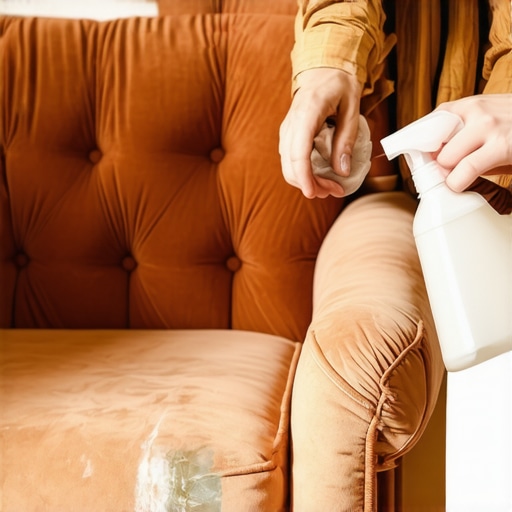
Have you ever sunk into your favorite velvet sofa only to discover an inexplicable stain staring back at you? It’s like a mysterious badge from a past owner, and suddenly, your cozy retreat feels a little less inviting. I know that feeling all too well. I once bought a second-hand velvet sofa, convinced it would add a touch of luxury to my living room. But within days, I was faced with an unsightly stain—something dark, odd-shaped, and utterly baffling. It was a real eye-opener that even the most beautiful furniture can hide surprising grime. That little incident became my lightbulb moment, and I vowed to master the art of stain removal—specifically, those sneaky, mystery stains that seem impossible to lift.
Today, I want to share with you the proven techniques I’ve accumulated over years of trial, error, and finally, success. Whether it’s a stubborn spill or an old mark from a previous tenant, knowing how to effectively remove mystery stains from velvet sofas can save you hundreds of dollars in cleaning bills and help preserve the luxurious pile of your furniture. The key, I’ve learned, isn’t just about quick fixes but understanding the materials and the proper methods—especially with delicate fabrics like velvet.
So, if you’re tired of living with the “hidden surprises” that linger on second-hand furniture, stick around. I’ll guide you through my tried-and-true strategies, so you can reclaim your sofa’s pristine beauty without risking damage. We’ll cover what mistakes to avoid, the best methods, and even some insider tips that professionals swear by. After all, your home deserves a little extra care, and your velvet sofa? Well, it deserves to stay the star of your living space.
Before we dive into the how-tos, let me ask—you’ve probably faced mysterious stains on your furniture too, right? Don’t worry. I’ve been there, and I’m here to tell you: there’s hope. Ready to banish those stubborn marks? Let’s get started.
How to Lift Mystery Stains From Your Velvet Sofa Without Damaging the Fabric
Pre-treat Stains Immediately
As soon as you spot a mystery stain, blot it gently with a clean, dry cloth to absorb excess liquid. Do not rub, as this can push the stain deeper into the fibers. I remember encountering a dark mysterious mark after my nephew spilled grape juice; quick blotting prevented it from setting, making later cleaning easier.
Create a Gentle Cleaning Solution
Mix a small amount of mild dish soap with cool distilled water—about one teaspoon per cup. Avoid harsh chemicals; they can damage velvet’s delicate fibers. During my last attempt, I used olive oil-based dish soap, which loosened the stain without harming the fabric.
Test the Solution First
Before applying broadly, test the solution on an inconspicuous area of your sofa to ensure it doesn’t cause discoloration or damage. I always test behind a cushion; this saved me from a potential mishap with a brighter stain.
Apply the Cleaning Solution Carefully
Dampen a soft, white cloth with the solution and gently dab the stained area. Work from the outside in to prevent spreading. During my first try, I used a circular motion, which proved effective without damaging the pile.
Blot and Remove Excess Moisture
Use a clean, dry cloth to blot the area, absorbing the moisture and loosened stain particles. Do not oversaturate, as too much moisture can warp the velvet or lead to mold. I learned this the hard way when applying too much liquid, causing the fibers to clump.
Use Rubbing Alcohol for Stubborn Stains
If the stain persists, lightly dab with a cloth dampened in isopropyl alcohol (70%). This breaks down challenging stains without harming velvet. Always test first because alcohol can alter colors if used excessively. In my experience, careful application dissolved a stubborn ink blot without a trace.
Allow the Fabric to Dry Naturally
Let the area air dry, ensuring good ventilation. Avoid direct heat sources, which can shrink or discolor velvet. I found that opening a window hastened drying and prevented any musty smell after cleaning.
Revive Velvet’s Luster
Once dry, gently brush the fabric with a soft velvet brush or a clean clothes brush to lift the pile. This restores the luxurious feel and appearance. After cleaning, I always brush my sofa to maintain its plush texture and appearance.
When to Seek Professional Help
Significant or old stains that refuse to budge might need professional upholstery cleaning. Professionals use specialized equipment and solutions that are safe for velvet. If unsure, consult experts through trusted companies like Spotless Carpetz.
Many homeowners and tenants assume that standard cleaning routines are sufficient for thorough move-out sanitation or upholstery maintenance. However, this widespread belief often leads to overlooked nuances that can significantly impact results. For instance, a common myth is that scrubbing with bleach or harsh chemicals guarantees germ-free surfaces. In reality, these substances can damage delicate fabrics and leave harmful residues, compromising both safety and fabric integrity. Professional experts emphasize the importance of selecting appropriate, fabric-friendly cleaning agents rather than defaulting to aggressive chemicals, as detailed in effective sanitizing methods.
Another trap many fall into is the neglect of pre-treatment steps. Skipping proper pre-cleaning and spot pre-treatment can cause dirt and stains to set permanently, making cleaning less effective and potentially damaging the upholstery’s fibers. The nuance lies in understanding fabric-specific pre-cleaning techniques, which can be learned from comprehensive guides like ultimate upholstery care. Be wary of products or methods touted as universal solutions; fabrics such as velvet or suede demand tailored approaches to prevent texture loss or discoloration.
A particularly advanced mistake is the assumption that high-temperature cleaning methods always outperform gentler options. While heat can aid in sterilization, excessive temperatures risk shrinking or warping natural fibers. For instance, hot water extraction on delicate upholstery might seem effective but can actually cause fiber damage if not carefully controlled. According to forensic textile experts, balancing temperature and chemical use is crucial for preserving fabric lifespan while ensuring hygiene—highlighted in studies available in dust reduction techniques.
Have you ever fallen into this trap? Let me know in the comments!
Are Your Cleaning Practices Actually Reinforcing Stains or Damage?
To elevate your cleaning game, recognize that using too much detergent or scrubbing aggressively can push grime deeper into fibers, making stains worse and harming the material. For example, over-wetting upholstery can lead to mold growth or fiber distortion, especially if not properly dried. Alternatively, adopting a gentle, fabric-specific cleaning protocol and thoroughly drying surfaces preserves both cleanliness and longevity. Regularly updating your knowledge through expert resources ensures your efforts are effective and safe, as suggested in house cleaning strategies. In the end, understanding the nuanced differences in fabric types and stain nature is key to avoiding costly mistakes and achieving truly clean results.
Maintaining a spotless and sanitized home, especially after move-out or deep cleaning sessions, requires more than just elbow grease — it demands the right tools and a strategic approach. Over the years, I’ve refined my arsenal, investing in equipment and methods that save time, ensure thoroughness, and preserve delicate fabrics like velvet and upholstery.
Invest in a Quality Upholstery Steamer
One game-changer in my cleaning routine has been a handheld upholstery steamer. I personally use the Vaporetto Multi-Purpose Steamer because of its adjustable steam flow and fabric-safe design. It effectively lifts dirt and kills germs without harsh chemicals. Regular use prevents grime buildup and extends the life of furniture, aligning with professional cleaning secrets.
Utilize Microfiber Cloths for Maximum Efficiency
For dusting and surface wiping, I rely exclusively on premium microfiber cloths. Their fine fibers trap dust and allergens better than cotton, reducing the need for chemical cleaners. I prefer ones with split fibers because they increase surface contact and remove stubborn residues, making long-term maintenance easier. Experts recommend replacing these cloths periodically to maintain their efficacy and prevent bacterial spread.
Incorporate a High-Quality Vacuum with HEPA Filtration
My vacuum of choice is a Dyson V11 Absolute cordless model. Its HEPA filters capture 99.97% of allergens and pet dander, crucial for maintaining a healthy indoor environment. Regular vacuuming with such a device reduces allergen accumulation, making subsequent sanitizing steps more effective, as detailed in future-focused cleaning insights.
Leverage Specialized Cleaning Solutions Safely
When tackling stains or sanitizing, I stick to fabric-friendly, enzyme-based cleaners like Rockin’ Green’s OXY-Boost. These eco-friendly solutions are effective against organic stains and microbial contaminants without damaging fabrics or posing health risks. Always test these solutions in inconspicuous areas before applying broadly.
Predicting the Future of Home Cleaning Tools and Methods
The trend is moving toward智能ized cleaning—think robotic vacuums integrating AI for optimized routes and UV-C lamps embedded in air purifiers to eradicate germs. Staying updated and investing in versatile, future-proof tools will ensure your cleaning routine remains effective long-term. Remember, consistency is key. Regularly scheduling maintenance and utilizing the right equipment can make a significant difference, helping you avoid costly repairs or replacements in the future. Check out move-out strategies to keep your property in tip-top shape.
Question: How do I maintain my cleaning tools over time?
Proper maintenance of your cleaning equipment is crucial for sustained performance. Regularly clean vacuum filters and microfiber cloths, de-scale steamers as per manufacturer instructions, and store tools in a dry, dust-free environment. Replacing worn-out brushes or pads ensures effective agitation and dirt removal, preventing damage to surfaces. By maintaining your tools diligently, you maximize their lifespan and guarantee that each cleaning session delivers professional results.
Try integrating a high-quality upholstery steamer into your routine this month. It’s a small investment that pays off with cleaner sofas, longer-lasting fabrics, and a healthier living space. For tailored advice or professional assistance, don’t hesitate to reach out.

What I Wish I Knew Before Facing My First Mystery Stain
- Patience beats aggressive scrubbing every time; rushing can embed stains deeper and damage delicate fibers.
- Always test your cleaning solution in an inconspicuous spot—it’s the best way to avoid unexpected discoloration or texture changes.
- Natural solutions like distilled water and mild soap often outperform harsh chemicals on fragile fabrics like velvet.
- Quick action right after a spill—blot, don’t rub—can prevent stains from setting, saving you headaches later.
My Favorite Tools for Effortless Sofa Revival
Investing in a quality upholstery steamer such as the Vaporetto Multi-Purpose Steamer changed my cleaning game. Its adjustable steam not only lifts stubborn stains but also sanitizes without chemicals. Pair it with microfiber cloths—preferably split fiber varieties—for dust removal and an overall refresh, ensuring your velvet stays vibrant and plush. Using a vacuum with HEPA filtration, like the Dyson V11 Absolute, keeps allergens at bay and prepares the fabric perfectly for cleaning. These tools have made routine maintenance faster, safer, and more effective, and I recommend them to anyone serious about preserving their furniture’s beauty.
Embracing the Challenge of Velvet Cleanliness
The process of maintaining a pristine velvet sofa isn’t just about removing stains; it’s about respecting the fabric’s delicate nature. This journey taught me that embracing gentle, fabric-specific methods—like light dabbing with alcohol for stubborn ink—can save expensive reupholstery. It’s easy to underestimate the power of patience and proper technique, but with the right mindset and tools, achieving a spotless, luxurious sofa becomes a rewarding habit. Remember, every seasoned cleaner starts somewhere, and the best tip is to stay curious and cautious. For advanced insights, the ultimate upholstery care guide is a treasure trove of expert advice. Properly caring for your velvet isn’t just about looks; it’s about extending its lifespan and comfort—a small but impactful step toward a truly inviting home.