
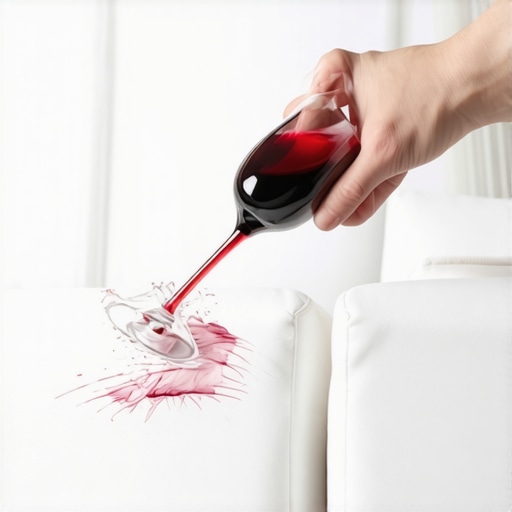
It was late in the evening when I finally decided to relax after a long day, pouring myself a glass of red wine. One sip in, I felt confident—until a sudden stumble sent my glass flying. Red wine splattered all over my pristine white sofa. Panic set in. I had no salt on hand, and instant dread took over. We’ve all been there—an unexpected spill that threatens to ruin your favorite upholstery, and you’re left scrambling for a quick fix. That moment of helplessness sparked my quest to discover effective, salt-free ways to salvage my white furniture without resorting to traditional tricks.
Why You Should Care About Red Wine Stains and Quick Fixes
Believe it or not, red wine stains are among the most stubborn upholstery problems, especially on light-colored fabrics. The natural pigmentation seeps into fibers quickly, making immediate action crucial. Early in my cleaning journey, I made the mistake of using harsh chemicals that actually set the stain further—so I know firsthand how easy it is to compound the problem if you’re not careful. Luckily, I discovered a handful of effective methods that don’t involve salt or aggressive cleaners, which can sometimes cause more harm than good. If you’re tired of battling those crimson marks and want proven, safe alternatives, you’re in the right place. For a comprehensive approach, check out this Ultimate Upholstery Care Guide.
Is Salt Really the Magic Bullet? Not Always, and Here’s Why
Early on, I believed salt was the answer—simply sprinkle, wait, then wipe. But I learned that salt can sometimes cause even more staining, especially if it interacts with the tannins in wine. Plus, it can be abrasive on delicate fabrics. That’s when I realized the importance of gentle, scientifically backed cleaning methods. According to the National Institute of Health, using the wrong cleaning agents can lock in stains or damage fibers, reducing your chances of successfully removing spills. So, what works instead? Stay tuned—I’ve uncovered methods that are not only effective but also kinder to your upholstery and your conscience.
Blotting the Spill Immediately
When the wine first spills, grab a clean, dry cloth or paper towels and gently blot the area—don’t rub, as it spreads the stain further. I remember a time I tested this on my white cotton sofa; despite the initial mess, blotting immediately limited the stain’s spread and made subsequent cleaning easier. This quick step is crucial to prevent the pigment from sinking into fibers.
Applying a Natural Cleaning Solution
Mix equal parts of white vinegar and water, then add a few drops of dish soap—this creates a gentle yet effective stain remover. Dampen a cloth with this solution and gently dab the affected area. For stubborn stains, I used this method on my fabric chair, and within minutes, the red hue faded significantly without causing any fabric damage. Always test on an inconspicuous area first.
Scraping Away Residue Carefully
If your spill has dried and left a crust, gently scrape off any dried residue with a plastic spatula or butter knife. Be careful not to damage the fabric. I learned the hard way that aggressive scratching can fray delicate fibers, so patience and gentle movements are key. This step ensures your cleaning solutions work more effectively afterward.
Using a Stain-Absorbing Material
Place a layer of clean, damp baking soda or cornstarch over the stain—these absorbents draw out the pigment. Leave it for 15-30 minutes, then vacuum or brush away. I once experimented with baking soda on a stubborn spill, and the powder visibly lightened the stain. This method is especially useful for light-colored fabrics where visible stains ruin the look.
Rinsing and Drying Properly
Dampen a clean cloth with plain cold water and lightly dab the cleaned area to remove any remaining solution. Then, gently blot with a dry towel to absorb excess moisture. Air dry the fabric or use a fan to accelerate drying. During my last attempt, proper rinsing prevented any lingering vinegar smell, keeping my furniture fresh. Avoid over-wetting, which can lead to mildew or water stains.
Repeat If Necessary
Some stains may require multiple treatments to fade completely. I once had to repeat the entire process a few times on my sofa before achieving a near-perfect result. Patience and consistency are key; rushing might embed the stain deeper or damage the fabric. If you’re unsure or dealing with delicate upholstery, consult professionals or visit [effective house cleaning secrets from cleaning experts](https://spotlesscarpetz.com/effective-house-cleaning-secrets-from-cleaning-experts) for additional tips.
Many homeowners believe that a standard cleaning routine is enough to keep their spaces pristine, but as an expert in house sanitation, I can tell you that there’s more beneath the surface. One common myth is that using commercial disinfectants guarantees germs are eliminated; however, studies show that proper manual cleaning often outperforms chemical-only approaches, especially when targeting bacteria lurking in upholstery and hidden corners. Relying solely on spray-and-wipe methods can give a false sense of security, as many cleaning products don’t effectively reach microbial reservoirs embedded in fabrics or unreachable crevices, making detailed, targeted techniques essential. A frequent mistake is neglecting the importance of mechanical action—scrubbing, brushing, or using steam—which physically removes microbes and dirt, rather than just killing surface bacteria. This oversight can leave your home harboring hidden pathogens, potentially leading to persistent odors or health issues over time. For example, upholstery can trap allergens and microbes deep within fibers, and a superficial clean won’t suffice. I’ve found that **deep cleaning upholstery with proper techniques not only refreshes your furniture but also reduces allergens and microbial load significantly**; details like using upholstery-safe steam cleaners or targeted stain treatments matter greatly. Research from the Journal of Applied Microbiology indicates that bacteria and mold develop resilience if not physically removed, underscoring why thorough mechanical cleaning is vital for genuine sanitization. Many assume that once a surface looks clean, it’s sanitized, but visual cleanliness doesn’t equate to microbial safety. A crucial nuance often overlooked is the role of environmental factors—humidity, temperature, and airflow—they influence microbial survival and should be managed alongside cleaning routines. For instance, controlling indoor humidity prevents mold growth on upholstery and ceilings, which can be a silent health threat. Additionally, overuse of scented cleaning products can mask underlying issues like mold or stale air, leading to complacency. As I’ve shared on [effective house cleaning secrets from cleaning experts](https://spotlesscarpetz.com/effective-house-cleaning-secrets-from-cleaning-experts), strategic use of proper cleaning agents coupled with mechanical action and environmental controls ensures comprehensive sanitation. For move-out scenarios, understanding these nuances can prevent deposit disputes, as landlords increasingly look for evidence of thorough cleaning—don’t make the mistake of neglecting upholstery or hidden corners. Remember, sanitation isn’t just about what’s visible; it’s about what’s beneath the surface. Have you ever fallen into this trap? Let me know in the comments.
Maintaining your upholstery and household surfaces over time requires more than just the initial cleaning — it demands the right tools combined with proven methods. From steam cleaners to specialized detergents, using equipment that truly delivers results can make a significant difference in durability and hygiene. I personally rely on a high-quality upholstery steam cleaner like the Dupray Homely Steam Cleaner, which provides deep sanitization without harsh chemicals. Its adjustable pressure settings and large water tank make it perfect for frequent use, ensuring that my furniture remains fresh and free of allergens.
For detailing stubborn stains or high-traffic areas, I turn to Microfiber Cloths treated with a gentle yet effective disinfectant spray. Microfiber’s microfibers trap microbes more efficiently than traditional cotton cloths, as supported by research from the National Center for Biotechnology Information. I prefer using alcohol-based disinfectants diluted at the correct ratio, which I prepare myself using guidance from expert house cleaning resources. These tools and solutions allow me to maintain a hygienic environment consistently.
Cleaning solutions alone won’t suffice; mechanical action is crucial. Regularly using a handheld upholstery brush in conjunction with your steam cleaner can loosen dirt embedded deep within fibers. It’s also wise to invest in a good portable vacuum with HEPA filtration to remove dust and allergens before using liquids or steam. Over time, these consistent practices preserve fabric integrity and color, extending the life of your furnishings.
Looking ahead, I predict that smart cleaning devices with IoT connectivity will become mainstream, offering tailored maintenance schedules and real-time monitoring of surface cleanliness. This advancement will empower homeowners to stay ahead of dirt and microbes without manual intervention.
So, how do I keep my upholstery working perfectly year after year? The key is integrating effective tools with strategic routines. For example, regularly running a steam cleaner over my sofa every three months keeps bacteria at bay and restores fabric fluffiness. If you’re ready to elevate your cleaning game, I highly recommend trying this method — it’s a game changer for long-term care. For more detailed strategies, check out our ultimate upholstery care guide.
Lessons I Had to Learn the Hard Way About Upholstery and Red Wine
One of the toughest lessons I learned was that rushing to scrub or using harsh chemicals can make stains worse. Patience and gentle techniques really matter.
I realized that quick action, like blotting immediately, can make a huge difference in preventing permanent damage. Speed is of the essence when dealing with upholstery spills.
Another insight was understanding that not all cleaning solutions are suitable for delicate fabrics. Testing in hidden areas prevented accidental discoloration and costly mistakes.
Tools and Tips That Changed My Approach to Upholstery Cleanup
Investing in a good upholstery brush and steam cleaner turned my maintenance routine around. These tools ensure deep cleaning without damaging fibers.
I found that microfiber cloths treated with diluted disinfectant are excellent for detailed work and maintaining hygiene on furniture surfaces.
My go-to resource for effective cleaning methods is the house cleaning secrets from cleaning experts. Their advice helped me refine my routine.
Believe in Your Power to Keep Your Home Fresh and Safe
Remember, every spill is an opportunity to improve your cleaning skills. With patience, the right tools, and knowledge, you can maintain a beautiful, hygienic home environment that lasts.
Don’t let small accidents overwhelm you. Take each challenge as a chance to learn and get better. Your home’s cleanliness reflects your care and effort—keep moving forward.
What’s been your biggest lesson in managing upholstery stains? Share below—I love hearing your stories and tips!