
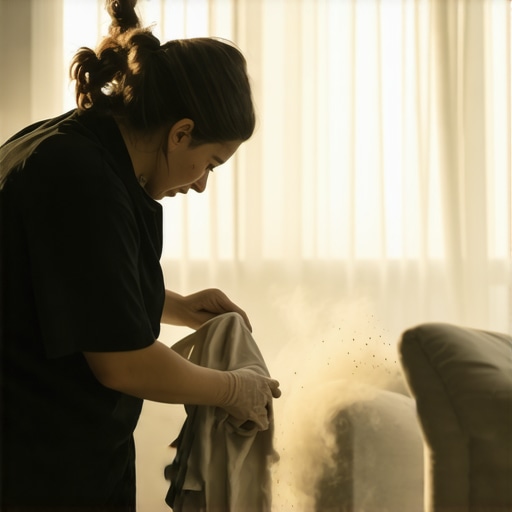
I remember the exact moment I realized my house was fighting back against my cleaning efforts. After wiping down every surface, vacuuming obsessively, and even investing in air purifiers, my home still had that persistent, unshakeable dustiness. It was as if the dust was mocking my efforts, settling in slower but definitely still there. Talk about frustrating! That light, almost invisible film of dust that refuses to go away can make you question everything you do to keep your space fresh.
Getting to the Heart of the Dust Dilemma
What I didn’t realize at first was that the problem wasn’t just my dusting technique—it was hidden factors lurking behind the scenes, like poorly maintained filters, overlooked cleaning spots, or even airborne particles from other sources. If you’re nodding along, feeling that same inexplicable dusty sensation despite your best efforts, you’re not alone. Today, I promise to reveal the common mistakes we make and share proven strategies to truly make your home gleam—not just superficially, but at the core.
Is Vacuuming Enough, or Am I Missing Something?
Early in my cleaning journey, I thought vacuuming regularly meant I was on top of dust. Wrong. Vacuum filters can trap allergens and dust particles, but if they’re clogged or outdated, they actually release dust back into the air. Outdated filters and poor airflow can turn your vacuum into dust dispersers rather than dust eliminators. I learned this the hard way when my allergies worsened, despite vacuuming every other day. Now, I make sure to use HEPA filters and replace them as recommended—something I wish I had known earlier. For more insights, check out this resource on sanitizing hacks.
So, what’s the fix? Regularly replacing filters, using the right cleaning tools, and focusing on overlooked spots like ceiling fans and top shelves can drastically improve dust control. I’ll walk you through these steps in detail shortly, but first, let’s tackle the biggest concern many have—whether all this effort is even worth it.
Master the Art of Moving Out Cleaning
When I faced my last move, I knew that a thorough move-out clean was essential to secure my deposit. I started by tackling the high-traffic areas first, like kitchens and bathrooms, using a microfiber cloth dampened with a vinegar-water solution to cut through grease and grime. For stubborn spots, I applied a paste of baking soda and water, letting it sit for 10 minutes before scrubbing with a brush. This method removed built-up dirt without harsh chemicals. To streamline the process, I followed a move-out cleaning checklist that ensured no corner was overlooked.
Eliminate Hidden Dust with Precision
After moving out, I realized overlooked spots like ceiling fans, top shelves, and behind appliances could harbor dust. I used an extendable duster for ceiling fans, which effectively trapped dust without spreading it around. For narrow spaces behind the refrigerator and dishwasher, I employed a long-handled vacuum attachment. This eliminated dust traps that contribute to lingering odors and allergies. Regularly cleaning these hidden spots is crucial; I now schedule a monthly quick inspection to prevent dust buildup, referencing a sanitizing secrets.
Sanitize Like a Pro
Sanitizing surfaces after cleaning is vital to eliminate germs. I prefer effective methods like wiping high-touch areas—light switches, doorknobs, and electronics—with disinfectant wipes. For electronics, I use a microfiber cloth lightly dampened with 70% isopropyl alcohol, which sanitizes without damage. To disinfect upholstery, I spot-clean with a steam cleaner or a mixture of equal parts white vinegar and water, tested on a small fabric area first. For a comprehensive approach, I followed effective sanitizing methods that ensure every surface is germ-free.
Deep Clean Upholstery for Refreshment
Upholstery and soft furnishings often trap dust, pet hair, and odors. I started by vacuuming thoroughly with an upholstery attachment, paying close attention to creases and seams. For fabric couches, I applied a mixture of baking soda and a few drops of lavender essential oil, sprinkling it generously and letting it sit for 30 minutes before vacuuming again. This process refreshes and deodorizes the fabric naturally. For stubborn stains, I used a specialized upholstery cleaner, following the manufacturer’s instructions. Regular upholstery care extends to curtains and cushions, which I vacuum weekly to prevent dust accumulation, following tips from the ultimate upholstery care guide.
Maintain a Truly Clean Home Daily
The key to preventing dust and grime buildup is consistency. I adopted a daily cleaning routine: wiping down kitchen counters with a natural disinfectant, sweeping high-traffic areas, and tidying clutter to reduce dust collection. Using microfiber cloths minimizes dust circulation compared to traditional dusters. I also make sure to ventilate rooms regularly, opening windows to let fresh air in, which helps reduce airborne dust and allergens. For proven daily habits, I refer to a daily cleaning routine that keeps my home perpetually fresh without overwhelming effort.
Set Up Systems for Long-Term Freshness
Replacing HVAC filters, cleaning air vents, and managing indoor humidity are critical. I schedule quarterly filter replacements and keep my humidity levels between 30-50% with a dehumidifier. Using eco-friendly air purifiers also reduces airborne dust. Additionally, implementing a weekly upholstery vacuum and steam cleaning session prevents dust from settling deep into fabrics. These proactive measures lead to a healthier living environment, making deep cleaning a maintenance task instead of a chore. Consult the secrets for a safer house to develop your personalized long-term plan.While many homeowners believe that basic cleaning tips are sufficient for a truly spotless home, there’s often a deeper layer of complexity most people miss. One common myth is that vacuuming alone removes all allergens and dust; in reality, if filters are outdated or improperly maintained, they can become sources of re-contamination. For example, replacing HEPA filters regularly isn’t just a suggestion—it’s a crucial step in minimizing airborne dust and allergens, supported by environmental health experts.
Another overlooked nuance involves upholstery care. Many assume vacuuming is enough, but fabrics can trap pollutants deep within fibers. Incorporating steam cleaning or specialized fabric treatments can ensure a higher level of hygiene, extending the lifespan of your furniture and improving indoor air quality. Check out the Ultimate Upholstery Care Guide for detailed strategies.
In move-out cleaning, a common trap is focusing solely on visible dirt and neglecting hidden spots like behind appliances or deep within grout lines. These overlooked areas harbor bacteria and mold, which can cause inspections to fail or deposits to be withheld. Employing extendable dusters and long-handled vacuums, as recommended in move-out cleaning hacks, can prevent costly mistakes.
A particularly tricky aspect that many misunderstand is sanitizing versus disinfecting. Some believe spraying alcohol or vinegar is enough, but these solutions may not be effective against all germs. Deep sanitization requires properly formulated disinfectants and correct contact times, as detailed in effective sanitizing methods. Neglecting this nuance can leave your home vulnerable to illness, especially during flu season.
Furthermore, advanced house cleaning involves understanding environmental factors—like indoor humidity—that influence dust and mold buildup. For instance, maintaining humidity levels between 30-50% can significantly reduce mold growth and dust mite proliferation, as confirmed by the CDC guidelines. Without these proactive measures, homeowners might feel they’ve cleaned thoroughly but are unknowingly inviting invisible hazards.
Are you aware of these subtleties, or have you ever fallen into one of these traps? Implementing these insights can elevate your cleaning routine from basic to expert level. For more in-depth strategies, visit our comprehensive sanitizing hacks. Remember, real cleanliness goes beyond surface appearances; it’s about mastering the unseen intricacies that make your home genuinely healthy and inviting. If you found this analysis helpful, sharing your thoughts in the comments will help others uncover their own hidden pitfalls!
Invest in Quality Equipment That Lasts
When I first started tackling deep cleaning tasks, I learned quickly that using subpar tools would cost me time and money in the long run. Now, I rely on high-quality microfiber cloths, which are more durable and more effective at trapping dust than cheap alternatives. For major tasks like upholstery cleaning, I swear by my steam cleaner, which uses pressurized hot vapor to sanitize fabrics without harsh chemicals. This tool saves me from constantly replacing hundreds of chemical-laden sprays, and it’s gentle enough to use weekly. For those moving into a new space or doing regular maintenance, investing in a professional-grade vacuum with a HEPA filter, like the Miele Complete C3, makes a noticeable difference in air quality and dust control. These tools might seem costly upfront but provide long-term savings by reducing the need for repeat cleaning and repairs, aligning with future trends leaning toward eco-friendly, long-lasting appliances. Expect this focus on durability and efficiency to grow, as consumers demand less waste and healthier indoor environments.
Master the Art of Routine Maintenance
Long-term cleanliness isn’t achieved through occasional deep cleans alone; it’s about consistent upkeep. I schedule a quick weekly upholstery vacuum, using tools recommended in the Ultimate Upholstery Care Guide. This prevents the buildup of pet hair, dust, and odors that can ruin furniture over time. Similarly, I set reminders for replacing HVAC filters, usually every three months, following advice from environmental health experts. This proactive approach ensures better air quality and reduces allergen buildup. The key to maintaining this routine is using software that syncs with your devices—apps like Todoist or Google Calendar can keep you on track. As cleaning technology advances, I predict smart tools like sensor-enabled air purifiers and robotic vacuum cleaners will become standard, making maintenance almost effortless. This shift toward automated home care means you can sustain a pristine environment with less hands-on effort.
Use Specialized Software for Home Care Scheduling
Planning your maintenance schedule with intuitive apps takes the guesswork out of long-term upkeep. I personally use a combination of dedicated home management apps and calendar alerts to remind me when to do tasks like deep cleaning carpets, sanitizing high-touch surfaces, or organizing clutter areas. These tools also help compile checklists, such as the one I follow regularly, available at move-out cleaning checklists. Integrating my routines with smart home gadgets, like air quality monitors, provides real-time data, guiding my cleaning efforts more precisely. Looking ahead, I see a future where AI-driven home maintenance systems will predict and alert homeowners about potential issues before they escalate, saving money and stress. For now, establishing a disciplined schedule with reliable apps dramatically improves long-term results and keeps your space consistently fresh.
How do I maintain a dust-free environment over time?
Consistency is everything. Regularly replacing filters, scheduling weekly upholstery and carpet care, and using smart tools for reminders make this manageable. Personally, I’ve found that a simple routine—like vacuuming with an HEPA filter every three days and wiping down high-touch areas daily—keeps dust at bay. Incorporating tools like microfiber cloths helps trap dust efficiently without dispersing it into the air. The key is to stay vigilant and adhere to your schedule; neglecting even one aspect can undo months of hard work. For a comprehensive long-term plan, I recommend exploring resources like sanitizing secrets for a safer house. As clean-tech continues to evolve, expect innovations such as self-maintaining air and water filters to simplify this process further, bringing us closer to maintenance-free homes.
What the Toughest Dirty Secrets Taught Me About Cleaning
One of my most eye-opening moments was realizing that even after rigorous cleaning, unseen grime and overlooked spots can sabotage my efforts. I once focused solely on the visible surfaces, only to discover behind appliances and within grout lines harbor hidden dirt and bacteria. It taught me the importance of inspecting every nook—sometimes the smallest forgotten spot causes the biggest issues. This insight helped me develop a more thorough routine that pays off in a genuinely cleaner home.
Tools and Tactics That Turn Cleaning into a Superpower
Investing in quality gear, like a steam cleaner for upholstery and microfiber cloths, elevated my cleaning game tremendously. Using effective tools not only made tasks faster but also more effective at eliminating allergens and germs. I trust products like HEPA-filter vacuums and extendable dusters because they help me reach tricky spots without sacrificing quality. Learning to select the right equipment was a game-changer, and I highly recommend exploring options that fit your space and needs for long-term cleanliness.
Bringing Heart and Consistency to Your House Care
Real change comes with daily habits—wiping high-touch areas, regular vacuuming, and scheduling filter replacements. Making these routines part of my life turned maintenance into an easy rhythm rather than a dreaded chore. Using reminder apps and setting small, achievable goals kept me on track. I’ve found that consistency not only preserves the initial cleaning effort but also creates a truly healthy environment for my family—an invaluable investment in peace of mind.
Curiosity Sparks Real Cleanliness Insights
- Don’t assume vacuuming alone will suffice: Outdated filters can release trapped dust back into your home, creating a cycle of contamination. Regular filter changes are essential—check out sanitizing hacks to learn more.
- Upholstery demands more than vacuuming: Fabrics trap pollutants deep within fibers. Incorporating steam cleaning or fabric-specific treatments extends furniture life and improves indoor air quality. See the ultimate upholstery care guide for tips.
- Hidden spots are silent dirt reservoirs: Behind appliances or on top of cabinets, they’re often neglected but crucial for a truly clean home. Use extendable tools—like in the move-out cleaning hacks—to reach these areas easily.
- Effective sanitizing involves proper tools and techniques: Not all solutions are created equal. Verify that your disinfectants have the right contact time and formulation. Read more in effective sanitizing methods.
- Humidity and airflow are underappreciated allies: Maintaining indoor humidity between 30-50% prevents mold and dust mites. Following CDC guidelines can help in creating a healthful environment.
Empower Your Cleaning Routine and Embrace a Healthier Home
Applying these lessons transforms your cleaning from a task into a lifestyle that promotes wellness and comfort. Embrace the power of quality tools, watch for hidden spots, and keep up with daily habits—your future self will thank you. Remember, the ultimate goal is a home where every corner radiates freshness and health. Start integrating these insights today, and watch your space—and your confidence—flourish.
What overlooked spot has caught you off guard in your cleaning routine? Share your stories below—I’d love to hear your experiences!