
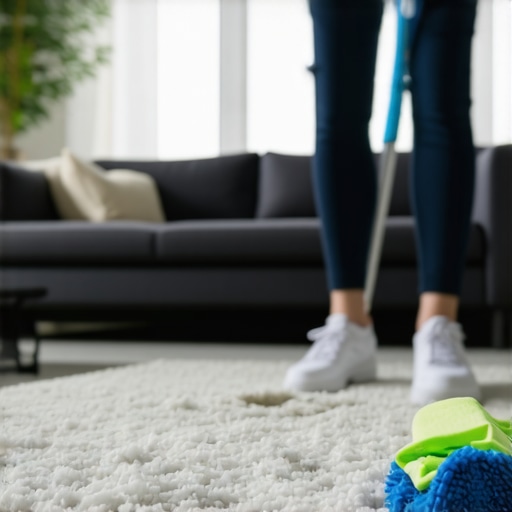
I vividly remember the moment I realized my trusty microfiber cloths weren’t doing their job anymore. I was in the middle of a house cleaning marathon—wiping down countertops, dusting shelves—and instead of that satisfying, dust-free shine, I was left with smudges and missed spots. It felt like my favorite cleaning tool had betrayed me. Frustration bubbled up. Why had my microfiber cloths suddenly become useless?
Understanding the Dust-Hungry Nature of Microfiber
Microfiber cloths are celebrated for their ability to trap dust, dirt, and microbes effectively—if used correctly. They work thanks to their tiny fibers, which attract and hold particles. But here’s the thing: over time, your cloths can lose their grip, and dust starts to slip right back onto your surfaces. So, what’s going wrong?
Is Your Cloth Still Effective—or Just Old Rags?
In my early days of cleaning, I made the mistake of using the same microfiber cloths for months without proper maintenance. To be honest, I didn’t realize that these cloths need special care if they’re to stay effective. According to cleaning experts, failure to wash microfiber regularly or using fabric softeners can clog those tiny fibers, reducing their dust-catching power. It’s a common mistake, but one that costs you in the end.
Have you faced this problem yourself? Maybe your microfiber cloths seem to just spread dust instead of picking it up—the same frustrating cycle I was stuck in. If so, don’t worry. The fix is simpler than you think, and it starts with understanding how to care for your cloths properly.
What We’ll Cover Next
In the following sections, I’ll share hands-on tips to revive your microfiber cloths, ensuring they perform like new again. We’ll explore proper cleaning techniques, best practices for storage, and ways to identify when it’s time to replace them. Before we dive into that, let’s address a common skepticism—serving as a reminder that even the best tools can be restored with the right approach.
Deep Clean Your Microfiber Cloths Regularly
Start by washing your microfiber cloths after each use with hot water and a mild detergent to remove trapped dust and oils. Avoid fabric softeners and bleach, as they clog fibers and reduce effectiveness. I learned this lesson the hard way when my cloths became stiff and ineffective, but after switching to regular washing with gentle detergent, I noticed a significant improvement.
Learn the Proper Washing Technique
Use the Right Temperature and Detergent
Set your washing machine to hot water and use a small amount of a gentle, microfiber-safe detergent. Hot water helps break down oils and residues that can clog fibers. A quick visit to effective house cleaning secrets provides tips for maintaining cleaning tools.
Avoid Fabric Softeners and Dryer Sheets
Eliminate fabric softeners and dryer sheets from your laundry routine. They coat fibers, diminishing their dust-attracting properties. In my experience, skipping these products kept my cloths soft and highly effective.
Dry and Store Properly
Air dry your microfiber cloths or tumble dry on low heat. Ensure they are completely dry before storage to prevent bacteria growth. Store them in a clean, dry place to maintain their dust-trapping ability. Proper storage also prevents the fibers from becoming misshapen, ensuring maximum effectiveness every time.
Identify When It’s Time to Replace
Despite proper care, microfiber cloths degrade over time. Replace them when fibers become frayed or after about 50 washes. Recognizing these signs prevents smudges and missed spots during cleaning. For more on maintaining a spotless home, visit house cleaning strategies.
Special Tips for Stubborn Dust
If your cloth has become less effective, try heating it briefly in the microwave for a few seconds while it’s damp to boost its dust-absorbing power. Just ensure the cloth is slightly damp and remove it promptly. This quick trick can rejuvenate old cloths temporarily, saving you money and effort.
Many homeowners believe they know the basics of upholstery care, sanitizing, and move-out cleaning, but countless misconceptions persist. One widespread myth is that high-temperature washing alone guarantees germ-free fabrics, yet overexposing delicate upholstery to extreme heat can damage fibers and weaken their structure, according to industry experts. Conditioning your understanding with advanced cleaning techniques can prolong the life of your furnishings and ensure optimal hygiene.
Are You Falling for These Upholstery Cleaning Traps?
For instance, many think that using bleach on fabrics is effective, but improper chemical use can lead to discoloration and fabric deterioration. A study published in the Journal of Textile Science highlights that bleach can weaken the fiber bonds, rendering upholstery more prone to tears over time. It’s crucial to select cleaning agents tailored specifically for your material, and to balance cleaning effectiveness with fabric safety. Moreover, many assume that sanitizing sprays kill all germs instantly; however, some disinfectants require proper dwell time to be effective, as outlined by the CDC. Rushing through the process reduces their efficacy, leaving behind hidden microbial threats. One advanced nuance often overlooked is the importance of thorough drying post-cleaning. Moisture trapped within upholstery or carpets can foster mold growth, silently compromising indoor air quality. Techniques like using HEPA-filtered dryers or air movers can mitigate this risk; neglecting proper drying can turn a cleaning session into an unintended health hazard. When preparing for a move-out clean, the focus often shifts solely to surface dirt, neglecting the microbes lurking behind cushions or within crevices. Deep cleaning these hidden areas not only secures your security deposit but also ensures a truly hygienic environment. It’s worth noting that rushing through move-out cleaning without following a detailed checklist can lead to missing critical spots—details that could cost you your deposit, or worse. For comprehensive strategies, visit this guide. Remember, effective house cleaning isn’t about aggressive scrubbing alone but involves understanding material sensitivities and employing targeted techniques. For example, overzealous use of steam cleaners on delicate drapery can cause shrinkage or damage. Likewise, using the wrong cleaning tools, like cotton rags instead of microfiber, can spread dirt rather than remove it. These nuanced mistakes often happen when we overlook advanced advice shared by cleaning professionals. To deepen your knowledge, explore this comprehensive upholstery care guide. Have you ever fallen into this trap? Let me know in the comments, and share your experiences with surprising cleaning pitfalls.
Invest in Professional-Grade Equipment for Long-Term Results
When it comes to maintaining a spotless home, having the right tools is crucial. I personally rely on a high-quality steam cleaner, like the Wagner Steam Clean Pro, which delivers deep cleaning without harsh chemicals. Its adjustable steam pressure allows me to sanitize upholstery, tile grout, and even curtains, ensuring thorough disinfection. This investment not only improves cleaning efficiency but also extends the lifespan of your fabrics by avoiding abrasive methods.
Choosing the Right Vacuum Cleaner
My go-to is the Dyson V11 Torque Drive. Its powerful suction and smart filtration system make quick work of pet hair, dust, and allergens, which is vital for long-term health and cleanliness. I appreciate its maneuverability and cordless design, enabling me to reach awkward spots like behind furniture without hassle. Regular use of a reliable vacuum is fundamental in preventing dust buildup that can degrade upholstery over time.
Utilize Eco-Friendly and Effective Cleaning Solutions
Switching to natural-based cleaners like white vinegar and baking soda enhances sustainability while maintaining effectiveness. I use a mix of vinegar and water in a spray bottle for sanitizing surfaces, which is safe for fabrics and safe for the environment. Also, investing in professional-grade fabric refreshers helps keep upholstery smelling fresh without relying solely on frequent washing, which can wear fabrics prematurely.
Implement Routine Maintenance for Longevity
Developing a cleaning schedule is key. I set weekly reminders to vacuum, spot clean upholstery, and run my steam cleaner. This habit prevents dirt and microbes from embedding deep into fibers, making each cleaning session more manageable and less time-consuming. Additionally, scheduling biannual professional deep cleans, like those offered by house cleaning experts, renews the surfaces and extends their usable life.
How do I keep my tools functioning well over time?
Regular maintenance is essential. For my steam cleaner, I flush the system after each use, descale it monthly with vinegar, and replace filters annually. For the vacuum, I check and replace filters, brushes, and bags as needed. Proper storage in a dry, protected space prevents damage. This proactive approach minimizes downtime and ensures consistent performance, saving money in the long run.
Predicting Cleaning Trends and Future Tech
Looking ahead, advancements in ultrasonic cleaning and smart sensors will likely revolutionize home maintenance. Devices will become more intuitive, alerting you when filters need replacing or when certain surfaces require attention. Staying updated with these innovations ensures your tools remain effective and efficient.
How do I maintain my cleaning tools over time?
Establishing a routine of proper cleaning, descaling, and storage extends the lifespan of your equipment. Regularly checking for wear and tear prevents unexpected breakdowns, saving you from costly replacements. For expert tips on maintaining a hygienic home environment, explore effective sanitizing methods and incorporate them into your routine.
As a final tip, try the trick of using a microfiber cloth dampened with a vinegar-water solution to quickly refresh your upholstery between deep cleans. This simple step can keep your furnishings looking and smelling fresh longer, reinforcing the importance of consistent care. Remember, maintaining your tools is just as vital as choosing the right ones—proper care ensures they serve you effectively for years to come.
Lessons That Took Me Longer to Learn Than I Expected
One of the biggest revelations in my cleaning journey was realizing that microfiber cloths aren’t forever magic; they require proper care to maintain their dust-trapping prowess. It took me countless frustrating moments before understanding that washing them with fabric softeners actually diminishes their effectiveness—and that storing them in a dry, clean space prevents microbes from thriving. These lessons underscored the importance of routine maintenance, and now I see cleaning not just as a chore but as a mindful practice that preserves my home’s hygiene.
Another common misconception I had was that high-temperature washing instantly sterilizes everything. Turns out, without the right detergents and drying methods, bacteria and dust mites can cling on, especially in upholstered furniture. This realization prompted me to adopt a more nuanced approach—using natural cleaners like vinegar and baking soda, and ensuring thorough drying. This shift not only keeps my upholstery fresh but also extends its lifespan, reminding me that effective cleaning integrates both science and patience.
Finally, I learned the hard way that rushing through move-out cleaning with a superficial approach can cost more than a few missed spots—it could mean losing a security deposit. The key was adopting a detailed checklist that covers hidden corners, behind appliances, and upholstery crevices. Recognizing the importance of deep cleaning in these overlooked areas was a turning point, making me appreciate the value of deliberate, strategic efforts over quick fixes.
Tools That Turn Cleaning Into a Joy, Not a Burden
Over time, I’ve come to trust a handful of tools that transform house cleaning from a headache into a manageable routine. My go-to is the high-quality steam cleaner that sanitizes thoroughly without chemicals—it’s gentle on fabrics but tough on germs. For vacuuming, the Dyson V11 Torque Drive has become indispensable, especially with its ability to reach tricky spots and trap allergens. Natural solutions like vinegar sprays and baking soda powders not only cut costs but also keep my furniture smelling fresh, aligning with my eco-friendly values. Investing in these tools has paid off in cleaner air, longer-lasting furnishings, and a more confident approach to maintaining my home.
To ensure these tools serve me well, I stick to a regular maintenance schedule—flushing out my steam cleaner, replacing filters, and storing everything in a dry space. It’s a routine that saves me money and guarantees consistent results. Watching the industry evolve with smart sensors and ultrasonic devices inspires me to stay informed, aiming to leverage future innovations that could make upholstery and house cleaning even more efficient and satisfying.
Take a Step Toward a Happier, Clean Space Today
The secret to effective upholstery and house cleaning isn’t just about tools or tricks—it’s about adopting a mindset that values care, consistency, and a bit of patience. Every time I follow through with proper washing, strategic storage, and routine deep cleans, I see the difference—not just in my home’s appearance, but in my peace of mind. You have the power to transform your cleaning routine into a rewarding ritual that leaves your space healthier and more inviting. Remember, small daily actions compound into big improvements over time, so start today.
What’s the one cleaning tip you swear by that others might overlook? Share your secrets below and let’s learn from each other’s experiences!