
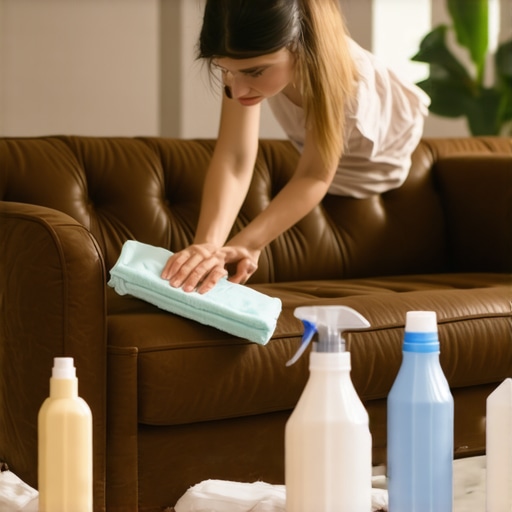
Have you ever found yourself elbow-deep in cleaning solution, desperately trying to make your beloved leather sofa look flawless, only to end up with streaks, cracks, or worse—more stains? That lightbulb moment hit me hard when I realized I’d been gouging my sofa with baby wipes, thinking I was doing the right thing because, well, they’re so convenient. But in reality, I was unknowingly causing more harm than good, and my leather was crying out for help.
Why Baby Wipes Are a Bad Idea for Leather Furniture
The truth is, many common household items touted as cleaning miracles, like baby wipes, aren’t suited for sensitive surfaces like leather. Baby wipes often contain chemicals and alcohol that can dry out and damage the leather’s natural oils, leading to cracks and premature aging. I learned this the hard way early on, because I didn’t do my homework and simply followed the promise of quick wipes. The mistake? Assuming all cleaning wipes are gentle enough for every surface. According to the house cleaning experts, using inappropriate products on leather can void warranties and decrease its lifespan.
This realization prompted me to seek safer, more effective methods that preserve not just the appearance but the integrity of my furniture. Today, I’ll share what I did differently—what actually works to clean and protect your leather sofa without risking damage. If you’re tired of playing a painful game of clean or crack, stay with me. The steps I’ll outline have been a game-changer for my home, and I believe they can be for yours, too.
Prepare Your Workspace and Gather Supplies
Before diving into cleaning, clear your living area of clutter to avoid accidental spills or mishaps. Gather soft microfiber cloths, a gentle leather cleaner (preferably pH-balanced), distilled water, and a leather conditioner. I recommend starting with a clean, dry cloth to remove surface dust. During my first overhaul, I found that avoiding harsh chemicals and using distilled water prevented streaks and additional damage.
Test a Small Hidden Area First
Always test your cleaner on a discreet part of the sofa—such as underneath a cushion—to ensure it doesn’t discolor or dry out the leather. This step saved me from widespread damage when I accidentally used an ammonia-based cleaner. Think of it as a dress rehearsal; it minimizes surprises and helps you choose the safest products.
Gentle Cleaning Technique
Wipe in Circular Motions
Dampen a microfiber cloth with a mixture of distilled water and a few drops of leather cleaner. Wipe the surface gently in circular motions to lift dirt without excessive moisture. I once tried a harsh scrub, which left scratches—something we want to avoid. Remember, the goal is delicate removal, like petting a kitten—not scrubbing a stubborn stain.
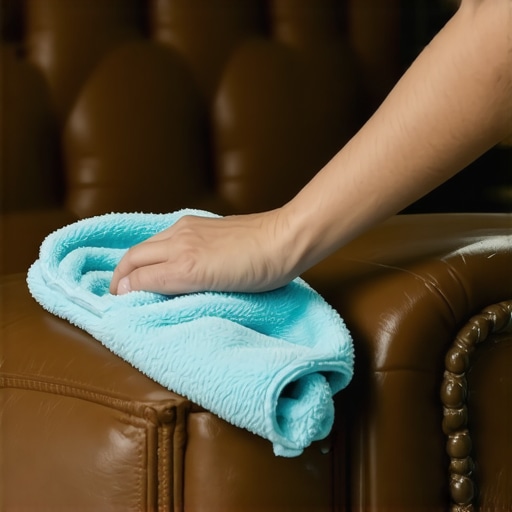
Picture a soft cloth gently wiping a leather sofa, illustrating gentle cleaning techniques.
Avoid Over-Wetting
Leather is like human skin—too much moisture can cause swelling or cracks. Wring out your cloth thoroughly so it’s just damp, not soaked. My mistake was using a dripping cloth; it led to water spots. This careful approach preserves the leather’s natural oils and elasticity.
Removing Stubborn Stains
For stubborn spots, apply a small amount of cleaner directly to the stain or use a minimal amount on your cloth. Test first, then gently dab—don’t rub aggressively. I learned from personal mishaps that aggressive wiping can deepen stains or cause peeling. Patience and gentleness are key, much like massaging a sore muscle.
Condition and Protect
Once the surface is clean and dry, apply a high-quality leather conditioner to replenish essential oils. Follow the product instructions carefully. I noticed my sofa stayed softer and looked more vibrant after conditioning. This step acts like a moisturizer for your skin—preventing cracks and prolonging the furniture’s lifespan.
Regular Maintenance to Keep Leather Fresh
Establish a routine—dust weekly, clean monthly, and condition quarterly. A consistent schedule prevents dirt buildup and keeps your sofa looking new longer. During a move-out clean, I took extra care by following [move-out cleaning hacks](https://spotlesscarpetz.com/move-out-cleaning-hacks-ensure-your-deposit-refund), ensuring the furniture’s condition was spotless and ready for inspection.
Many homeowners believe that following popular cleaning routines guarantees a spotless, germ-free home, but in my experience, there are subtle pitfalls many overlook. For instance, while everyone emphasizes the importance of regular vacuuming, few realize that using the wrong attachment or neglecting to replace filters can actually circulate more dust and allergens into the air. Studies from the cleaning experts highlight that improper vacuum maintenance can reduce its effectiveness, leading to dust buildup rather than removal.
A common myth is that bleach or harsh disinfectants are always the best sanitizing agents. However, overusing such chemicals, especially on upholstery or delicate surfaces, can cause discoloration, deterioration, or even health issues due to chemical residues. The secret lies in understanding the material-specific cleaning needs and selecting appropriate products—like pH-balanced cleaners for upholstery or natural disinfectants for sensitive areas.
When it comes to move-out cleaning, many tenants focus solely on visible dirt, assuming that a surface clean is enough to secure the deposit. But experts warn that invisible grime often hides behind appliances, inside vents, or under baseboards. Failure to address these areas can lead to deductions or disputes. For an in-depth checklist, check out our move-out cleaning guide designed for thoroughness.
Spot cleaning upholstery, in particular, presents nuanced challenges. Many believe that simply blotting stains removes them. Yet, aggressive blotting or improper agents can embed stains further or damage fibers. Instead, knowing the correct solvent and technique—like using a gentle dabbing motion with a suitable cleaner—ensures both stain removal and fabric preservation. For more expert tips, explore upholstery care strategies.
One advanced tip is understanding how cleaning frequency impacts microbial buildup. Regular cleaning isn’t just about appearance but also about health. According to a 2025 sanitation study, infrequent cleaning can lead to biofilm formation in hidden areas, creating environments ripe for bacteria and mold. Therefore, integrating deep cleaning sessions periodically can make a significant difference.
Have you ever fallen into this trap? Let me know in the comments. Recognizing these nuances helps elevate your cleaning game from basic to expert, ensuring your home isn’t just looking good but truly healthful and well-maintained.
Staying on top of house maintenance and deep cleaning requires the right arsenal of reliable tools and techniques. Over time, I’ve tested various equipment and software to optimize my cleaning routines, ensuring long-term results and efficiency. Investing in quality gear not only saves time but also extends the lifespan of your furniture, upholstery, and home surfaces.
How do I maintain my cleaning tools so they keep performing at their best?
One essential tip is regularly cleaning and replacing vacuum filters. For example, I use the HEPA filters in my vacuum and ensure they are cleaned every month to prevent clogging and maintain suction power. Additionally, I replace filters every six months or after a certain number of hours of use — a practice recommended by cleaning professionals. This routine guarantees that dust and allergens are effectively captured, resulting in a cleaner and healthier environment.
In terms of software, I rely on a house cleaning app that helps me schedule and track routine chores, ensuring nothing slips through the cracks. Digital tools like this are becoming increasingly valuable for maintaining consistency, especially during busy periods or when managing move-out cleanings. As the trend towards automation advances, I predict that smart home systems integrated with maintenance schedules will become standard, providing real-time alerts when equipment needs servicing or cleaning.
What equipment is a game-changer for upholstery or move-out cleaning?
For upholstery, I swear by a high-powered, handheld steam cleaner. It penetrates deep into fibers without harsh chemicals and helps remove stains and sanitize fabric safely. The ultimate upholstery care guide emphasizes the importance of choosing models with adjustable steam levels and a variety of attachments for corners and crevices. This versatility makes quick work of tough spots on sofas, curtains, or mattresses.
During move-out cleaning, a powerful, commercial-grade vacuum with HEPA filtration can drastically reduce dust, pet hair, and allergens that often persist after tenants depart. I normally use a machine that features a motorized brush head, which helps dislodge stubborn dirt from carpets and rugs, ensuring the property looks pristine for inspection. Pairing this with microfiber mops and steam cleaners for hard surfaces creates a comprehensive cleaning routine that is both efficient and effective.
Why is consistent maintenance key for lasting results in cleaning?
Consistent upkeep not only preserves your home’s beauty but also prevents small issues from turning into costly repairs. Regularly sanitizing high-touch areas with proper disinfectants reduces germ buildup; thorough dusting prevents allergen accumulation; and routine deep cleans prolong furniture durability. For example, adopting a daily cleaning schedule minimizes overall effort and keeps home environments safe and inviting.
Looking ahead, integrating smart devices — such as robotic vacuums that connect to your smartphone — will further streamline maintenance by providing real-time status updates and automating routine tasks. As technology advances, maintaining your cleaning arsenal will become more intuitive and less time-consuming, allowing you to enjoy a healthier, more comfortable home.
If you’re ready to elevate your cleaning game, I recommend starting with a quality HEPA-filter vacuum and setting up a regular maintenance schedule. These small investments go a long way in achieving long-term cleanliness and peace of mind. Remember, proper tools and consistent habits are the foundation of a spotless home that stands the test of time.
Over my years of caring for my home, I’ve discovered that some of the most seemingly simple cleaning habits can have profound impacts on our beloved furniture. One of the most valuable lessons I learned was the importance of understanding your materials and choosing the right tools—something that prevented my leather sofa from aging prematurely. The key takeaway? Never underestimate the power of gentle, material-specific cleaning routines tailored to leather furniture’s unique needs.
What Nobody Tells You About Leather Preservation
Many of us fall into the trap of quick fixes—using anything from baby wipes to alcohol sprays—thinking we’re saving time. But what I found is that these shortcuts can do more harm than good, causing cracks and loss of suppleness. The real secret is that preserving leather’s natural oils through consistent, proper conditioning is what keeps it looking vibrant and feeling soft for years. My lightbulb moment was realizing that caring for leather isn’t a one-time task but a continuous practice rooted in understanding its delicate nature.
My Game-Changing Recommendations for Lasting Leather Freshness
On my journey, a few tools and resources stood out as lifesavers. First, a high-quality pH-balanced leather cleaner became my go-to, ensuring I cleaned without stripping essential oils. I also swear by microfiber cloths—they’re gentle yet effective at trapping dirt without abrasiveness. Additionally, I rely on the ultimate upholstery care guide for expert tips that have kept my sofa looking brand new. Lastly, periodic deep conditioning with a premium leather conditioner rejuvenates the surface, preventing cracks and fading—it’s like giving your sofa a spa day.
Transform Your Approach and See the Difference
Taking the time to learn about your furniture’s material and investing in the right supplies has transformed how I view home maintenance. Now, my leather sofa remains soft, supple, and stunning, even after years of use. The consistent application of gentle cleaning and conditioning routines is a practice I passionately recommend—your sofa’s lifespan depends on it. By embracing these gentle, informed methods, you ensure your furniture not only looks beautiful but also ages gracefully, saving you money and heartache in the long run.
What’s one wrong cleaning habit you think might be hurting your leather furniture? Share your experience below—I’d love to hear your stories and help troubleshoot!