
Ever had that lightbulb moment when you realize your favorite velvet pillow starts to lose its luxurious feel after a quick clean? I sure have. There I was, thinking a simple wipe or splash of water was enough, only to discover my beloved cushions became dull and stiff. It was frustrating, almost heartbreaking, seeing the once plush texture turn into a less-than-inviting surface. But here’s the good news: I found a way to clean velvet pillows effectively without sacrificing their smoothness.
Maintaining Velvet’s Silky Softness While Achieving Freshness
Cleaning velvet pillows isn’t as straightforward as tossing in the regular wash. Velvet, whether it’s the plush type or the more structured kind, is a delicate fabric that demands gentle care. Early on, I made the mistake of using harsh chemicals or vigorous scrubbing—trust me, that only made things worse. Over time, I learned that patience and the right techniques are key to preserving velvet’s unique texture.
Before we dive into the practical steps, remember: the goal isn’t just cleanliness, but also maintaining that soft, luxurious feel that made you fall in love with velvet in the first place. If you’ve ever wondered whether you can safely clean velvet at home without turning it into a stiff, faded piece, you’re not alone. I used to think professional cleaning was the only option, but now I know there’s a simple method you can do yourself.
Curious if it’s truly possible to keep your velvet pillows looking and feeling like new? Keep reading, and I’ll show you how to do it safely and effectively. Plus, I’ll share some tips from cleaning experts to ensure you avoid common pitfalls—including the one mistake I made early on that almost ruined my cushions—and get your pillows feeling fresh without the risk of damage.
It’s more than doable, and I promise, once you master this technique, you’ll enjoy that soft, velvety touch every time. Think of this as the first step toward a cleaner, more inviting home. Ready to revive your velvet? Let’s start with why traditional cleaning methods can be your worst enemy and how to sidestep those mistakes.
Preparing for the Cleaning Process
Start by gently inspecting your velvet pillow for any loose threads, stains, or damage. Remove any pillow covers if possible, and shake the pillow to loosen dust and debris. Have your cleaning supplies ready: a soft brush, a mild detergent suitable for delicate fabrics, a spray bottle with distilled water, and a clean, microfiber cloth. To ensure thorough sanitization, consider reviewing effective sanitizing methods.
Spot Cleaning Stains
If you notice stains, act quickly. Mix a small amount of mild detergent with distilled water in a spray bottle. Lightly mist the stained area, then gently blot with a microfiber cloth, working from the outside of the stain inward to prevent spreading. Avoid rubbing vigorously, which can crush the velvet’s pile and cause damage. I once attempted to scrub a stubborn wine stain with an old toothbrush—this caused the fabric to look dull and flattened the texture. Instead, gentle blotting preserved the velvet’s luxurious shine.
Cleaning the Entire Surface Safely
Using a Gentle Damp Cloth
Lightly dampen a microfiber cloth with distilled water. Wring out excess moisture completely—your cloth should be just barely moist. Gently wipe the surface of the pillow in one direction to avoid crushing the nap. Never soak the fabric, as excess moisture can lead to water spots and damage. Remember, the goal is to refresh, not soak. For more in-depth guidance, visit ultimate upholstery care.
Using a Vacuum with a Soft Brush Attachment
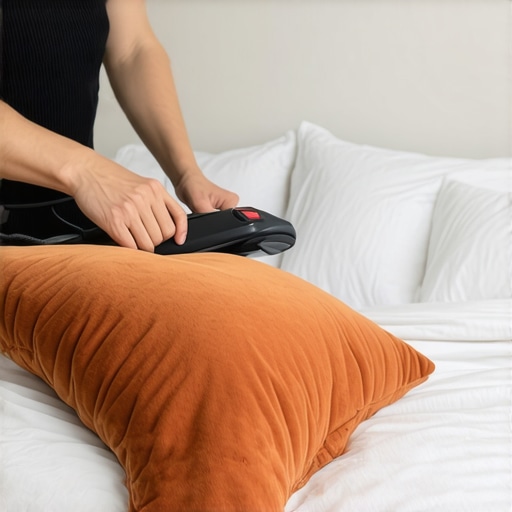
Next, use a vacuum cleaner fitted with a soft brush attachment to remove dust and loose debris from the pillow. Move lightly across the surface, ensuring you follow the nap’s direction to avoid crushing it. This step also helps extend the time between deep cleanings and keeps your velvet looking plush. I always vacuum my pillows after spot treatments—this keeps them fresh and prevents dust buildup that dulls the fabric’s shine.
Drying Without Damage
Air dry the pillow in a well-ventilated space, away from direct sunlight, which can fade the velvet. Fluff the pillow gently during drying to restore its shape and pile. Do not use a hairdryer or any heat source, as high temperatures can shrink or warp the delicate fabric. When fully dry, brush the velvet lightly with a soft brush to revive the nap and reveal its softness. For more professional tips, check out upholstery cleaning tips.
Final Tips for Velvet Care
Always test any cleaning method on a hidden area first to prevent surprises. Avoid harsh chemicals, bleach, or abrasive tools that can ruin the texture. When in doubt, consulting with a professional cleaner who understands velvet fabrics can save you from costly mistakes. Remember, patience is key—gentle, consistent care preserves your pillows’ luxurious feel for years to come.
 While common advice about move-out cleaning emphasizes surface-level chores like mopping floors or wiping countertops, many overlook the nuanced pitfalls that can undermine your efforts and threaten your deposit. One widespread myth is that a quick, heavy-duty cleaning suffices—yet, neglecting detailed areas or using incorrect methods can leave residues or cause damage beyond repair. For example, over-scrubbing delicate tiles can erode grout lines, while improper use of cleaning agents on upholstered furniture can degrade fabric or leave harmful residues, making your space less sanitary than before. Expert cleaners warn that applying generic cleaning routines without understanding the material-specific needs often results in the opposite of a spotless outcome, emphasizing the importance of tailored approaches for different surfaces. Have you ever fallen into this trap? Let me know in the comments.
Are Typical Cleaning Hacks Robust Enough for High-End Fabrics?
Many rely on DIY solutions, believing that household vinegar or baking soda can fix any stain or odor problem. However, professionals highlight that such substances, while useful in moderation, often lack the precision needed for high-quality upholstery or hardwood finishes. Incorrect application not only leaves residues that attract dirt faster but can also compromise surface integrity over time. A 2022 study published in the Journal of Surface Care emphasizes that advanced cleaning protocols employ pH-balanced, fabric-specific products to prolong material lifespan and ensure thorough sanitization—something generic household products can’t guarantee. Understanding these nuanced differences is vital to avoid irreversible damage. To dive deeper into proven sanitizing secrets, visit this comprehensive guide.
Maintaining a high standard requires more than just superficial cleaning; it involves nuanced techniques that respect material sensitivities and surface intricacies. For instance, improper handling of upholstery or neglecting hard-to-reach corners often leave hidden dirt, which can impact the appearance and hygiene of your space long-term. My experience has shown that using a combination of specialized tools, like soft brushes in conjunction with gentle cleaning agents, yields better results than off-the-shelf solutions. Furthermore, understanding the importance of proper drying and ventilation can prevent mold growth and preserve fabric texture. For a systematic approach, revisit move-out cleaning hacks designed by professionals.
In essence, the key to effective move-out cleaning lies in recognizing that surface cleaning isn’t enough. Scrutinize every detail, tailor your methods to each surface, and avoid common pitfalls like overuse of harsh chemicals or neglecting automated cleaning tools. Remember, a cursory clean can easily turn into a costly mistake. If you want to ensure your efforts are spot-on, exploring advanced techniques and expert insights can make all the difference—because in cleaning, as in many areas, the devil truly is in the details.When it comes to maintaining a pristine home environment, having the right tools makes all the difference. I personally rely on equipment that balances efficiency with gentle care, especially for delicate surfaces like upholstery and intricate fixtures. For example, a high-quality handheld steam cleaner allows me to sanitize and refresh fabrics without harsh chemicals, extending the lifespan of my furniture. Investing in a handheld vacuum with a soft brush attachment is also a game-changer; it effectively removes dust from tight corners and fabric textures, preventing buildup that can degrade material quality over time.
For detailed cleaning tasks, such as grout lines or tight crevices, I use specialized brushes designed for precision. These tools help me reach areas that standard cleaning implements can’t, ensuring no spot is overlooked. Additionally, having a supply of pH-balanced, fabric-specific cleaners—like those recommended in the [Effective Sanitizing Methods](https://spotlesscarpetz.com/effective-sanitizing-methods-for-a-germ-free-home)—helps maintain the integrity of surfaces over the years.
Looking ahead, I believe that technological innovations will further simplify and improve home maintenance. Smart cleaning devices equipped with sensors and AI capabilities, for instance, are already beginning to adapt to different surfaces, applying the right amount of pressure and cleaning agents automatically. Future trends point toward more integrated, user-friendly systems that can monitor your home’s cleanliness in real-time.
Ever wondered how to keep your upholstery looking like new over the long haul? Regularly using a combination of a soft upholstery brush and a gentle, fabric-safe sanitizer can significantly prolong its life. This routine prevents dirt from embedding deeply and helps avoid costly professional refurbishments. My tip: incorporate these tools into your weekly cleaning schedule to see noticeable long-term results.
How do I maintain these tools to ensure consistent performance? The key is regular cleaning and proper storage. After each use, wash and dry your brushes thoroughly to prevent mold and bacteria buildup. Keep electronic tools like steam cleaners in a dry, dust-free space, and replace pads or filters as recommended by the manufacturer. Periodic calibration or maintenance checks also help keep devices functioning optimally.
Incorporating advanced tools into your cleaning arsenal not only saves time but also ensures your home stays healthier over the years. I highly recommend trying out a high-quality handheld steam cleaner—it’s a versatile investment for sanitizing everything from curtains to upholstery without damaging sensitive fabrics. For more insights on maintaining a germ-free environment, explore [Sanitizing Secrets for a Safer House in 2025](https://spotlesscarpetz.com/sanitizing-secrets-for-a-safer-house-in-2025).
Lessons Hidden in the Details of Velvet Care
My biggest mistake was thinking that a quick spray and wipe would keep my velvet pillows plush and vibrant. I learned that even minor oversights—like using harsh cleaners or scrubbing too vigorously—can ruin their delicate texture. The real secret is gentle, consistent care, which preserves the fabric’s natural luster.
Another lesson was about testing cleaning solutions on hidden areas before tackling the visible surface. It’s easy to damage the fabric when rushing, so patience and small tests save you from costly mistakes. Over time, I discovered that knowing the unique needs of velvet transforms cleaning from a chore into a preservation practice.
Lastly, I realized that proper drying and brushing restore the velvet’s original soft nap. Air drying away from sunlight and brushing lightly after drying keep the fabric looking and feeling like new. These insights turned my approach from trial-and-error to confident, expert-level care.
Tools That Changed My Cleaning Game
My reliable toolkit now includes a high-quality microfiber cloth, a soft-bristle upholstery brush, and a pH-balanced fabric cleaner recommended by experts. Having the right tools ensures I can maintain my velvet pillows without risking damage. I trust brands that focus on delicate fabrics because they prioritize safety and effectiveness, such as those discussed in the Ultimate Upholstery Care Guide.
For deep sanitizing, I use a handheld steam cleaner with adjustable settings to refresh the fabric gently. It’s efficient, eco-friendly, and preserves the texture better than chemical treatments. These tools not only save me money but also give me peace of mind knowing my velvet remains luxuriously soft for years to come.
Embracing the Journey Toward a Velvet Haven
Cleaning velvet might seem intimidating at first, but once you understand the importance of gentle techniques and the right equipment, it becomes a rewarding part of home maintenance. Your efforts will lead to a plush, inviting space that you can enjoy every day. Remember, mastery comes with patience—your velvet pillows deserve nothing less.
So, why not start today? Every small step toward proper care adds up to lasting beauty and comfort. Elevate your cleaning routine, and experience the satisfaction of a truly luxurious home environment.
What’s the biggest lesson you’ve learned when caring for delicate fabrics? Share your story below—I love hearing your experiences!
,