
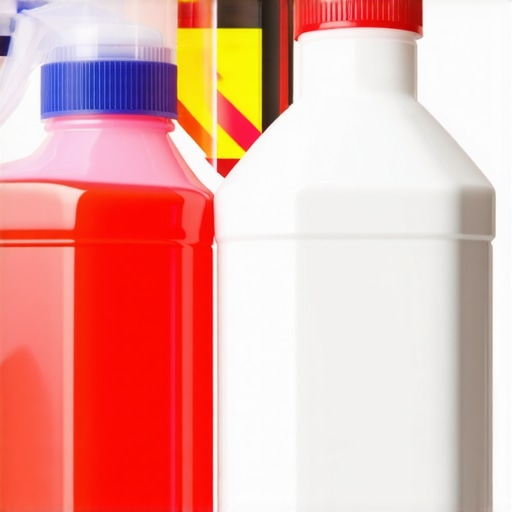
It was just another Saturday morning, and I was in a rush to finish a quick house refresh before a weekend visit. As I reached for my trusty spray bottles, I absentmindedly grabbed both a bottle of bleach and a bottle of ammonia. Without a second thought, I sprayed them in the same room—big mistake. The acrid fumes hit me instantly, making me cough and causing my eyes to water. That moment was a lightbulb flickering on in my mind: I’d been risking my health just because I didn’t understand what these chemicals could do when combined.
Why Mixing Household Cleaners Is More Dangerous Than You Think
In my early cleaning days, I thought I was being efficient—saving time and money by using whatever was available. But that careless habit almost cost me dearly. The truth is, many common household cleaners contain chemicals that can react unpredictably when mixed. The danger isn’t just about a bad smell or a ruined surface; it’s about serious health risks, including respiratory issues, chemical burns, or even poisoning.
Did you know that mixing bleach with ammonia creates chloramine vapors? According to the American Lung Association, exposure to chloramine can cause chest pain, shortness of breath, and pneumonia-like symptoms, especially in those with asthma or respiratory sensitivities. Talk about a hazardous cocktail hiding in your cleaning cabinet! Early on, I made the mistake of just assuming all cleaners were safe to combine if I rinsed quickly—big error. The more I researched, the more I realized how many households are at risk because of simple, avoidable mistakes.
You might be wondering if this is just overhyped paranoia, but trust me, it’s not. The reality is that mixing certain chemicals can produce toxic gases that are not only harmful to breathe but can also cause long-term damage. It’s a mistake many of us make, often without even realizing it. During my own cleaning misadventures, I learned the importance of understanding these chemicals. For more insights on safe sanitizing methods and how to keep your home truly safe, I recommend checking out our [Effective Sanitizing Methods for a Germ-Free Home](https://spotlesscarpetz.com/effective-sanitizing-methods-for-a-germ-free-home). That way, you can scrub with confidence, knowing you’re safe.
So, if you’ve ever felt unsure about what’s safe to mix—or worse, if you’ve accidentally combined cleaners—you’re not alone. This post will help you understand why these common household chemicals shouldn’t be mixed and point you toward safer, more effective cleaning practices that’ll give you peace of mind. Ready to uncover the truths and banish the risks from your cleaning routine? Let’s dive in.
Identify and Separate Cleaning Chemicals Carefully
Start by taking inventory of your cleaning supplies. Gather all your household cleaners and read their labels thoroughly. Remember, bleach and ammonia should never be stored together, and avoid mixing them during cleaning. To prevent accidental hazards, store each chemical in clearly labeled, separate containers, and keep them out of reach of children.
Know Which Chemicals Are Safe Alone
Understand common chemical interactions. For example, bleach alone is effective for disinfecting, but combining it with other cleaners like acids or ammonia can produce toxic gases. Whenever in doubt, consult the product labels or trusted resources. An effective method is to perform a quick spot test on a small, inconspicuous area if you’re trying new products.
Why Some Mixtures Are Deadly
Mixing bleach with vinegar or acids releases chlorine gas, which irritates the respiratory system. Conversely, combining bleach with ammonia creates chloramine vapors, as experienced during my own mishap. Remember, if you’re unsure, it’s better to avoid mixing and instead use separate cleaning steps.
Use Proper Cleaning Tools and Techniques
Employ microfiber cloths for dusting and wiping surfaces. Microfibers trap dirt and microbes more effectively than traditional cloths, similar to how a magnet pulls metal shavings. For grout, mold, or heavy grime, a spray of hot water combined with a specialty cleaner can work wonders without risking chemical reactions.
Deep Cleaning Upholstery Safely
When cleaning fabric furniture, prioritize safe methods. Use upholstery-specific cleaners and avoid excessive moisture which can lead to mold. For a fresh scent and disinfecting effect, consider natural solutions like baking soda sprinkled lightly on fabrics, then vacuumed after 15 minutes. To maintain upholstery health, refer to our Ultimate Upholstery Care Guide.
Implement a Step-by-Step Sanitizing Routine
Break your cleaning into manageable phases. For example, start with dusting and surface wiping, move to detailed areas like doorknobs and switches, then focus on floors and carpets. This approach ensures thorough sanitation without rushing. Using disinfectant sprays on high-touch areas, like light switches, kills germs effectively, especially during flu season. For detailed guidance, check our Sanitizing High Touch Surfaces.
Deep Clean and Move-Out Strategies
If you’re preparing for move-out or just a deep clean, target hidden spots: behind appliances, inside vents, or under cabinets. These areas often harbor dust, mold, and allergens. For a comprehensive move-out clean, follow our Move Out Cleaning Checklist. This ensures you leave the residence spotless and can help recover your deposit.
Regular Maintenance Preserves Your Effort
Adopt daily habits like wiping down surfaces, vacuuming carpets weekly, and airing out rooms. Regular cleaning prevents buildup and minimizes deep cleaning efforts. For tips on maintaining a pristine home, visit our Daily House Cleaning Routine.
Many homeowners believe that sticking to basic cleaning routines suffices for a healthy and spotless home, but there are nuanced mistakes that often go unnoticed. For instance, a common misconception is that cleaning with multiple strong chemicals simultaneously is efficient, when in reality, it can create hazardous fumes like chloramine and chlorine gas, especially if bleach and ammonia are involved. Experts from the Environmental Protection Agency emphasize that such reactions can cause respiratory issues and eye irritation, yet many ignore these dangers.
Are Your Cleaning Habits Potentially Causing More Harm Than Good?
Advanced users might assume that deep cleaning upholstery with steam is universally safe, but certain fabrics can be damaged or trapped with moisture leading to mold growth if not properly dried. This demonstrates the importance of understanding fabric-specific cleaning methods, which often get overlooked. For example, natural fibers like silk or antique upholstery require gentler approaches, readily found in detailed guides such as our Upholstery Care Guide. Additionally, many underestimate the importance of spot testing before fully applying cleaning solutions—believing it’s unnecessary or time-consuming. According to a study published in the Journal of Household Chemicals, neglecting preliminary tests can result in discoloration or fabric damage, forcing costly replacements. While quick fixes may seem tempting, the nuanced understanding that proper cleaning extends beyond surface appearance significantly prolongs furniture lifespan and maintains hygiene standards. Moreover, some think moving out cleaning is simply about surface scrubbing, but neglecting hidden areas like behind appliances or beneath cabinets can result in lost deposits or failed inspections. For a comprehensive approach, reviewing our move-out cleaning checklist ensures thorough sanitation. By recognizing these often overlooked details—such as appropriate cleaning agents for specific materials, the importance of spot testing, and deep cleaning behind appliances—you elevate your cleaning from routine to expert-level. Don’t fall into the trap of oversimplification; instead, inform yourself with trusted resources and prioritize safety and longevity over shortcuts. Have you ever fallen into this trap? Let me know in the comments!Maintaining a spotless home requires more than just a good cleaning routine; it demands reliable tools and consistent upkeep. As a seasoned homeowner and cleaning enthusiast, I can attest that investing in the right equipment makes a tangible difference in both efficiency and results. One tool I swear by is a cordless handheld scrubber like the Drillbrush. Not only does its powerful rotation eliminate stubborn grime in bathroom tiles and kitchen corners, but its interchangeable brushes allow for versatility—reaching into grout lines or delicate surfaces with ease. I personally use the Drillbrush on ceramic tiles for a deep clean that manual scrubbing simply can’t match. Additionally, these devices reduce fatigue during extended cleaning sessions, making regular maintenance more manageable.
Complementing your scrubbing tools are high-quality microfiber cloths and mops. Microfiber’s micro-structure captures microbes and dirt more effectively than traditional cotton, which is crucial for maintaining hygiene, especially in high-touch areas. I prefer a set of color-coded microfiber cloths—blue for surfaces, yellow for kitchen, and so forth—to prevent cross-contamination, adhering to recommended sanitation practices. For larger areas, an ergonomic spray mop equipped with replaceable, washable pads helps streamline regular floor maintenance, ensuring quick touch-ups that prevent buildup.
For sanitizing, I recommend employing UV-C light devices. These gadgets use ultraviolet rays to neutralize bacteria and viruses without chemical residue, aligning with a future trend toward chemical-free cleaning. I often run a UV-C sterilizer in my kitchen after wiping surfaces or in the bathroom post-mopping. They are especially beneficial for disinfecting soft fabrics like curtains or upholstery, which are harder to reach with traditional cleaners.
How do I maintain these tools over time? Regular cleaning of brushes and microfiber cloths is essential. Rinse brushes well after each use and allow them to dry thoroughly—moisture breeds mold and reduces lifespan. Microfiber cloths should be washed separately in warm water, avoiding fabric softeners that diminish their electrostatic properties. For electronic or high-tech devices like UV-C sterilizers, follow the manufacturer’s maintenance instructions meticulously, which typically involve wiping with disinfectant wipes and checking for physical damage.
Looking ahead, I believe the integration of smart cleaning devices will become increasingly prevalent. Imagine robotic vacuums that automatically recognize when upholstery needs deep cleaning and dispatch a mini steam device to target spots precisely. As technologies evolve, you’ll be able to streamline maintenance even further, saving time and ensuring long-term cleanliness.
Ready to elevate your home care routine? Start by investing in a cordless scrubber with interchangeable brushes like the Drillbrush, and incorporate regular microfiber maintenance into your schedule. These steps not only keep your home healthier but also significantly extend the lifespan of your furnishings and surfaces.
If you’re curious about how to keep your upholstery in top shape, check out our Ultimate Upholstery Care Guide for expert tips. For ongoing home sanitation strategies, explore our articles on sanitizing hacks designed to keep your space safe year-round. To make maintenance even easier, consider setting up a scheduled routine with these advanced tools, and enjoy a cleaner, healthier home every day.Over years of diligently cleaning my home, I discovered that small overlooked details often hold the power to make or break my results. One revealing moment was realizing that using incompatible cleaners in haste could compromise my health and damage surfaces. This insight prompted me to take much greater care and learn the nuances of chemical interactions, which I now share to help you avoid costly mistakes. Another lesson was investing in quality tools like microfiber cloths and cordless scrubbers, which not only made cleaning more efficient but also reduced fatigue and improved hygiene. Adapting my routine to incorporate these tools transformed my space into a healthier, more inviting home. Lastly, I learned that consistency trumps intensity—daily habits like wiping down high-touch areas and regular deep cleans preserve my efforts and prevent buildup. Remember, the true secret to a spotless home isn’t just diligent cleaning—it’s understanding what works, what to avoid, and how to maintain your space with care and knowledge.