
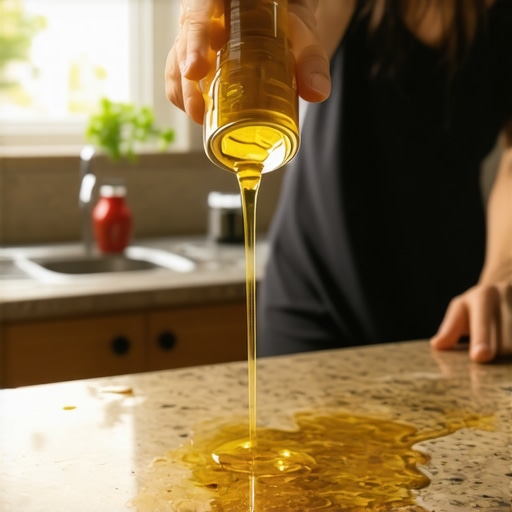
It was a typical Saturday morning when I noticed something strange—dark, dull patches appearing on my once-glossy granite countertops. I had been using vinegar as my natural cleaning go-to, convinced I was doing right by my home and the environment. Turns out, that innocent-looking bottle was secretly causing damage I couldn’t see, and honestly, I felt a mixture of frustration and disbelief. Has this ever happened to you? You find a cleaning method that seems safe and effective, only to realize later it’s doing more harm than good.
How a Common Kitchen Hero Turned Villain
Vinegar is beloved by many for its natural disinfectant and stain-removing properties. But when it comes to granite and other natural stones, it’s a different story. The acidity of vinegar can erode the sealant protecting your countertops, leaving them vulnerable to stains, etching, and lasting damage. I learned this the hard way early in my cleaning journey—mistakenly thinking that vinegar’s natural qualities made it an all-purpose miracle. That mistake proved costly.
You might be surprised to discover that many well-meaning homeowners unknowingly damage their granite surfaces this way. In fact, a study by the Marble Institute of America highlights that improper cleaning techniques are a common cause of countertop deterioration. The key is knowing what works—and what doesn’t.
Today, I’ll show you how to avoid this destructive mistake, backed by my personal experience and expert advice, so your counters stay beautiful and durable for years to come.
Is Natural Really Better? Worry Not—There’s Hope!
I used to think that sticking to natural, DIY solutions was the safest route. But I learned a valuable lesson early on: not everything natural is safe for every surface. For granite, vinegar isn’t the hero—it’s the villain. The good news? There are simple, effective cleaning strategies that won’t damage your counters.
If you’ve been battling dull spots and etching, or simply want to protect your investment, keep reading. Together, we’ll explore how to restore your granite counters’ original shine and maintain their integrity with proven methods. And for more expert house cleaning tips, check out [Effective House Cleaning Secrets from Cleaning Experts](https://spotlesscarpetz.com/effective-house-cleaning-secrets-from-cleaning-experts). And if you’ve faced frustration from improper cleaning, you’re not alone—many homeowners share this concern.
Let’s get started on correcting course and safeguarding your beautiful surfaces.
Clear the Clutter for a Fresh Start
Before diving into cleaning your upholstery or deep-cleaning your home, remove all loose items—from cushions and throws to small decor. This step prevents accidental stains and gives you unobstructed access to surfaces. I remember a move-out cleaning where I overlooked this, leading to a tedious process of repositioning everything after cleaning. Clearing the space upfront saves time and ensures no area is missed.
Choose the Right Cleaning Tools and Solutions
Use microfiber cloths for dusting—these trap dirt without scratching surfaces. For upholstery, select a gentle cleanser tailored to the fabric type. Avoid harsh chemicals like bleach or alcohol-based sprays; instead, opt for eco-friendly solutions. During a recent sofa refresh, I sprayed a DIY mix of warm water and a few drops of mild dish soap, which lifted stains without damaging the fabric, unlike harsh commercial cleaners that can cause discoloration.
Using a Deep-Cleaning Machine
If your upholstery is heavily soiled or has pet stains, a handheld steam cleaner can work wonders. But always test a small inconspicuous area first—this prevents color bleeding or fabric damage. I once used a steam cleaner on my microfibre recliner, and it dramatically improved its appearance, removing embedded dirt that traditional vacuuming missed.
Sanitize High-Touch Surfaces Effectively
Focus on frequently touched areas like doorknobs, light switches, and remote controls. Use a microfiber cloth dampened with a diluted disinfectant solution—optimal for germ elimination without damage. For electronic devices, avoid spraying liquids directly; instead, dampen the cloth and wipe gently. Incorporate this routine into your weekly cleaning to reduce germ spread, especially during flu seasons. I followed a detailed guide on sanitizing high-touch surfaces to ensure I wasn’t overlooking any spots, making my home safer.
Move-Out Cleaning Strategies that Guarantee Your Deposit
If you’re preparing to vacate a rental, pay attention to hidden grime and stubborn stains. Use a grout brush to tackle tile edges and a toothbrush for tricky corners. For carpets, rent a deep-cleaning machine or hire professionals—this drastically improves return on your security deposit. During my last move-out, I followed a checklist that included cleaning behind appliances and under sinks—areas most tenants forget but landlords scrutinize heavily. Check out these move-out cleaning hacks to master your transition.
Restore Textured Surfaces and Fabric Looks
To maintain the texture of upholstery or suede fabrics after spills or cleaning, lightly brush the surface with a soft-bristled brush—this restores the nap and prevents a flattened appearance. For fabric pilling, use a specialized fabric shaver to refresh the surface. I experienced this firsthand when I used a gentle brush on my velvet armchair, which had become dull over time. The transformation was striking and prolonged the fabric’s lifespan.
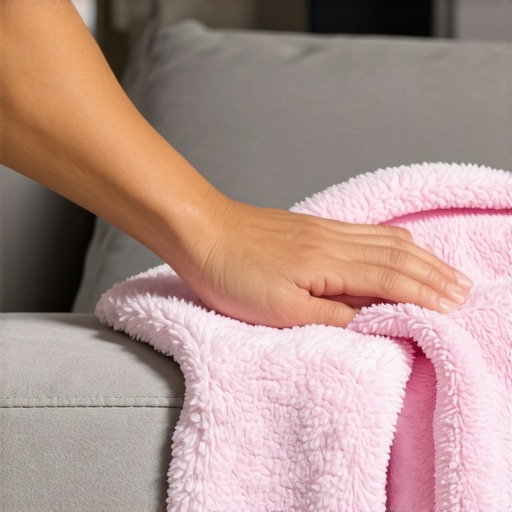
Proper upholstery cleaning involves using the right tools and techniques, like microfiber cloths and gentle cleansers, to preserve the fabric’s integrity.
Many homeowners believe they know the ropes when it comes to upholstery care, sanitizing, and move-out cleaning, but the truth is, there’s a lot of nuance that most people overlook. For instance, the common misconception is that high-alkaline or harsh chemicals are always the best choice for disinfecting surfaces—that’s not just wrong, but potentially damaging to your furnishings and surfaces. In reality, using the wrong cleaning agents can degrade fabric fibers or surface seals over time, leading to premature wear and tear.
Another widespread mistake revolves around sanitizing high-touch areas. Many think spraying disinfectant directly on electronics or fabric is safe, but this can cause internal damage or mold growth if moisture seeps into electronics or cushions. The proper approach involves dampening a microfiber cloth with approved sanitizing methods, like those discussed in [effective sanitizing methods](https://spotlesscarpetz.com/effective-sanitizing-methods-for-a-germ-free-home). This attention to detail prevents unintended harm.
In the realm of move-out cleaning, tenants often focus solely on visible dirt, neglecting hidden grime that can sabotage their deposit return. For example, forgetting to clean behind appliances or in seldom-accessed corners can lead to disputes. My experience shows that following a comprehensive checklist, like the one in [this move-out clean guide](https://spotlesscarpetz.com/move-out-clean-checklist-to-simplify-your-transition), can make all the difference.
Here’s an advanced tip: many underestimate the importance of understanding fabric and surface chemistry. Using the wrong products on delicate upholstery like velvet or silk can cause irreversible damage. Instead, acknowledging the material’s composition and following tailored cleaning strategies—available in [the ultimate upholstery care guide](https://spotlesscarpetz.com/ultimate-upholstery-care-guide-for-lasting-freshness)—ensures longevity.
What about myths? A prevalent one is that steam cleaning guarantees deep sanitation. While steam is effective at loosening dirt, it doesn’t necessarily eradicate all bacteria or viruses unless the steam reaches a specific temperature and contact time, which many residential devices cannot provide reliably. For true sterilization, combining mechanical cleaning with chemical disinfectants designed for the surface type is essential—see [these sanitizing secrets](https://spotlesscarpetz.com/sanitizing-secrets-for-a-safer-house-in-2025) for more.
In conclusion, understanding the hidden nuances—like selecting appropriate cleaning agents, recognizing material sensitivities, and implementing comprehensive cleaning routines—is crucial. Just as with [house cleaning strategies](https://spotlesscarpetz.com/house-cleaning-strategies-for-a-sparkling-home-today), mastering these details elevates your cleaning from basic maintenance to expert care.
Have you ever fallen into this trap? Let me know in the comments.When it comes to maintaining a clean and sparkling home, having the right tools can make all the difference. My personal experience has shown that quality equipment not only simplifies routine cleaning but also extends the life of your surfaces and fabrics. One indispensable tool I rely on is a high-quality handheld steam cleaner. It provides powerful sanitation and deep cleaning without harsh chemicals, perfect for upholstery and tiles alike. I prefer models with adjustable steam settings and a variety of nozzles, like the Dupray neat steam cleaner, because they adapt to different surfaces, ensuring thorough cleaning while preventing damage. For stubborn stains on upholstery, I recommend a microfiber cleaning pad attached to a versatile cordless vacuum like the Dyson V15 Detect. Its combination of powerful suction and gentle brushroll effectively lifts embedded dirt and pet hair, restoring fabrics to near-original condition. Additionally, investing in an oscillating multi-tool with various attachments has transformed move-out cleaning. Its precision tip and scrapers help clean behind appliances, grout lines, and under furniture, areas often neglected but critical for recovering your deposit. I use the Fein MultiMaster, which offers variable speed control—a feature that allows gentle cleaning on delicate surfaces or aggressive scrubbing where needed. To keep these tools running optimally, regular maintenance is key. For instance, descaling your steam cleaner with manufacturer-approved cleaning solutions prevents lime buildup, maintaining efficiency over time. For digital tools, updating firmware and replacing filters as recommended by the manufacturer ensures sustained performance. Looking ahead, the trend implies increased integration of smart technology in cleaning devices, enabling scheduling, app control, and even AI-based adjustments for efficiency. Embracing these innovations now can keep your cleaning routine ahead of the curve. Remember, a well-maintained, quality tool can dramatically reduce cleaning time and improve results. I encourage you to try the steam cleaning method I mentioned; it’s an eco-friendly way to sanitize your upholstery effectively, as detailed in [effective sanitizing methods](https://spotlesscarpetz.com/effective-sanitizing-methods-for-a-germ-free-home). For expert tips and more product recommendations, connect with me through the contact page and elevate your home cleaning game.
Lessons That Took Me by Surprise in Upholstery and Sanitizing
One of the biggest lightbulb moments was realizing that many DIY cleaning remedies I’ve trusted for years, like vinegar, could actually damage delicate fabrics or surfaces over time. It taught me to do thorough research before trying out new solutions, especially on valuable or sensitive home materials.
I also learned that tackles like steam cleaning are powerful but not universally safe. Testing on a small, unsuspected area prevented irreversible damage to my fabrics, saving me from costly replacements. Sometimes, the simplest tools—like microfiber cloths—are the best way to preserve your home’s beauty without risking harm.
Finally, I uncovered how overlooked areas like behind appliances or under furniture hide stubborn grime. Regularly cleaning these hidden spots keeps my home healthier and prevents surprises during move-outs or inspections. Embracing these insights transformed my cleaning routine from reactive to proactive, and I hope they do the same for you.
My Go-To Resources for Keeping Upholstery and Surfaces Pristine
First, The Ultimate Upholstery Care Guide has been invaluable in understanding fabric-specific cleaning methods—trustworthy because it’s backed by expert advice and real-world experience.
Second, I rely on Effective House Cleaning Secrets from Cleaning Experts. It’s filled with practical, tested strategies that save me time and effort, especially when tackling move-out cleaning or stubborn stains.
Lastly, for sanitizing high-touch surfaces safely, Sanitizing Secrets for a Safer House in 2025 offers up-to-date guidance that helps me keep my home germ-free without damaging electronics or fabrics.
Take Charge and Elevate Your Cleaning Game
Remember, mastering upholstery and home sanitization isn’t just about doing it right—it’s about caring for what makes your house a home. Small changes in routine, like testing cleaning products and paying attention to hidden areas, can make a significant difference. I encourage you to implement these insights today and watch your space thrive. What’s one cleaning tip you’ve been hesitant to try but are ready to give a shot? Share your thoughts below—I love hearing your stories and challenges in keeping a beautiful, healthy home space.
**