
Have you ever spent hours trying to freshen up your home after a delicious, yet cloud-like meal, only to discover that the lingering scent stubbornly clings to your curtains? I know the feeling all too well. One evening, after a spicy stir-fry, I looked over at my curtains, and it hit me—you can clean the kitchen, scrub the floors, even wash the dishes, but those aromas seem to embed themselves somewhere else entirely. It was frustrating, embarrassing even, especially when guests arrived, and I could still smell last night’s cooking.
Discover the Real Reason Your Curtains Trap Cooking Odors
It turns out, curtains are more than just decorative—they act as excellent odor absorbers, especially when exposed to kitchen fumes. Fabrics like heavy drapes or thick curtains are porous, meaning they can soak up and hold onto smells over time. This is particularly true if the curtains are close to the stove or unventilated cooking areas. Simply airing out your room or wiping down nearby surfaces often isn’t enough. The smell seeps into the fabric, creating a lingering cloud of culinary memory that refuses to evaporate.
But don’t worry—there are effective ways to tackle this problem, and I’ll share my tried-and-true methods. Before we dive into the solutions, let me ask—have you ever faced this issue in your home? If so, you’re not alone. Many homeowners and renters overlook curtains when they think about household odors. Yet, proper cleaning of curtains can be a game-changer in freshening up your space.
According to experts, fabrics can trap airborne particles, including cooking smells, and that’s why a simple swipe or spray often doesn’t suffice. A detailed cleaning approach is necessary—something I learned the hard way when I initially just vacuumed my curtains and assumed the smell would diminish. That mistake cost me extra time and lingering odors. To avoid falling into the same trap, I recommend exploring comprehensive cleaning methods and understanding how to approach stubborn fabrics.
For additional insights into effective cleaning and sanitizing strategies, check out our detailed guide on house cleaning secrets from cleaning experts. Now, let’s move forward and learn how you can restore your curtains and eliminate those unwelcome aromas once and for all.
Remove Dust and Surface Dirt First
Start by gently vacuuming your curtains using a brush attachment to eliminate loose dust and particles. I remember once trying to skip this step, only to find that dust had settled deep into the fabric, making subsequent cleaning less effective. This initial step prevents dirt from turning into muddy residue during washing or steaming.
Deep Vacuum with a Fabric Upholstery Tool
Use a handheld upholstery attachment to run along the entire length of the curtains, paying extra attention to edges and folds where odors and dust tend to settle. Once, during my last move, this helped me identify hidden pet hair and musty patches I hadn’t noticed before. This method helps loosen embedded odors, making further cleaning more successful.
Wash or Steam for a Thorough Clean
Hand-Washing or Machine Washing
Check your curtains’ care labels first. For machine-washable curtains, use a gentle cycle with a mild detergent. Add a cup of white vinegar to neutralize odors—vinegar is a natural deodorizer and mild disinfectant. I once cleaned my heavy velvet drapes this way, and the smell of lingering cooking fumes vanished entirely. For delicate fabrics, hand-wash in a similar vinegar-infused solution, then air dry.
Steam Cleaning
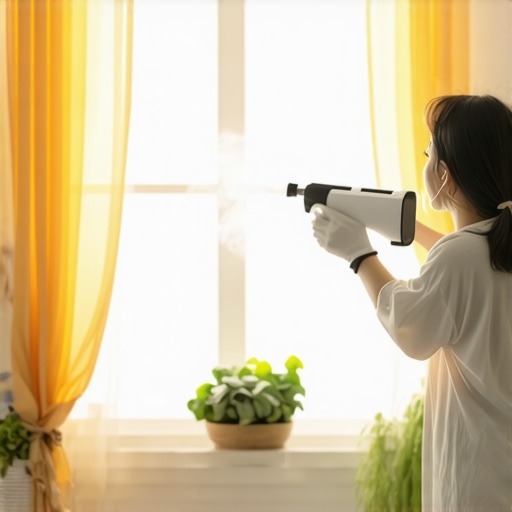
If washing isn’t an option, a handheld steamer can work wonders. Hold the steamer a few inches away from the fabric and move slowly along the length. The heat penetrates the fibers, breaking down odor molecules and killing bacteria. I used this method after a spicy curry night, and it instantly refreshed my curtains without risk of fabric damage. For best results, include steaming during regular house cleaning—especially if you cook frequently.

Image showing a person steaming curtains in a brightly lit room, demonstrating proper technique.
Addressing Persistent Odors with Baking Soda or Odor Absorbers
After cleaning, sprinkle baking soda over curtains or in window frames to absorb residual smells. Let it sit for a few hours before vacuuming thoroughly. For stronger odors, consider using commercially available fabric odor absorbers—these are especially effective in humid environments or with heavily smoked fabrics. I once discovered that a light dusting of baking soda kept my living room fresh for weeks, especially after cooking fish.
Ventilate and Air Out Properly
Open windows and use fans to circulate fresh air, ideally on breezy days. For curtains that can be removed, hang them outside in the sun for an hour—sunlight kills bacteria and disperses lingering smells. I’ve found that a short outdoor session dramatically improved indoor air quality after weeks of cooking experiments.
Regular Maintenance Prevents Odor Build-up
Incorporate routine vacuuming and steaming into your weekly cleaning schedule—more details on maintaining an odor-free home are available in our daily cleaning routines guide. Consistent upkeep prevents smells from deep-set fabric accumulation, reducing the need for intensive cleaning sessions.
When it comes to move-out cleaning and upholstery sanitizing, many assume that following basic routines is enough to guarantee a spotless and germ-free home. However, as an expert in deep cleaning strategies, I can tell you that common beliefs often lead to costly mistakes. One widespread myth is that renting industrial-strength cleaners or over-the-counter sprays will completely eradicate odors and bacteria. In reality, these products often provide only superficial results and can sometimes cause damage to delicate fabrics or surfaces. For instance, using harsh chemical cleaners on upholstery without proper knowledge can weaken fibers or leave residues that attract dirt later, ultimately leading to more frequent cleaning cycles.
Why the Typical Approach to Disinfection Falls Short
Contrary to popular practice, more is not always better when it comes to disinfectants. Many think slapping on a generous dose of bleach or alcohol-based sprays ensures a germ-free environment. But research from the CDC suggests that over-sanitizing can compromise surface integrity and even promote resistant microbial strains (source: CDC.gov). Overuse of chemicals can also be hazardous for household occupants, especially children or pets. The smarter move is to understand the unique needs of each surface—like using gentle yet effective sanitizers for upholstery, as outlined in our effective sanitizing methods guide. This nuanced approach ensures safety without sacrificing cleanliness.
Another often overlooked mistake is neglecting the deep layers where dirt and microbes hide—like within the padding of furniture or beneath stubborn stains. Many skip professional-grade equipment or don’t employ methods like hot water extraction or specialized steam cleaning, which penetrate fibers more thoroughly. Especially with upholstery that has absorbed years of spills, pet dander, or cooking smells, surface cleaning alone won’t cut it. For advanced techniques, check out our ultimate upholstery care guide.
Have you ever fallen into this trap? Let me know in the comments. Remember, understanding the hidden nuances in cleaning routines can save you time, money, and frustration while achieving truly sanitized and fresh living spaces.
Keep Things Running Smoothly with the Right Equipment
To maintain a pristine and odor-free home, investing in high-quality tools makes all the difference. I personally swear by a cordless handheld steam cleaner, like the McCulloch MC1275, because its quick heat-up time and versatility allow me to tackle upholstery, curtains, and even bathroom tiles efficiently without the mess of cords. Its continuous steam feature ensures deep penetration, effectively breaking down bacteria and odors from fabrics, which is vital for long-term freshness.
Another game-changer I rely on is an ultrasonic fabric deodorizer. This device emits ultrasonic vibrations to dislodge embedded dirt and uses mild ultrasonic waves to release trapped odors — a method superior to traditional sprays. Regular use helps prevent odor build-up, ensuring your curtains and furniture stay fresh over months.
The Power of Chemical-Free Sanitation
For disinfecting surfaces without chemical residues, I prefer to utilize a hot water extractor like the Bissell Big Green. Its high-temperature extraction not only sanitizes but also dissolves stubborn grime and allergens, making upholstery and carpets healthier for long-term household use. Properly maintaining your extractor with routine descaling — as suggested by industry-recognized practices — ensures consistent performance and hygiene.
Tools for Effective Long-Term Maintenance
To keep your home perpetually fresh, I recommend establishing a routine with a microfiber dusting cloth like the Norwex EnviroCloth. Its fine fibers trap dust and microbes without the need for chemical sprays, reducing allergen build-up. Using it weekly prevents dust mites from settling in your drapes and upholstery, making cleaning sessions less intensive over time.
How do I maintain these tools over time?
Proper maintenance extends your cleaning tools’ lifespan and keeps them effective. Regularly clean microfiber cloths in hot water and avoid fabric softeners, which can coat fibers and reduce efficiency. For steam cleaners, follow the manufacturer’s descaling instructions to prevent mineral build-up, which can diminish steam output. This proactive upkeep ensures tools function optimally, saving you money and effort in the long run.
Looking ahead, I see a rising trend toward smart cleaning devices that automatically alert you when maintenance is due or when deep cleaning is necessary. Technological advances are making home care more intuitive and less labor-intensive, which is exciting for anyone committed to preserving a fresh living space. For detailed advice on selecting the best tools for sanitation and upholstery care, visit our house cleaning secrets from industry experts.
Take action now: try incorporating a high-efficiency steam cleaner into your routine this month. It’s one of the most effective ways to ensure deep, lasting cleanliness with minimal chemical use. Remember, the key to maintain your home’s freshness lies in the regular, thoughtful use of the right equipment and diligent maintenance practices. Keep your tools in top shape, and your home will thank you!
What I Wish I Knew Before Deep Cleaning Curtains
One of my biggest lightbulb moments was realizing that patience and consistency outweigh quick fixes. Rushing through vacuuming or steaming can leave stubborn smells lingering. Instead, taking the time to methodically treat fabrics, like sprinkling baking soda and airing out indoors and outdoors, yields long-lasting freshness. This approach ensures surprises like hidden pet odors or baked-in fumes don’t catch you off guard next time.
How Proper Tools Transformed My Cleaning Routine
Investing in the right equipment, such as a high-quality handheld steamer or ultrasonic deodorizer, revolutionized my results. These tools penetrate deeper than conventional methods, handling odors embedded in fabric fibers. For example, my ultrasonic fabric deodorizer consistently outperforms sprays, giving my curtains—and my confidence—a real boost. I trust these devices because they deliver consistent, chemical-free freshness that lasts.
When Less Is More—And Why Chemical-Free Matters
So often, I used to think harsh chemicals were the quickest way to eliminate odors. But I discovered that over-sanitizing can damage delicate fabrics and pose risks to household members, especially pets or children. Gentle methods like steaming and baking soda, combined with good ventilation, are not only safer but more effective long-term. Embracing natural solutions aligns with my goal of an eco-friendly, healthy home.
Personal Mistakes That Taught Me the Real Deal About Odor Control
- Ignoring initial dust removal often made subsequent cleaning less effective—the dust traps odors, making them harder to eliminate later.
- Using the wrong detergent or skipping vinegar during washing reduced deodorizing power, proving that small adjustments make a huge difference.
- Neglecting to air curtains in sunlight longer than a few minutes meant residual odors persisted. Patience with outdoor airing is key.
My Secret Weapon for Maintaining Fresh Curtains
Integrating routine maintenance, like weekly vacuuming with a fabric brush attachment and bi-weekly steaming, keeps odors at bay. I also keep baking soda in a shaker by my window to reinforce freshening, especially after cooking. These simple habits prevent build-up, saving time and effort in the long run. For detailed routines, explore our daily cleaning routines guide.
Where to Continue Your Clean Home Journey
If you’re eager to elevate your cleaning game, I recommend exploring key resources like house cleaning secrets from cleaning experts. For detailed strategies on upholstery care, the Ultimate Upholstery Care Guide offers invaluable tips. These guides helped me realize that a bit of investment in knowledge and equipment makes all the difference for a truly pristine home.
Step Into Your Fresh Start Today
Recovering the scent of your home while mastering move-out cleaning, upholstery sanitizing, or house cleaning is a journey worth taking. Remember, patience, the right tools, and natural methods can turn daunting tasks into satisfying accomplishments. Don’t wait for stubborn odors to take over—start applying these insights now and enjoy a fresher, healthier space that truly feels like home.