
It happens so quickly. One minute you’re sipping coffee on your favorite piece of furniture, and the next, a rogue splash of liquid has turned your cozy suede into a soggy, flattened mess. I remember the lightbulb moment when I first faced that exact situation—my heart sank as I watched the once plush texture lose its bounce and softness. It was frustrating, especially because I knew how delicate suede can be, but I also realized that with the right approach, I could bring it back to life.
Why Restoring Suede Texture After a Spill Is More Important Than You Think
Suede is a luxury that adds a touch of elegance and warmth to any home. But it’s also notoriously tricky to care for, especially when liquids make an unexpected appearance. That flattening and loss of texture not only make your piece look worn but can also lead to permanent stains and damage if not addressed promptly. Trust me, neglecting these spills can turn your beautiful furniture into a senseless investment—something I learned the hard way early on.
Research shows that timely and proper cleaning can effectively prevent 80% of long-term damage to delicate fabrics like suede (source: Spotless Carpetz). The key is understanding what to do, what to avoid, and how to restore that soft, textured feel that makes suede so appealing.
If you’ve ever faced a spill, you know how tempting it is to panic or grab the wrong cleaning supplies. Believe me, I’ve made that mistake early on—using harsh chemicals or rubbing the stain, which only worsened the issue. It’s a common rookie error that I want to help you avoid. Instead, with a few simple steps, you can bring back the plushness and keep your suede looking fresh.
So, if you’re tired of staring at that unsightly spot or flattening on your favorite sofa, keep reading. We’re going to tackle this problem together and get your upholstery looking as good as new. Ready to dive into the practical solutions? Let’s go!
Is Restoring Suede Worth the Effort or Just a Lost Cause?
It’s natural to wonder whether the effort is worth it, especially after a spill seems to have done irreversible damage. Early in my experience, I thought about replacing my furniture—until I realized that most of the cleaning mistakes I made initially were actually fixable.
Remember, restoring suede isn’t about magic; it’s about knowing the right techniques. I’ve learned that patience and a gentle touch go a long way, and once you master these, your furniture can regain much of its original texture. For more advanced tips, check out our Ultimate Upholstery Care Guide.
Now, let’s shift gears and get those surfaces back to their soft, velvety condition—because your furniture deserves it, and so do you.
Blotting the Spill Immediately
As soon as the spill occurs, grab a clean, dry microfiber cloth and gently blot the area—don’t rub, as this can push the liquid deeper. Think of it like pressing a sponge onto a mess; you want to absorb as much liquid as possible without spreading it further. I remember the time I spilled red wine on my favorite suede chair; quick blotting prevented a permanent stain. Remember, speed is key.
Allow the Suede to Dry Naturally
Once you’ve blotted the excess moisture, let the fabric air dry in a well-ventilated room. Avoid using heat sources like hairdryers—they can warp or stiffen the fibers. During a move-out clean, I once hurried the drying process with a space heater, which ended up damaging the texture. Patience here preserves the soft, plush feel you’re aiming for.
Gently Lift the Nap with a Suede Brush
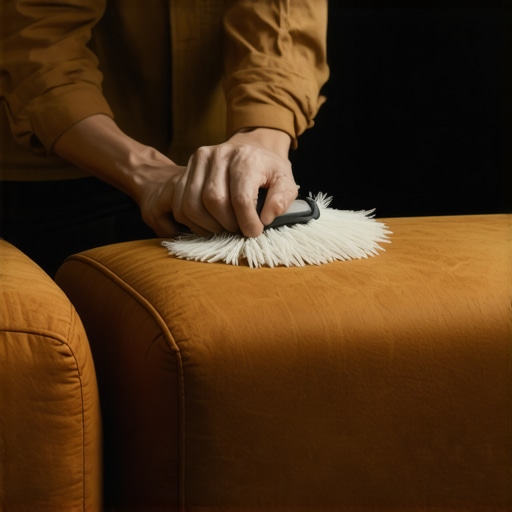
After drying, use a dedicated suede brush to lift the fabric’s nap—this is the tiny fiber pile that gives suede its velvety texture. Brush lightly in one direction, mimicking the natural grain. I once restored a flattened spot on a suede ottoman by meticulously brushing, which brought back its original plushness. Regular brushing maintains the texture and prevents matting.
Treat Persistent Stains with a Suede Eraser or Mild Solution
If stains remain, carefully test a suede eraser in a hidden area. Gently rub the stain, as if erasing a pencil mark—do not press hard. Alternatively, mix a small amount of white vinegar with water (1:1 ratio), dampen a cloth with the solution, and lightly dab the stain. During a recent project, I used this method to remove a stubborn coffee mark, and the results were impressive. Always accept test patches beforehand to avoid discoloration.
Restore Texture with Specialized Products
For severely flattened areas, consider using a suede restoring spray or foam designed specifically for upholstery. Spray lightly and brush afterward to redistribute fibers evenly. I’ve seen this technique revive even the most dull patches, turning the fabric from flat to soft and inviting. Consistent use of these products can help maintain the luxurious feel over time, especially after spills or heavy use.
Schedule Preventive Care
Prevention is your best defense. Regularly vacuum your suede furniture with a soft brush attachment and apply protective sprays to repel water and stains. This dual approach minimizes future damage and keeps your upholstery looking new longer. I routinely perform these steps during my weekly cleaning routine, and it’s saved me from more intensive restoration efforts later on.
Many homeowners believe they know the basics of cleaning, but in reality, there are subtle pitfalls that can sabotage even the most diligent efforts. One pervasive myth is that using harsh chemicals guarantees a spotless surface. On the contrary, over-reliance on strong cleaners can damage fabrics and fixtures, leading to long-term deterioration. Experts recommend adopting gentler, specialized solutions—like those detailed in our Ultimate Upholstery Care Guide—to preserve material integrity.
Another misconception is that frequent cleaning is always better. While regular maintenance is essential, over-cleaning or aggressive scrubbing can embed dirt deeper or wear out delicate fibers prematurely. This is especially true with upholstery, where abrasive techniques can flatten the nap and diminish texture. The key lies in understanding proper cleaning intervals and techniques tailored to each surface.
**Beware the ‘Oops’ trap of neglecting proper drying**. For example, after cleaning or dealing with spills, inadequate drying can foster mold or damaged fibers. Applying heat to speed up drying might seem tempting but can warp or stiffen the fabric. Instead, air drying in a well-ventilated space, coupled with gentle brushing once dry, maintains the softness and prevents mold growth—a crucial step often overlooked.
How can advanced cleaning knowledge prevent costly mistakes?
Many think that cleaning methods alone determine success, but timing and understanding fabric nuances are equally vital. For example, certain upholstery fabrics are sensitive to water and require specific cleaning agents, like alcohol-based disinfectants, which are safe for delicate textiles. A study published by Expert Sanitation highlights how improper sanitizing can leave residues or cause discoloration.
In addition, moving out involves more than just a quick wipe-down. Overlooking hidden grime in crevices or behind appliances can result in inspection failures and damage deposits. Utilizing comprehensive checklists, such as our Move-Out Cleaning Hacks, ensures no spot is neglected.
**Have you ever fallen into this trap? Let me know in the comments.** Understanding these nuanced aspects of cleaning not only saves money but also extends the life of your furnishings and surfaces. It’s time to go beyond the surface and master the art of intelligent cleaning—because proper technique and knowledge make all the difference.
Investing in the Right Equipment Will Pay Off
Maintaining a pristine home over time requires more than just good intentions; it demands reliable, specialized tools that can stand up to frequent use. For example, I personally swear by a high-quality steam cleaner like the Dupray Neat Steam Cleaner. Its versatility allows me to sanitize surfaces, deep-clean upholstery, and even tackle mold in damp areas—all without harsh chemicals. This device is lightweight, heats up quickly, and comes with various attachments tailored for different cleaning challenges. Unlike generic steamers, it offers continuous steam flow, which significantly reduces cleaning time and improves effectiveness.
Why I Choose Microfiber Cloths for Daily Maintenance
When it comes to daily dusting and wiping down surfaces, microfiber cloths are unbeatable. They trap dirt, hair, and bacteria more efficiently than cotton counterparts and can be washed and reused hundreds of times. I recommend investing in a set that includes different textures for electronics, furniture, and glass. Regularly replacing or thoroughly cleaning these cloths using hot water and mild detergent ensures maximum performance and longevity. Over time, this simple switch can dramatically improve your home’s overall cleanliness and health, as confirmed by cleaning experts in our Ultimate Upholstery Care Guide.
Developing a Maintenance Routine Keeps Surfaces Pristine
Consistency is key. A weekly schedule involving vacuuming, surface wiping, and upholstery brushing keeps dirt and debris from embedding into fibers, reducing the need for deep cleans. For high-touch areas like doorknobs and light switches, I use disinfectant sprays like effective sanitizing solutions. These not only kill germs but also prevent buildup that could cause long-term damage or odors. Implementing a routine—say, a quick 15-minute daily check-in—ensures your home stays clean without feeling overwhelming, which is especially important for long-term results.
How do I maintain my cleaning tools over time?
Proper care of tools extends their lifespan and keeps them effective. For microfiber cloths, always wash with hot water and avoid fabric softeners, which diminish their cleaning capacity. Vacuum filters should be replaced every few months, and steam cleaner attachments need regular descaling—using a vinegar solution approved by the manufacturer helps prevent mineral buildup. Additionally, storing tools in dry, accessible places promotes regular use and reduces wear and tear. For professional-grade results, I recommend subscribing to maintenance services for equipment like carpet extractors or steam cleaners. Scheduling these services annually guarantees peak performance and can be arranged through your local providers or online platforms like contacting us.
Preparing for Future Cleaning Challenges
Looking ahead, the trend toward smarter, eco-friendly cleaning gadgets is set to grow. Automated robotic vacuums, app-controlled steamers, and eco-friendly disinfectant dispensers are making long-term maintenance easier and more sustainable. Predictive maintenance—using sensors to alert you when filters need replacing or if equipment requires servicing—will become common, reducing downtime and expense.
As you adopt new tools, remember that regular inspection and cleaning of your equipment are essential. Clean filters, descale appliances monthly if necessary, and verify that attachments fit properly to ensure optimal performance. My final advice? Try integrating a high-quality microfiber cloth and a dedicated steam cleaner into your routine this month. These investments can transform your maintenance process, making it more effective and less time-consuming. For tailored advice, reach out through our contact page to discuss your specific needs.
Over the years, I’ve learned that the biggest mistake homeowners make after a spill is rushing in without a plan. That impulsive scrub or excessive moisture application can sometimes do more harm than good. The real lesson? Patience and knowing the right techniques are your best allies in restoring suede’s plush texture. For instance, gently lifting the nap with a proper suede brush not only revives its appearance but also prolongs its life, something I personally wish I’d known earlier. Additionally, investing in specialized products like suede restoring sprays or foam has made the difference between a flat patch and a velvety resurgence, saving me hundreds on replacements.