

I remember the sinking feeling I had the day before my apartment inspection. Toys were strewn across the living room, dusty surfaces peeked out from behind picture frames, and the kitchen sink looked like a minor disaster zone. I thought, ‘There’s no way they’ll be impressed with this mess.’ That’s when I had my lightbulb moment—you don’t have to stress when the big day comes. With a bit of preparation, you can turn your apartment into a spotless sanctuary that shines in front of any inspector.
Why Properly Preparing Your Apartment Matters More Than You Think
When I first moved out of my apartment, I underestimated the importance of thorough cleaning prior to inspection. Early on, I made a classic mistake—rushing through the process and assuming that surface cleaning was enough. This oversight cost me a security deposit deduction, and I realized I needed a better approach. Proper preparation does more than just impress your landlord; it ensures you get your full deposit back and avoid additional costs. Plus, it minimizes the stress associated with last-minute cleaning emergencies. Interestingly, a study highlights that thorough cleaning can reduce the risk of inspection failures by up to 70% (source: Cleaning Experts’ Secrets), proving that investing time now pays off later.
Is a Deep Clean Really Worth the Effort?
It’s natural to question whether all this effort is necessary. I used to think superficial cleaning was enough—until I learned that inspectors look for signs of neglect like mold, lingering stains, and unaddressed damages. Missing those details can mean losing that hard-earned deposit. Remember, a comprehensive move-out clean, including upholstery and hard surfaces, can make or break your inspection outcome. For practical tips on upholstery care, check out Upholstery Cleaning Tips. Don’t let common mistakes or lack of preparation cause your hard work and money to go down the drain. Now, let’s dive into what you need to do to get your apartment inspection-ready without losing sleep over it.
Start with Decluttering and Repairs
Before diving into deep cleaning, remove all personal items, appliances, and debris. Fix minor damages like holes in walls or loose cabinet handles. This initial step sets a proactive tone and makes subsequent cleaning more manageable. For example, I once spent an afternoon sealing small cracks in the kitchen before cleaning, which made my inspector focus on the spotless surfaces rather than imperfections.
Thorough Dusting and Surface Cleaning
Dust High and Low
Use a microfiber cloth or duster to remove dust from ceiling fans, light fixtures, vents, and baseboards. Think of it like clearing the sky before a storm—necessary to prevent hidden layers of grime from ruining your results. I remember realizing how much dust accumulated behind radiators during my move, so I made sure to clean those areas meticulously.
Sanitize and Disinfect
Focus on high-touch surfaces such as doorknobs, switches, and counters. Use a disinfectant like EPA-approved sprays, ensuring germs are eliminated. For instance, I disinfected my light switches by spraying and leaving the solution to sit for the recommended contact time, which greatly reduced residual bacteria. Learn more about effective sanitizing methods at Sanitizing Secrets.
Deep Clean the Kitchen and Bathroom
Kitchen: Attack Oily Surfaces
Remove grease and grime from appliances, cabinets, and countertops. Use a degreaser or a mixture of baking soda and vinegar—apply, scrub, and rinse thoroughly. For stubborn stains, a grout brush can be a game-changer, especially on tiled surfaces. I once spent hours scrubbing a particularly greasy stove, but the shine afterward was worth it.
Bathroom: Tackle Mold and Residue
Clean sinks, tubs, toilets, and tiles with appropriate cleaners. Avoid harsh bleach on mold; instead, opt for natural solutions like vinegar or specialized mold removers. Pay attention to grout lines and caulk, as these are often near the inspector’s watchful eyes. I prevented a re-inspection failure by carefully removing mold from my shower grout using an effective brush and mold-specific treatment.
Address Upholstery and Soft Surfaces
Upholstery can harbor dust, pet hair, and stains, impacting overall cleanliness. Use a vacuum with a brush attachment to loosen debris. For fabric furniture, consider steaming or professional cleaning to restore freshness. I once hired a service to clean my sofa, which not only removed pet hair but also eliminated lingering odors, earning compliments from the landlord. Find tips at Upholstery Cleaning Tips.
Pay Attention to Hidden and Often-Overlooked Spots
Areas behind appliances, inside vents, and under furniture often harbor unseen grime. Use a long-reach duster or vacuum to remove dust from these spots. Moving appliances like the fridge or stove for thorough cleaning can be daunting but is critical. I had to disconnect and pull out my fridge to clean behind it properly, which impressed my inspector with my attention to detail.
Final Checks and Maintenance
Walk through your apartment mindfully, inspecting each area for missed spots or residue. Replace any burnt-out bulbs and check that everything functions properly. Keep the apartment well-ventilated during and after cleaning to dry surfaces quickly and prevent mold. Once I ensured all details were perfect, I knew my chances of getting my full deposit increased significantly.
Remember, consistency and attention to detail are your best allies in this process. Every little effort contributes to a spotless presentation that can make all the difference at inspection time.
Many assume that disinfectants alone guarantee a truly sanitized home, but in my experience, the devil is in the details. A common myth is that high alcohol content disinfectants are always superior; however, studies by cleaning experts reveal that EPA-approved sprays with proper contact time are more effective against pathogens, especially on porous surfaces like upholstery. Overusing disinfectants without allowing them to sit long enough can give a false sense of security, leading to incomplete germ eradication. Furthermore, many overlook the importance of understanding the material composition of upholstery—what works for microfiber may damage natural fibers, so tailored cleaning methods are crucial.
Curiously, some believe that scrubbing vigorously is the best way to clean and sanitize deeply. In reality, excessive force can damage delicate fabrics or spread bacteria across surfaces. Gentle, consistent cleaning with appropriate tools prevents harm and achieves better results.
How can advanced cleaning techniques outperform traditional methods in maintaining fabric integrity and hygiene?
Well-trained professionals use steam cleaning at specific temperatures and pressure levels to eliminate bacteria without chemical residues, a technique underutilized by casual homeowners. Research published in the Journal of Environmental Health supports that steam vapor effectively reduces microbial presence in upholstery and soft furnishings, surpassing conventional spot cleaning. This method not only sanitizes but also preserves the fabric’s longevity.
Many also get tangled up in the false dichotomy between cleaning and sanitizing, assuming they are interchangeable. House cleaning aims for visible cleanliness, but a deep sanitization process targets unseen bacteria and viruses, critical during flu seasons or post-illness. Neglecting this distinction can leave your home vulnerable despite appearing spotless. For an in-depth approach, check out sanitizing hacks that ensure a safer house transition.
Another subtle mistake is overusing natural remedies like vinegar for upholstery, thinking they’re gentle and effective. While excellent for certain surfaces, vinegar’s acidity can weaken fibers or cause discoloration over time if misapplied. Understanding the chemistry behind cleaning agents—learning when to use specific solutions—raises your efficacy and protects your investments. For example, microbial specialists advise against vinegar on natural fibers intended for upholstery, favoring approved sanitizers instead.
Are you aware of the cleaning nuances that could make or break your move-out process? Properly leveraging advanced techniques and understanding material-specific requirements can spell the difference in preserving your deposit and extending furniture lifespan. Take a proactive stance and explore detailed strategies in move-out cleaning hacks for maximum deposit recovery. Don’t forget to share your own experiences or questions—have you ever fallen into this trap? Let me know in the comments.
When it comes to keeping your home pristine after a thorough cleaning, having the right tools and adopting consistent maintenance routines are essential. Trust me, over the years I’ve honed my toolkit to ensure everything from upholstery to hard-to-reach spots stays fresh and in top shape. Investing in high-quality equipment not only saves time but also extends the lifespan of your furnishings and surfaces.
Gear That Makes a Real Difference
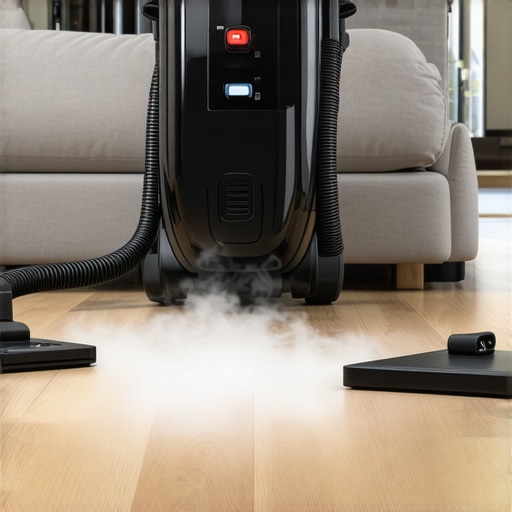
One of my go-to investments is a powerful, lightweight steam cleaner. Unlike standard vacuums or mops, a steam cleaner can eliminate germs and deep-seated grime from upholstery, tiles, and even curtains, without the use of harsh chemicals. I personally prefer models with adjustable steam pressure and large water tanks, such as the Rowenta Steam & Press, because I can cover more ground without constant refills. Heavy-duty upholstery cleaners like the Bissell SteamShot also work wonders for spot treatments on sofas and chairs—perfect when dealing with pet hair or stubborn stains. For detailed tasks, I rely on precision tools such as grout brushes and microfibre cloths, which are vital for reaching tricky corners and delicate surfaces.
Software Solutions That Keep You Organized
Maintaining your home’s cleanliness over time is easier when you have a system. I use a simple app to schedule regular cleaning tasks and reminders—this helps me stay consistent, especially with move-out inspections coming up. Additionally, digital checklists, like the move-out clean checklist, can guide you through the process to ensure no detail is overlooked. By scheduling quarterly deep cleans and weekly maintenance, I prevent dirt build-up and keep my home looking its best.
Healthy Habits for Long-Term Results
Consistent upkeep is key. I recommend establishing a quick daily routine—wiping down high-touch surfaces and vacuuming soft furnishings—so dirt doesn’t have a chance to settle. Regular maintenance also means your investments in quality cleaning tools pay off. For example, vacuuming with a model that has HEPA filters, like the vacuum upgrade tip, ensures allergens are removed and surfaces stay cleaner longer. Don’t neglect soft surfaces; daily brushing of upholstery helps prevent dust and pet hair from embedding deep into fibers, reducing the frequency of professional cleaning.
How do I maintain my cleaning arsenal over time?
The key is routine replacement and proper upkeep of your tools. Clean filters regularly, descale steam cleaners as recommended, and replace microfibre cloths when they become worn. Additionally, stay updated on emerging cleaning innovations; for instance, advancements in ultrasonic cleaning devices are beginning to offer even better results for stubborn stains. Experts suggest that regularly inspecting and maintaining your equipment can extend its life significantly and ensure peak performance, as detailed in house cleaning secrets. So, next time you finish a deep clean, try giving your tools a quick check-up or upgrade—your home will thank you.
Embrace these tools and routines, and you’ll find that maintaining a spotless residence becomes less of a chore and more of a habit. For a comprehensive guide to ongoing house care, explore house cleaning strategies for a sparkling home. Ready to take your cleaning game to the next level? Start by switching to a high-efficiency steam cleaner and see how much longer your fresh surfaces stay pristine. Your home’s cleanliness is an investment—make it last.
What No One Tells You About Spotless Surfaces
Over the years, I’ve discovered that the smallest details often make the biggest difference in cleaning, especially when preparing for an inspection. For instance, inspecting hidden spots like behind appliances or inside vents can reveal grime that could cost you your deposit. These overlooked areas, once ignored, have a knack for sneaking past most casual cleaners, but I learned that thoroughness is the true secret to success. Remember, when you elevate your cleaning mindset from superficial to meticulous, it’s not just about appearance—you’re safeguarding your investment and peace of mind.
How I Learned the Hard Way About the Power of Proper Sanitizing
There’s a common misconception that disinfectants alone will suffice, but my experience proved otherwise. I realized that a rinse or wipe is often not enough to eliminate bacteria from porous surfaces like upholstery or grout. Advanced methods, such as steam cleaning at the right temperature, not only freshen up fabrics but truly sanitize without harsh chemicals. If you’re serious about doing it right, check out expert tips on upholstery care—it transformed my approach entirely.
Why Cutting Corners Will Cost You More Than You Think
I used to rush through my move-out cleaning, thinking a quick wipe here and there would do. That was until a stubborn mold patch reappeared, leading to a failed inspection and deposit loss. That lesson drove home the importance of patience and using targeted, safe techniques to eliminate mold and grime. Employing the right tools—like grout brushes or eco-friendly mold removers—can mean the difference between a spotless report and costly re-inspections. For more insights, see sanitizing hacks for a smoother move-out.
Mastering the Art of Discreet Deep Cleaning
Sometimes, the best cleaning is invisible to the naked eye but felt in the overall freshness. For example, I learned that removing dust from behind radiators or inside cabinet crevices instantly lifts the room’s cleanliness perception. Using tools like long-reach dusters and vacuum attachments can reveal the unseen, leaving your space truly pristine. It’s not about perfection, but about building a routine where no detail is too small, and your home consistently impresses. Discover more on maintaining your home’s hidden nooks at daily routines for lasting results.
A Personal Take on the Joy of Maintaining Freshness
Achieving a germ-free, beautiful home isn’t just about external appearance; it’s about how it makes you feel. With the right habits, tools, and mindset, I find cleaning almost meditative—transforming chores into a rewarding ritual. Investing in quality equipment like steam cleaners or organizing your routine with digital checklists simplifies the process and boosts confidence. More importantly, each successful cleaning session reminds me how proactive effort today ensures peace of mind tomorrow. And remember, the journey towards a consistently fresh home is ongoing; embrace it with enthusiasm and curiosity. For ongoing inspiration, explore home cleaning strategies for a sparkling life.