
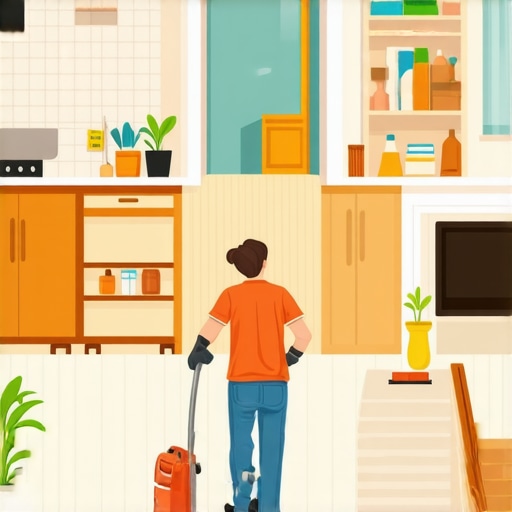
I remember the moment clearly—my fist full of house keys trembling in my hand, excitement blending with a wave of panic. As I stepped into my new place, I realized something unsettling: it wasn’t the empty walls or the unopened boxes that hit me hardest. It was the lingering dirt, dust, and who-knows-what hiding in the corners and hidden spots. That first week was a frenzy of moving boxes, tired eyes, and a gut instinct—I needed a proper game plan to make this house truly mine.
Getting Started: Why Your First Clean Matters More Than You Think
Moving into a new house isn’t just about unpacking your belongings; it’s about setting the tone for a healthier, happier home. When I overlooked the initial cleaning, I noticed dust settling faster, allergies acting up, and that persistent smell of unfamiliarity. It became clear—certain issues can’t just be tidied away later. Early cleaning not only creates a welcoming environment but also helps eliminate germs and allergens that might affect your health.
Today, I’ll share the crucial first steps to tackle when settling into a new place. Think of it as a fresh start—one that’s cleaner, safer, and more inviting. From disinfecting high-touch areas to sprucing up the upholstery, these are the tasks that will truly make your house feel like home.
Is Overdoing It Really Necessary? The Truth About First-Time Cleaning
Early on, I made a common mistake—underestimating how deep cleaning should go. I thought a quick sweep and wipe would suffice; however, I soon learned that neglecting thorough sanitizing can leave behind bacteria and mold. According to a recent report from the experts in home sanitization, properly disinfecting high-touch surfaces and fabrics in a new home drastically reduces the risk of illness. Feeling overwhelmed? Don’t worry—I’ll guide you through the essential first cleaning checklist, ensuring your house isn’t just clean but truly safe.
Whether you’ve faced the challenge of stubborn dust behind radiators or the mystery grime in bathroom grout, these initial steps set the foundation for ongoing cleanliness. Ready to dive into practical tips? Let’s start with the areas that need your immediate attention.
Start with a Thorough Dry Dusting to Remove Surface Dirt
My first move was to grab a microfiber cloth and start at the top—ceiling fans, light fixtures, and wall moldings. Think of this step as sweeping away the cobwebs from a spider’s web—you prevent spreading dust to cleaner areas. Use a extendable duster or microfiber cloth to reach high places without risking a fall. Once dusting is complete, vacuum or sweep the floors to pick up the loosened debris. This initial dry dusting not only clears visible dirt but also minimizes airborne dust when wet cleaning later.
Disinfect High-Touch Areas for Immediate Safety
Focus on Doors, Handles, and Switches
Next, convert your house into a germ-free zone by disinfecting all high-touch surfaces. Use a trusted disinfectant or the effective methods described in effective sanitizing techniques. Think of this process as icing a cake—you want a thin, even layer that kills bacteria without leaving a residue. Wear disposable gloves, spray lightly, and wipe with a clean cloth. This step is crucial before moving on to cleaning fabrics or porous surfaces, which can harbor unseen germs.
Deep Clean Upholstery for Freshness
I remember the frustration of stubborn pet hair and unseen grime on my couch. Applying upholstery cleaning tips turned my neglected sofa into a plush, inviting spot. Remove cushions and vacuum thoroughly, then apply a suitable fabric or microfiber cleaner. Use a soft-bristled brush to work in the cleaning solution, focusing on stains or oily spots. Rinse with a damp cloth and let air-dry. Think of upholstery cleaning as giving your furniture a spa treatment—it restores softness and eliminates odors, making your living space genuinely fresh.
Sanitize Floor Surfaces to Seal the Clean
Floors are the foundation of cleanliness. For tile, vinyl, or hardwood, mop using a disinfectant solution or hot water mixed with antibacterial cleaner. Pay special attention to corners and underneath furniture—these spots are often overlooked but trap dirt. For carpets and rugs, consider regular steam cleaning or carpet extraction, especially if pets or allergens are a concern. Remember, just as a chef layers flavors, a deep floor clean prevents lurking pathogens from spoiling your home’s hygiene.
Address Hidden Spaces and Less Obvious Areas
Often, the devil is in the details—baseboards, window tracks, and behind appliances. Use a small brush or vacuum attachments to reach tight spots. This is where dust bunnies accumulate, leading to an appearance of neglect if ignored. Think of this step as polishing a gemstone; the shine comes from the unseen areas that complete the overall sparkle. Doing so prevents mold growth, pests, and cross-contamination from dirty spots spreading to your clean zones.
Finish with a Ventilation and Odor Control Strategy
Open windows and run exhaust fans to circulate fresh air. Consider natural deodorizers like baking soda or essential oils to absorb lingering smells. This final step ensures no musty or chemical odors remain—your house will smell as welcoming as it looks. Remember, clean air is as important as a spotless surface, creating an environment that promotes well-being and comfort.
Many homeowners assume that a quick vacuum or surface wipe suffices when it comes to upholstery and sanitizing, but this complacency often leads to overlooked issues that can compromise health and furniture longevity. One common myth is that all cleaning agents are interchangeable; in reality, using the wrong product on delicate fabrics can cause discoloration or damage. For instance, many believe bleach is universally effective, but overuse can weaken fibers and create unpleasant odors—it’s essential to understand the specific cleaning needs of each material, as detailed in the Upholstery Care Guide. Also, many think sanitizing is a simple matter of spraying disinfectant, yet advanced sanitization requires a strategic approach—targeting high-touch points and porous surfaces, supported by studies such as the expert-approved techniques.
An often overlooked aspect is the importance of room temperature and humidity during cleaning; too cold or humid conditions can prevent disinfectants from working effectively, a nuance highlighted in recent latest sanitization research. When moving out, many forget to address hidden spots like behind appliances or inside HVAC vents, which harbor mold and dust, adversely affecting air quality. Properly cleaning these areas prevents mold growth and allergic reactions.
Advanced homeowners ask: How do I ensure my sanitization process is thorough without risking damage? The answer lies in understanding material-specific cleaning protocols and using professional-grade equipment, rather than relying solely on consumer household products. For example, steam cleaners are excellent for deep sanitization of upholstery and carpets, but improper use can cause moisture damage—it’s a fine balance requiring expertise.
Finally, a common mistake is neglecting the maintenance of cleaning tools themselves. Microfiber cloths and vacuum filters trap dirt and bacteria; if not cleaned regularly, they become sources of contamination instead of preventatives. Regularly washing your cleaning supplies as recommended in maintenance tips ensures they remain effective.
Test your knowledge: Have you ever fallen into this trap? Let me know in the comments. Remember, mastering these nuances can elevate your cleaning routine from superficial to truly effective, safeguarding your space, your health, and your investment.
Investing in Quality Equipment for Long-Term Results
One of the most critical aspects of keeping your home clean and sanitized over time is utilizing the right tools. I personally swear by a high-quality steam cleaner like the professional-grade steam cleaner. It allows me to deep clean upholstery, carpets, and even tile grout without the use of harsh chemicals, ensuring safety for my family and pets. Regular use of such equipment preserves fabric integrity and prevents the buildup of dirt and allergens that can lead to long-term damage.
Another essential tool is a microfiber upholstery brush attachment, which I attach to my vacuum. It’s designed to lift pet hair and dust from delicate fabrics without causing wear. For sanitizing high-touch surfaces, I rely on spray bottles with diluted disinfectant solutions—specifically, those formulated with effective sanitizing methods—to ensure thorough coverage and quick drying times. Using the right tools consistently makes maintenance faster and more effective.
Streamlining Your Cleaning Routine Using Technology
Automation has become a game-changer. I recommend investing in a robot vacuum with smart mapping capabilities. These devices, like the smart robot vacuums, help maintain cleanliness daily by targeting dust and debris in hard-to-reach areas. Coupled with scheduled steam cleaning sessions, this approach minimizes the workload and ensures your upholstery and floors stay in top condition over the months.
Additionally, deploying air purifiers with HEPA filters improves indoor air quality and complements your cleaning efforts, reducing airborne dust and allergens that settle into fabrics and nooks. Tech tools like these aren’t just luxury—they’re investments in the health and longevity of your home’s surfaces.
How do I keep my cleaning tools effective over time?
Maintaining your cleaning tools ensures they don’t become sources of dirt rather than remove it. For microfiber cloths, I wash them after each use in hot water with a bit of detergent, preventing bacteria buildup, as recommended in maintenance tips. Vacuum filters should be cleaned or replaced regularly—clogged filters reduce suction power and trap more dirt instead of removing it. Foam and microfiber pads need weekly washing to prevent residual grime, which could compromise your sanitization efforts.
Looking ahead, I predict that integrated cleaning systems combining AI, IoT, and high-efficiency equipment will make long-term home maintenance more seamless. Features like app-controlled cleaning schedules and real-time air quality monitoring are becoming standard, allowing even busy homeowners to keep upholstery and surfaces in pristine condition without constant manual effort.
Make Your Maintenance Routine Effortless Today
Try incorporating a high-quality steam cleaner into your weekly routine. Remember, consistency is key—regularly sanitizing upholstery prevents dirt from embedding and prolongs the life of fabrics. If you’re interested in the equipment I personally trust, check out professional cleaning tools that blend power with ease of use. By prioritizing the right gear and maintenance strategies, you’ll ensure your home stays fresh, healthy, and beautifully maintained for years to come.
Uncovering Hidden Pitfalls That Wasted My Efforts
One of the toughest lessons I learned was how easily overlooked details—like neglected vacuum filters or improper tool maintenance—can undermine months of diligent cleaning. I once thought rinsing microfiber cloths once was enough, only to realize residual bacteria lingered, defeating the purpose. These tiny oversights accumulated, making me question if my efforts truly made a difference.
Tools and Techniques That Elevated My Results
Discovering the right equipment, such as a professional-grade steam cleaner, transformed my upholstery care. Knowing which products and methods are backed by experts, like those discussed in this guide, saved me from costly mistakes and extended the life of my furniture. Tweaking my routine with these trusted tools turned cleaning from chores into a game plan for durability.
The Power of Consistency and Mindful Maintenance
Regularity became my mantra—scheduled deep cleans helped prevent build-up of allergens and grime. Implementing small habits, like weekly upholstery spritzes with natural deodorizers or monthly sanitization, proved more effective than sporadic efforts. This proactive mindset keeps my home feeling fresh, reducing the stress of last-minute scrubbing or major overhauls.
My Advice for Sustainable House Care Success
The biggest lightbulb moment was understanding that genuine cleanliness isn’t about perfection but consistency combined with the right knowledge and tools. Every home is unique; taking time to adapt expert tips from this resource ensures lasting results. Making small adjustments in your routine can pay off hugely in comfort and health over time.
Step Into Your Confidence and Transform Your Home
Now, armed with my collective insights, I invite you to start viewing cleaning as an empowering practice rather than a chore. Investing in quality equipment and nurturing mindful habits creates a sanctuary you’re proud of—one that truly lasts. Remember, perfect is less important than persistent; your effort will compound into lasting comfort and peace in your home.
Have you faced challenges with maintaining your upholstery or sanitizing tricky spots? Share your experiences below—I’d love to hear what’s worked or what’s still a mystery for you.
}]);} ည »}45/questions/questions.com/akaz/blvcjl45/questions.combeingбәтเล็ต