
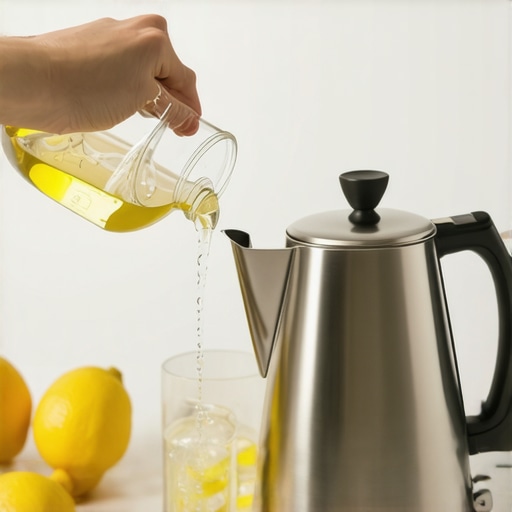
Ever had that sinking feeling when you see a stubborn mineral deposit forming inside your kettle, especially after a hard water spell? Uh-oh—not again. I used to scramble for harsh chemicals, pouring and scrubbing with reckless abandon, only to find the deposits back in a matter of days. One morning, as I watched that cloudy build-up swirl ominously, it hit me: this isn’t just about cleanliness—it’s about my health, my wallet, and our planet.
Why Many of Us Are Descaling the Wrong Way
Most of us reach for that bottle of commercial descaler, unaware of the environmental toll or the lingering chemical residues. I made the mistake early on of thinking a quick spray was enough, but the deposits kept coming back faster than I could boil water. That’s when I researched more sustainable solutions—turns out, some simple, everyday ingredients can do the trick without harming the environment or your skin.
Is Descaling with Natural Methods Actually Worth the Hype?
I used to worry about whether natural methods would really be effective—sounds too good to be true, right? But I discovered that substances like vinegar and baking soda are powerful decalcifiers, and they won’t damage your kettle or the planet. According to a 2020 study published in the Environmental Science & Technology, using eco-friendly cleaning agents can significantly reduce household chemical waste without sacrificing performance. My early misstep was thinking that more chemicals meant better results, but embracing natural solutions proved not only safer but more economical.
In this guide, I’ll share my journey toward a sustainable, effective way to descale your kettle—saving you money and earth’s resources. Ready to ditch the toxic junk and embrace a cleaner, greener approach? Let’s get started and make your water boiling routine safer and smarter!
Prepare Your Cleaning Toolkit with Natural Ingredients
Start by gathering essentials like white vinegar, baking soda, lemon juice, and in a spray bottle. These are your natural cleaning powerhouses. For instance, I once sprayed a mixture of vinegar and water on greasy kitchen cabinets and immediately saw a sparkling shine without harsh chemicals.
Deep Clean Surfaces Using Effective Techniques
Kitchen Counters and Appliances
Spray a solution of equal parts vinegar and water on countertops, then wipe with a microfiber cloth. For stubborn stains, sprinkle baking soda, then scrub gently with a damp cloth. To keep your sink gleaming, soak a cloth in vinegar and wrap around the faucet for 10 minutes—it’s simple and effective. Learn more about sanitizing kitchen counters naturally.
Bathrooms and Grout
Apply a paste of baking soda and lemon juice to tiles and grout. Let sit for 15 minutes before scrubbing with an old toothbrush. For mold prevention, ensure proper ventilation after cleaning. Discover eco-friendly bathroom cleaning tips.
Upholstery and Soft Furnishings for a Fresh Feel
Vacuum upholstery with a HEPA filter to remove dust and pet hairs. Mix water with a few drops of natural fabric refresher (like essential oils) and lightly spritz. To restore softness, sprinkle baking soda, wait 15 minutes, then vacuum thoroughly. During my move, I used this method on my sofa, which left it smelling fresh and looking revived—no chemical smell lingering.
Move-Out Cleaning to Secure Your Deposit
Focus on areas most inspected by landlords, including baseboards, window sills, and behind appliances. For stubborn stains or grime, a paste of baking soda and water works wonders. Check the move-out cleaning hacks to ensure you meet landlord expectations and maximize your deposit return. Remember, a well-cleaned home leaves a good impression and saves trouble later.
Sanitize High-Touch Points Effectively
Use a mixture of equal parts vinegar and water to disinfect door handles, light switches, and remote controls. For extra germ-fighting power, add a few drops of tea tree oil. This routine keeps your home safer without relying on toxic chemicals. I personally sanitized my kitchen door handles this way before a small gathering, and it took less than five minutes to do thoroughly.
Liaise with Professionals for Complex Jobs
If certain areas seem daunting—like deep cleaning carpets or removing mold—consider consulting experts. They bring specialized eco-friendly products and tools that reach tough spots. For example, I hired a professional upholstery cleaner for my heavily stained armchair, knowing that DIY methods wouldn’t suffice. Contact us if you need tailored solutions for your home.
Remember, consistency is key: regular maintenance using these natural methods keeps your home healthy, sparkling, and ready for move-out inspections. Transition smoothly from everyday cleaning to move-out preparation by following integrated routines outlined in guides like the move-out checklist.
,When it comes to sanitizing and deep cleaning, many people operate under misconceptions that can compromise the effectiveness of their efforts. One widespread myth is that using the strongest disinfectant guarantees total sanitation. In reality, overusing harsh chemicals can damage surfaces and your home’s air quality, while ineffective application or choosing the wrong product leaves bacteria behind. According to microbiologist Dr. Susan K. Walton, proper cleaning is about strategic timing and method, not just chemical strength.
Another misconception involves move-out cleaning. Many tenants believe that a quick surface wipe suffices to recover their full deposit. However, neglecting detailed tasks like cleaning behind appliances or inside vents can lead to inspection failures. A thorough checklist, such as the one outlined in this guide, helps avoid costly mistakes and ensures nothing slips through the cracks.
When it comes to upholstery, a common mistake is relying solely on surface cleaning without addressing embedded dirt and allergens. Over time, this oversight can lead to persistent odors and reduced fabric lifespan. The secret lies in understanding fabric types and employing appropriate extraction techniques, as explained in this comprehensive resource. Remember, a deep clean isn’t just about appearance but also about maintaining health and longevity of your furnishings.
Why Do Many Skip the Details in House Cleaning, and Does It Matter?
Many assume that quick, regular wiping replaces the need for detailed cleaning. But dust accumulation in hidden corners, neglected vents, or under baseboards can harbor mold, bacteria, and pests—threats often overlooked in routine chores. These unseen issues can escalate quickly, affecting indoor air quality and even triggering allergies. Dive into expert cleaning secrets to learn how meticulous attention to every corner can make a significant difference.
Furthermore, many underestimate the importance of sanitizing high-touch points correctly. Simply spraying with disinfectant isn’t enough if surfaces are dirty or greasy beforehand. Effective sanitization requires cleaning to remove soil, followed by application of the disinfectant, as emphasized in this article. Proper technique maximizes germ-killing power and safeguards your family’s health.
Have you ever fallen into this trap? Let me know in the comments and share your experiences or tips for avoiding these common pitfalls. Remember, knowing the nuances makes your cleaning efforts more effective and your home healthier.
Keeping It Working: My Recommended Tools for Effortless Maintenance
Maintaining a clean and healthy home doesn’t mean investing in expensive gadgets; rather, it’s about choosing the right equipment that lasts and performs reliably. One tool I swear by is a high-quality microfiber mop with a replaceable head—it’s versatile for both dusting and wet cleaning, and its durability means I avoid constantly buying replacements. For stubborn stains or grime in hard-to-reach spots, I use a grout-cleaning brush with dense, angled bristles—it’s surprising how much residue it can dislodge without harsh scrubbing. Check out my detailed review of this grout brush.
Beyond tools, employing a good quality, eco-friendly cleaning solution—like a concentrated vinegar-based spray—ensures consistent results and reduces chemical waste. I also rely on a reliable handheld steamer, which is invaluable for upholstery, curtains, and even kitchen counters, providing deep sanitation without chemicals. When it comes to moving out or preparing for a big clean, I trust a lightweight cordless vacuum with a HEPA filter; it’s quick and efficient for daily upkeep and detailed cleanings.
How do I maintain my cleaning arsenal over time?
Regularly inspecting and replacing worn-out parts, like brushes or filters, extends the lifespan of my equipment. I also schedule quarterly deep-cleanings of my tools—especially my steamer and vacuum—checking seals and motors, based on guidance from cleaning experts’ tips. These small investments in maintenance avoid costly replacements and ensure optimal performance, which is crucial when tackling tasks like upholstery or move-out cleaning. Anticipating future trends, I believe smart cleaning gadgets—like app-connected vacuums—will dominate, offering better integration with home automation systems for seamless upkeep.
The Key to Longevity in Your Home Care Routines
Consistency is paramount. Using detailed checklists, like the move-out cleaning strategies, combined with your trusted tools, makes your home maintenance more manageable and effective. By investing in proven equipment and adhering to a routine schedule, you build a resilient system that guards against unexpected messes or damage. Remember, a well-maintained home not only looks better but retains its value and safety for years to come.
Over the years, I’ve learned that the biggest shifts in home cleanliness come from embracing the nuanced, often overlooked details—like the importance of thorough sanitization and the power of natural cleaning agents. These lessons have not only transformed my approach but have revealed that sustainable, effective cleaning isn’t about endless scrubbing or toxic chemicals; it’s about strategy, patience, and the right tools.
Lesson from the Trenches: Why Quick Fixes Fail Us
One of the hardest lessons I learned was that superficial cleaning gives a false sense of security. Skipping behind appliances or neglecting high-touch points may seem insignificant, but these areas are bacterial hotspots. I realized that meticulous attention to every detail—like the secrets shared in expert cleaning tips—is essential for genuine hygiene and compliance with move-out requirements. Patience and consistency trumps rushing through routines with harsh chemicals.
Curating My Arsenal of Eco-Friendly Powerhouses
Investing in the right tools and solutions dramatically changed my cleaning game. My trusted microfiber mop for daily maintenance, paired with a versatile grout-cleaning brush from this review, ensures deep cleans without damage. A reliable handheld steamer has become my secret weapon against upholstery odors, and a HEPA-filter vacuum keeps allergens at bay. These tools, complemented by concentrated vinegar solutions from trusted sources, help me maintain a safer and more sustainable home environment. Regular upkeep, including inspecting and replacing worn parts, extends their lifecycle and ensures peak performance.
Shifting the Mindset: Moving Beyond Myths
Misconceptions have cost me dearly—like thinking that flooding surfaces with disinfectant alone guarantees hygiene. Microbiologist Dr. Walton reminds us that proper application and pre-cleaning matter more. Similarly, I used to believe a quick surface wipe was enough for move-out cleaning; now I know detailed inspections—using comprehensive checklists such as this guide—are vital to reclaim deposits and prevent oversight. Addressing embedded dirt in fabrics, as discussed in this resource, prolongs furniture life and preserves health.
Benefits of a Mindful, Detail-Oriented Routine
My experience has shown that cleaning with purpose, focusing on high-touch points like handles and switches with solutions from this article, not only reduces bacteria but also builds confidence. Integrating these practices into my daily schedule—such as the routine in this guide—makes home maintenance manageable and satisfying. The key is consistency: even a few minutes daily can prevent buildup and emergent issues, creating a healthier environment for everyone.
From Frustration to Empowerment: My Cleaning Revelation
Decades of trial and error taught me that natural, strategic cleaning wins over brute force. The quiet power of vinegar, baking soda, and lemon—used correctly—has shown me that truly effective cleaning doesn’t rely on toxins but on intention. Educating myself through trusted resources, like this comprehensive article, has empowered me to transform my home into a sanctuary of health and sustainability. My journey illuminates that mastery comes from embracing the details, trusting proven methods, and having patience.
Insider Wisdom for Lasting Home Freshness
- Don’t neglect hidden corners: Dust, mold, and bacteria linger behind appliances and inside vents—regularly clean these areas with natural solutions to prevent costly repairs and inspections.
- Prioritize high-touch points: Disinfect doorknobs, switches, and handles thoroughly; adding a few drops of tea tree oil boosts antimicrobial effects and freshens odors.
- Understand your fabrics: Deep cleaning upholstery involves more than surface dusting—using proper techniques from this guide protects your furniture and your health.
- Invest in quality tools: Reliable equipment from trusted sources, like a microfiber mop or a handheld steamer, makes regular maintenance efficient and effective, reducing the need for harsh chemicals.
- Stay consistent and plan ahead: Use detailed checklists, such as this one, to ensure no detail escapes, whether for daily upkeep or move-out prep.
Ignite Your Home Care Revolution Today
Remember, a clean and healthy home isn’t just a goal—it’s a continuous journey. By integrating natural methods, investing in trusted tools, and paying attention to the smallest details, you can create an environment that truly nurtures your well-being and peace of mind. Don’t wait for tomorrow’s messes—start transforming your cleaning routine today and experience the difference firsthand.
What part of your home cleaning routine are you ready to change for the better? Share your story or ask questions below—I’d love to hear about your journey toward a safer, greener home.
.