
There I was, elbow-deep in greasy dishes after a long week, only to realize my dishwasher wasn’t draining properly. The lights flickered, and the smell of stale water filled the kitchen. It hit me—my dishwasher’s hidden filter was probably clogged, silently sabotaging my efforts to keep things fresh. That moment of frustration turned into a lightbulb moment: maintaining my dishwasher isn’t just about running it; it’s about giving some love to its inner workings. If you’ve ever faced stubborn odors or poor cleaning results, you know exactly what I mean. Today, I promise to show you how to clean your dishwasher filter in just 3 simple steps, so you can avoid the dreaded breakdowns and keep your appliance running smoothly.
Remove the Filter Carefully
Start by locating your dishwasher’s filter, usually at the bottom of the appliance behind the spray arm. Put on gloves to prevent direct contact with food debris and grime. Gently unscrew or lift out the filter, being cautious not to damage any clips or seals. During my first attempt, I struggled to get it free, accidentally dropping it into a bucket of warm water, which softened the grease and made subsequent cleaning easier. Removing the filter exposes the buildup that hampers drainage and cleaning efficiency.
Soak and Scrub for Deep Clean
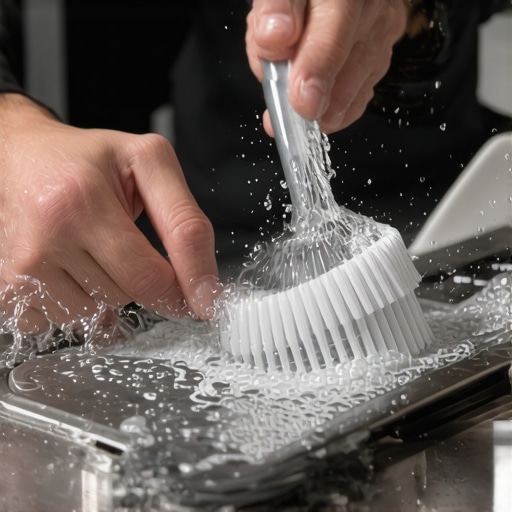
Submerge the filter in warm, soapy water mixed with a cup of white vinegar, which helps break down mineral deposits and grease. Let it soak for 10-15 minutes. Use a soft-bristled brush or an old toothbrush to scrub away stubborn residues, paying close attention to small crevices. I remember once splattering soap everywhere while trying to scrub a particularly greasy filter, but the effort was worth it—my dishwasher drainage improved noticeably after that deep clean. This step ensures the removal of trapped debris and prevents unpleasant odors.
Rinse and Reassemble the Filter
Thoroughly rinse the filter under warm running water to wash away loosened grime and soap residue. Inspect it for any remaining buildup; if present, repeat the scrubbing process. Once clean, reassemble the filter back into its slot, ensuring it’s securely in place. In my experience, a loose filter can cause water leaks or poor drainage, so double-checking its fit is essential. Regularly cleaning the filter every 1-3 months maintains optimal dishwasher performance and prolongs the appliance’s life, preventing costly repairs. For comprehensive cleaning routines, consider visiting [Effective House Cleaning Secrets](https://spotlesscarpetz.com/effective-house-cleaning-secrets-from-cleaning-experts) to keep your entire home spotless.Even seasoned homeowners often fall prey to misconceptions about cleaning routines, especially when it comes to sanitizing, move-out cleaning, upholstery care, and overall house hygiene. Let’s dig deeper into some common myths and share expert insights to elevate your cleaning game.
Many believe that using bleach is the ultimate solution for disinfecting surfaces. While bleach can be effective against certain germs, over-reliance on it can be counterproductive and even hazardous, especially on porous surfaces or delicate fabrics. Modern disinfectants, such as those discussed in sanitizing secrets for a safer house in 2025, often provide broader-spectrum antimicrobial action without the harsh chemical smell or damaging effects.
Why Do People Overlook Upholstery Deep Cleaning?
One trap many fall into is neglecting thorough upholstery care. Regular vacuuming isn’t enough; fibers trap dust mites, pet dander, and bacteria, which can impact allergies and respiratory health. Yet, there’s a misconception that professional cleaning is overly expensive or unnecessary. In reality, regular upholstery cleaning tips can prolong the life of your furniture and improve indoor air quality. Overlooking this vital step leads to a hidden buildup that can silently impair your health and the longevity of your furnishings.
Be cautious about the move-out cleaning myth that a quick wipe-down suffices before handing over keys. Landlords and property managers look for comprehensive cleanliness, including hidden spots like behind appliances or under cabinets. Myths that equate move-out cleaning with superficial tidying can jeopardize your deposit return. Instead, consider detailed checklists and expert strategies, such as outlined in move out cleaning hacks.
What Advanced Mistakes Do Even Experienced Cleaners Make?
One advanced mistake is misapplying cleaning agents, especially when dealing with natural or eco-friendly products. For example, mixing vinegar with ammoniated cleansers can produce hazardous fumes, risking health and surface damage. Additionally, relying solely on visual cleanliness doesn’t guarantee sanitization; bacteria and viruses can remain invisible. This is why integrating proper disinfecting protocols—like those explained in effective sanitizing methods—is essential. Remember, effective sanitizing isn’t just about appearance but about eliminating pathogens at the microscopic level.
Don’t let misconceptions and oversight compromise your home hygiene. Awareness of these nuances empowers you to make informed decisions, ensuring your space is genuinely clean and safe. Have you ever fallen into this trap? Let me know in the comments, and share your experiences or questions about house cleaning secrets that often go unnoticed.
Investing in Reliable Equipment Ensures Lasting Cleanliness
My top recommendation for maintaining high standards is a high-quality steam cleaner. Unlike traditional mops or chemical sprays, a steam cleaner penetrates deep into carpets, upholstery, and even tile grout, killing germs instantly without harsh chemicals. I personally use the Vaporetto Genius; it’s durable, heats up quickly, and is versatile enough for both deep cleaning and regular upkeep. Regularly investing in tools like this prevents buildup, prolongs your home’s freshness, and reduces the need for frequent professional interventions.
How do I maintain my cleaning tools over time?
Proper maintenance of your equipment is crucial. For instance, I always descale my steam cleaner every 20 hours of use using manufacturer-recommended descaling solutions. This prevents mineral deposits that can impair performance and ensures maximum germ-killing ability. Additionally, replacing microfibre cloths every few months keeps debris from spreading. Modern tools are evolving rapidly, with smart vacuum systems that self-clean filters or notify you when to replace parts, pointing toward a tech-forward cleaning future. Staying updated with these advances is key to a sustainable, effective cleanup routine.
Adopt a Consistent Routine to Avoid Long-Term Issues
Implementing a weekly schedule for deep cleaning, upholstery refresh, and appliance maintenance solidifies your home’s hygiene over time. Integrate regular sanitizing hacks, like those outlined here, into your routine for ongoing protection against germs. Remember, cutting corners today creates more work tomorrow, so proactive upkeep is the way to go. And don’t forget to inspect your tools regularly for any signs of wear or malfunction—staying attentive ensures they serve you effectively for years to come.
What advanced practices can help you scale your cleaning efforts easily?
One strategy I’ve adopted is systematically scheduling appliance maintenance during seasonal changes. For example, cleaning your dishwasher filter every three months prevents odors and improves performance, saving you money on repairs and replacements. Automated reminder apps integrated with your calendar can streamline this. As home standards grow higher, leveraging professional-grade tools and consistent routines will be more critical than ever. Looking ahead, I predict smarter cleaning devices with AI integration will become more affordable, making home maintenance less laborious and more precise. For now, try setting a monthly timer to double-check your equipment—little steps lead to lasting results.
What I Wish I’d Known About Disinfecting and Moving Out Smarter
After years of trial, error, and learning from mistakes, I’ve realized that some cleaning secrets aren’t obvious at first glance. For instance, I used to think that a quick wipe was enough for move-out cleanliness, but uncovering hidden grime behind appliances taught me the importance of thoroughness. It took a few costly deposits to learn that deep cleaning, including areas behind refrigerators and under sinks, makes all the difference. Embracing these lessons transformed my approach, saving money and stress in the long run.
Tools That Changed My Housekeeping Routine
Investing in high-quality, reliable cleaning equipment has been a game-changer. My favorite is a versatile steam cleaner, which effectively sanitizes without relying on harsh chemicals—great for upholstery and hard floors. I also trust specialized brushes, like the grout brush, to make grime removal easier. These tools, combined with eco-friendly products, enable me to maintain a healthy home environment while reducing chemical exposure. Having the right gear makes the routine more efficient and enjoyable, inspiring consistency.
Connecting Housework with Mental Well-being
Maintaining a clean home isn’t just about appearances; it deeply affects my mental state. A clutter-free, sanitized space provides peace of mind and boosts my focus. During stressful weeks, dedicating a little time to house cleaning acts as a mindfulness practice—creating a sanctuary from chaos. Knowing I’m protecting my family from germs and allergens adds purpose to each task, turning chores into acts of self-care rather than burdens.
Action Steps for Lasting Cleanliness
For genuine, long-term results, I recommend establishing a routine that combines regular maintenance with occasional deep cleans. Scheduling weekly tasks like surface disinfecting and vacuuming, along with monthly intensive chores—such as deep upholstery cleaning or descaling appliances—prevents buildup and extends the life of household items. Using reminders or checklists ensures consistency, making cleanliness a natural part of life rather than a stressful chore. Consistent effort today pays off tomorrow through a safer, healthier home environment.