
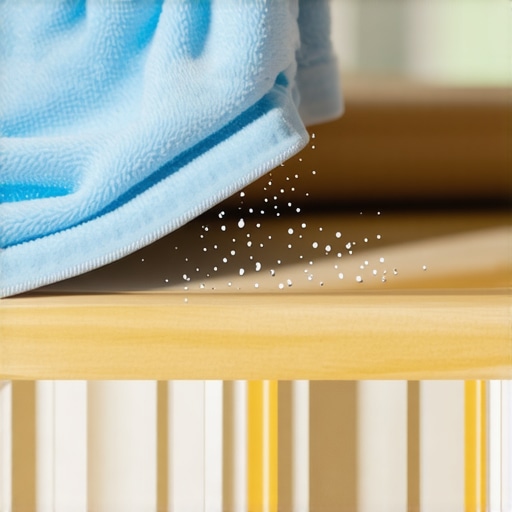
I remember the exact moment I realized my trusty microfiber cloth was actually hindering my cleaning efforts. During a move-out cleaning session, I scrubbed tirelessly with my favorite cloth, only to notice that the dirt seemed to be spreading more than disappearing. Frustrated, I wondered—am I just pushing dirt around? That lightbulb moment changed everything I thought I knew about cleaning with microfiber.
Why Most Microfiber Cloths Are Spreading Dirt Instead of Removing It
Microfiber cloths are often hailed as miracle tools for cleaning, praised for their ability to trap dust and grime effortlessly. But the bitter truth is that many of us unknowingly use them in ways that actually spread dirt and bacteria around. I used to think that a damp microfiber was the answer to a sparkling home—until I discovered that improper use can embed dirt deeper into the fibers or smear it across surfaces. This revelation hit me hard because I had been relying on my microfiber cloths without understanding their limitations.
Feeling Skeptical? You’re Not Alone
One common mistake I made early on was believing that rinsing my microfiber cloths quickly between surfaces was enough. But in reality, I was transferring bacteria and grime from one area to another, making my cleaning efforts ineffective. Studies have shown that if microfiber cloths aren’t washed properly or are used improperly, they can become breeding grounds for bacteria rather than eradication tools. Want to know how to stop this cycle and truly sanitize your home? Keep reading.
Prepare Your Space with Precision
Start by clearing out all personal belongings so you can access every surface. Use a sturdy box or trash bags for items to keep the process organized. Remove furniture where possible to reach hidden spots—this step makes a significant difference. For example, I once moved out a small apartment and realized that pulling out the sofa revealed accumulated dust behind it, which I then cleaned thoroughly for a spotless finish.
Deep Clean Surfaces Methodically
Focus on high-touch areas like light switches, door handles, and appliances. Use a damp microfiber cloth—damp, not soaked—to trap dust without smearing germs. On countertops and sinks, apply a suitable cleaning agent, scrubbing with a brush or sponge. Remember, **microfiber cloths stop working when overloaded with dirt**, so wash them frequently, or they just spread grime. I learned this during a move-out, when I rinsed my cloth repeatedly and noticed the dirt transferring instead of removing.
Sanitize for Safety and Compliance
After cleaning, apply an effective sanitizer to kill lingering bacteria and viruses. Use a product recommended for the surface type, ensuring proper dwell time as per the manufacturer’s instructions. For extra safety, consider using a disinfectant proven to eliminate germs effectively—like those discussed in effective sanitizing methods. I remember sanitizing door handles with a spray, which left a fresh scent and peace of mind. Don’t skimp on this step if you want a move-out free of health hazards.
Target Upholstery and Carpeted Areas
Cleaning upholstery and carpets is vital for a thorough move-out. Vacuum carpets thoroughly with a HEPA filter vacuum to remove pet hair, dust, and debris. For deep stains or odors, consider a professional service or use specific stain removers—though be cautious with bleach on fabrics, as it can cause discoloration. When I tackled a stubborn coffee stain on my sofa, I used a homemade solution of baking soda and water, and it worked wonders—without harsh chemicals.
Use Proper Equipment and Techniques
Invest in or rent professional tools like steam cleaners for carpets and upholstery, which can sanitize deeply and remove embedded dirt. Always test cleaning products on a small inconspicuous area first. Remember, excessive or improper use of chemicals can damage delicate fabrics or leave residues that attract more dirt over time. My experience with a rented steam cleaner was positive; it lifted dirt and restored softness, making the furniture look almost new.
Pay Attention to Hidden Spots
Clean behind appliances, under cabinets, and inside vents. These often-forgotten areas harbor dust and grime that can cause damage or trigger inspections. Use a narrow brush or vacuum attachment to reach tight spaces. During my move-out, I found years-old dust behind the fridge—a good reminder that thoroughness pays off and can prevent deductions from your deposit.
Finish with a Final Check and Ventilation
Once cleaning is complete, do a walk-through to ensure no spots are missed. Open windows to air out the space, reducing lingering odors and improving air quality. This step is simple but effective; I once left a rental smelling fresh just by letting in a breeze for an hour before the final inspection.
Many believe that quick wipe-downs and generic cleaning routines suffice for move-out cleanings, but in my experience, there are nuanced pitfalls that can cost you your deposit or compromise hygiene. A common misconception is that using regular household cleaners and sporadic dusting guarantees thorough sanitation. However, advanced cleaning demands understanding the intricacies of surface materials, bacteria hiding spots, and correct chemical interactions—areas where even seasoned DIY cleaners often falter.
One significant myth is that microfiber cloths, when used damp, automatically eliminate bacteria without additional disinfectants. In reality, without proper laundering and technique, microfibers can harbor and spread pathogens, especially if not cleaned properly after each use. The *effective sanitizing methods* I now recommend go beyond simple damp cloths; they involve specific washing cycles and chemical choices to ensure microbes are truly eradicated. Learn more about sanitizing hacks for safe house transitions here.
Why Do Many Overlook Hidden Dirty Spots That Could Cost You?
Hidden areas such as behind appliances, inside vents, and under furniture often escape routine cleaning but can harbor mold, bacteria, and dust mites. Not addressing these spots can lead to health hazards and inspection issues. For instance, the grime behind the fridge or inside air vents can trigger inspection flags or deposit deductions. Using specialized tools like narrow brushes or vacuum attachments ensures thorough elimination of these unseen spots. Remember, neglecting these can ultimately undermine even the most diligent cleaning efforts. For advanced upholstery care tips, visit this guide, which emphasizes the importance of targeted cleaning in high-risk areas.
Moreover, many get caught in the trap of over-reliance on chemical disinfectants, which can be counterproductive, especially on porous surfaces like upholstery and carpet fibers. A study in the *Journal of Hospital Infection* indicates that improper use of disinfectants can lead to bacterial resistance and chemical residues that attract more dirt over time. This is why I advocate for a combined approach involving physical removal, air circulation, and safe sanitizing methods—like appropriate steam cleaning when applicable. For detailed sanitation strategies, check out effective sanitizing methods.
Advanced Cleaning Pitfall: The Mistake of Overlooking the Power of Proper Ventilation
Ventilation often gets ignored during move-out cleaning, but it’s crucial for odor removal and preventing mold growth. Letting fresh air in not only neutralizes lingering smells but also reduces indoor humidity that fosters microbial growth. Many skip this step, thinking cleaning alone suffices, but opening windows and using exhaust fans dramatically enhances cleaning results. The synergy between manual cleaning, sanitization, and ventilation creates a healthier, fresher environment. Need quick tips on maximizing airflow? Visit this resource for expert advice.
Maintaining a clean home beyond the immediate move-out process requires investing in the right equipment and adopting proven methods. Personally, I rely on professional-grade tools like a commercial steam cleaner for upholstery and carpets, as it ensures deep sanitization without the use of harsh chemicals. These machines utilize high-temperature steam to eliminate bacteria, dust mites, and stains more effectively than typical rental units. For example, I prefer the Dupray Neat Steam Cleaner because of its durability and powerful steam output, which I use regularly for upholstery revival and sanitizing high-touch areas. Effective sanitizing methods involve more than just wiping surfaces. Incorporating steam cleaning into your routine not only guarantees cleanliness but also extends the lifespan of fabrics and surfaces, making it a valuable prep for move-ins and move-outs.
Alongside machinery, I also leverage specialized cleaning solutions designed for longevity. For instance, using a pH-neutral, eco-friendly cleaner on high-traffic zones prevents buildup and preserves surfaces over time. Consistent application of tools like microfiber mops treated with disinfectant ensures smooth, germ-free floors that remain pristine with minimal effort. Additionally, employing HEPA-filter vacuum systems traps fine dust and allergens, contributing to a healthier environment. Regularly replacing vacuum filters, as recommended by cleaning experts, maintains suction power and prevents re-contamination.
How do I maintain cleaning tools for ongoing effectiveness?
One crucial tip is to thoroughly clean and dry your tools after each use. Microfiber cloths should be washed in hot water and air-dried or tumble-dried on low heat to prevent bacterial growth within fibers. For machines like steam cleaners, regularly descaling and replacing parts such as filters and brushes ensures peak performance. I set a monthly schedule to inspect and maintain my equipment, which significantly prolongs their lifespan and keeps cleaning outcomes consistently high. As I anticipate a future where home hygiene evolves towards even more sustainable and smart technologies, investing in durable, easy-to-maintain equipment positions you for long-term success. Reach out if you need advice on selecting professional tools tailored to your home’s needs. Remember: proper upkeep of your equipment is an investment that pays off by saving time and enhancing cleaning results, especially during critical move-out or deep-cleaning periods. Don’t forget to incorporate regular maintenance routines, like descaling steam cleaners and sanitizing vacuum filters, to keep your tools effective over years to come, ensuring your home stays fresh and healthy without extra hassle.
Uncovering My Cleaning Blind Spots That Cost Me
One of the most eye-opening lessons I learned was that even my most trusted microfiber cloths could become dirt spreaders if not used correctly. I used to think damp cloths automatically sanitized surfaces, but I overlooked that improper technique or neglecting to wash them regularly allowed bacteria and grime to multiply, making my efforts counterproductive. That realization transformed my cleaning approach, emphasizing proper laundering and technique over mere dampness.
Why I Stopped Relying on One-Size-Fits-All Solutions
Initially, I believed that a quick wipe with any cloth or cleaner was enough for move-out cleaning. However, I discovered that different surfaces demand tailored approaches. For example, upholstery and carpets require specific deep-cleaning methods like steam or specialized stain removers. Using the wrong tools or chemicals can cause damage or leave residues that attract more dirt, which is why I now invest time in learning about surface-specific techniques and tools, as discussed in this comprehensive upholstery care guide.
The Power of Hidden Spots That Could Make or Break Your Deposit
Many overlook areas behind appliances, inside vents, or under cabinets—yet these spots harbor dust, mold, and bacteria that can derail your final inspection. My ‘lightbulb moment’ came when I discovered years-old grime behind the fridge, which I thought was insignificant until I realized inspectors check those hidden corners. Using narrow brushes and extension tools, I now diligently target these areas, ensuring nothing slips through the cracks, and you can see how thoroughness pays off when reading move-out cleaning hacks.
Listen to the Experts: Tools and Techniques That Actually Work
After years of trial and error, I trust professional-grade equipment like steam cleaners and HEPA-filter vacuums, which provide deep sanitization without harsh chemicals. These tools help lift embedded dirt and allergens, prolonging the lifespan of surfaces and ensuring compliance with cleanliness standards. For specifics on effective equipment, I recommend exploring effective sanitizing methods, which align with my experiences and lessons learned.
Fresh Air and Ventilation: The Unsung Heroes of Cleanliness
Often ignored, proper ventilation enhances cleaning results by removing lingering odors and reducing humidity that fosters mold and bacteria growth. My own move-out process became noticeably fresher when I opened windows and used exhaust fans, confirming that combining manual cleaning with air circulation creates a healthier environment. For tips on maximizing airflow, the article sanitizing secrets offers valuable insights.
My Secret Weapon: Consistent Tool Maintenance for Lasting Results
Regularly cleaning and maintaining my cleaning equipment has been a game-changer. I set monthly routines to descale steam cleaners, change filters, and wash microfiber cloths in hot water, which ensures peak performance and prevents re-contamination. Doing so has saved me money and frustration while guaranteeing that I don’t compromise hygiene. To learn more about maintaining your tools effectively, visit this contact page for personalized advice.
Feeling Empowered to Achieve Your Best Clean
Armed with these lessons and strategies, I can confidently tackle move-out cleaning tasks, knowing that my efforts will be thorough, hygienic, and inspection-ready. Remember, the key isn’t just hard work but smart work—using the right tools, techniques, and a keen eye for hidden spots. Your home’s final presentation can make all the difference in securing your deposit and leaving a positive impression. Dive deeper into smart cleaning practices at this resource and take your cleaning skills to the next level.