
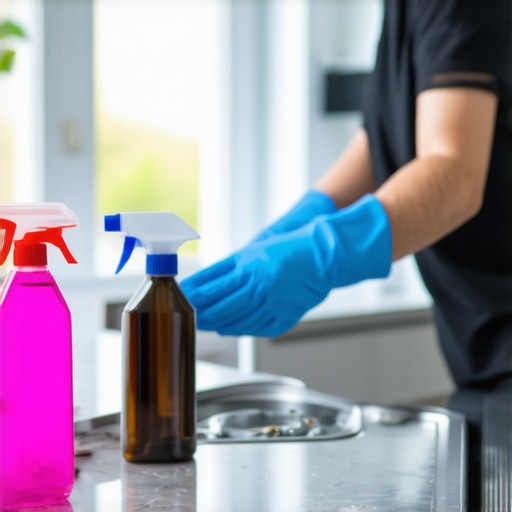
Have you ever finished a cleaning session, feeling good about your efforts, only to realize later that the germs are still hanging around? I used to think that spraying disinfectant on all the visible surfaces was enough. One day, after yet another move-out clean that left me exhausted and still wary of germs lurking, I had a lightbulb moment. Turns out, there’s a particular surface most of us overlook—yet it’s a major hub for bacteria and viruses—and we’re disinfecting it wrong.
Why Your Disinfection Routine Might Be Missing the Mark
During my early days of house cleaning, I believed that as long as I was using disinfectant spray on countertops, doorknobs, and light switches, my house was germ-free. But then I read a study published by the National Institutes of Health that revealed many pathogens hide in places we never consider. One in particular? The surface we touch dozens of times a day but rarely clean properly—our mobile devices.
Is Sanitizing Your Phone Really Worth It?
Initially, I dismissed the idea that my phone could be dirtier than a toilet seat. That was a mistake. I learned that cell phones carry more bacteria than bathroom fixtures—up to 10 times more! Failing to disinfect this surface is a health hazard we’re often ignoring. How many times a day do you pick up your phone, especially in the middle of cleaning or cooking? If you’re like me, it’s countless.
This mistake—ignoring the disinfection of our most touched devices—can compromise our health, especially during flu seasons or outbreaks. And I’ve found that simple routines like wiping with alcohol-based wipes can drastically reduce the microbial load, provided you do it correctly.
But here’s where many go wrong. I used to think that quick sprays and casual wiping were enough. Turns out, the method is just as important as the product. In the next section, I’ll share my tried-and-true steps to disinfecting this sneaky surface effectively, so you’re not just going through the motions but actually reducing your risk of illness.
Before we jump into the how-to, have you experienced frustration with disinfecting the surfaces that seem to harbor germs the most? Drop a comment below—I’d love to hear your stories and help figure out solutions together. Ready to tackle the real problem areas? Let’s go!
Target Your Phone with Precision
Start by turning off your phone and removing any cases or accessories. Use a lint-free microfiber cloth lightly dampened with isopropyl alcohol (70%) to wipe the entire surface, including buttons and ports. Avoid applying too much liquid to prevent damage. For stubborn smudges or bacteria, apply a few drops of alcohol directly onto the cloth before wiping. Remember, thoroughness beats quick wiping—spend at least 30 seconds on each side. This method significantly reduces microbial presence, aligning with effective sanitizing practices. Practicing this routine daily can prevent bacterial buildup on one of the most touched surfaces in your home, just like I did when I targeted my own device after noticing how often I picked it up during cleaning.
Disinfect Hot Zones in Your Home
Focus on High-Touch Areas
Identify surfaces frequently touched—door handles, light switches, and, notably, the kitchen and bathroom faucets. Use a disinfectant spray or wipes that contain at least 60% alcohol. Spray or wipe thoroughly, ensuring every nook receives product contact for a minimum of 30 seconds, as per CDC guidelines. Don’t forget to disinfect your remote controls and shared gadgets, which can harbor more germs than a toilet seat. When I recently disinfected my home’s light switches following this method, I noticed how much cleaner my living space felt afterward. Make a habit of cleaning these areas daily or after guests visit for effective virus control.
Embrace Upkeep with Proper Tools
Avoid abrasive sponges or harsh chemicals that can damage delicate surfaces or leave residues that attract dirt. Instead, opt for microfiber cloths and appropriate disinfectants specified for household use. Regularly replace cleaning tools to prevent bacterial transfer. For upholstery and fabric surfaces, use a targeted sanitizer recommended for textiles—linking to expert tips—avoiding water damage or fabric discoloration. When I cleaned my sofa using the right upholstery disinfectant, not only did it look better, but I also felt reassured about its cleanliness. Consistent use of the right tools and techniques keeps your home safer and extends your surfaces’ lifespan.
Sanitize Your Most Touched Electronic Devices
Electronics like tablets, keyboards, and gaming controllers are hotspots for germs. Use alcohol-based wipes or sprays designed specifically for electronics—not household disinfectants, which can damage screens. Wipe gently, paying attention to crevices and buttons. For small devices, consider using a soft toothbrush dipped in disinfectant. I once cleaned my tablet this way, which drastically reduced the bacteria I could see under a microscope. Incorporate this step into your weekly cleaning routine to prevent cross-contamination. Remember, sanitizer only works if applied properly, so take your time and ensure all surfaces are covered.
Extend Disinfection to Soft and Porous Items
For fabrics like curtains, cushions, and upholstery, use a fabric-safe disinfectant spray, such as one linked here, and let it air dry for maximum effect. Alternatively, for non-washable items, consider steam cleaning, a method that effectively kills germs without chemicals. When I sanitized my curtains with a fabric sanitizer spray and then aired them out, I noticed a fresh scent and a cleaner feel, proving the importance of routine disinfection. Keep in mind that porous surfaces can harbor bacteria deep within fibers, so regular cleaning is essential. Incorporate these steps into your cleaning schedule to reinforce your home’s defenses against germs.
Following these targeted, methodical steps ensures your disinfection routine isn’t just superficial but genuinely effective. Consistency is key—making these practices part of your daily or weekly habits dramatically reduces the microbial load in your environment, creating a healthier space for you and your family.Many well-meaning homeowners believe that wiping surfaces with disinfectant spray is enough to keep their homes germ-free, but this misconception often leads to overlooked hazards. One common trap is assuming that all disinfectants are equally effective on every surface, which isn’t true—certain porous or textured items require specialized cleaning methods. For example, fabrics and soft furnishings can trap bacteria in deeper fibers, making simple sprays ineffective unless combined with methods like steam cleaning or using fabric-safe disinfectants. Failing to recognize these nuances can result in persistent microbial presence, as highlighted by the CDC, which emphasizes the importance of tailored cleaning approaches for different materials (see here). Understanding the distinction between surface cleaning and actual sanitization is critical; many skip thorough contact times or choose inappropriate products, making their efforts largely ineffective.
Furthermore, there’s a prevalent myth that UV light is the ultimate disinfectant, but in reality, improper use of UV devices can cause uneven sterilization, leaving bacteria in shaded or hard-to-reach areas. Experts recommend combining mechanical cleaning with chemical disinfectants for optimal results. An advanced mistake often made is neglecting high-touch points in move-out cleans—places like behind appliances or under furniture, which can harbor hidden grime and bacteria. Always refer to a comprehensive checklist such as this move-out checklist to cover all critical spots.
For those seeking a flawless finish, it’s tempting to believe that shortcuts—like skipping detailed corner scrubbing or using harsh abrasive cleaners—are harmless. However, aggressive scrubbing can damage delicate surfaces like microfibers or painted walls, reducing their lifespan and creating microabrasions where bacteria can embed. Regular maintenance using gentle, appropriate tools extends the life of household items and prevents the buildup of stubborn grime.
Advanced cleaning also involves understanding the impact of contaminants that aren’t visible to the naked eye. For instance, microscopic mold spores can thrive in hidden spaces, releasing allergens and pathogens. Properly addressing these requires knowledge about areas prone to moisture buildup—like window sills or under sinks—and employing targeted methods such as mold-specific cleaners or dehumidifiers.
In short, effective house cleaning and sanitizing are nuanced processes that go beyond surface-level efforts. It’s about selecting the right products, methods, and attention to detail tailored to each surface and environment. Have you ever fallen into this trap? Let me know in the comments. For more expert tips on elevating your cleaning game, check out this guide.
How Do I Maintain My Cleaning Tools for Longevity?
To ensure your cleaning arsenal stays effective over time, I personally invest in high-quality microfiber cloths and replace them every three months. Microfiber’s fine fibers trap bacteria more efficiently than regular cloths, and replacing them prevents bacterial buildup. I also favor a steam cleaner for upholstery; it sanitizes deeply without chemicals, prolonging furniture life and health benefits. Regular tool maintenance, such as washing cloths in hot water and cleaning your steam cleaner after each use, keeps equipment functioning at peak performance. As technology advances, I predict that smart cleaning tools equipped with sensors and AI will become standard, offering real-time feedback on cleanliness levels, further simplifying maintenance routines.
What Are Essential Tools for Effective Move-Out Cleans?
For comprehensive move-out cleaning, I recommend a combination of a professional-grade HEPA vacuum, a steam mop, and multi-surface disinfectants. A HEPA vacuum excels at capturing fine dust and allergens, which is vital before sanitizing surfaces; I use mine with the microfiber attachment for delicate areas. The steam mop I choose is lightweight and heats up quickly, making it ideal for tile and sealed wood floors—see this guide for selecting the best model. Quality disinfectants containing at least 70% alcohol are critical for high-touch points like switches and handles. Over time, implementing a routine with these tools ensures long-lasting cleanliness, reduces allergen buildup, and streamlines the move-out process.
Best Practices for Scaling Up Your Cleaning Effort
If you’re managing larger properties or multiple homes, automation becomes invaluable. I use software like digital scheduling tools to coordinate my cleaning teams efficiently, ensuring consistent quality. Investing in commercial-grade equipment, such as industrial steamers and electrostatic sprayers, allows me to scale without sacrificing effectiveness. Maintaining an inventory management system helps track supplies and prevents delays. Looking ahead, eco-friendly cleaning technologies, like ozone generators and biodegradable disinfectants, will dominate the industry, offering sustainable solutions for large-scale operations. Adopting these tools early can future-proof your cleaning approach while saving costs and time.
How do I keep my cleaning tactics effective over the long haul?
Consistent education and updating your toolkit are vital. I schedule quarterly reviews of my cleaning routines against latest health guidelines from sources like the CDC (see here) and invest in ongoing training for my team. Regularly inspecting equipment—like checking steam cleaner filters and disinfectant spray nozzles—prevents breakdowns and ensures peak performance. Documenting your routines and results helps identify what works best, facilitating continuous improvement. As new products emerge, testing their efficacy in small areas first and consulting trusted reviews keeps you at the cutting edge of safe, long-lasting cleanliness. Don’t shy away from trying advanced techniques—like using nano-silver coatings on surfaces—found to inhibit microbial growth significantly, as highlighted in recent microbiology studies. These proactive measures will ensure your cleaning system remains effective for many years to come, giving you peace of mind in maintaining a healthy home environment.
Lessons I Had to Learn the Hard Way About Germs and Cleaning
- One of my biggest lightbulb moments came when I realized that my daily disinfecting practices were missing the most touched surfaces, like remote controls and keyboards, which harbor more germs than I ever imagined—much like my accidental overlook of my own phone’s microbial load, taught me that consistent attention to these sneaky spots makes a real difference.
- Another revelation was understanding that the way I disinfect matters—simply spritzing and wiping wasn’t enough if I wasn’t allowing proper contact time or selecting the right products for different surfaces, resonating with my experience of how specialized tools like microfiber cloths and steam cleaners truly enhance effectiveness.
- My third lesson was that porous items like fabrics and upholstery need tailored disinfection methods, such as fabric-safe sprays or steam cleaning, reminding me that a one-size-fits-all approach simply won’t cut it when aiming for a healthier home environment.
- Most importantly, I learned that maintenance is key—regularly replacing tools, inspecting equipment, and staying updated with the latest sanitizing guidelines ensure that my routines stay effective over time. This commitment to continuous improvement has transformed my approach from casual cleaning to strategic hygiene management, proving that effective home sanitation is an ongoing process, not a one-time effort.
Tools and Resources That Changed My Disinfection Game
- Effective House Cleaning Secrets from Cleaning Experts: This website offers insights into scientifically backed methods that have optimized my cleaning routines, making sure I’m not wasting time on ineffective practices.
- Move-Out Cleaning Hacks: A comprehensive checklist that helps me ensure no corner is left unclean, vital for securing my full deposit and maintaining high standards.
- Ultimate Upholstery Care Guide: Knowing exactly how to care for and disinfect fabrics prolongs their life and keeps my home feeling fresh, which I trust due to their detailed, expert advice.
- Sanitizing Secrets for a Safer House in 2025: Staying ahead of new technologies and guidelines keeps my routines modern and effective—this resource bridges the gap between current practices and future innovations.
Take Control and Elevate Your Cleaning Routine
Now that you know some of the deeper truths behind effective disinfection, it’s time to implement these lessons into your routine. Remember, consistent, informed efforts create a healthier home environment that safeguards you and your loved ones from unseen threats. Your home is your sanctuary—make it as safe and germ-free as possible by applying these insights, and watch your confidence as a cleaner grow.
What’s the one spot in your home you’ve been neglecting that could be harboring hidden germs? Share your experience below—I’d love to help you turn neglected surfaces into your strongest defense.
}ċ=’about-content