
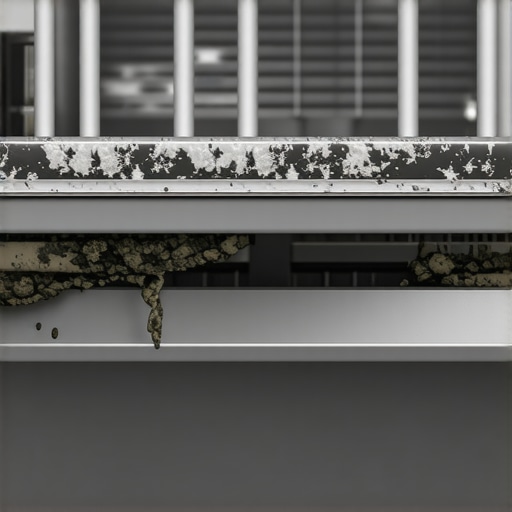
I remember the day I moved out of my apartment, eager to start fresh, only to be hit with a surprise inspection report highlighting something I totally overlooked—the dreaded dishwasher seal grime. That stubborn buildup of grime around the dishwasher’s door seal? Turns out, it’s the first thing most move-out inspectors flag. A little overlooked, yet it can make or break your chance at getting that full deposit back.
Why the Dishwasher Seal Is the Inspection’s Secret Weapon (or Villain)
Many folks don’t realize that the grime hiding in dishwasher seals is a silent thief, eroding your deposit and dragging down your home’s cleanliness score. It’s a sneaky area that accumulates soap scum, mold, and food particles, especially over busy weeks. I learned this the hard way early in my cleaning journey—trust me, I used to skip this spot, thinking a quick wipe was enough. Spoiler: It’s not. Regular attention to your dishwasher’s seal not only ensures sparkling dishes but can be the key to passing move-out inspections with flying colors.
Is Proper Cleaning Really Worth the Effort, or Just a Waste of Time?
I initially dismissed the importance of seal maintenance. Cutting corners seemed harmless—until I learned that inspectors look for precisely this grime, and a dirty seal can lead to deductions. A professional cleaner confided that many deposit disputes are settled over overlooked seals. Don’t let bad habits cost you a hefty refund. Want a simple, effective way to tackle this problem? Check out this [move-out cleaning checklist to simplify your transition](https://spotlesscarpetz.com/move-out-clean-checklist-to-simplify-your-transition).
As we proceed, I’ll guide you through straightforward steps to eradicate those stubborn grime spots, ensuring your dishwasher—and your deposit—remain intact. Are you ready to reclaim your cleaning confidence and keep that security deposit safe? Let’s dive in.
Start with a Clear Plan and Checklist
Before diving into cleaning, create a detailed move-out cleaning checklist. Break down tasks room by room, prioritizing high-visibility areas and items that inspectors scrutinize, like kitchen appliances and bathroom fixtures. This approach keeps you organized and ensures no critical spots are overlooked.
Remove Visible Dirt and Debris First
Begin by tidying up visible debris—scrape off sticky residue, vacuum loose dirt, and pick up trash. For stubborn spots, use a putty knife or rubber scraper to gently lift grime without damaging surfaces. Think of it as clearing the stage before the main act; a clean surface makes subsequent steps more effective.
Deep Clean Floors and Surfaces
Clean Carpets and Upholstery Effectively
Vacuum thoroughly, paying special attention to corners and edges, then follow with a deep extraction for carpets. For upholstery, use a professional-grade cleaner or consider hiring experts for a thorough refresh. An analogy: cleaning upholstery is like giving your furniture a health spa—removing not just dust but hidden allergens and odors.
Sanitize High-Touch Areas
Disinfect light switches, doorknobs, counters, and appliance handles using an effective sanitizing method. Apply disinfectant and let it sit for at least 10 minutes to ensure germs are eradicated. This step is crucial—it’s like applying a safety shield over the surfaces you touch daily, preventing germ spread during and after your move.
Focus on Kitchen Appliances
Deep-clean oven racks by removing and soaking them in a mixture of hot water and baking soda. Use a move-out cleaning hack to tackle oven interiors and under appliances with a grease-cutting solution. Don’t forget to clean the dishwasher filter and seals, as grime here is a common cause of inspection failures—think of it as the hidden villain behind multiple issues.
Sanitize and Eliminate Odors
To ensure your place smells fresh, employ sanitizing hacks like spritzing with vinegar solutions or using commercial odor eliminators. For stubborn odors, consider professional treatments—like deep breathing exercises for your house—resetting its freshness and making the space inviting.
Detail Every Nook and Cranny
Inspect and clean overlooked spots such as baseboards, window sills, and vent covers. Use a micro brush or compressed air to dislodge dust in hard-to-reach areas. Remember, small details make a huge difference—it’s like polishing the jewel of your home before the inspector’s visit.
Final Inspection and Touch-Ups
Walk through each room, checking off items from your move-out cleaning strategies. Make sure all surfaces shine, and if surfaces look dull, reapply polish or disinfectant. Treat this as the final flourish—your signature on a pristine space.
Stay Consistent and Use Proper Techniques
Adopt a cleaning rhythm that includes daily maintenance with a daily routine to prevent buildup. Use microfiber cloths instead of rough scrubbers to avoid damaging surfaces, much like nurturing a delicate plant—careful attention preserves its health and appearance.
Remember, the key to securing your deposit is not just cleaning but deep, meticulous sanitizing combined with attention to detail. Practice these steps consistently, and your move-out process will become smoother and more rewarding.
Many homeowners and tenants believe that a quick wipe and surface-level cleaning suffice for move-out day. However, this misconception often leads to unexpected deposit deductions. One common myth is that focusing solely on visible dirt is enough; in reality, unseen grime and bacteria hiding in overlooked spots can cause rejection during inspections. For example, many overlook the importance of properly sanitizing high-touch surfaces like light switches and appliance handles, which harbor germs responsible for unpleasant odors and potential health hazards. An advanced mistake involves underestimating the necessity of thorough upholstery cleaning. Experts emphasize that neglecting deep-cleaning upholstery can result in persistent odors and allergen buildup, upsetting even professional inspectors. According to the American Society of Home Inspectors, infestations of hidden bacteria in household textiles significantly impact a property’s cleanliness score, emphasizing the importance of dedicated upholstery maintenance. Moreover, many assume that using generic cleaning products is enough; however, mismatched chemicals can reduce effectiveness or cause surface damage. A critical trap to avoid is relying solely on vinegar and water solutions, which may be ineffective against certain pathogens. Instead, employing proper sanitization techniques is essential. This advanced approach ensures the elimination of bacteria and viruses, making your space safer and more likely to pass inspection. Additionally, neglecting detailed areas like behind appliances, vents, and baseboards is a costly oversight. These spots often trap grime and dust, invisible to the naked eye but obvious to inspectors. Addressing such nuances can be the difference between a full deposit return and a disappointing deduction. Finally, many people underestimate the importance of a comprehensive cleaning checklist tailored to move-out standards. A move-out checklist guides you in systematic cleaning, preventing critical omissions. Remember, superficial cleaning might work for everyday tidying, but a deathly thorough approach is necessary to avoid costly mistakes. Think you’re ready? Or have you ever fallen into this trap? Let me know in the comments!
Investing in the Right Equipment: Tools I Recommend
To keep your home spotless and ensure that no detail is overlooked during move-out cleaning, having the right tools is paramount. I personally swear by a high-quality steam cleaner because it disinfects without chemicals, effectively sanitizing surfaces like counters, bathroom tiles, and upholstery. For instance, the ultimate upholstery care guide emphasizes steam cleaning as an eco-friendly, deep-clean method that prolongs furniture life. Additionally, a cordless handheld vacuum with strong suction is invaluable for quick cleanups of tight spots such as behind appliances and vents. I also recommend investing in microfiber cloths, which trap dust effectively without scratching surfaces—these are a game-changer for detailed work like baseboard cleaning, often overlooked but critical for move-out inspections.
Maintaining Your Cleaning Arsenal Over Time
Proper upkeep of your cleaning tools ensures they remain effective and extend their lifespan. For example, regularly replacing or cleanings filters in your steam cleaner prevents mold buildup and maintains peak performance. Microfiber cloths should be washed separately from fabric softeners, which diminish their electrostatic properties, reducing effectiveness. Using proper cleaning solutions is equally essential; avoid harsh chemicals that can degrade your tools or damage delicate surfaces. Instead, opt for natural disinfectants like vinegar solutions, but remember they have limitations—see the effective sanitizing methods page for guidance. Scheduled maintenance of your tools makes recurring cleaning tasks less time-consuming and more effective, especially if you’re aiming for long-term results like stain prevention or sanitizer residue removal.
How do I maintain my cleaning tools over time?
Developing a routine for caring for your equipment can be simple. After each use, rinse out steam cleaner tanks and air-dry attachments to prevent mold. Wash microfiber cloths in hot water without fabric softeners to preserve their electrostatic charge. Inspect vacuum filters monthly and replace them when clogged, usually every 3-6 months, depending on usage. Regularly sharpening or replacing vacuum brushes ensures maximum suction, vital for deep cleaning carpets and upholstery. As professional cleaners often recommend, keeping tools well-maintained ensures consistent, premium results, making your house cleaning routine more efficient and satisfying.
Tools for Scaling Cleaning Tasks Efficiently
When tackling larger spaces or multiple properties, consider investing in ergonomic, commercial-grade equipment such as ride-on floor scrubbers, which can cover extensive areas quickly. For sanitizing high-touch surfaces in bulk, electronic disinfectant sprayers cut down on labor time while ensuring even coverage. The future of cleaning tools is moving toward smart devices—imagine robotic vacuums integrated with AI, able to map and clean complex layouts autonomously. Embracing these technologies can massively scale your cleaning efforts and maintain professional standards over the long haul.
Future Trends in House Maintenance
As technology advances, expect more versatile, eco-friendly tools that combine efficiency with convenience. For instance, IoT-enabled sensors could warn you when specific equipment needs maintenance or if certain areas haven’t been properly sanitized. This proactive approach minimizes oversight and maximizes your investing in tools that save time and reduce costs over time. Staying ahead with the latest advancements can be your secret weapon in maintaining a home that consistently passes move-out inspections with flying colors.
Start by trying out a high-grade microfiber cloth or a steam cleaner for your next deep clean. These investments pay off by simplifying maintenance and helping you achieve impeccable results. Ready to upgrade your cleaning arsenal? Visit our contact page for expert advice tailored to your needs.
During my years of moving and cleaning, I uncovered unexpected truths about what truly determines a perfect move-out. One of the most surprising lessons was realizing how overlooked areas like dishwasher seals can spell the difference between a full deposit refund and a costly deduction. Paying attention to these details not only ensures you leave a spotless home but also empowers you with confidence for future moves. Remember, consistent, meticulous upkeep—especially of high-touch spots and hidden grime—works wonders when it comes to impressing inspectors. Embrace a proactive cleaning mindset, equip yourself with the right tools, and stay attentive to those tiny corners most forget. Your effort now translates into peace of mind later, reaffirming that a thorough, thoughtful approach is always worth the extra mile. Ready to elevate your move-out game and leave a lasting impression? Keep these insights close, and your next move will be your smoothest yet.