
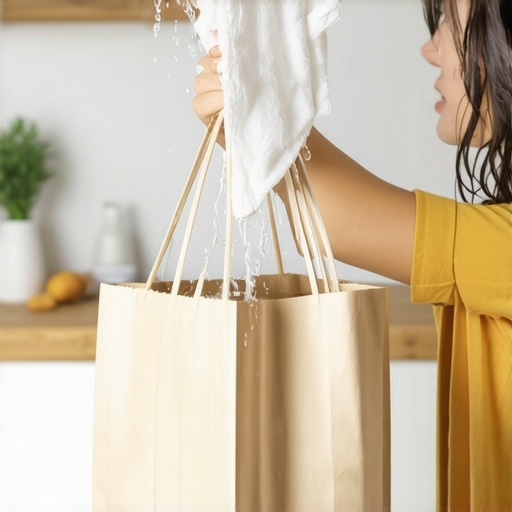
I remember the exact moment I realized my grocery bags might be silently revealing germs from one store visit to the next. It was after bringing home a batch of vegetables, only to notice a strange smell linger in my reusable bag days later. That little lightbulb moment made me think: could I be unknowingly spreading bacteria every time I reused those bags? It’s a common oversight, but one with real health implications.
Why Sanitizing Grocery Bags Is More Important Than You Think
Grocery bags, especially the reusable kind, are like carriers of unseen particles. They touch everything—produce, meat, household items—and then often go straight into your car and kitchen without a second thought. Studies show that bacteria like E. coli and Salmonella can survive on plastics and cloth for days, increasing the risk of cross-contamination in your home (Centers for Disease Control and Prevention, 2023). So, not cleaning them properly could mean inviting unwanted germs into your living space.
Are you still worried that sanitizing bags is too much hassle or just unnecessary? Believe me, I was there too. The early mistake I made was just giving my bags a quick wipe with disinfectant spray, assuming that would do the trick. Turns out, that was ineffective against certain germs and didn’t reach all the hidden crevices or the fabric’s fibers. Recognizing this flaw prompted me to dive deeper into effective sanitizing methods that really work.
Let’s explore how you can keep your grocery bags truly clean and germ-free. Trust me, once you get into the habit, it’s as quick as grabbing your keys. And for those who want deeper insights, I’ve linked some effective cleaning strategies you might find helpful, such as [effective sanitizing methods for a germ-free home](https://spotlesscarpetz.com/effective-sanitizing-methods-for-a-germ-free-home). Now, here’s what you need to know to master this simple yet vital task.
Start with Hot Water and Soap
Place your reusable grocery bags in the sink or a large basin filled with hot water and a few drops of dish soap. Use a scrub brush or sponge to agitate the fabric or plastic, focusing on seams and handles where germs hide. I once tackled a set of heavily stained canvas bags that had absorbed spilled produce liquids; soaking and scrubbing with warm soapy water eliminated odors and bacteria, restoring freshness.
Use Appropriate Disinfectants for Different Materials
For cloth bags, a machine wash using hot water and laundry detergent is most effective; add a splash of white vinegar for extra sanitizing power. Plastic or nylon bags can be disinfected with a solution of 70% isopropyl alcohol or a diluted bleach mixture—1 tablespoon bleach per gallon of water. I remember disinfecting my plastic bags before a big shopping trip, ensuring no bacteria would transfer to groceries. Remember, effective sanitizing methods are key to eliminating germs efficiently.
Allow Proper Contact Time for Disinfectants
Spray disinfectants on bags and surfaces, then let them sit for the recommended contact time—usually 5 to 10 minutes—to ensure germs are killed. Rushing this step reduces effectiveness, so patience is crucial. Once, I sprayed my reusable bags with a disinfectant, waited the full 10 minutes, then rinsed with clean water; the peace of mind was worth the wait.
Focus on High-Touch Areas
Pay special attention to handles, zippers, and folds—these are high-touch points carrying the most bacteria. Use a microfiber cloth soaked in disinfectant to wipe these areas thoroughly. I once neglected the zipper area, which led to bacteria buildup; cleaning it made my bag feel truly clean.
Dry Completely Before Reuse
Air dry bags in a well-ventilated space or use a clean towel to blot excess moisture. Proper drying prevents mold growth and residual bacteria. I learned this the hard way after air drying my bags in a damp basement, which caused a musty smell; now, I always dry thoroughly before storing. For a quick refresh, consider using a portable UV sterilizer on your bags—these gadgets use ultraviolet light to kill bacteria without chemicals.
Establish a Routine Schedule
Designate days for sanitizing your grocery bags, such as after each shopping trip or weekly, depending on usage frequency. Consistency prevents bacteria buildup and keeps everyone healthier. I set a reminder on my phone to sanitize bags every Sunday; this routine became second nature and reduced my worries about germs. Incorporate a quick wipe-down of your shopping cart or basket with disinfectant to minimize cross-contamination risks further.
Maintain Household Surfaces with Deep Cleaning
Extend your sanitizing efforts to kitchen counters, cutting boards, and shared appliances. Regularly disinfect these areas using proven methods; for instance, a diluted bleach solution or commercial disinfectant can wipe out hidden bacteria. I once discovered a forgotten sponge mold behind my kitchen sink; replacing and disinfecting surfaces prevented potential illness. Don’t forget upholstery and fabric furniture: vacuum first, then steam clean or use upholstery-safe disinfectants. Use appropriate tools like microfiber cloths and consider professional tips for upholstery for stubborn stains or odors. For move-out or deep cleaning, consult our move-out cleaning strategies to ensure you meet all standards and reclaim your deposit or impress new tenants.Many people assume that wiping surfaces with a generic disinfectant or tossing their upholstery into the washing machine is enough to keep their homes truly clean. However, this oversimplification often leads to overlooked pitfalls that can compromise sanitation and furniture longevity. For instance, applying disinfectant without proper contact time tends to give a false sense of security; most sprays need at least 10 minutes to effectively kill germs, as highlighted in recent studies (source: [effective sanitizing methods](https://spotlesscarpetz.com/effective-sanitizing-methods-for-a-germ-free-home)). Moreover, many believe that regular vacuuming guarantees the removal of allergens and bacteria, but deep cleaning or professional maintenance is often necessary to eliminate hidden dust traps, especially behind baseboards or within upholstery fibers. A common mistake in move-out cleaning involves neglecting overlooked spots like behind appliances or inside air vents, which can cause deposit buildup and cost tenants their security deposit if missed, detailed in our [move-out cleaning checklist](https://spotlesscarpetz.com/move-out-clean-checklist-to-simplify-your-transition). \n\nAnother often-missed nuance is the misconception that upholstery cleaning can be a DIY quick fix. Natural oils and body residues settle deep into fabrics over time, making professional deep-cleaning or specialized treatments essential to restore texture and prevent mold growth. For example, using vinegar on delicate fabrics can lead to discoloration; instead, consulting [effective upholstery cleaning tips](https://spotlesscarpetz.com/upholstery-cleaning-tips-for-a-fresh-home-revival) ensures safe and thorough results. Many unaware homeowners also fall into the trap of using harsh chemicals which can damage fabrics or surfaces — a point stressed in guidelines for safe house cleaning. It’s best to opt for methods that are both effective and gentle, like steam cleaning or low-toxicity solutions. \n\nDeliberately ignoring these nuances might make your cleaning efforts superficial, leaving bacteria, allergens, and stains behind, which can undermine your health and the integrity of your furnishings. Reaching out for professional help or investing in knowledge about these subtle factors can significantly elevate your home hygiene. For a comprehensive strategy, check out our [effective house cleaning secrets from cleaning experts](https://spotlesscarpetz.com/effective-house-cleaning-secrets-from-cleaning-experts). Have you ever fallen into this trap? Let me know in the comments.Maintaining a spotless home requires more than just elbow grease; it demands the right tools and a consistent strategy. Personally, I find that investing in high-quality equipment not only speeds up cleaning sessions but ensures long-term results that truly last. For example, I swear by my steam cleaner for upholstery—it’s gentle yet effective, eliminating deep-seated dirt and bacteria without harsh chemicals, aligning with expert recommendations from [Effective House Cleaning Secrets](https://spotlesscarpetz.com/effective-house-cleaning-secrets-from-cleaning-experts).
How do I keep my cleaning system in top shape over time?
To ensure sustained effectiveness, I follow a few key maintenance steps. First, I make it a point to regularly replace filters and clean removable parts of my equipment, such as my vacuum’s HEPA filters and steam cleaner attachments. This prevents build-up that can reduce suction power or spread dirt. Additionally, I set aside time monthly to calibrate my tools, like checking the pressure settings on my carpet extractor, which is crucial for optimal performance. When it comes to cleaning solutions, I prefer eco-friendly disinfectants with proven efficacy, like those that meet EPA standards for germ-killing, ensuring safety for my family and the environment.
What gear do I recommend for cleaning high-traffic areas?
For high-traffic zones, a microfiber mop paired with a dual-action spray mop system helps me cover large areas quickly with minimal streaks. Microfiber cloths are my go-to for wiping surfaces because they trap dust and microbes more effectively than standard rags, as explained in [Sanitizing Secrets](https://spotlesscarpetz.com/sanitizing-secrets-for-a-safer-house-in-2025). To keep these cloths sanitary, I boil them weekly or run them through a hot cycle in my washing machine. For stubborn stains or odors, I utilize ozone generators designed specifically for home sanitation, which effectively neutralize bacteria and mold.
Preparing for move-out? Here’s the backstage setup
When preparing for a move-out clean, I rely on a combination of professional-grade equipment and systems I can handle myself. A portable upholstery cleaner helps restore fabric furniture, while a handheld steam cleaner tackles hidden corner dust and creases. I also invest in a compact, high-powered vacuum with HEPA filters, ensuring no nook or cranny is overlooked—especially behind appliances and in air vents, addressed in [Move-Out Strategies](https://spotlesscarpetz.com/move-out-cleaning-strategies-to-secure-your-deposit). For long-term scaling, consider integrating an organized checklist system, so you can schedule regular deep cleans without missing critical spots. Regular maintenance of your cleaning tools, including descaling steamers and replacing worn brushes, prolongs their effectiveness and efficiency, making your routine sustainable over years. To encourage a shift towards automation, I plan to trial smart robotic vacuums with mapping capabilities—they promise to maintain cleanliness with less manual effort, and I believe automation is the future of home upkeep. If you want to elevate your cleaning game, I highly recommend trying a UV sterilizer for rapid sanitation of frequently touched surfaces—it’s an advanced step that adds peace of mind, especially during flu season. Don’t forget to perform routine check-ups on your equipment; for example, regularly inspect vacuum belts and steam cleaner hoses to prevent unexpected breakdowns that could throw off your schedule. Embracing these specific tools and maintenance habits ensures your house stays fresh and healthy well into the future, making deep cleaning less of a chore and more of a lifecycle process. Start by scheduling weekly tool reviews—you’ll be surprised how much easier and more reliable your cleaning routine becomes over time.
Lessons I Wish I Learned Sooner About Sanitizing and Deep Cleaning
- One of the toughest lessons was realizing that quick wipes don’t cut it. Deep cleaning requires patience and the right disinfectants to truly eliminate bacteria, especially in high-touch areas.
- Using the wrong cleaning solutions can damage delicate fabrics or surfaces. I found that understanding material compatibility saved me from costly mistakes and preserved my belongings.
- Routine maintenance of cleaning tools isn’t glamorous, but it ensures they perform optimally. Replacing filters and cleaning attachments kept my equipment effective and my home healthier.
- The importance of contact time with disinfectants can’t be overstated. Waiting the full recommended duration made a noticeable difference in germ eradication.
- Lastly, establishing a regular cleaning schedule transformed my home from a germ hotspot into a sanctuary. Consistency made the process manageable and kept my environment safe.
My Trusted Arsenal for a Truly Clean Home
- My Steam Cleaner — For upholstery and hard surfaces, it offers a chemical-free way to kill germs and refresh fabrics, aligning with expert advice from Effective House Cleaning Secrets.
- Microfiber Cloths & Spray Mops — These tools make quick work of high-traffic areas and ensure dust and microbes are effectively trapped, supporting the tips found here.
- UV Sterilizer Devices — For rapid sterilization of frequently touched items, providing peace of mind during flu season and beyond.
- Deep-Cleaning Guides and Checklists — Resources like Move-Out Checklist ensure I never miss those hidden spots that harbor bacteria or cause deposits.
Embrace the Power of Clean: Your Home Deserves It
Remember, maintaining a healthy space isn’t just about appearance; it’s about protecting your loved ones from unseen dangers lurking in everyday items like reusable grocery bags or upholstery. Taking small, consistent actions can yield big health rewards, and you’re capable of transforming your home into a truly safe haven. Start today—schedule that deep clean, sterilize your high-touch surfaces, and turn hygiene into a daily habit. Your future self will thank you. Are you ready to elevate your house cleaning game and uncover hidden hazards? Share your experiences or questions below, and let’s build a healthier home together.