
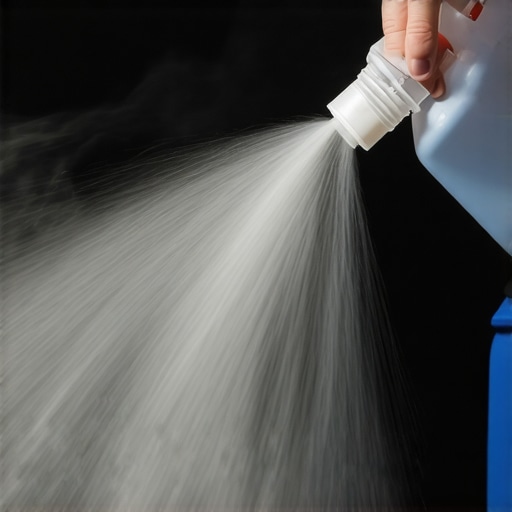
I’ll never forget the moment I ended up with a ruined sofa cushion after a quick spray of rubbing alcohol. It looked clean at first, but within hours, the fabric started to stiffen and discolor. That lightbulb moment made me realize: not all cleaning shortcuts are safe, especially when it comes to synthetic fabrics. If you’ve ever rushed to disinfect your upholstery or curtains with alcohol, only to see the fabric suffer, you’re not alone. This common mistake can cause more harm than good, leading to damage that’s costly and permanent.
The Hidden Dangers of Alcohol on Synthetic Textiles
Years ago, I thought I was being clever—slapping alcohol on my sofa to sanitize after a sick family member visited. I believed that powerful disinfectant would clear out germs quickly. But I soon learned that some fabrics just aren’t built to handle alcohol-based solutions. Synthetic fibers like polyester, nylon, and acrylic can become brittle, discolor, or develop a sticky residue, making your furniture look worse than before. Think of it this way: alcohol strips away not just bacteria but also the delicate coating that keeps your fabrics soft and vibrant. Once that’s gone, the fabric’s integrity is compromised, and repairs are often impossible.
Could an Easy Spray Actually Wreck Your Upholstery?
It’s a common misconception that disinfectants are one-size-fits-all. Early in my cleaning journey, I made the grave mistake of applying alcohol directly onto my couch, assuming it’d kill germs effectively. Unfortunately, I didn’t realize that many synthetic materials are porous and absorb the alcohol, which then causes the fibers to dry out and deteriorate over time. I learned this lesson the hard way, and I want to save you from that same costly mistake. For trustworthy advice, look into effective sanitizing strategies that are gentle yet thorough; for example, exploring [effective sanitizing methods](https://spotlesscarpetz.com/effective-sanitizing-methods-for-a-germ-free-home) can help you choose safer options.
Let’s Clear Up The Confusion — What Really Works?
So, what can you do instead? The key lies in understanding your fabrics and selecting the right cleaning agents. From my experience and research, gentle solutions like diluted mild detergents or steam cleaning can be effective without risking damage. It’s also worth noting that many cleaning products are designed explicitly for various fabrics, so a little bit of research can prevent costly repairs down the line. Remember, protecting your investment isn’t just about immediate cleanliness but safeguarding your home furnishings’ longevity and appearance.
Ready to get practical? In the next sections, I’ll walk you through proven methods to sanitize your home safely and effectively — no damaging chemicals involved. And if you want to dive deeper into specific cleaning strategies, check out [house cleaning strategies for a sparkling home](https://spotlesscarpetz.com/house-cleaning-strategies-for-a-sparkling-home-today) to start improving your routine today.
,
Identify the Fabric Type Before You Start
Before reaching for any cleaning product, determine whether your fabric is synthetic or natural. Synthetic fibers like polyester or nylon are more vulnerable to alcohol damage. To test, dab a small amount of water on a hidden area; if it beads up, proceed cautiously. Remember, knowing your fabric is like getting a map before a trip—essential for safe navigation. I recall a time when I assumed all upholstery was equal and used an alcohol-based spray, only to find my sofa crackling and discoloring within days. Never skip this step; it can save you from costly repairs.
Choose Gentle, Suitable Cleaning Agents
Opt for mild solutions such as diluted dish soap or a mix of water and a tiny amount of white vinegar. For example, I once used a 1:10 vinegar-to-water ratio to freshen up my fabric without risking damage. Always test the solution on a small, inconspicuous patch first. This approach is like using a soft brush instead of a wire scrubber—less abrasive but effective. Steer clear of harsh chemicals or pure alcohol, which can cause stiffening, discoloration, or fabric breakdown. For stubborn stains, consider a specialized upholstery cleaner suited for synthetic fabrics or consult a trusted guide like this resource.
Implement Proper Cleaning Techniques
When cleaning, use a soft microfiber cloth dampened with your chosen solution. For larger surfaces, a spray bottle with a light mist is more controlled. Scrub gently in circular motions; avoid rubbing harshly, which can push dirt deeper orDamage fibers. I once mistakenly used a rough sponge, which left fuzzy patches on my sofa—an expensive mistake. After application, blot with a dry cloth to soak up excess moisture. For stubborn spots, apply a bit more pressure but keep the cloth damp, not soaked. Remember: patience and care are your best tools here.
Ventilate and Dry Thoroughly
After cleaning, open windows or turn on fans to help moisture evaporate quickly. Avoid sitting or placing objects on the furniture until it’s fully dry to prevent mold or mildew. I once hurried through a cleaning and didn’t dry my cushions completely—resulting in a musty smell that lingered for days. A well-ventilated space not only speeds up the drying process but also prevents trapped moisture that can damage fabric fibers over time. If you want to see a comprehensive list of quick cleaning hacks, check out these sanitizing tips to maintain a safe home environment.
Regular Maintenance to Extend Fabric Life
Schedule routine vacuuming and light spot cleaning to prevent dirt build-up. Use a soft brush attachment on your vacuum to lift debris from fabric surfaces carefully. When I ignored regular maintenance, my sofa accumulated grime, making deep cleaning more arduous. Remember, active preventive care is like regular exercise—much easier than trying to recover from heavy neglect. For detailed strategies, see house cleaning routines that keep your furnishings pristine longer.Many people believe that using harsh chemicals like bleach or alcohol is the fastest way to achieve a spotless home or effectively sanitize upholstery. However, this approach often overlooks critical nuances that can lead to damage or ineffective cleaning. For instance, while alcohol-based disinfectants are praised for their quick action, they can cause irreversible harm to synthetic fabrics—leading to stiffening, discoloration, or fiber deterioration—if used improperly. It’s a common myth that any disinfectant is safe for all surfaces, but fabric fibers vary widely in their tolerance; applying the wrong solution can turn a simple move-out clean into a costly repair.
One trap many fall into is assuming that a high level of chemical disinfectant guarantees the elimination of germs. Yet, according to experts from the National Sanitation Foundation, many disinfectants require a specific contact time to be truly effective, which is often overlooked in quick cleaning routines. This misunderstanding can result in a false sense of cleanliness, leaving behind bacteria on high-touch surfaces or upholstery.
Are you aware of the advanced mistakes that can compromise your cleaning efforts? For example, over-saturating fabrics with liquid solutions may seem thorough but can trap moisture and promote mold growth, especially in poorly ventilated areas. Proper technique involves using minimal moisture and ensuring thorough drying afterward—something many overlook. To delve deeper, check out [effective sanitizing methods](https://spotlesscarpetz.com/effective-sanitizing-methods-for-a-germ-free-home) which emphasize the importance of tailored solutions and technique.
Another subtle nuance is in the selection of cleaning tools. Using rough brushes or abrasive scrubbers on delicate upholstery can break fibers and accelerate aging, defeating the purpose of cleaning. Instead, professional strategies recommend microfiber cloths or gentle steam treatments for effective yet fabric-friendly cleaning. Remember, a well-executed move-out clean doesn’t just make the space appear spotless; it preserves the integrity of your furnishings—saving money and extending longevity.
Always evaluate the specific requirements of your home surfaces before choosing your cleaning approach. One common misconception is that more cleaning products mean better results, but in reality, selecting the right product and method is crucial. For example, certain natural solutions like diluted vinegar or specialized upholstery cleaners can achieve effective sanitation without the damage caused by alcohol or bleach. Want to learn more? Explore trusted guides on upholstery care and move-out strategies at [this comprehensive resource](https://spotlesscarpetz.com/move-out-cleaning-strategies-to-secure-your-deposit) to refine your cleaning routine.
Have you ever fallen into this trap? Let me know in the comments.
Maintaining a spotless and sanitized home over the long term requires the right equipment and a consistent approach. I personally recommend investing in a high-quality steam cleaner, such as the McCulloch MC1275 Heavy-Duty Steam Cleaner. Its versatility allows me to deep clean upholstery, tile grout, and even sanitize kitchen surfaces without relying on harsh chemicals. The steam penetrates crevices where dirt and germs hide, making it an invaluable tool for routine maintenance and move-out cleaning.
In addition to physical tools, I utilize software like Trello to plan and track my cleaning schedules. Staying organized ensures I don’t overlook essential tasks, especially when managing larger properties or multiple dwellings. Automated reminders help me maintain a regular cleaning rhythm, prolonging the life of household textiles and surfaces.
For sanitizing high-touch areas, I prefer using a UV-C light sanitizer. Unlike sprays, UV-C effectively neutralizes bacteria and viruses on electronics, doorknobs, and light switches without introducing moisture or chemicals, aligning with the trend toward chemical-free cleaning methods. I’ve also seen promising results from portable units like the Eukeo UV-C Sterilizer, which I carry during move-out cleans to ensure comprehensive sanitation.
Predicting future trends, I believe integrated smart cleaning systems—combining AI, IoT sensors, and chemical-free sterilization—will become more accessible. These innovations will enable us to monitor and maintain cleanliness proactively, reducing some of the guesswork involved in long-term home care.
How do I keep my tools in top shape over time?
Regular maintenance is key. For steam cleaners, this involves descaling with vinegar solutions and checking seals periodically, as recommended by industry experts. UV-C devices require bulb replacements and cleaning of the lenses to ensure maximum effectiveness. Proper storage in dry, temperature-controlled environments prolongs their lifespan.
By investing in quality equipment, maintaining it diligently, and leveraging digital tools for organization, you can ensure consistent, high-quality sanitation. Consistency is the cornerstone of long-term results, making regular upkeep a worthwhile effort.
Try incorporating a steam cleaner into your routine and see how it transforms your cleaning sessions. For detailed guidance on equipment upkeep, check out comprehensive house cleaning strategies. Your home will thank you with lasting freshness and cleanliness.
Lessons from the Trenches of Move-Out Cleaning
- One of my hardest lessons was realizing that rushing through cleaning with harsh chemicals can do more harm than good—especially on synthetic upholstery. Taking the time to research fabric-friendly methods saved me money and headaches in the long run.
- I once believed that applying maximum disinfectant was the way to ensure a truly sanitized home, but I learned that proper contact time and suitable cleaning agents matter far more than brute force. Small changes in technique made a noticeable difference.
- Skimping on regular maintenance turned a manageable task into an overwhelming mess. Regular vacuuming and spot cleaning of high-touch areas help preserve furniture integrity and protect your security deposit.
- Knowing your fabric type before cleaning can be the difference between a fresh, long-lasting surface and a costly repair. Testing water repellency and choosing gentle solutions keeps fabrics soft and vibrant.
- Investing in quality tools like steam cleaners and UV-C sanitizers transformed my move-out routine, allowing me to deep clean effectively without relying on harmful chemicals. Proper tool maintenance is equally important for sustained results.
Your Blueprint for Success in Move-Out Cleaning
- Tools like the ultimate upholstery care guide provide trusted tips for gentle, effective cleaning that preserves fabric integrity.
- Expert articles on effective sanitizing methods help you choose solutions that protect your home without risking damage, such as those available in these trusted resources.
- Maintaining a cleaning schedule with the help of organizational tools like Trello can keep you on track and prevent last-minute chaos, ensuring a stress-free move-out process.
- Reading comprehensive guides on move-out hacks can reveal tricks to remove stubborn stains and unpleasant odors, boosting your confidence and results.
Empower Your Cleaning Journey Today
Achieving a spotless, sanitized home as you prepare for your move isn’t just about cleaning—it’s about protecting your investment and creating a welcoming space. With the right knowledge, tools, and routines, you can turn a daunting chore into a rewarding accomplishment. Start today, stay consistent, and enjoy the peace of mind that comes with a truly clean home. What’s one move-out cleaning tip you’re excited to try first? Share below and let’s learn together.