
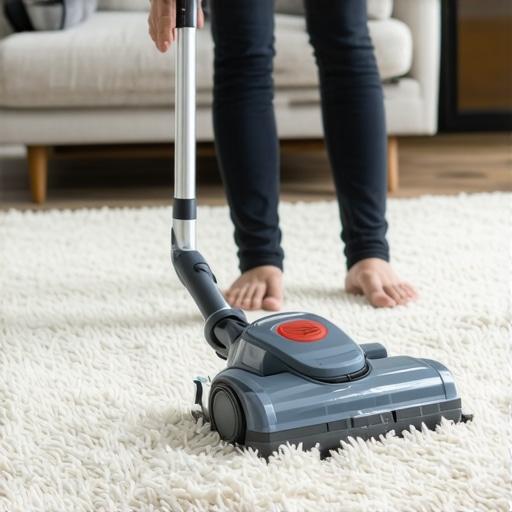
Have you ever stepped onto your plush, high-pile rug only to be met with clouds of pet hair settling right into your nose and lungs? It’s that unmistakable moment of frustration—seeing your beloved furry friend shedding all over your favorite rug, and realizing your trusty vacuum isn’t quite enough anymore. I remember the first time I faced this challenge; I tried every tool I could find, only to end up with more hair flying through the air than actually coming off. That lightbulb moment hit me hard: not all pet hair removal methods are created equal, especially on those lush, dense high-pile rugs that practically swallow stray hairs.
Why Removing Pet Hair From High-Pile Rugs Feels Like an Uphill Battle
The reality is, pet hair tends to embed itself deeply into the fibers of high-pile rugs. Traditional vacuum cleaners often struggle to lift the stubborn hair, especially if your vacuum lacks the right attachments or suction power. And brushes? Well, they might seem like the natural answer, but on high-pile textures, they can sometimes push the hair further down or even damage delicate fibers. Plus, using the wrong tools or techniques might make the problem worse—think of the mistake I made early on by relying solely on a regular vacuum without considering the type of rug I had. Over time, I learned that understanding the rug’s material and fiber density is crucial for choosing the best hair removal method. For those who’ve faced the same struggle, I promise: there’s a simple, effective way to reclaim your rug’s smooth surface without resorting to harsh chemicals or expensive tools.
Is It Really Possible to Remove Pet Hair Without a Brush?
This is the question I hear most often from fellow pet owners. And frankly, I was skeptical at first—after all, brushes are designed for loosening hair, right? Wrong. The key isn’t always in a specialized tool; sometimes, it’s about using what you already have in a smarter way. Early on, I made the mistake of thinking a quick vacuum was enough, only to find hair stubbornly clinging to every fiber. Once I started experimenting with alternative techniques, like using rubber gloves or even a squeegee, my results improved dramatically. Curious how you can do the same without investing in a fancy brush? Stick around, because I’ll walk you through simple, proven methods to lift pet hair from high-pile rugs effectively. And trust me: you don’t need to spend a fortune or buy specialized tools to see a noticeable difference.
If you’ve ever faced the frustration of pet hair that seems to multiply overnight, you’re not alone. Many pet owners struggle with this exact issue, but the good news is that there are straightforward solutions you can incorporate into your routine. Ready to discover the secrets that have transformed my cleaning approach? Let’s dive into what works—and what definitely doesn’t—so you can enjoy a fur-free home without breaking a sweat. And for more tips on maintaining a clean, fresh home, check out this expert-approved cleaning guide.
Start with the Right Approach to Lift Embedded Hair
When tackling pet hair on dense high-pile rugs, I recommend switching from traditional vacuums to a rubber broom or glove. Once, I used a damp rubber glove to sweep my living room rug after noticing limited results from my vacuum. I scrubbed in small, circular motions, which allowed the rubber’s grip to attract hair more effectively. The result? A drastic reduction in hair embedded in fibers and a noticeably cleaner surface. This method leverages static friction, pulling hairs to the surface, making them easier to collect.
Use Household Items as Cleaning Tools
Rubber Gloves Are Your Secret Weapon
Donning a simple rubber glove turns an ordinary household item into a pet hair magnet. Slip on the glove, dampen it slightly, and run your hand over the rug. Hair clings to the glove’s surface thanks to static electricity. During my first attempt, I spent five minutes gliding my hand across the rug, gathering a heap of pet hair that a vacuum missed. Rinse the glove as needed, and repeat until the surface is hair-free. This technique is inexpensive, effective, and avoids the risk of damaging delicate fibers.
Try a Squeegee for Dense Textures
A window squeegee is surprisingly effective at collecting pet hair from high-pile carpets and rugs. I used a silicone squeegee on a particularly stubborn section of my shaggy rug. Firmly pressing and pulling it across the fibers, I noticed hair lifting out with each stroke. The rubber edge forces hairs upwards and gathers them into clumps, which I then removed with a vacuum or a dustpan. It’s a quick, chemical-free way to rid your rugs of excess pet hair, especially in tight corners or thick textures.
Implement Regular Maintenance to Prevent Build-Up
Consistent upkeep is essential. I established a routine of daily quick cleans using these household tools, preventing hair from deep embedding. For example, a quick glove swipe every morning kept my rug almost hair-free without demanding extra time or effort. Regularly removing hair reduces the need for intensive deep cleaning sessions, preserving the rug’s fibers and appearance. Remember, a little prevention goes a long way in keeping your home fur-free.
Explore Additional DIY Methods for Tough Cases
If stubborn hair persists, consider using a slightly dampened microfiber cloth wrapped around a spatula or flat tool. Gently scraping or wiping the fibers can loosen hairs stuck deep within the pile. This method worked when I faced a section where pet hair seemed to be locked in tightly. Since microfiber attracts hair and dust similarly, it helps in lifting the particles without damaging the rug. For more detailed upholstery care tips, visit this comprehensive upholstery guide.
Address Fine Dust and Remaining Hair
Follow up with a hand-held vacuum or dust brush to catch leftover particles. After using household tools, I always employed a cordless hand vacuum on low power, which efficiently sucked up residual hair and dust. Combining these methods ensures a thorough clean without excessive effort or expensive equipment. Implementing these simple, strategic steps transformed my cleaning routine, making pet hair less of a burden and more of a manageable task in maintaining a clean, fresh-looking home.When it comes to house cleaning, many believe that following generic routines and shortcuts guarantees a spotless home. However, as an expert in deep cleaning and upholstery care, I can tell you that several misconceptions and overlooked nuances often lead to subpar results. One prevalent myth is that more frequent use of harsh chemicals accelerates cleanliness. In reality, overusing strong cleaners can damage delicate fibers and surfaces, especially in upholstery, leading to long-term deterioration. A subtle but critical point is that sanitizing isn’t just about chemical kill rates but also about contact time; many overlook that disinfectants need a certain amount of dwell time to be truly effective. This is backed by the CDC, which emphasizes the importance of adhering to manufacturer instructions for maximum efficacy.
Another common trap is assuming that vacuuming alone suffices for deep-cleaning carpets and upholstery. In practice, physical agitation, like brushing or steaming, is necessary to loosen embedded dirt and microbes. Relying solely on vacuum technology often captures surface dust but leaves hidden contaminants. Therefore, incorporating methods such as professional-grade steam cleaning, or targeted treatments for move-out cleaning, can significantly boost cleanliness and hygiene, ensuring your deposit is returned smoothly. To refine your approach, check out our guide on effective cleaning secrets from cleaning experts.
Beware of the trap of neglecting overlooked areas like behind appliances, vents, or within upholstery seams. These spots harbor bacteria and allergens that standard routines miss. Regularly inspecting and paying attention to these hidden spots ensures a thorough clean that extends the longevity of your furnishings. For detailed tips on upholstery maintenance, see this comprehensive guide.
Have you ever fallen into this trap? Let me know in the comments! Remember, deep understanding and attention to nuances can transform your cleaning routine from mediocre to professional-grade, saving you money and extending the life of your home’s fabrics and surfaces.
Investing in the Right Equipment Ensures Lasting Cleanliness
When it comes to maintaining a pristine home, having the appropriate tools isn’t just a convenience—it’s a necessity. Personally, I recommend opting for a high-powered, adjustable vacuum that features a HEPA filter and multiple attachments. For instance, the Dyson V15 Detect — equipped with advanced suction and laser technology — allows you to deeply clean carpets, upholstery, and even gallery walls without switching devices. Using a quality vacuum with a motorized brush head and a flexible hose ensures you can reach those tricky corners, behind furniture, and inside vents effectively, reducing buildup that could compromise air quality over time.
In addition to vacuums, I emphasize the importance of incorporating cleaning accessories like microfiber dusters with extendable arms, ergonomic squeegees for hard-to-reach glass surfaces, and handheld steam cleaners for upholstery. Steam cleaning is especially beneficial because it kills germs and loosens dirt without chemical residues. According to OSHA guidelines, utilizing mechanical methods like steam enhances sanitation, making it a smart investment for long-term health and cleanliness.
How do I maintain tools and extend their lifespan?
Regular upkeep of your cleaning tools is vital. For vacuum cleaners, this involves emptying the bin after each use, replacing filters as recommended, and cleaning brushes and filters periodically. Microfiber cloths should be washed in hot water and replaced every 50-100 uses to maintain absorbency. Steamers require descaling at least once every few months—descaling kits or vinegar solutions can prevent mineral build-up, preserving steam output quality. This routine maintenance not only prolongs your tools’ effectiveness but also ensures consistent, professional-grade results over time.
Looking ahead, the trend points toward smarter, connected cleaning devices that maximize efficiency with app integrations and real-time monitoring. Expect to see robotic vacuums evolve with AI for adaptive navigation and more precise dirt detection, further reducing manual effort and enhancing long-term maintenance.
Keep Your Home Spotless with the Right Routine
Consistency is key. Establishing a routine using your high-quality tools—like a daily brush with microfiber gloves or weekly steam cleaning—prevents dirt and allergens from penetrating surfaces and accumulating deep within fibers. Over time, well-maintained equipment combined with regular care reduces the need for intensive deep cleans, saving money and extending the lifespan of your furnishings. For comprehensive strategies on building an effective cleaning schedule, explore our daily routine guide.
If you’ve yet to try using a steam cleaner on upholstery or tackling stubborn pet hair with a rubber squeegee, I encourage you to give these methods a shot. They may seem simple, but their impact on sustaining a clean, healthy environment is profound—not to mention, they’re cost-effective. Remember, the quality of your tools and ongoing maintenance make all the difference. For more expert insights on effective house cleaning strategies, check out this detailed guide.
Lessons That Changed My Cleaning Game
One of the toughest lessons I learned was that stubborn pet hair isn’t just on the surface—it embeds deeply into dense high-pile rugs, making traditional methods less effective. I used to rely solely on vacuuming, only to find hairs stubbornly clinging to fibers. It wasn’t until I experimented with household items like rubber gloves and squeegees that I discovered the real secret: static and rubber’s grip are your allies. Now, I always start with these before reaching for the vacuum, saving time and energy.
Another insight came from understanding my rug’s material—knowing fibers are delicate made me cautious about aggressive brushes. Gentle, hands-on techniques win the battle against embedded pet hair without damage. And the biggest game-changer? Incorporating regular quick clean routines prevents hair from building up, keeping my home fur-free effortlessly.
So, if you’re tired of fighting a losing battle with pet hair, remember that sometimes, the simplest household items can be your best weapons. Learning these nuances transformed my cleaning routine from frustration to satisfaction—saving money, time, and my sanity.
Tools That Personally Elevated My Cleaning Routine
My go-to tools now are a sturdy pair of rubber gloves and a silicone squeegee. I trust these because they’re versatile, affordable, and gentle on delicate fibers, unlike some specialized brushes that can cause damage. For deeper cleaning, a quality high-powered vacuum with HEPA filters and multiple attachments is essential—brands like Dyson or Shark have consistently delivered reliable results for me, especially when used with effective household techniques.
Steam cleaners are another invaluable addition—killing germs, loosening dirt, and lifting pet hair without chemicals, perfect for maintaining a healthy home environment. Regular tool maintenance, like cleaning filters and descaling steamers, ensures they perform at their best, making every cleaning session more effective.
Investing in these tools has honestly paid off by making my routine quicker, more efficient, and more satisfying. I recommend exploring options that suit your space and budget—your future self will thank you for it.
Believe in Your Power to Tackle Pet Hair Today
Transforming your cleaning approach isn’t about overhaul efforts—it’s about small, effective changes that add up. Using household items smartly, understanding your rug’s fibers, and maintaining your tools create a system that works seamlessly. Don’t wait for pet hair to become an insurmountable problem; start today by trying out the techniques and tools I’ve shared. Your home’s beauty—and your sanity—depend on the small steps you take now.
Have you ever tried a household trick to remove pet hair that surprised you? Share your experience below—let’s learn from each other and make pet hair clean-up less of a chore!