
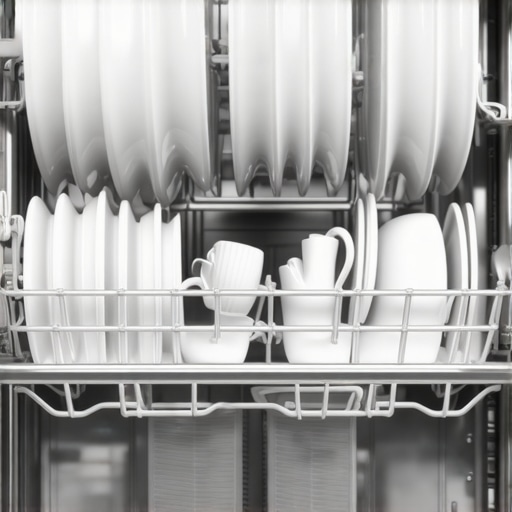
Ever been punched in the nose by a foul smell coming from your dishwasher? I sure have. One day, after running a full cycle, I opened the door only to be greeted by a weird, musty odor clinging to my plates. Frustrating doesn’t cover it. I thought I was doing everything right—hot water, good detergent, regular cleaning—but that smell persisted. That’s when I stumbled upon a little-known secret that transformed my dishwashing game: the importance of a clean dishwasher filter.
Why Your Dishwasher’s Hidden Filter Could Be Making Everything Smell
The truth is, many of us forget or overlook the dishwasher filter, assuming it’s self-cleaning or unimportant. But this tiny component traps food particles, grease, and grime that, if left unchecked, become breeding grounds for bacteria and mold. Over time, these microorganisms produce unpleasant odors that cling to your dishes. Regularly cleaning this filter is a game-changer, and surprisingly, it isn’t complicated once you know the trick.
Is the Hype About Dishwasher Filters Really Just Overblown?
Honestly, I was skeptical at first. I thought my dishwasher was functioning fine, so why bother? Early on, I made the mistake of just rinsing the filter once and thinking that was enough. Big mistake. Microbial growth can develop quickly in damp, trapped spaces. According to a study by the Environmental Protection Agency, improper maintenance of household appliances significantly contributes to airborne bacterial hazards, which can cause allergies or respiratory issues. Now, I make it a point to clean my filter thoroughly every month, and the difference is undeniable.
Have you noticed that your dishes sometimes smell even after a cycle? Or perhaps, your dishwasher just doesn’t seem as fresh as it used to? If so, you’re not alone. Many homeowners encounter this problem, and the fix is often simpler than they think. In this post, I’ll walk you through the best practices to keep that filter spotless, ensuring your clean dishes stay smelling fresh and bacteria-free.
Now, let’s dive into how to identify, remove, and clean your dishwasher filter properly, so you can say goodbye to that pesky smell for good.
Locate the Filter with Precision
First, pull out your dishwasher’s lower rack to access the bottom drain area where the filter resides. Use a flashlight if necessary; I remember the time I struggled to find mine, causing a long delay, but once found, the cleaning process went smoothly. Look for a twist or pull-out assembly, which is common in most models.
Remove the Filter Carefully
Gently unscrew or lift out the filter assembly, taking care not to damage adjacent components. For example, I once forced a stubborn filter, which resulted in a cracked plastic piece that later caused water leaks. Be gentle and use the right tools, like pliers if screws are tight. Check your dishwasher’s manual or manufacturer’s guide for specific instructions.
Disassemble and Inspect
Disassemble the filter components by separating the filter screen from the housing. Examine all parts for accumulated debris, grease, or mold. I found a thick layer of food debris in my filter, which was the culprit behind the smell I detected during cycles. If your filter is dishwasher-safe, proceed to cleaning; otherwise, consider replacing it.
Scrub with Effective Cleaning Solutions
Soak the filter parts in warm water mixed with a tablespoon of baking soda or vinegar. Use a soft brush or old toothbrush to scrub away stubborn grime. For example, I soaked my filter overnight in vinegar, which dissolved mineral deposits and loosened food particles, making my cleaning more efficient. Avoid using abrasive pads that could damage delicate mesh surfaces.
Clean the Filter Housing and Surroundings
While the filter is out, wipe down the filter housing, rubber seals, and the area beneath the filter with a damp cloth soaked in vinegar solution. This prevents buildup of odors or mold from recurring. I once missed this step, leading to persistent musty smells even after cleaning the filter.
Reassemble with Care
After thoroughly drying all parts, reassemble the filter and place it back into the dishwasher, turning it clockwise or locking it into place as per your model’s instructions. Ensure it’s secure to avoid dislodging during the wash cycles. A proper fit is crucial for effective filtration and odor control.
Regular Maintenance Saves You Troubles
Make this cleaning a monthly habit to prevent food debris and bacteria buildup. I schedule mine every four weeks, especially after heavy pots or greasy meals. Consistency keeps your dishwasher smelling fresh and your dishes spotless. Incorporate this routine into your house cleaning schedule, similar to sanitizing high-touch surfaces during flu season, to maintain overall hygiene.
Use Gentle, Natural Cleaning Agents
Stick to non-toxic solutions like vinegar, baking soda, or citric acid for routine maintenance. Avoid harsh chemicals that can degrade rubber seals or harm the dishwasher’s parts. This approach is eco-friendly and safe for your family. If you’d like additional tips on effective cleaning strategies, explore house cleaning secrets from experts.
Many homeowners operate under assumptions that, if unchallenged, can sabotage their cleaning efforts. For instance, the widespread belief that “more cleaning products mean a cleaner home” is false; overusing chemicals can lead to residue buildup and even damage surfaces, as highlighted by cleaning experts from effective house cleaning secrets. Advanced practitioners understand that proper technique and targeted products outperform generic, heavy-handed approaches.
Another common misconception involves the safety of DIY upholstery cleaning solutions. People often think that using vinegar or baking soda on delicate fabrics is safe. While these natural agents are generally effective, they can sometimes cause discoloration or deterioration if not used correctly, especially on silk or certain synthetics. It’s preferable to consult specific guidelines, such as those in upholstery cleaning tips, before proceeding.
Now, consider the mistake of neglecting the importance of sanitizing move-out cleans thoroughly. Many believe that a quick wipe-down suffices, but without proper attention to hidden spots and proper disinfectants, tenants risk losing their deposits or facing costly penalties. The nuanced approach involves focusing on high-touch areas and less obvious spots like behind appliances or under sinks, as detailed in move-out cleaning strategies.
What most people overlook is the subtlety involved in sanitation routines. For example, using the right disinfectants at the correct dilution is crucial; too weak an agent won’t kill germs effectively, while overly concentrated solutions can damage materials and pose health risks. According to a study published in the Journal of Environmental Health, precise application and understanding chemical interactions significantly enhance cleaning efficacy.
Have you ever fallen into this trap? Let me know in the comments. Mastering these nuanced details ensures not just cleanliness but a healthier, safer home environment. Don’t settle for superficial cleanliness—dig deeper and implement strategies that truly make a difference.Maintaining a spotless home requires more than just elbow grease; it depends on selecting the right tools and adopting proven methods. Personally, I rely on a combination of high-quality equipment and targeted cleaning strategies to achieve enduring results. One tool I swear by is a cordless handheld steam cleaner. Its nimbleness allows me to tackle stubborn grime behind appliances and in tight corners without resorting to harsh chemicals. This method not only disinfects but also preserves delicate surfaces, aligning with eco-friendly practices. For larger surfaces, I recommend a microfiber mop with an adjustable telescopic handle, which facilitates reaching high or tricky spots—like ceiling fan blades or baseboards—without straining your back.
When it comes to sanitizing, I prefer using EPA-registered disinfectants that specify their effectiveness against a broad spectrum of bacteria and viruses. A spray bottle filled with a vinegar and hydrogen peroxide solution, applied with a microfiber cloth, provides a natural yet potent approach for everyday cleaning. For move-out cleans, I employ a steam vapor system to sanitize bathrooms and kitchens thoroughly, ensuring no hidden germs remain behind fixtures or in grout lines.
Technology is also making waves in household hygiene. Investing in an ultrasonic sterilizer for small items like remote controls, keys, or toothbrushes can significantly reduce microbial presence without aggressive scrubbing. These devices are rapid and chemical-free, fitting seamlessly into routine maintenance.
Looking ahead, I predict that smart cleaning devices—such as robotic vacuums integrated with UV sterilization—will become standard in maintaining hygienic homes, especially valuable during flu seasons or in homes with pets. Integrating these tools into your routine can elevate your house cleaning from a chore to a high-efficiency process.
How do I keep my cleaning tools in top shape over time? Regular maintenance is key. Rinse microfiber cloths after each use, store them in a dry area, and replace sponge brushes monthly to prevent bacteria buildup. For electronic equipment, follow guidelines like those found in effective house cleaning secrets to ensure longevity and hygiene.
To maximize your cleaning efforts, consider deep-drying your microfiber cloths with a hairdryer at low heat once a week—this kills lingering germs and keeps your tools smelling fresh. Implementing a scheduled rotation of your cleaning devices, much like changing filters in an HVAC system, ensures optimal performance and sanitation.
In sum, choosing the right tools—such as a steam cleaner, microfiber mops, and ultrasonic sterilizers—coupled with proper maintenance routines, guarantees that your house stays healthier, cleaner, and more inviting over the long term. Try integrating a steam vapor system into your next cleaning session, and experience the difference firsthand! For more expert insights, explore upholstery cleaning tips.
Lessons That Changed How I Tackle House Cleaning
One surprising lesson I learned was that the real key to maintaining a fresh home isn’t just about frequent scrubbing but understanding the subtle buildup points, like behind appliances or under sinks, that can harbor bacteria and odors. Discovering that my dishwasher filter was a silent culprit in the smell I couldn’t eliminate was a true eye-opener, emphasizing the importance of attention to detail. Additionally, I realized that using natural cleaning agents like vinegar and baking soda not only keeps my home safe but also effectively breaks down stubborn grime, proving that sometimes, simple solutions are the most powerful. Lastly, I learned that efficiency in cleaning routines often comes from leveraging the right tools—such as microfiber cloths and steam cleaners—which save time and enhance hygiene, transforming chores into quick, satisfying tasks.