
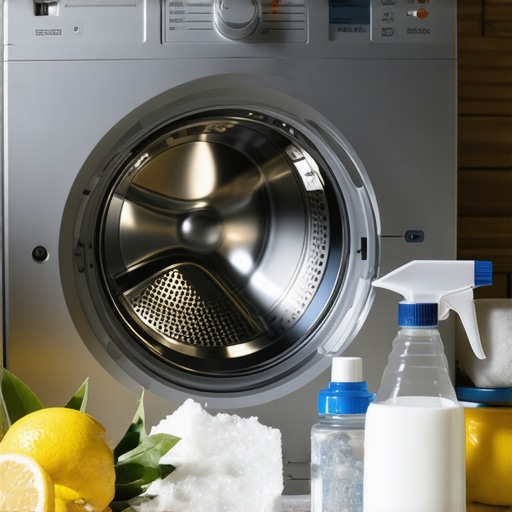
Have you ever opened your front-load washer only to be hit with a wave of damp, musty odor that instantly ruins your day? I know that feeling all too well. One morning, I was in a rush to get laundry done before work, only to be greeted by that stubborn, foul smell lingering in my machine. It was embarrassing—like my washer had developed a personality of its own, one that thrived on dampness and neglect. That epiphany led me down a rabbit hole of DIY fixes, and let me tell you, it was a game-changer.
Why Your Front-Load Washer Smells Like a Locker Room
The truth is, those unpleasant odors are more common than you might think. Front-load washers are fantastic, but they come with a hidden flaw: their design makes it easy for soap scum, mold, and mildew to build up in places you can’t see. Surprisingly, according to the Environmental Working Group, residual moisture combined with organic matter creates the perfect environment for bacteria to thrive, leading to that signature funky smell.
Early on, I made a crucial mistake—assuming that running an occasional cleaning cycle was enough. Spoiler alert: it wasn’t. That misconception almost cost me my sanity and my clothes! Through trial, error, and a dash of neighborly advice, I found that a thorough, targeted approach is what really clears out those stubborn odors. So, if you’re tired of hiding laundry days because of this pesky problem, stick around. We’re about to dig into the most effective, no-nonsense methods to banish that smell for good and keep your washer smelling fresh as a spring breeze.
Does This Sound Familiar? Facing the Musty Miracle Killer?
If your washer’s new or old, the smell doesn’t discriminate. Trust me, I’ve been there: thinking I was doing enough, only to be greeted with that pungent odor after each cycle. The key is avoiding common pitfalls—like overusing fabric softeners that leave behind residues or neglecting the rubber gasket completely. Making those early mistakes led me to waste time and energy, but learning from them has transformed my laundry routine. Want to avoid the same pitfalls? Let’s move forward and explore what actually works—because you shouldn’t have to tolerate that smell any longer.
Deep Cleaning the Washer Gasket and Drum
First, unplug your washer and open the door to access the rubber gasket—a common hideout for mold and mildew. Wear gloves, then pull back the gasket to reveal folds harboring detergent residue and gunk. Use a mixture of equal parts white vinegar and water with a few drops of dish soap, and scrub thoroughly with an old toothbrush. Pay special attention to the folds, as these trap moisture and organic debris, feeding the odor-causing bacteria. After scrubbing, wipe clean with a microfiber cloth. Doing this once a month prevents buildup and keeps odors at bay.
Sanitize and Freshen the Detergent Dispenser
Many overlook the detergent and softener compartments, but they can accumulate mold and leftover soap. Remove these components and soak them in a solution of hot water and vinegar for 15 minutes. Use a small brush or toothbrush to scrub away any residue, then rinse and dry thoroughly before reinstalling. This step removes hidden bacteria and prevents foul smells from seeping into your laundry cycles.
Run a Hot Cycle with Sanitizing Agents
Next, run your washer empty on the hottest cycle available. For added effectiveness, add two cups of bleach or a commercial washing machine cleaner designed for sanitizing. This step flushes out residual grime and kills bacteria lurking in the internal parts. If you prefer a natural approach, use two cups of white vinegar and half a cup of baking soda—this duo deodorizes and breaks down mineral deposits. Repeat this process every 4 weeks to maintain freshness and prevent odors from returning.
Addressing the Drain and Filter
The drain pump and filter can also trap hair, lint, and debris, creating musty smells. Locate the filter (usually behind a small panel at the front) and have a towel and shallow container ready. Unscrew the filter and remove any debris lodged inside. Clean the filter in hot, soapy water, then run a rinse cycle without laundry to clear out any remaining residue. Doing this regularly prevents the build-up that causes persistent odors.
Ensure Proper Ventilation and Routine Maintenance
Finally, prevent future odors by leaving the door slightly open after each wash—this allows air circulation and prevents moisture accumulation. Also, wipe down the gasket and door seal weekly with a dry cloth. For tough mold patches, apply a mixture of equal parts vinegar and water directly to the affected areas and let sit for 10 minutes before wiping clean. Incorporate these habits into your routine, and your washer will stay fresh and odor-free for the long haul.
Additional Tips for Longevity
Consider using a commercial appliance sanitizer once a month for extra assurance. Also, avoid leaving wet laundry in the washer overnight—it’s a perfect environment for mold growth. If odors persist despite these efforts, inspecting and cleaning the drain hose or consulting a professional might be necessary. For upholstery or delicate fabrics affected by washing machine odors, visit this guide for specialized cleaning techniques. Remember, a clean washer is the first step towards spotless, fresh-smelling laundry.
Many homeowners believe they understand the essentials of house cleaning, but in reality, some of the most popular tips are actually myths that can lead to ineffective results or even damage. For example, a widespread misconception is that using harsh chemicals like bleach is always the best way to sanitize surfaces. In fact, over-reliance on bleach can degrade certain materials, create health risks, and fail to target some bacteria effectively. According to professionals, understanding the proper application of sanitizing agents is crucial—for instance, vinegar and hydrogen peroxide can be more effective, safer options for certain tasks.
Another common mistake involves neglecting hidden areas such as behind appliances or inside ventilation ducts. Many skip this step, assuming regular wiping suffices. Expert cleaning secrets emphasize that neglecting these spots can lead to dust build-up and mold growth, which subtly diminish indoor air quality and property value over time. Beware of the trap of thinking that a quick surface clean is enough—deep cleaning regularly is essential for health and longevity.
People often focus solely on superficial cleaning—like vacuuming visible dust—while overlooking crucial details that add up to better hygiene. For instance, cleaning washing machine gaskets and seals is frequently neglected, yet these are prime breeding grounds for mold. Ignoring such nuances results in persistent odors and even microbial growth that can affect laundry and air quality.
How Can Advanced House Cleaning Techniques Improve Your Home’s Health?
Implementing deep sanitizing methods, like third-party proven cleaning agents or steam cleaning systems, can eliminate bacteria and allergens more effectively than standard practices. Studies show that professional-grade steam cleaners can reduce bacterial presence by over 99%, significantly improving indoor hygiene according to cleaning experts. Consequently, investing in such advanced methods not only saves time but ensures your home is genuinely sanitized, especially in high-touch areas like door handles and light switches.
Finally, understand the importance of routine maintenance. Regularly replacing or deep cleaning filters and vent covers can prevent the re-circulation of dust and allergens. Remember, a clean home isn’t achieved solely through surface tidying—attention to these small but impactful details makes all the difference. Have you ever fallen into this trap? Let me know in the comments.
 Maintaining a pristine home requires more than just occasional scrubbing; it demands reliable tools and consistent routines. I personally rely on high-quality microfiber cloths, like the Grobeen Microfiber Cleaning Cloths, because they trap dust and dirt effectively without leaving lint or streaks. Additionally, a cordless, handheld steam cleaner has become a game-changer in sanitizing upholstery and tile grout—its portability allows me to reach tight corners and fabric surfaces with ease, ensuring bacteria and allergens are eliminated without harsh chemicals. For tougher stains, I use a steam cleaner with adjustable pressure, which I find superior to chemical-based spot removers, aligning with expert advice that steam cleaning can reduce bacteria by over 99%.
Having the right tools streamlines maintenance and extends the lifespan of your home’s surfaces, saving you money on repairs down the line. Regularly replacing filters, such as those in your vacuum or air purifier, is equally vital; a clogged filter can reduce efficiency and circulate dust, undermining your cleaning efforts. For ongoing results, I employ scheduled deep cleans every few months, targeting less obvious areas like behind appliances or inside ventilation ducts, which can harbor mold and dust bunnies. These practices pay off by keeping indoor air quality high and preventing unwanted odors from developing.
Looking ahead, the trend is moving toward smart cleaning devices that integrate IoT technology. Tools like robotic vacuums programmed via smartphone apps are becoming more sophisticated, adapting to your home’s unique layout and cleaning needs. I predict that in the near future, home automation will make routine sanitizing and dusting nearly hands-free, giving homeowners more time to focus on other priorities.
**Wondering how to keep your cleaning routines effective over time?**Expert cleaning secrets recommend establishing a regular schedule and investing in quality tools that suit your home’s specific needs. For example, swapping out your conventional mop for a microfiber mop with a swivel head can dramatically improve your floor cleaning efficiency. Plus, supplementing your cleaning arsenal with natural sanitizing agents, like white vinegar and baking soda, provides an extra layer of cleanliness without relying solely on chemical products. Try incorporating a professional-grade steam cleaner into your routine—it’s proven to eliminate bacteria more effectively and is safe for most surfaces. Remember, consistent maintenance is your best weapon against wear, dirt buildup, and persistent odors, ensuring your home stays fresh and inviting for years to come.
Over time, I realized that the key to a truly clean home extends beyond surface tidying. Deep cleaning our appliances and adopting smart routines can dramatically elevate indoor hygiene. One lesson I learned the hard way is that regular, targeted maintenance of your washer not only prevents stubborn odors but also prolongs its lifespan. By integrating expert-approved practices—like replacing filters, cleaning gaskets, and utilizing natural sanitizers—you equip your home with healthier air and fresher laundry. Remember, investing a little extra effort in these details yields long-term benefits, transforming your cleaning habits from reactive to proactive. So, get into the habit of routine deep cleans; your nose and your wallet will thank you for it. Want to take your cleaning game up a notch? Start with our trusted tips and shared experiences, and watch odors vanish for good.