
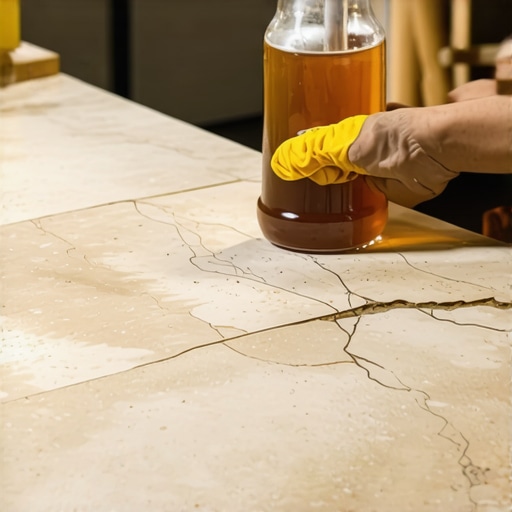
It happened during a frantic weekend cleaning spree, when I noticed my once shiny granite countertop had developed dull spots and a strange film. I was pouring vinegar—my go-to natural cleaner—thinking I was making the grout and surfaces sparkle, only to realize I’d unintentionally caused damage. That lightbulb moment made me question everything I thought I knew about natural cleaning hacks, especially the widespread advice to use vinegar on stone surfaces. If you’ve ever experienced a similar letdown, you’re not alone.
Stop Sabotaging Your Beautiful Countertops
The truth is, vinegar’s acidity isn’t the household hero it’s made out to be—especially when it comes to natural stone. Early on, I made the mistake of trusting that vinegar was safe for everything in my home, including my precious countertops. I soon learned that the acids in vinegar can etch and dull polished surfaces, leading to costly repairs and replacements. The promise of a chemical-free, natural cleaner can quickly turn into a nightmare when it damages the very surfaces you’re trying to protect.
Is All Natural Cleaning Actually Harmful to Your Stone?
It’s understandable to be skeptical, especially with so much conflicting advice online. I had to confront my fears: am I risking my investment every time I reach for that bottle of vinegar? Honestly, yes. Using vinegar on stone surfaces is akin to using lemon juice on a delicate fabric—natural doesn’t always mean safe. In fact, according to experts, the acidity in vinegar can etch limestone, marble, and granite, creating permanent damage. I learned this lesson the hard way when I tried to clean a stubborn stain and inadvertently caused dull spots that I couldn’t buff out.
If you’ve experienced something similar, I encourage you to read more about effective, safe cleaning methods. For instance, learning proper techniques from trusted sources like [Spotless Carpetz](https://spotlesscarpetz.com/effective-house-cleaning-secrets-from-cleaning-experts) can help you preserve your surfaces for years to come.
Now, I’m here to share what I wish I knew earlier—how ditching vinegar transformed my cleaning routine and saved me from future mishaps. Let’s dive into the simple, effective ways to keep your stone countertops pristine without risking damage.
Avoid Damage with Proper Cleaning Techniques
Begin by removing loose debris with a soft microfiber cloth or a gentle dusting tool. Unlike abrasive scrubbers, these prevent scratching and preserve your surface’s polish.
Use Custom Cleaning Solutions
Mix a solution of warm water with a few drops of gentle dish soap—no acids or harsh chemicals. Test a small, inconspicuous area first to ensure no discoloration. When cleaning, dip a soft cloth into the solution, wring it out thoroughly, then wipe the surface in gentle, circular motions. For stubborn spots, let the damp cloth sit for a few minutes before wiping away. This method prevents etching caused by acidic solutions like vinegar or lemon juice.
Address Stains Effectively
For oil-based stains, apply a paste of baking soda and water, letting it sit for 10-15 minutes before gently wiping away with a damp cloth. Avoid abrasive scrubbing pads, which can scratch the surface. For organic stains like wine or coffee, use a mix of hydrogen peroxide and a few drops of dish soap, applying carefully with a soft cloth—never pour directly onto the stone.
Protect and Maintain the Surface
Once cleaned, apply a high-quality stone sealer following manufacturer instructions—usually once or twice a year. This creates a protective barrier against stains and spills. Remember, clean spills immediately to prevent staining. Use coasters and trivet pads to avoid heat and moisture damage, and never place hot pots directly on the surface.
Deep Cleaning for Move-Out Cleaners
When preparing a property for move-out, focus on detailed cleaning: scrub backsplash corners, wipe under appliances, and polish edges. For upholstery in the space, use trusted guides like upholstery cleaning tips for a fresh home revival to ensure fabric cleanliness without harm. This prevents residual stains and ensures surfaces comply with move-out standards.
Sanitation Without Damage
To disinfect without risking etching, use a spray of 70% isopropyl alcohol on a soft cloth, then wipe the surface. This effectively kills germs without acidic damage. Remember to ventilate the area well during and after cleaning. For detailed sanitation strategies, consult sanitizing hacks for safe house transitions.
While many believe that tackling every nook and cranny with harsh chemicals guarantees a sparkling home, the truth is that some widespread cleaning practices often backfire. For instance, a common misconception is that using bleach or strong disinfectants is always necessary to eliminate germs. However, overusing such chemicals can damage surfaces and create health hazards, especially on natural materials like wood or stone. Experts suggest opting for gentler, targeted solutions for specific messes to preserve your home’s integrity and safety.
Are You Overlooking the Nuances of Effective Sanitizing?
Many assume that wiping surfaces with alcohol or commercial disinfectants suffices, but this overlooks how porous materials can harbor bacteria beneath the surface. Studies show that porous surfaces like upholstery or certain countertops can retain microbes even after cleaning. Therefore, integrating targeted sanitizing methods, such as steam cleaning for upholstery or specialized disinfectants for high-touch areas, ensures comprehensive protection. For advanced sanitation, consider the insights from expert sanitization strategies that go beyond surface-level cleaning.
A hidden trap many fall into involves neglecting to address overlooked spots like behind appliances, under furniture, or inside vents, which can become breeding grounds for germs and mold. Regularly inspecting these areas and incorporating detailed cleaning routines can prevent health issues and maintain a truly sanitary environment. Check out this comprehensive move-in cleaning checklist for more tips.
Furthermore, many underestimate the importance of proper tools—using abrasive scrubbers or dirty cloths across multiple surfaces spreads dirt and microbes rather than removing them. Switching to microfiber cloths and understanding their maintenance, as explained in expert advice on microfiber use, enhances cleaning efficacy and surface longevity.
In essence, the secret to effective house cleaning lies not in brute force or toxic chemicals but in understanding the nuances of materials, employing the right tools, and adopting targeted sanitizing practices. Leveraging these insights will make your efforts more efficient and keep your home genuinely safe and spotless. Have you ever fallen into this trap? Let me know in the comments.
Keep It Working with the Right Tools
Maintaining a pristine home isn’t just about the initial cleaning; it hinges on using specialized equipment designed for durability and efficiency. I personally rely on a high-quality microfiber mop system, such as the Microfiber Magic Mop, because it traps dust and dirt better than traditional mops, reducing the need for frequent replacements. For upholstery, I swear by the portable steam cleaner from GarryPro; it’s lightweight, heats quickly, and uses a steady pressure that provides deep cleaning without soaking fabrics, prolonging their life. When it comes to sanitizing, I avoid over-the-counter disinfectants and opt for a commercial-grade UV-C sanitizer lamp, which I use weekly on frequently touched surfaces to eliminate microbes without chemical buildup. 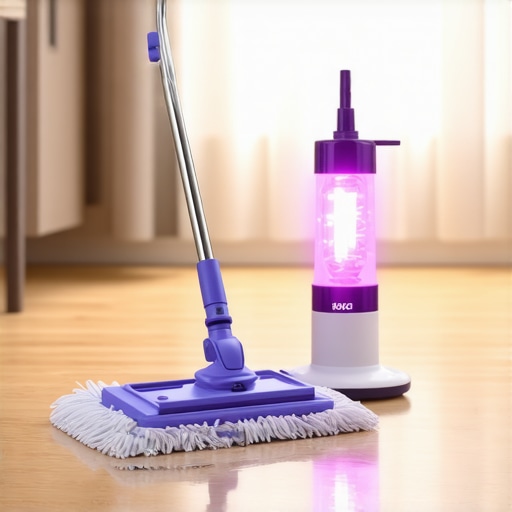
In the future, I believe the trend will lean towards smart cleaning gadgets integrated with IoT tech, allowing real-time monitoring and maintenance reminders, making home upkeep even more effortless.
How do I maintain my cleaning equipment over time?
Regular maintenance is key. Rinsing microfiber cloths and mops with warm water after every use prevents bacterial buildup. For electronics like steam cleaners and UV lamps, following the manufacturer’s cleaning schedule, such as descaling the boiler or replacing UV bulbs annually, ensures optimal performance. Storing tools in a dry, ventilated space prevents mold and rust. For detailed insights on maintaining your cleaning arsenal, visit effective house cleaning secrets from cleaning experts. Implementing these routines will extend the lifespan of your tools and save you money in the long run.
Don’t forget, investing in the right tools is just the beginning. Knowing how to maintain and upgrade your equipment keeps your home clean and safe consistently. I encourage you to try out a UV-C sanitizing lamp for your high-touch areas—it’s a game-changer in germ control and long-term surface maintenance.
The Hardest Lesson I Learned About House Cleaning, Move-Out Cleaning, Upholstery, and Sanitizing
One of my biggest lightbulb moments was realizing that not all natural solutions are safe for every surface—especially when I tried using vinegar on my marble countertop and saw dull spots appear. This taught me to research materials before choosing cleansers, saving my surfaces from irreversible damage.
Secrets That Most Cleaning Guides Don’t Reveal
I discovered that investing in quality tools like microfiber cloths and steam cleaners drastically reduces the need for harsh chemicals and frequent replacements. Switching to these tools transformed my approach, making cleaning both effective and gentle on surfaces.
Why DIY Methods Have Limits — And When to Call Professionals
While natural remedies are great, I learned that some stains, mold, or deep-seated debris require expert equipment or expertise. Knowing when to seek professional move-out cleaning or upholstery restoration can be the difference between a quick fix and a deposit-saving overhaul.
My Personal Strategy for Maintaining a Germ-Free Home Thankfully
Using targeted sanitizing methods, like UV-C light treatments on high-touch areas, elevated my home’s hygiene without risking surface damage. These practices, combined with routine cleaning, have kept my living space safe and spotless for years.