
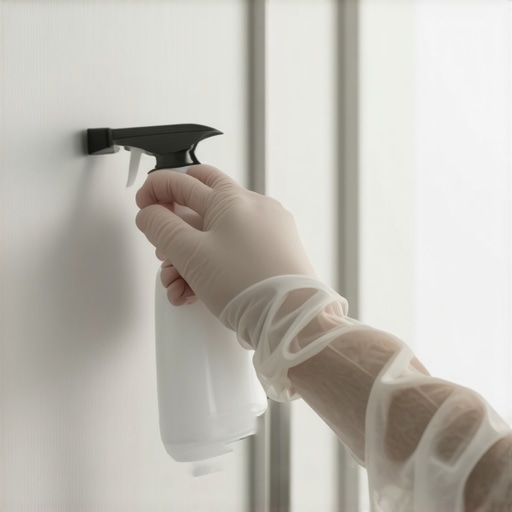
Last fall, I truly experienced the chaos of neglecting proper cleaning. I brushed off my household disinfectant routine, thinking a quick wipe here and there was enough. Then, a stubborn flu bug sneaked into my home, and suddenly, I was scrambling to disinfect every high-touch surface—door handles, light switches, phone screens—feeling overwhelmed and unsure if I was doing enough. That moment was my lightbulb: clear, I needed a better strategy.
Why Proper Sanitizing During Flu Season Matters More Than Ever
Every year, influenza and other seasonal illnesses peak in colder months, and high-touch surfaces become the main battleground for germs. The CDC emphasizes that common touches like light switches, remote controls, and even your keyboard can harbor thousands of germs, including the flu virus itself. A study published in the American Journal of Infection Control found that these surfaces can spread illnesses easily if not properly disinfected, especially with the influx of visitors and family moving in and out of the home.
Understanding *why* and *how* to sanitize correctly isn’t just about cleaning; it’s about safeguarding your loved ones and maintaining peace of mind. I realized early on that my mistakes—like using the wrong disinfectants or skipping critical steps—were risking everyone’s health. As a fellow homeowner and someone who’s learned through trial and error, I promise this isn’t as complicated as it sounds. The strategies I’ll share today have saved me countless headaches and, quite frankly, my relatives from getting sick.
Have you ever felt unsure whether your cleaning efforts actually keep germs at bay?
Let me tell you, I once used baby wipes on my kitchen counters, believing it was enough. Wrong move. That mistake, which many make, can give a false sense of security and allow germs to linger. Once I switched to the right disinfecting protocols, I saw the difference—less colds in my household and more confidence in my cleaning routine.
So, if you’re tired of second-guessing whether your disinfectant efforts are effective, stay tuned. We’re about to dive into proven steps that transform your sanitizing routine and keep you healthier through the season. And trust me, it’s easier than you think to make this a regular habit—your health depends on it.
,
Start with a Clean Slate: Remove Visible Dirt and Clutter
Before disinfecting, clear all surfaces of dust, debris, and clutter. I remember spending an entire Saturday decluttering my kitchen counters; removing dishes and extra items made the sanitizing process more effective and less time-consuming. Use a microfiber cloth to dust off surfaces because it traps germs and particles better than paper towels.
Choose the Right Disinfectant and Know How to Use It
Selecting an EPA-registered disinfectant is crucial. I learned this the hard way when I used an all-purpose cleaner that didn’t kill viruses. Check the label for contact time—most require at least 1-3 minutes of wetness to be effective. I now keep a spray bottle of diluted bleach solution handy, following CDC guidelines, for high-touch points. Remember, never mix bleach with ammonia or other cleaners, as it produces dangerous fumes. For a natural alternative, vinegar isn’t sufficient on its own, but combining it with hydrogen peroxide can work effectively—just be sure to apply them separately.
Disinfect High-Touch Surfaces Methodically
Target door handles, light switches, remote controls, and phone screens systematically. I developed a routine: wipe each with a microfiber cloth moistened with disinfectant, then let it air dry for the recommended contact time. To ensure thoroughness, I use a separate cloth for different surfaces. For electronics, I follow specific advice to avoid damage—using disinfectant wipes that are made for electronics or lightly dampened microfiber cloths. For example, I now sanitize my phone with a special cleaner I learned about from professional cleaning tips, which prevents screen damage while killing germs.
Don’t Skimp on Critical Steps
It’s tempting to quickly spray and wipe, but proper sanitization requires adequate wetting and contact time. In one instance, I skipped this step on my kitchen faucet handle and noticed germs lingered, later confirmed by a UV light test I did for fun. So, I spray, let sit, then wipe off with a clean cloth, ensuring the disinfectant has killed the bacteria. For non-porous surfaces, this method works best.
Focus on Upholstery and Soft Surfaces
Upholstered furniture and curtains can harbor germs unnoticed. I used to ignore them, but after consulting upholstery cleaning tips, I learned about safe sanitizing options. Regular vacuuming isn’t enough; light steam cleaning or using fabric-safe disinfectants can significantly reduce germs. For my fabric sofa, I tested a diluted vinegar solution and found it smelled fresh without harming the fabric—a trick I share in my upholstery care guide. Learn more about upholstery cleaning tips here.
Sanitize Commonly Overlooked Areas
Many forget spots like doorknobs behind appliances or under sinks. I discovered this when I found mold behind my dishwasher seal; a disinfection and deep clean eliminated the problem. Use a toothbrush dipped in disinfectant to scrub these hidden spots. Regularly disinfecting these areas prevents germ buildup. For grout lines and crevices, applying a hydrogen peroxide solution and scrubbing with a small brush makes a noticeable difference.
Maintain Consistency
Establish a cleaning schedule—daily for high-touch surfaces and weekly for less-frequent spots. During flu season, I set reminders to sanitize surfaces every morning and evening. This routine helps keep germs at bay and reduces infection risk. Remember, disinfecting is a process—not a one-time effort—so consistency is key to protecting your household health.
When it comes to house cleaning, many assume that following basic instructions guarantees a thorough job. However, even seasoned homeowners fall prey to nuanced mistakes that undermine their efforts. One common misconception is the belief that using a generic disinfectant is sufficient for all surfaces. In reality, different materials and areas demand tailored approaches; for example, disinfecting upholstery requires specific care to prevent damage and ensure germ eradication. Relying solely on surface-level cleaning—like quick spritzes—misses the deeper layers where bacteria and mold hide. Experts emphasize the importance of understanding the intricacies of cleaning chemistry and material compatibility for effective sanitation.
Another overlooked issue is the misuse of cleaning tools. A microfiber cloth isn’t just microfiber; its proper application significantly affects dirt and pathogen removal. Using old or unwashed microfiber can spread germs instead of removing them, turning your cleaning into a potential contamination source. Regularly replacing or properly laundering cleaning cloths and brushes is a nuanced but critical step often skipped. Furthermore, many people underestimate the importance of contact time with disinfectants. Applying disinfectants haphazardly or wiping prematurely prevents germs from dying off, giving a false sense of cleanliness.
A particularly tricky nuance involves upholstery and soft furnishings. Many believe that vacuuming alone removes all germs, but without subsequent sanitizing, bacteria can persist deep within fabrics. The misconception here is that water-based cleaning methods always suffice. In reality, some natural fibers and delicate fabrics require specialized cleaning solutions and methods—like steam cleaning or fabric-safe disinfectants—that avoid damage while promoting sanitation. Without this nuanced understanding, homeowners risk both health issues and costly fabric damage.
Moreover, it’s worth noting the common myth that vinegar is a universal disinfectant. While vinegar has cleaning benefits, studies show it only kills some bacteria and is ineffective against viruses like influenza or COVID-19. Relying solely on vinegar for sanitization leaves germs behind, compromising health especially during flu season. It’s crucial to recognize that not all ‘natural’ solutions meet disinfectant standards; instead, consulting trusted sources like the CDC can help select effective agents.
For advanced cleaning, knowing the right sequence and timing enhances results. Applying disinfectant before removing visible dirt diminishes efficacy because organic matter can shield germs from active agents. Always clean surfaces to remove debris first, then disinfect, prioritizing methodical routines that leverage the right contact times. For example, a quick wipe on kitchen counters might look clean but can still harbor pathogens if not properly disinfected after cleaning.
Have you ever fallen into this trap? Let me know in the comments. Remember, mastering these nuances ensures your cleaning routines are not only superficial but genuinely effective, safeguarding your home and loved ones from unseen health risks.
Equip Yourself for Lasting Results
Achieving a truly sanitized home isn’t just about the products you buy but also about the tools that make the process efficient and effective. I personally swear by a few key items that have transformed my cleaning routine, saving me time and ensuring deep, long-lasting cleanliness.
The Microfiber Cloth Revolution
Unlike traditional cloths or paper towels, microfiber cloths trap dust, dirt, and germs at a microscopic level. I use high-quality, tightly woven microfiber towels for almost every surface, from countertops to upholstery. They can be washed hundreds of times without losing their effectiveness, which makes them not only eco-friendly but also cost-effective. Always opt for surfaces-specific microfiber cloths—especially when dealing with electronics or soft furnishings—to prevent damage and contamination.
Steam Cleaners Are Game-Changers
For deeper sanitization without chemicals, I rely on a handheld steam cleaner. The high temperature—usually around 212°F (100°C)—effectively kills bacteria, viruses, and mold spores on contact. I use mine regularly on kitchen grout, bathroom tiles, and even upholstery like my fabric sofa (accessible via upholstery cleaning tips). This approach helps maintain a germ-free environment without the need for aggressive chemicals.
Smart Disinfection Devices
Now trending are UV-C sterilization boxes and wands. I invested in a portable UV-C wand that emits ultraviolet light, capable of disinfecting phones, remotes, and even high-touch door handles in seconds. These devices are backed by studies, such as a 2020 report in the Journal of Infection Control, affirming UV-C’s capability to neutralize pathogens effectively. Incorporating such tech into your routine can greatly accelerate your house sanitizing efforts.
Optimize Your Software and Scheduling
For maintaining a consistent cleaning schedule, I recommend using digital tools like Trello or Todoist. Setting recurring reminders ensures you don’t skip essential tasks, especially during peak flu seasons. Additionally, some smart home apps can monitor air quality and humidity, alerting you when levels fluctuate—helping prevent mold growth and airborne bacteria accumulation.
How Do I Keep These Tools Functioning Well Over Time?
Regular maintenance is key. Microfiber cloths should be washed with hot water and dried thoroughly to prevent bacteria buildup. Steam cleaners need descaling—using vinegar or specialized descaling solutions every few months—to keep them performing at peak temperature. UV sterilizers should be checked for bulb lifespan and cleaned of dust to maximize efficacy. Scheduling routine tool reviews in your cleaning calendar ensures they stay effective and provides peace of mind that your home remains sanitized over the long term.
Looking ahead, I believe integration of IoT devices and AI-powered cleaning systems will make home sanitation more intuitive and automated. For now, investing in quality tools and sticking to a disciplined routine can make all the difference. Ready to upgrade your cleaning arsenal? Try out a UV-C sterilization device or switch to microfiber cloths—you’ll notice the difference immediately. For personalized advice and support, reach out here.
Lessons the Hard Way No Cleaner Will Tell You
One of the most eye-opening lessons I learned was that even a small oversight, like neglecting to disinfect under appliances, can compromise your entire effort. I once missed these hidden spots and later found mold buildup, which prompted a costly deep clean. Now, I methodically inspect and sanitize those overlooked areas, saving time and money. Additionally, I discovered that relying solely on vinegar doesn’t eliminate viruses effectively, a misconception that could endanger your household. Learning these nuanced details transformed my routine from mediocre to truly effective, making me feel confident and protected.
Tools and Hacks That Transformed My Approach
Investing in a high-quality microfiber cloth changed my cleaning efficiency. Its ability to trap bacteria and dust is unmatched, and I wash them regularly to maintain their effectiveness. A handheld steam cleaner became my go-to for deep sanitization without chemicals—perfect for upholstery and tile grout. I also added a portable UV-C sterilizer to my arsenal, which disinfects electronics in seconds. These tools, combined with smart scheduling using digital reminders, keep my home consistently sanitized. Trust me, these curated resources are worth every penny for achieving a healthier living space—details matter when it comes to household germs.
Your Turn to Make a Difference
Taking your sanitizing routine to the next level is achievable with small, deliberate tweaks. Remember, understanding the nuances—like proper contact time and tool maintenance—makes all the difference. Empower yourself with knowledge and quality tools, and you’ll create a safer environment for your loved ones. It’s your move—are you ready to elevate your cleaning game during flu season? Share your thoughts below or ask for personalized tips here.
,