
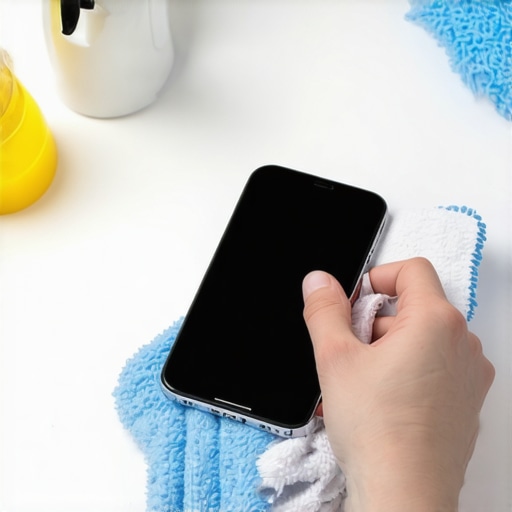
It was a morning just like any other when I reached for my phone, only to realize I’d left it on the bathroom counter after cleaning. As I picked it up, a streak of soap and water remains on the screen—testament to my earlier misstep. That moment was a lightbulb moment for me: I needed a method to sanitize my phone effectively without risking damage to its delicate display.
Why Protecting Your Phone’s Screen Matters More Than You Think
Our phones are tiny bacteria magnets, harboring more germs than a toilet seat, according to a study by the University of Arizona. Yet, many of us wipe them with whatever disinfectant we have on hand, often damaging the screen in the process. The worst part? Damage from improper cleaning often isn’t immediately obvious, leading to costly repairs or replacements later on.
Over the years, I learned that improper cleaning can cause my phone’s screen to become clouded or sticky. It’s frustrating because I want my device to be as germ-free as possible, but I also don’t want to accidentally ruin the beautiful display I paid good money for. This realization prompted me to seek out safe, proven methods to keep my phone sanitized without the risk of damage.
Ever Wondered If You’re Doing It Wrong?
Early on, I made a common mistake: using harsh chemicals like bleach or ammonia-based cleaners directly on my phone. Not only did these solutions leave streaks and spots, but they also degraded the screen’s coating over time. Trust me, I’ve learned the hard way—that’s hardly the best way to keep your device clean.
In this guide, I’ll share the most effective and safe techniques I’ve discovered—methods that have protected my device’s integrity while giving it that thorough clean. If you’ve ever worried about damaging your phone’s fragile screen while sanitizing, you’re not alone. Let’s clear up those concerns and get your phone germ-free, the right way.
Prepare Your Cleaning Supplies Carefully
Start by gathering gentle cleaning agents like 70% isopropyl alcohol or disinfectant wipes approved for electronic devices. Avoid harsh chemicals such as bleach or ammonia-based cleaners, as they can damage your screen’s coating. I learned this the hard way when using household bleach, which left streaks that took days to clean off—definitely not worth risking your device’s health. Ensure your cloth is microfiber or lint-free to prevent scratches.
Power Down and Remove Accessories
Always turn off your phone before cleaning. Remove cases, screen protectors, and any attached accessories. This extra step ensures thorough cleaning and prevents accidental damage from liquids. On one occasion, I forgot to remove my case, and excess moisture got trapped, causing a foggy display for hours. Taking this step minimizes that risk.
Apply the Disinfectant Correctly
Dampen a microfiber cloth with a small amount of the chosen disinfectant—never spray directly onto the screen. Wring out excess liquid so the cloth is just slightly moist. Imagine you’re cleaning a delicate upholstery piece; using too much liquid could seep into seams and damage internal components. Gently wipe the entire surface in circular motions, covering all areas.
Pro Tip: Use an Alcohol-Based Wipe
Moist towelettes with 70% alcohol are convenient and safe for phones. When I first tried using a damp cloth with alcohol, I found it less messy and more effective. Make sure the wipe isn’t overly saturated to avoid liquid seeping into ports or speaker openings. For stubborn smudges, holding the wipe in place for a few seconds helps lift oils and germs more effectively.
Focus on Difficult Areas
Pay special attention to edges, ports, and buttons—these areas often harbor bacteria. Use a dry cotton swab or a soft brush to clean dust and debris from crevices. Remember, bacteria can hide where cleaning solutions seldom reach, so being thorough is key. Once, I used a toothpick to gently clear debris from charging ports, which kept my device cleaner and ensured better sterilization.
Clean and Dry Your Phone Properly
Wipe the screen and body with a dry microfiber cloth to remove any residual moisture. Think of it like polishing furniture—shiny, streak-free results depend on a proper dry finish. Allow your phone to air-dry for a few minutes before reassembling or turning it back on. This simple step prevents moisture from causing internal damage.
Maintain a Regular Cleaning Routine
Sanitize your device weekly to prevent germ buildup. Incorporate this into your house cleaning routine, just like maintaining upholstery or move-out cleaning. For instance, after my last move, I included phone disinfection as part of my comprehensive cleaning plan—this approach not only keeps my device hygienic but also extends its lifespan.
For more detailed house cleaning secrets that preserve your appliances and devices, visit Effective House Cleaning Secrets. Proper cleaning techniques are vital to avoid damage and ensure your devices are truly sanitized.
While basic cleaning techniques are often enough to maintain our homes, many people unknowingly fall into common traps that can compromise the effectiveness of sanitizing and upholstery care. For instance, a frequent misconception is that any household disinfectant works equally well on all fabrics and surfaces; however, experts warn that using improper solutions can damage delicate materials or leave residues that attract dirt over time. According to a study published in the Journal of Consumer Research, overusing harsh chemicals may lead to deterioration of fabric textures, which many homeowners overlook, thinking more aggressive cleaning is better. Do you know the difference between cleaning for appearance versus sanitizing for health? Often, people focus solely on visible cleanliness and neglect microbial eradication, especially on porous surfaces like upholstery or carpet fibers. This oversight can lead to persistent germs and allergens lingering unnoticed, making your efforts less effective. Moreover, many believe move-out cleaning is solely about surface wiping, but neglecting hidden dust traps or built-up grime behind appliances can cause renters to lose their security deposits. For example, neglected window tracks or baseboard corners often become overlooked spots that trap dirt, which could be a critical factor during inspection. Would you be surprised to learn that using high-pressure steam cleaners on certain fabrics might actually cause more harm rather than good? Steam cleaning can be beneficial, but if misapplied—particularly on delicate materials like natural fibers—it can damage the fabric’s texture or weaken the backing. This is why understanding fabric-specific cleaning methods is crucial; for example, restoring velvet’s texture requires gentle approaches that preserve the material’s integrity. Make sure to dry thoroughly after cleaning to prevent mold growth, especially in humid environments, which many overlook. Always remember, the aim is not just to clean but to sanitize sustainably without damaging your furniture or surfaces. Have you ever fallen into this trap? Let me know in the comments. For more insights on effective and safe cleaning practices that actually work, check out effective house cleaning secrets which delve deeper into expert-backed methods.
Keeping It Working: Essential Tools for Long-Term Cleaning Success
To maintain a pristine home, investing in the right equipment makes all the difference. I personally swear by a high-quality handheld steam cleaner for upholstery. It provides deep sanitation without the use of harsh chemicals, ensuring delicate fabrics like velvet or vegan leather are preserved. Choosing models with adjustable steam settings allows me to target stubborn stains or gently refresh natural fibers, which aligns with my goal of long-term preservation and sanitation.
Beyond steam cleaners, a cordless, battery-operated handheld vacuum proves invaluable for quick cleanups, especially in tight corners or beneath furniture. I recommend models with HEPA filters, which trap allergens and microbes, aiding in maintaining a healthier environment over time. Regular maintenance of these tools—cleaning filters and replacing parts—is crucial to keep them functioning efficiently and prolong their lifespan.
Software and Scheduling: Stay Ahead of Dirt and Germs
Implementing a digital cleaning schedule helps me keep up with routine sanitizing, preventing build-up that could compromise hygiene or the integrity of surfaces. Apps like Trello or Google Calendar are excellent for setting recurring reminders to disinfect high-touch areas, upholstery, and behind appliances like the dishwasher or fridge—common dust traps that many overlook during move-out cleans. Automating reminders ensures I never miss a session, which is essential for long-term results.
Additionally, investing in customer management software like Housecall Pro streamlines scheduling with professional cleaners, if I choose to outsource certain tasks. With clear scheduling, I can allocate time for deep cleans of vulnerable or hard-to-reach spots, ensuring consistent maintenance.
Future Trends in Cleaning Tools
Looking ahead, I predict that robotic cleaning devices equipped with advanced sensors will become more common. These will autonomously sanitize and vacuum, especially in hard-to-reach areas, integrating AI to adapt to varying surfaces and dirt levels. Such innovations will revolutionize long-term maintenance, making it more efficient and effective, especially for busy homeowners.
How do I maintain cleaning equipment over time?
Regularly inspecting, cleaning, and replacing parts of your tools is vital. For example, I clean my steam cleaner’s filters weekly and check for mineral buildup to prevent performance dips. Following manufacturer guidelines—like those suggested by technical manuals—helps extend your machines’ usability and ensures consistent, high-quality sanitation. Keep an eye out for updates from manufacturers regarding maintenance; staying informed helps you catch early signs of wear before costly repairs are needed.
To optimize your cleaning routine, consider incorporating advanced tools and software tailored to your household needs. Doing so not only saves time and effort but guarantees your home remains hygienic and well-preserved for years to come. For detailed tips on maintaining upholstery, visit Upholstery Cleaning Tips for practical advice on preserving fabrics long-term.
Don’t hesitate to experiment with the latest tools and techniques—like trying out a high-quality steam cleaner with adjustable settings—to elevate your cleaning routine. Using the right equipment coupled with a consistent maintenance plan ensures your home stays fresh, sanitized, and damage-free for years to come.
Three Surprising Truths That Changed My Cleaning Perspective
First, I discovered that over-using harsh chemicals on delicate fabrics not only damages their appearance but also reduces their lifespan—something I wish I had learned sooner. Second, I realized that neglecting hidden spots like behind appliances or within crevices can cause persistent odors and bacteria buildup, undermining my sanitation efforts. Lastly, I found that consistent maintenance and investing in the right tools, like an adjustable steam cleaner, make all the difference in achieving a truly clean, healthy home.
Curated Gems for Maintaining Stunning Upholstery and Sanitation Success
For effective upholstery care, I swear by the Upholstery Cleaning Tips guide, which offers practical strategies to preserve fabric integrity. The Effective House Cleaning Secrets article has transformed my approach to routine sanitation by emphasizing expert-backed methods that prevent damage. Additionally, Sanitizing Hacks for Safe House Transitions provided insights on maintaining hygiene during stressful move-in or move-out periods, saving me time and worry. Lastly, I recommend choosing tools like a HEPA-filter vacuum and a versatile steam cleaner, as they have proven invaluable in my long-term cleaning success.
Your Next Step to a Cleaner, Safer Home
Embrace the journey of mastering upholstery and house cleaning—your efforts not only safeguard your health but also extend the life of your belongings. Remember, each small step you take toward smarter cleaning builds confidence and satisfaction, turning chores into a form of caring. Keep experimenting with techniques and tools; the right combination makes all the difference in creating a truly refreshed and germ-free space. Your home’s cleanliness reflects your love for it; start today, and enjoy the rewarding results.