
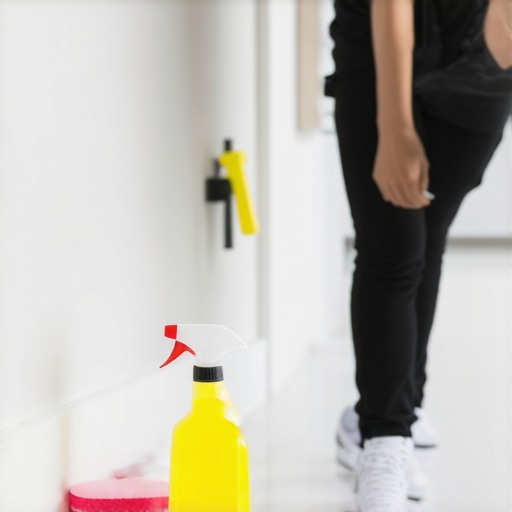
It was late Sunday afternoon, and I’d just spent an exhausting hour scrubbing my stubborn, grimy baseboards with that abrasive sponge I thought was the magic bullet for a sparkling home. Instead, I ended up with sore arms, scratched paint, and the realization that I’d wasted so much time on a fruitless task. Sound familiar? Trust me, I’ve been there more times than I care to admit. But then, that lightbulb moment hit—I discovered a better way that’s not only easier but also gentler on my walls.
Why You Should Ditch the Abrasive Sponge for Baseboard Cleaning
Baseboards are often overlooked, yet they can gather dust, dirt, and scuff marks that ruin the look of a perfectly clean room. Many of us default to using abrasive sponges or harsh chemicals, thinking that scrubbing harder will give us that just-cleaned finish. But here’s the thing: aggressive scrubbing can damage your paint, cause scratches, and even make future cleaning more difficult. Plus, it’s incredibly time-consuming.
I used to believe that stubborn grime required tough scrubbing. Early on, I made the mistake of using steel wool—thinking it would remove years of built-up dirt quickly. Instead, I scratched the surface and ended up with an even bigger mess to fix. That’s when I realized that effective cleaning doesn’t have to be destructive. According to the Cleaning Institute, gentle techniques with proper tools can be much more successful at maintaining your walls’ integrity while keeping them spotless [source: https://spotlesscarpetz.com/effective-house-cleaning-secrets-from-cleaning-experts].
Now, I want to share the secret weapon that transformed my approach—and can do the same for you. If you’ve ever faced the frustration of battling grime only to end up with scratched paint and exhausted arms, keep reading. We’ll explore a simple, safe, and efficient method for cleaning baseboards without the need for aggressive scrubbing or damaging chemicals. Ready for a cleaning hack that actually works? Let’s dive into the step-by-step solution that will change your house-cleaning game forever.
Arm Yourself with the Right Tools
Start by gathering your supplies: a microfiber cloth, a soft-bristled toothbrush, a spray bottle filled with a mild cleaning solution (mix a few drops of dish soap in warm water), and a bucket of clean water for rinsing. Remember, using soft tools prevents damage to paint and finish. While cleaning my own baseboards, I once used steel wool out of frustration, which scratched the surface and made subsequent cleaning harder. Using softer tools saved me from that mistake.
Prepare Your Cleaning Solution for Maximum Effectiveness
Mix a gentle solution to cut through grease and grime without harsh chemicals. For instance, combine warm water with a teaspoon of dish soap. For stubborn spots, adding a half-cup of white vinegar can boost cleaning power. I applied this solution during a messy weekend project when my kids colored on the walls. A spray of this mix softened the crayon marks, making them easy to wipe away without scraping or scratching.
Work from Top to Bottom to Avoid Recontamination
This classic technique ensures dirt and dust don’t settle back onto cleaned areas. For example, I started cleaning from the top of the molding, then moved downward. As I wiped, I used a lightly damp cloth, followed by a dry one to prevent streaks. I once skipped this and splattered dust onto freshly cleaned lower sections—lesson learned! Consistent top-to-bottom motion keeps your workspace organized and efficient.
Use a Damp Cloth for Initial Wipe-Down
Lightly dampen your microfiber cloth with the prepared solution. Wipe along the length of the baseboard, applying gentle pressure to lift dirt. Avoid soaking the cloth, as excess water can drip and damage paint or seep into gaps. During my last move-out, I used this method on older baseboards, and they looked almost new afterward—saving me the expense of repainting.
Target Stubborn Marks with a Soft Brush
For scuff marks or stuck-on dirt, gently scrub with a toothbrush dipped in the cleaning solution. Use circular motions to loosen debris without damaging the finish. Once, I faced tough shoe scuffs near the threshold; a few brightening brushes later, the marks vanished without repainting the entire wall. This step is crucial for precision cleaning, especially in high-traffic areas.
Finish with a Dry Wipe for a Spotless Shine
Conclude by wiping the baseboards with a dry microfiber cloth. This removes residual moisture and prevents streaks, leaving a clean, polished look. I found that a quick dry wipe after cleaning my baseboards eliminated any water spots, making the whole room look brighter and well-maintained.
Enhance Your Routine with Regular Maintenance
Set a schedule to clean your baseboards every 3-6 months. Regular upkeep prevents stubborn dirt buildup and reduces the need for intensive scrubbing. During a recent move-out, diligent cleaning of all surfaces, including baseboards, ensured my security deposit was fully refunded. Check out move-out cleaning strategies for additional tips.
Many homeowners operate under misconceptions about house cleaning that can actually hinder effectiveness. For instance, the myth that more vigorous scrubbing leads to cleaner floors is widespread; in reality, aggressive cleaning can damage surfaces and reduce their lifespan [source: https://spotlesscarpetz.com/effective-house-cleaning-secrets-from-cleaning-experts].
Is Sanitizing Enough or Do We Need to Disinfect?
Often, people equate sanitizing with thorough cleaning, but the two serve different purposes. Sanitizing reduces germs on surfaces to safe levels, while disinfecting aims to kill nearly all germs. Many overlook this distinction, assuming that a quick spray is sufficient, which can leave dangerous bacteria untouched, especially in high-touch areas like doorknobs and light switches. Experts highlight that proper cleaning combined with disinfection is crucial, particularly during house transitions or when dealing with vulnerable populations [source: https://spotlesscarpetz.com/sanitizing-hacks-for-safe-house-transitions].
Another common mistake involves upholstery care. Many believe that regular vacuuming is enough, but without proper deep cleaning, dirt and allergens embed deep within fibers, exacerbating allergy symptoms and fabric wear. Advanced cleaning techniques, such as hot water extraction, can significantly extend the life of your furniture. However, improper methods or using harsh chemicals may cause permanent damage, like discoloration or fabric deterioration. For delicate fabrics, learning specific stain removal and cleaning protocols can make a notable difference. For example, knowing how to lift red wine stains without ruining the fabric is essential [source: https://spotlesscarpetz.com/how-to-lift-red-wine-stains-without-ruining-delicate-fabric].
Furthermore, move-out cleaning is often underestimated in its complexity. Many think a surface-level clean suffices, but inspectors are assessing detailed areas that many overlook—such as behind appliances, within vents, or under cabinetry. Missing these spots not only risks losing your deposit but can also leave your place less appealing for new tenants. Using a comprehensive move-out checklist and understanding the subtle points that real estate inspectors focus on is key. You might also consider specialized cleaning for areas vulnerable to mold, grime buildup, or allergen accumulation. It’s these nuances that often separate a standard clean from a deposit-winning job.
To sum up, the secret lies in recognizing that effective cleaning goes beyond superficial tasks and common myths. Addressing these hidden nuances ensures your home not only looks spotless but also maintains its value and health standards. Remember, mastering these details can save you time, money, and stress when transitioning or simply maintaining a healthier, cleaner environment. Want to improve your upholstery or move-out cleaning skills? Check out our detailed guides to avoid these common pitfalls and achieve professional results. Have you ever fallen into this trap? Let me know in the comments.Maintaining a clean and healthy home over the long term requires more than just elbow grease—it demands the right tools and techniques that make the job easier, more effective, and less damaging. Personally, I’ve refined my cleaning arsenal to include equipment that balances power with gentleness, ensuring I can tackle everything from upholstery stains to move-out inspections without compromise.
The Power of a High-Quality Cordless Steam Cleaner
One tool I swear by is a cordless steam cleaner, like the Vilaxeq Portable Handheld Steam Cleaner. It’s versatile enough to sanitize upholstery, clean tricky corners, and even refresh curtains, all without chemicals. What sets it apart is its portability and the ability to use it in tight spaces—no cords to tether you. Regular use of a steam cleaner helps prevent grime buildup and loosens stubborn stains before they set, which is a game-changer for maintaining long-term cleanliness. As highlighted by this guide, proper steaming not only deep cleans but also extends furniture lifespan.
How do I maintain my steam cleaner over time?
Keep the nozzle clear of mineral deposits by using distilled water and emptying the tank after each use. Regularly inspect the filter and replace it if it shows signs of wear. This simple upkeep maximizes efficiency and prevents damage that could cost you more in repairs or replacements.
Investing in a Multi-Function Upholstery Cleaning System
For upholstery, I rely on a professional-grade device like the Bissell MultiClean Allergen complete with a specialized upholstery attachment. It’s designed to gently lift dirt and allergens embedded deep within fibers, which is crucial for a healthier living environment. The ability to switch between dry vacuuming and deep cleaning modes makes it adaptable for different fabric types, from delicate velvets to robust fabrics used in high-traffic areas.
How do I maintain my upholstery cleaning system over time?
Consistently flush the water tanks and replace filters as recommended by the manufacturer. Using the correct cleaning solutions—like the ones discussed in this article—prevents clogs and maintains suction power, ensuring your investment continues serving your home effectively.
Leveraging Digital Tools for Scheduling and Record-Keeping
Beyond physical equipment, I utilize scheduling apps like Todoist to plan regular maintenance tasks—such as upholstery refreshes or move-out cleaning reminders—and keep records of each job. This habit not only ensures nothing slips through the cracks but also helps identify recurring issues or areas that need extra attention over time. As home maintenance trends evolve, integrating digital tools with your physical toolkit offers a proactive approach to home care, saving time and money in the long run.
Looking ahead, what are the upcoming innovations in cleaning technology?
Expect advancements like AI-powered robots capable of autonomous detailed inspections and nano-coating sprays that repel dirt and stains. Staying updated with these innovations allows you to adopt smarter, more sustainable cleaning methods as they become available, further simplifying long-term home maintenance.
To really elevate your cleaning game, I recommend trying out a high-performance steam cleaner combined with a quality upholstery system. These tools empower you to tackle stubborn stains and hygiene concerns efficiently. Remember, regular maintenance of your equipment—like flushing out your steam cleaner or replacing filters—ensures they remain effective and extend their lifespan. For comprehensive guidance tailored to your needs, explore our detailed upholstery cleaning tips and stay ahead of the latest innovations. Investing in the right tools today prepares your home for a cleaner, healthier tomorrow.
Lessons That Turned My Cleaning Routine Upside Down
One of the biggest lessons I learned was to ditch the idea that scrubbing harder equals cleaner results. It’s tempting to go all out with abrasive tools, but I discovered that gentle methods with the right tools preserve the integrity of my walls and save time. Also, I realized that regular maintenance, like scheduling cleanings with apps, prevents dirt from piling up so I don’t have to tackle the dreaded deep clean all at once. Lastly, I underestimated the power of investing in quality equipment—my cordless steam cleaner and upholstery system have not only made cleaning easier but also more effective, keeping my home healthier and fresher.
Tools and Resources That Make a Difference
My go-to cleaning arsenal includes a microfiber cloth and a soft-bristled toothbrush, which are surprisingly powerful in targeting stubborn spots without causing damage. I trust the upholstery cleaning tips guide for maintaining my furniture, and I rely on the detailed strategies found in sanitizing hacks to make sure every surface is safe. These resources have truly elevated my cleaning game and helped me avoid costly mistakes.
Your Path to a Brighter Home Starts Now
Embrace the difference a thoughtful, well-informed cleaning approach can make. With the right tools, techniques, and a proactive mindset, you’re well on your way to maintaining a beautiful, healthy home without the stress of harsh chemicals or damaging scrubbing. Remember, every small effort adds up, and the results are worth it. Ready to take the next step toward cleaning confidence? Your house—and your peace of mind—deserve it.