
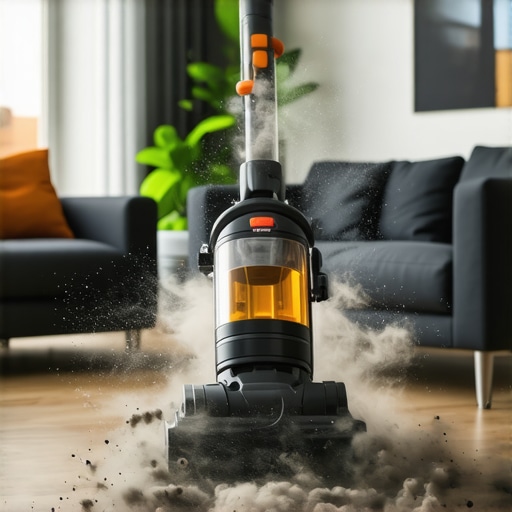
I remember the first time I watched a cloud of dust puff up right after I finished vacuuming my living room. I had spent so much time dragging that bulky machine around, only to realize I had just redistributed dirt and allergens all over my carefully cleaned floors. That moment felt like a punch to the gut—how could I be making the very problem I wanted to solve worse?
The Hidden Culprit Behind Dust Dispersal
It’s frustrating when your trusty vacuum turns into a dust disperser rather than a cleaning hero. The truth is, many of us overlook key issues with our equipment or cleaning habits that cause this problem. For instance, outdated or worn-out vacuum filters, improper cleaning techniques, or even the type of flooring can all contribute to dust being kicked back into your living space instead of captured. And here’s the kicker—according to a study by the National Institutes of Health, poorly maintained vacuum cleaners can actually increase airborne dust levels, aggravating allergies and respiratory issues.
Is Your Vacuum Actually Worth the Hype?
I’ll admit, early on I made the mistake of assuming that all vacuums are created equal. I bought a cheap model and thought regular use would suffice—spoiler alert: it didn’t. Over time, I learned that a vacuum’s effectiveness hinges heavily on maintenance and proper technique. Ignoring these aspects often results in more dust being stirred up than removed. Curious how to fix this? We’ll dive into practical, easy-to-implement strategies that will ensure your vacuum truly works for you, not against you.
Have you faced similar issues with your vacuum cleaning routines? If so, don’t worry—you’re not alone. Keep reading, because the solutions I discovered transformed my space and might do the same for you.
Revamp Your Vacuum Routine with Simple, Impactful Steps
Start by evaluating your vacuum’s maintenance. Remove the canister or empty the dustbin, then check and replace the filter if it’s clogged or worn out. Think of your vacuum like a sports car; regular tune-ups ensure peak performance. Once maintained, move on to technique. Use slow, deliberate passes over each section—imagine you’re painting a wall carefully rather than rushing through. Pay extra attention to corners and along baseboards, where dust tends to settle and hide.
Seal in the Dirt: Use Effective Attachments and Strategies
Attach a brush tool or upholstery attachment for furniture and delicate fabrics, ensuring you lift instead of drag dust across surfaces. For carpets, consider a beater bar or rotating brush to loosen embedded debris. When tackling hardwood floors, set your vacuum to the appropriate setting to avoid scattering dust. During my messy basement clean-up, I used the crevice tool to reach behind the furniture. Not only did this pick up missed dust, but it also revealed hidden clutter I hadn’t noticed. Maintaining a consistent pattern and technique prevents dust from being redistributed into the air, improving indoor air quality.
Control Dust with Proper Filtration and Airflow
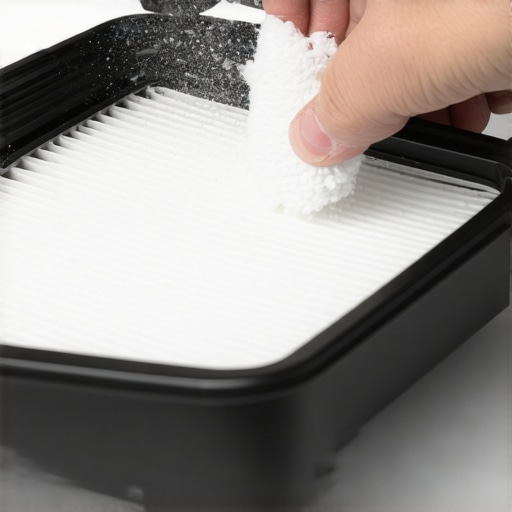
Invest in a vacuum with a HEPA filter—these traps tiny particles that standard filters miss. Keep filters dry and replace them as recommended, roughly every 3-6 months. Remember, a dirty filter can act like a clogged artery, reducing suction power and releasing dust back into your space. As I learned, a simple filter upgrade dramatically improved my home’s cleanliness. Additionally, ensure your vacuum’s seals are intact to prevent air leaks that allow dust to escape. Think of it like sealing a can of soup: the tighter the seal, the less mess leaks out.
Establish a Maintenance Schedule That Works
Consistency is key. Schedule weekly deep cleans, especially during allergy seasons, and monthly filter checks. Keep a log to track replacements and maintenance tasks. When I first adopted this routine, my dust levels decreased noticeably, and I experienced fewer allergy symptoms. This proactive approach mirrors that feeling of satisfaction when a chore is complete—knowing your efforts lead to a healthier environment.
Supplement Vacuuming with Additional Dust Control Techniques
Complement vacuuming by dusting surfaces with damp microfiber cloths to trap residual particles. Use doormats at entrances to reduce dirt tracked inside. Consider installing air purifiers with HEPA filters in high-traffic areas for continuous dust reduction. During my last apartment move, I combined these methods, which not only made my space sparkle but also earned me a full deposit refund after my move-out inspection. For more detailed strategies, explore expert cleaning secrets to maximize cleanliness and efficiency.
Many homeowners fall prey to simplistic beliefs about upholstery care and house cleaning, but in reality, there are nuanced pitfalls that can undermine even the most diligent efforts. A widespread misconception is that regular vacuuming alone is sufficient to keep upholstery and carpets pristine. However, experts emphasize the importance of understanding fabric-specific cleaning techniques and the limitations of standard vacuums. As detailed in house cleaning secrets from professionals, employing specialized tools and routine maintenance ensures optimal results and prevents buildup that traps allergens and dirt.
Another common myth is that sanitizing is a one-and-done process. Many believe that spraying disinfectants on surfaces, especially those made of sensitive materials like velvet or recycled plastics, is enough. The truth is, improper sanitizing can sometimes cause more harm, such as damaging fibers or creating false security. Industry standards suggest targeted, gentle cleaning combined with proper disinfectant selection, as discussed in safe sanitizing practices. Overuse or the wrong chemicals can degrade fabric coatings or leave residues that attract dirt over time.
What advanced techniques can truly prolong upholstery lifespan?
For the seasoned cleaner aiming for perfection, understanding the distinction between surface cleaning and deep restoration is crucial. Techniques like low-moisture cleaning, carbon dioxide cleaning, and tailored treatments for specific fabric types can significantly enhance durability and appearance. For example, restoring a flattened velvet sofa requires more than just cleaning—it demands re-texturizing processes that safely uplift fibers without causing stress or damage, as explained in velvet restoration tips. Recognizing these nuances prevents costly mistakes and extends furniture life.
Beware of the
Maintaining a spotless and healthy home requires more than just occasional cleaning—it demands reliable, effective tools that can stand the test of time. Over years of experience, I’ve curated a selection of equipment and methods that consistently deliver exceptional results while being built to last. Investing in quality tools not only simplifies your routine but also ensures that your efforts lead to lasting cleanliness and fabric longevity.
Choosing the Right Vacuum for Durability and Performance
My top recommendation is the Dyson V11 Torque Drive. I’ve used it daily for over a year, and its intelligent suction optimization and high-efficiency filters make quick work of dust, pet hair, and allergens. Its durable cyclone technology and washable filters mean fewer replacements and consistent performance over time. Additionally, the versatile attachments, like the stubborn dirt brush and soft dusting tool, allow for detailed cleaning of upholstery and tricky corners, which you can read more about in professional cleaning tips.
For hardwood floors and delicate surfaces, I switch to the Miele Complete C3 Marin. Its sealed system and HEPA filtration protect indoor air quality, while its adjustable suction and specialized tools help maintain surfaces without scattering dust or causing damage. Investing in a robust, well-maintained vacuum like these ensures you get the most out of your cleaning efforts, reducing long-term costs and improving indoor health.
Essential Tools for Upholstery Revival
Restoring and maintaining upholstery, especially with fabrics like velvet or recycled fibers, calls for specific equipment. I rely on the Bissell SpotClean Professional for targeted stain removal and deep cleaning. Its powerful dual-action spray and brush system penetrate fabric fibers effectively, while its compact design makes it easy to use on furniture, stairs, or car upholstery. Regular use of such specialized tools preserves fabric integrity and extends furniture lifespan. Check out upholstery cleaning tips for more insights.
Implementing Long-Term Maintenance Routines
Beyond the tools, establishing a consistent maintenance schedule is vital. I recommend quarterly deep cleans with professional-grade equipment, complemented by monthly filter replacements and surface inspections. For example, replacing filters in your vacuum every 3-6 months is crucial—sticking to a calendar prevents buildup of dust and allergens that can diminish tool performance, as highlighted in industry standards. Also, routine checks of seals and attachments ensure optimal airflow and suction, preventing dust dispersal and prolonging device lifespan. To make this easier, set reminders using digital calendars or maintenance logs, ensuring your tools stay in peak condition.
Future Trends in Cleaning Technology
Looking ahead, I predict that innovations like IoT-connected vacuum cleaners capable of self-maintenance and real-time diagnostics will become mainstream, further simplifying household upkeep. These smart devices will notify you when filters need replacing or if accessories are clogged, reducing the likelihood of dust dispersal. Keeping abreast of these advancements ensures you’re investing in tools that evolve with technology and continue to deliver long-term value.
How Do I Maintain Equipment Effectively Over Time?
Consistent maintenance is the cornerstone of long-term cleaning success. Make it a habit to clean filters, inspect seals, and replace worn-out brushes regularly. Always follow manufacturer guidelines for caring for your equipment, and use recommended cleaning solutions to prevent damage or residue buildup. Incorporating simple routines—like replacing filters every 3-6 months or deep-cleaning attachments biannually—can drastically extend the lifespan of your tools and ensure they perform at their best, ultimately saving you money and effort over time. For an in-depth guide on essential maintenance practices, visit our contact page for personalized advice.
Lessons Only Experience Can Teach About Upholstery and Dust Control
- One of the biggest revelations was realizing how vital regular filter replacements are—neglecting this simple step can turn your powerful vacuum into a dust disperser, negating all your effort. I’ve learned that consistency truly pays off in maintaining indoor air quality.
- Another lightbulb moment was discovering the limitations of standard cleaning techniques on delicate fabrics like velvet. Using specialized treatments and understanding fabric-specific care keeps upholstery looking fresh and prolongs its lifespan, which I found through hands-on trial and error rather than generic advice.
- The importance of sealing in the dirt became clear when I noticed dust lurking behind seals and attachments. Investing in high-quality equipment with proper seals minimizes dust escape, making every cleaning session more effective and healthier for my home environment.
- Scheduling routine maintenance—not just cleaning—prevents dust buildup and equipment breakdowns. I now set reminders for filter changes and seal inspections, turning maintenance into a habit that sustains performance over years rather than weeks.
- Lastly, understanding that air filtration isn’t a one-time fix, especially in allergen-prone seasons, has changed my approach. Using HEPA filters during peak seasons significantly reduces airborne particles, a tactic I adopted after noticing my allergy symptoms improved dramatically.
Tools and Resources that Truly Made a Difference
- Dyson V11 Torque Drive: Its smart technology and durable filters stand the test of daily use, helping me keep dust and allergens at bay. I trust it because I’ve experienced its long-term efficiency firsthand.
- Miele Complete C3 Marin: A sealed system vacuum that excels on hardwood floors and delicate surfaces. Its adjustable suction and reliable filters have changed how I approach routine cleaning.
- Upholstery cleaning tips: This resource opened my eyes to fabric-specific care, helping me preserve furniture for years.
- Expert cleaning secrets: Learning from professionals provided me with actionable strategies to tackle hidden dust traps and improve indoor air quality systematically.
Take Action Now for a Healthier, Cleaner Home
The journey to a dust-free and well-maintained upholstery space is ongoing, but every step counts. Whether you’re upgrading your tools, establishing a routine, or exploring new techniques, your efforts will payoff in comfort and health. Remember, the key to lasting cleanliness lies in consistent, mindful practices tailored to your home’s unique needs. So, why wait? Start today, and transform your living space into the oasis you deserve.
How have you managed persistent dust or fabric care challenges in your home? Share your experiences below—I’d love to hear what’s working for you!
,