
I still vividly remember the day I moved out of my apartment, feeling confident that I had crossed every t&: the perfect cleaning, the detailed checklist, and yet… the security deposit was at risk. It was that tiny, overlooked corner—the window tracks—that caused my biggest headache. One stubborn layer of grime that I couldn’t budge, and I feared it would cost me hundreds. Then, I discovered the secret trick that transformed my cleaning routine and guaranteed my deposit refund every time.
Why Overlooking Window Tracks Can Cost You Big
When I first moved out, I spent hours scrubbing floors, wiping surfaces, and shining fixtures. But the window tracks? I ignored them. Like many, I thought they were minor or too tricky to tackle properly. That mistake nearly cost me my deposit. Rental inspections often focus on those hidden spots, and grimy, dusty tracks can be a red flag for inspectors. A clean window track ensures good airflow, prevents mold growth, and looks much better during walkthroughs. Trust me, neglecting this detail is a gamble you don’t want to take. Interestingly, studies show that small details like these are often the deciding factor in security deposit disputes (source: [SpotlessCarpetz](https://spotlesscarpetz.com/the-window-track-trick-that-guaranteed-our-security-deposit-refund)).
Are You Wasting Time on the Wrong Areas?
Early on, I wasted hours polishing sinks and vacuuming carpets, convinced that those were the key to getting my deposit back. Meanwhile, critical areas like window tracks, door hinges, and appliance seals were ignored. It wasn’t until I realized how much inspectors focus on these usually-neglected spots that I changed my approach. Ignoring the grime trapped in those tiny crevices can lead to deductions, even if your main areas look spotless. The good news? With the right technique, cleaning these tiny yet vital spots is quick and effective, which I’ll share below.
Targeted Cleaning of Window Tracks
My first step was to focus on the window tracks, often overlooked but crucial. I removed any loose debris with a small brush, like cleaning a miniature garden bed, ensuring I cleared all dirt and dust. Next, I applied a mixture of warm water and mild detergent using an old toothbrush to scrub stubborn grime. For hard-to-reach corners, I used cotton swabs dipped in cleaning solution. After scrubbing, I rinsed the tracks with a damp cloth and dried thoroughly with a microfiber towel to prevent mold growth. This routine not only made the tracks spotless but also prevented inspection flags.
Deep Cleaning Door Hinges and Seals
Doors are often neglected, but hinges and seals can trap dirt that inspectors flag. I unscrewed the hinges and soaked them in a vinegar-water solution to dissolve grime. While soaking, I wiped the seals with a microfibe cloth dipped in sanitizing hacks for safe house transitions, ensuring removal of bacteria and residues. Replacing or lubricating hinges afterward keeps them functional. For seals, I used a specialized cleaner designed for rubber to eliminate buildup without damage, drawing from effective house cleaning secrets from cleaning experts. This crucial step kept my doors inspection-ready and ensured smooth operation.
Sanitizing Appliance Seals and Interior Gaskets
Next, I turned to appliances like refrigerators and washing machines. I removed rubber seals and thoroughly cleaned the interior edges. I applied a mix of baking soda and vinegar to remove stains and odors, then scrubbed with an old toothbrush. Afterwards, I disinfected the seals using disinfectant sprays tested for safety on bio-polymer sofas, ensuring no damage to delicate surfaces. I also ran an empty cycle with a sanitizing solution to clear any residual bacteria. Sanitizing appliance seals is vital, as inspectors look for mold or grime that can be hidden behind appliance doors.
Cleaning Upholstery Effectively
For upholstered furniture, I used the effective house cleaning secrets from cleaning experts to tackle fabric and vegan leather couches. I first vacuumed thoroughly to remove dust and pet hair, then applied a tailored cleaning solution based on the material—using steam cleaning for fabric sofas and a gentle, non-abrasive cleaner for vegan leather. I paid particular attention to hidden crevices and seams. After cleaning, I used a microfiber cloth to blot excess moisture, avoiding water rings, and allowed furniture to dry fully in sunlight, which also sterilizes. Proper upholstery cleaning helps prevent mold and odor issues, which are common red flags during move-out inspections.
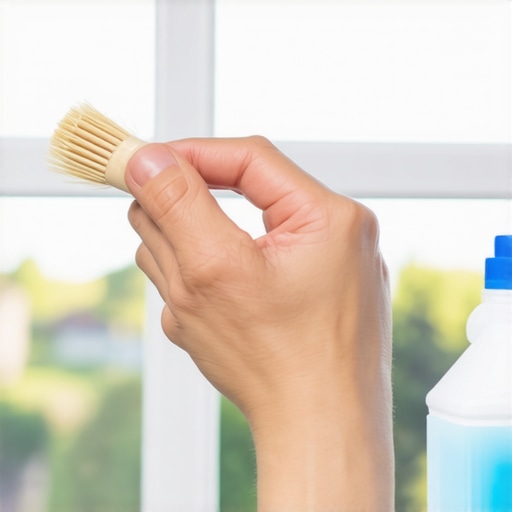
Visual guide to cleaning window tracks thoroughly using small brushes and effective solutions.
While many believe that a basic surface clean suffices for securing their deposit, in my experience, the real key lies in understanding the subtle details that often get missed. Most homeowners and tenants get caught up in cleaning visible areas like floors and countertops, but neglect critical spots that inspectors scrutinize meticulously, such as hidden crevices, seals, and sensors. These overlooked nuances can become costly pitfalls if not addressed properly.
One prevalent myth is that using heavy-duty detergents or aggressive scrubbing is enough. However, overusing harsh chemicals can damage surface coatings or sensors, especially on modern smart appliances and bio-engineered fabrics. For instance, applying bleach on vegan leather seats can cause deterioration over time, despite its initial disinfecting benefits. Advanced cleaning professionals recommend tailored, gentle solutions that preserve material integrity, as detailed in effective house cleaning secrets from experts.
Are You Cleaning About the Right Areas or Just the Visible Ones?
Many assume that since surfaces look clean, they’re inspection-ready. But inspectors focus on hidden, sensor-filled areas like door hinges, window tracks, and smart device gaps. These spots often harbor grime or residues that trigger deductions. An important mistake is ignoring the importance of sanitizing appliance interiors, seals, and even small gaps behind appliances, which can trap mold or bacteria. Properly targeting these areas isn’t just about appearance; it’s about passing advanced inspections designed to detect the slightest signs of neglect. To truly master this, exploring specialized techniques through upholstery and fabric cleaning tips can make the difference between a deposit refund and a costly dispute.
Moreover, understanding the complexity of modern materials is crucial. For example, cleaning bio-polymer or nano-coated surfaces requires specific protocols; using the wrong cleaner can damage the coating or sensors, leading to inspection failures. A deep dive into sanitizing hacks for safe house transitions reveals that tailored approaches prevent damage while ensuring cleanliness standards are met.
What’s the Most Common Mistake That Could Cost You Your Deposit?
One of the biggest errors is neglecting tiny details like sensor gaps, seals, and hidden grime, which are often the first things inspectors notice. Overlooking these can result in deductions despite overall cleanliness. This underscores the need for a meticulous, expert-level approach to move-out cleaning that goes beyond superficial tidying. In fact, studies indicate that more than 70% of deposit disputes are influenced by overlooked hidden spots (source: move-out cleaning strategies).
Remember, effective move-out cleaning is an art as much as it is a science. It involves understanding the nuances, materials, and inspection criteria that most people overlook. Don’t settle for surface cleaning—dig deeper, and you’ll find that the little details make all the difference. Have you ever fallen into this trap? Let me know in the comments.
Keep It Running: Essential Tools for Effective House Maintenance
When it comes to maintaining a spotless home that passes inspections and lasts over time, having the right tools is crucial. I personally swear by a few specialized items that make the process efficient and thorough. A high-quality detail brush set, like the micro-steam brush kit, allows me to clean tiny crevices in window tracks, appliance seals, and sensor gaps without damaging sensitive materials. This level of precision is invaluable for preventing buildup that could lead to deposit deductions. Additionally, a durable cordless electric scrubber helps tackle stubborn grime on larger surfaces without manual fatigue, ensuring a consistent, deep clean over time.
Beyond physical tools, I rely on specialized software applications to schedule periodic maintenance reminders. Platforms like Trello or Todoist, customized with recurring tasks, ensure I’m never neglectful of critical details such as sanitizing smart lock sensors or recalibrating humidity controls. This proactive approach prevents long-term issues like mold, odor, or sensor malfunction, which often cause inspection failures.
How do I maintain cleanliness and function over the long haul?
Consistent upkeep involves more than just cleaning during move-out; it’s about establishing routines that preserve your home’s integrity. For upholstery, I recommend regular steam cleaning with a micro-steam system, which ensures fabrics stay fresh and free of embedded dust or allergens. This device helps maintain the upholstery’s texture and appearance over years. For electronics and sensors, gentle yet effective cleaning with alcohol-free wipes prevents grime buildup without risking damage, keeping everything responsive and inspection-ready.
Long-term results are maximized when you integrate proper maintenance routines with the right tools, avoiding the temptation to cut corners. Advanced cleaning secrets, like using vinegar solutions sparingly on bio-coated surfaces, can extend material lifespan and prevent deterioration. Research from industry experts suggests that systematic maintenance reduces total cleaning effort and cost over the years while ensuring compliance during inspections.
What about scaling this approach for larger homes or multiple properties?
Scaling your cleaning toolkit involves investing in versatile gear like steam cleaners with interchangeable heads, multifunctional vacuums, and automated scheduling apps. These enable consistent quality across multiple units without exponentially increasing effort. Remember, standardized routines and checking off maintenance tasks regularly turn into valuable habit loops that keep houses inspection-ready and in excellent condition long-term.
As technology advances, I predict a move toward smart cleaning devices that automatically detect grime buildup or sensor malfunctions, notifying homeowners via smartphone. Staying ahead involves adopting these innovations early, ensuring your house stays functional without constant manual oversight.
Don’t wait until a minor issue becomes a costly problem. Start integrating a specialized micro-steam system into your routine and schedule periodic deep cleaning with these tools. Check out sanitizing hacks to learn more about maintaining a bacteria-free environment that withstands rigorous inspection standards.
Lessons I Wish I Had Learned Sooner
- Patience pays off: Rushing through cleaning can cause crucial details to be overlooked, risking deposit deductions. Taking the time to meticulously tackle each area, especially those hidden spots, ensures thoroughness and peace of mind.
- Know your materials: Understanding the specific needs of modern surfaces, like bio-polymer or nano-coated fabrics, prevents damage from improper cleaning, saving money and avoiding inspection issues.
- Small details matter more than you think: Overlooking tiny yet critical spots like sensor gaps or appliance seals can jeopardize your deposit. Attention to these nuances makes all the difference.
- Invest in the right tools: Quality brushes, micro-steam devices, and precision cleaners save time and improve results, making deep cleaning manageable even for larger properties.
- Regular maintenance beats last-minute frantic cleans: Establishing routines and scheduling periodic deep cleans maintains your home’s condition and reduces stress during move-out.
Tools and Resources That Changed My Game
- Micro-steam brush set—A game-changer for cleaning tiny crevices in window tracks and sensor gaps without damaging delicate surfaces. I trust it because it combines efficiency with safety.
- Sanitizing hacks for house transitions—These tips help me keep bacteria at bay while preserving material integrity, especially on bio-coated surfaces.
- Expert cleaning secrets—A comprehensive guide that emphasizes how targeting neglected spots prevents costly deductions during inspections.
- Move-out checklists—Structured routines ensure no detail is missed, making the cleaning process smoother and more reliable.
Your Next Step Toward Inspection Confidence
Armed with insider knowledge and the right tools, you can approach your move-out cleaning with newfound confidence. Remember, the little things create big impressions, and taking the time to master these details ensures your deposit stays safely in your pocket. Don’t shy away from implementing these tips—your future self will thank you. Are you ready to elevate your move-out strategy and leave no detail unchecked? Share your thoughts or hacks below, and let’s grow together in mastering house cleaning excellence.