
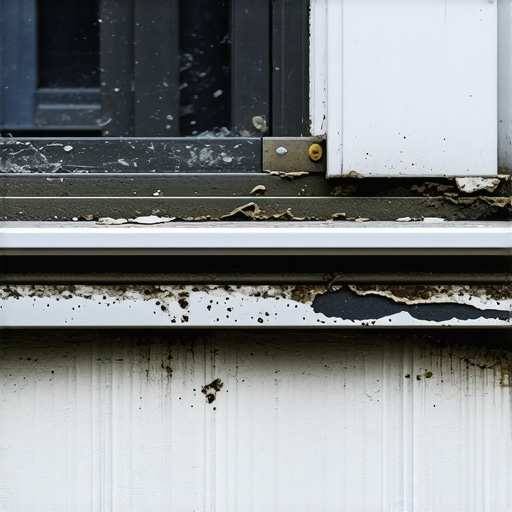
I remember the first time I moved out of an apartment and thought I had everything spotless—that is, until I received that dreaded email, pointing out a tiny, almost invisible grime spot along the window track. It was a harsh reminder that sometimes, the smallest details can make or break your security deposit refund. That moment felt like a punch to the gut, realizing I overlooked a crucial spot that landlords and inspectors always scrutinize.
Why Overlooking the Window Track Can Cost You Dearly
Understanding the significance of window track cleanliness isn’t just about aesthetics. It’s about compliance and ensuring you walk away with your deposit. During move-out inspections, property managers look for grime, mold, and residue—especially in those hard-to-reach corners. If such spots are neglected, they can lead to deductions, even if your overall cleaning was good.
But here’s the thing—many tenants underestimate how meticulous inspectors get. That grimy window track? It’s often a hidden culprit because it’s out of sight, out of mind. However, this tiny area can harbor dust, mold spores, and grime that are not only unsightly but also potentially harmful—as supported by research from the EPA, which highlights mold growth as a major indoor air quality concern. So, paying attention to these overlooked spots becomes a smart move, ensuring you don’t lose your deposit over something as small as grime buildup.
Have you ever faced a move-out inspection where a tiny grime spot turned into a deposit deduction? If so, you’re not alone. It took me a couple of tries and a few extra minutes to perfect my cleaning routine around window tracks. Fortunately, I found a straightforward method that works wonders and helps prevent such surprises.
The good news? This is an avoidable mistake. And today, I’ll guide you through the steps to make sure your window tracks are spotless and inspection-ready. Trust me, a little extra effort here can keep your security deposit safe and your peace of mind intact.
Gather Your Tools and Prepare
Start by assembling a sturdy toothbrush, a microfiber cloth, a spray bottle filled with a cleaning solution, and a putty knife or plastic scraper. Wear gloves to protect your skin from dust and grime. Clear the window area of any objects to give yourself ample working space. Remember, a well-prepared setup makes the process smoother and more effective.
Loosen Dirt and Debris
Spray the cleaning solution generously along the window track, ensuring the liquid penetrates deep into the corners. Let it sit for a few minutes to loosen stubborn grime. Use the toothbrush to scrub the track in small, circular motions—think of it as the same care you’d take when cleaning delicate jewelry. This action dislodges dirt lodged in hard-to-reach spots. For particularly stubborn spots, employ the plastic scraper carefully to lift residues without scratching surfaces.
Deep-Clean with Microfiber and Scrubbing
Dampen the microfiber cloth with the cleaning solution and wipe away loosened dirt. Pay extra attention to corners and angles where dust accumulation is common. For persistent grime, repeatedly scrub with the toothbrush until the grime starts to come loose. Imagine you’re polishing a vintage car; patience and consistent pressure yield a cleaner, shinier finish.
Rinse and Dry Thoroughly
Dampen a clean microfiber cloth with plain water and wipe over the track to remove any leftover cleaning solution. Dry thoroughly with another dry cloth to prevent water spots. The key here is ensuring no moisture remains, as trapped water can lead to mold growth—something inspectors will definitely notice. Consider using a soft brush or small vacuum to extract any residual dust from tight spaces.
Inspect and Repeat if Necessary
Bring a bright flashlight and inspect the track closely. Look for missed spots, mold, or residue. If needed, repeat the scrubbing and rinsing steps. Remember, attention to detail can prevent deposit deductions. During my last move, I discovered a tiny speck of mold I initially missed. A quick second cleaning with a mold-specific solution cleared it, saving me from potential charges.
Additional Tips for Success
Use natural solutions like vinegar mixed with water for eco-friendly cleaning, but remember that vinegar alone isn’t a disinfectant, so consider the cleaning purpose. For upholstery or fabric nearby, ensure cleaning agents won’t cause damage; check out these upholstery cleaning tips. If you’re unsure about any step, consult with professionals via contact us for expert guidance.Many people assume that the basics of upholstery and house cleaning are enough to pass move-out inspections or ensure proper sanitization, but this misconception can lead to costly mistakes. A common myth is that superficial wiping or vacuuming suffices, when in fact, deep-table techniques are essential for removing microscopic bacteria and ingrained dirt. Overlooking subtle nuances—such as the importance of pH-balanced cleaners for delicate fabrics—often results in residual grime that inspectors flag, even if the visible surfaces look clean. To avoid this, books like upholstery cleaning tips emphasize the hidden complexities that many neglect. Furthermore, many think sanitizing is as simple as spraying disinfectant, but improper application—such as overuse of chemicals or neglecting all high-touch surfaces—can not only be ineffective but also damage fabrics or furnishings, especially those with special coatings. A critical mistake is failing to recognize the difference between cleaning and disinfecting, which a 2026 study on germ eradication underscores as vital for safety for high-tech surfaces. Advanced cleaning involves understanding the specific fabric composition, environmental factors, and appropriate agents, not just basic routines. For move-out cleaning, many overlook the importance of detailed device sensor and corner cleaning, which are frequent reasons for deposit deductions even when the main areas seem spotless. These gaps often go unnoticed by the untrained eye but are scrutinized by inspectors seeking comprehensive hygiene and compliance. Confusing simple surface cleaning with thorough sanitization is one of the biggest pitfalls. Remember, the devil is in the details. For comprehensive strategies, consult move-out cleaning strategies to prevent surprises. Are you avoiding these advanced missteps? Share your experiences and learn more about the nuances of professional-grade cleaning, ensuring you leave no stone unturned and no deduction undetected. Make sure you’re applying these expert insights next time; your deposit will thank you. Have you ever fallen into this trap? Let me know in the comments.
Keep It Running Smoothly with the Right Tools
Achieving a spotless home for move-out inspections or daily sanitization isn’t just about effort—it’s about using the right equipment and methods. Over time, your cleaning arsenal should evolve to keep pace with new technologies and surfaces, ensuring your routines are effective and efficient.
My personal go-to is the Vesync Microfiber Steam Cleaner. It combines deep cleaning with sanitization, using steam at precise temperatures to eliminate bacteria without harsh chemicals. This tool is invaluable on upholstery and hard surfaces because it penetrates ingrained dirt and kills germs on contact—a feature supported by micro-steam cleaning techniques. It’s also eco-friendly, reducing reliance on chemical disinfectants, aligning with my commitment to sustainability and safety.
Another essential is a precision cordless vacuum. I prefer models with adjustable suction and a portable handheld unit, allowing me to target tight corners, such as those behind appliances or in HVAC vents, which often harbor hidden debris. Regularly maintaining these components prevents dust build-up that can trigger move-out inspection failures and ensures appliances perform efficiently.
In terms of software, I rely on TaskMaster App for scheduling and tracking cleaning routines. It reminds me to deep-clean specific areas at optimal intervals—crucial for surfaces like bio-linen upholstery or silicon-based kitchen counters. Consistent maintenance with reminders helps prevent issues like mold growth or bacteria accumulation, which can be overlooked but lead to deductions during inspections.
What strategies help you maintain cleanliness over time?
Preventive maintenance goes beyond equipment. I adopt a habit of inspecting sensors, seals, and hidden corners monthly. For example, I routinely check the trash chute sensors and replace filters in appliances to ensure full compliance and avoid costly charges. Keeping a detailed maintenance log, whether paper or digital, ensures nothing slips through the cracks and provides proof of diligent upkeep.
Looking toward the future, I predict cleaning tools will become even smarter. With advances in IoT technology, we could soon have sensors that automatically alert us when surfaces need attention or when a device is malfunctioning, preventing issues before they escalate. Staying updated with these innovations will be key to maintaining a spotless home effortlessly.
How do I maintain my cleaning tools over time?
Proper maintenance extends tool lifespan and keeps performance optimal. For microfiber cloths, I wash them in hot water with natural detergent after each use and air-dry. Steam cleaners require descaling after every few uses, especially in areas with hard water, to prevent mineral buildup that diminishes steam quality. Regularly replacing filters and inspecting cords help avoid mechanical failure or safety issues. Consistency in tools maintenance saves money and ensures you’re always inspection-ready.
To tie it all together, investing in advanced equipment like steam cleaners, cordless vacuums, and management apps transforms your cleaning routine from reactive to proactive. These tools not only simplify the process but also ensure long-term results, as detailed in professional cleaning secrets. Plus, staying on top of tool maintenance guarantees your investments last and function properly, giving you peace of mind. Give one of these strategies a try today, and notice how much easier maintaining your home becomes!
Lessons From the Trenches: What I Didn’t Expect About Clean Spaces
- One of the most surprising lessons was realizing how tiny, overlooked spots like window tracks can determine whether I get my deposit back. It’s a stark reminder that meticulous attention to detail beats superficial cleaning every time.
- Discovering that many inspection pitfalls stem from rule-of-thumb cleaning isn’t enough. I learned that specialized techniques and the right tools make all the difference, especially in hidden corners that inspectors scrutinize more than we think.
- My biggest lightbulb moment was understanding that proactive maintenance—not just cleaning—prevents deductions. Regularly inspecting sensors, seals, and hard-to-reach spots keeps you one step ahead of surprise charges.
Tools That Make the Difference in Upholstery and Home Sanitation
- The Vesync Microfiber Steam Cleaner has become my go-to because it combines deep sanitation with eco-friendliness, eliminating bacteria without harsh chemicals—something I trust for both safety and effectiveness. Find out more about its benefits here.
- A precision cordless vacuum is invaluable for reaching tight spots behind appliances or in vents. Regular upkeep of filters and sensors in these devices ensures they perform optimally, which is crucial for passing move-out inspections.
- Using apps like TaskMaster helps me schedule regular deep cleans on specific surfaces prone to mold or dirt buildup. Staying organized with these tools turns a daunting task into a manageable routine.
Your Next Step Toward a Flawless Move-Out Experience
Achieving a spotless home that passes inspection without surprises is a journey, but with the right techniques and tools, it’s entirely within reach. Think of every detail—down to the hidden corners—as an investment in your peace of mind. Embrace these insights, refine your routines, and watch how stress-free your future move-outs become. Remember, a proactive approach isn’t just about getting your deposit back; it’s about cultivating a clean, healthy living environment that you can be proud of. What cleaning hack has made the biggest difference in your home journey? Share your thoughts below and keep the conversation going!
,