
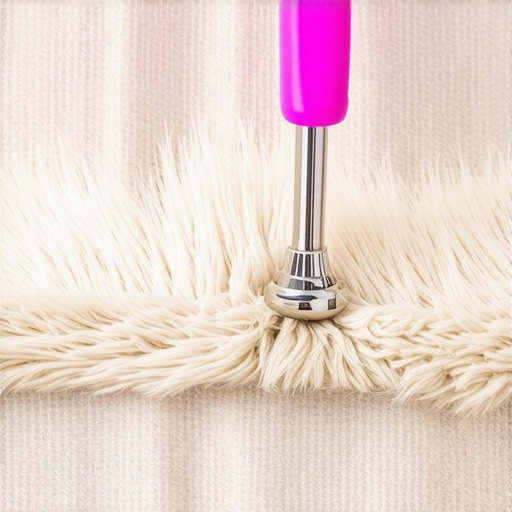
It was a typical Sunday morning when I reached for my favorite armchair, only to be greeted by a fluff storm—pet hair everywhere. Frustration washed over me as I realized I’d spent hours vacuuming, and yet, my fabric was still covered in stubborn pet fur. That moment was a lightbulb, reminding me how challenging it can be to keep upholstery hair-free without accidentally harming the delicate weave. If you’ve ever felt that sinking feeling, you’re not alone.
Why Pet Hair Feels Like an Everlasting Battle on Fabric
Pet hair clings stubbornly to fabrics, embedding itself deep into the fibers. Regular brushing and vacuuming often aren’t enough. I’ve learned from trial and error that using the wrong tools can easily damage your furniture—especially if it’s a cherished piece with a fine weave. Early in my journey, I made the mistake of using aggressive brushing tools, which left snags and tears. That taught me the importance of gentle, effective methods that preserve the integrity of your fabric while banishing fur.
Is All Pet Hair Removal Technique Created Equal? Maybe Not
Initially, I believed that the more force I applied, the better the results. Wrong. Overly aggressive approaches can fray fabric threads or even ruin your upholstery. According to cleaning experts, gentle methods are far safer and often just as effective when done correctly. This realization was crucial to developing a strategy that combines safety with efficiency, ensuring my furniture stays intact while pet hair disappears. Want to know the secrets that actually work? Keep reading.
Now, I’ll guide you through the proven tactics to get pet hair out of fabric without damage. No more worries about ruining your favorite sofa or armchair. Ready to reclaim your cozy space? Let’s dive into the solutions that transformed my cleaning routine—and can do the same for you.
Start with a Gentle Brush to Loosen Fur
During a cleaning session I once tackled my sofa with a stiff-bristled brush, thinking more force equals better results. The fur dislodged, but I ended up with snags on delicate fabric. Instead, opt for a soft-bristled upholstery brush or a microfiber cloth. Gently sweep in the direction of the fabric weave, working small sections at a time. This approach lifts fur without risking tears, as recommended by upholstery cleaning experts.
Use a Damp Rubber Glove for Sticky Fur
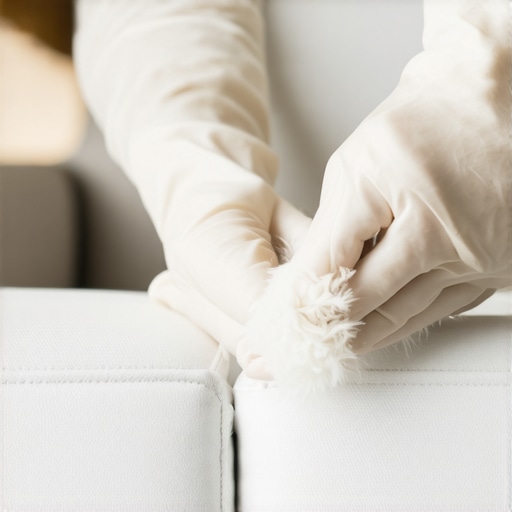
Once I learned about this trick, I swapped my brush for a slightly dampened rubber glove. Wearing it on my hand, I ran my fingers over the fabric, and the fur clung to the glove’s surface. Rinse the glove as needed and repeat until the surface is clear. This method is gentle yet highly effective, especially on textured or woven fabrics.
Employ Specific Tools for Hard-to-Reach Spots
In my experience, fur tends to hide in seams and crevices. A small, handheld vacuum with a brush attachment can target these spots precisely. When I vacuumed along the seams, I noticed a significant reduction in residual fur. To avoid fabric damage, set the vacuum to a low suction setting—forceful cleaning can fray fibers over time.
Suction Power Matters: Adjust Your Equipment
I initially used maximum suction, which pulled not only fur but also delicate fibers, causing fraying. Once I lowered the vacuum to a gentle setting, I achieved cleaner results safely. Consult your vacuum’s manual or a specialist at our contact page for tailored advice.
Use Lint Rollers or Sticky Tape Effectively
In one particularly stubborn cleaning day, I pressed a commercial lint roller over the upholstery, but the fur stubbornly remained. Instead, I pressed down firmly, then peeled the roller away quickly to maximize fur pickup. For larger areas, wrapping sticky tape around your hand, sticky side out, works wonders. This method is quick and does not risk damaging your fabric.
Pro Tip for Heavy Shedding Pets
If your pet sheds excessively, consider combining this approach with regular grooming outside your home. Brush your pet frequently with a de-shedding tool, such as those discussed in professional cleaning secrets. This reduces fur buildup over time and makes cleaning upholstery less daunting.
Final Touches to Prevent Reaccumulation
After removing fur, lightly vacuum once more to pick up loose fibers or residual fluff. Applying a fabric-safe anti-static spray can also help reduce static cling, making fur less likely to stick and easier to remove next time. Keep your cleaning tools organized for quick sessions, especially during seasonal shedding periods.
My experience taught me that patience and the right tools are key in safeguarding delicate upholstery. For detailed routines related to house sanitation or move-out cleaning, these principles extend seamlessly, reinforcing the importance of gentle yet effective techniques.
 While many believe that standard vacuuming and periodic cleaning are enough to maintain upholstery and a clean home, **the truth is far more nuanced**. One common misconception is that any cleaning method will suffice, but in my experience, **each fabric type demands tailored care**. For example, non-porous materials respond well to certain sanitizing methods, whereas delicate fabrics can quickly be damaged by aggressive approaches. According to industry experts, using generic cleaning routines without understanding your furniture’s composition can lead to accelerated wear and even health issues due to overlooked bacteria or mold lurking in unseen crevices. A crucial mistake many overlook is assuming that cleaning once a month is sufficient; in truth, high-traffic or pet-laden homes require more frequent, targeted strategies, including advanced sanitizing techniques like those discussed in specialized sanitizing hacks. Another often missed aspect is the importance of *consistent maintenance*—neglecting minor stains or daily pet fur buildup can compound, resulting in costly restorations or move-out penalties. Furthermore, homeowners tend to ignore the **hidden grime layers** that accumulate behind appliances or within air vents, which significantly impacts indoor air quality and can trigger allergies. Advanced cleaning involves understanding these subtle yet impactful areas; for example, cleaning HVAC sensors properly ensures optimal airflow and reduces dust circulation, as highlighted in our expert guide. **Making assumptions about the efficacy of DIY solutions** can cause more harm than good. While vinegar and baking soda are popular, they often lack the disinfecting power required to eliminate stubborn microbes or biofilms. Professional-grade cleaning and sanitizing are essential to ensure comprehensive results, especially before move-outs, where cleanliness directly influences deposit refunds—more details on effective strategies can be found in this resource. Remember, **hidden nuances like static buildup, micro-dirt layers, and material-specific reactions** are often the difference between a spotless home and one that fails inspection. Have you ever fallen into this trap? Let me know in the comments.
Invest in the Right Equipment for Longevity
Maintaining upholstery and ensuring a clean home over the long term demands more than just your effort—it requires selecting the right tools. I personally swear by my high-quality handheld vacuum with variable suction control. This feature allows me to adjust airflow when working on delicate fabrics, preventing fraying while still pulling out stubborn pet hair according to cleaning experts. For example, my preferred model features a HEPA filter, which traps allergens and prevents them from recirculating into my living space, supporting both cleanliness and air quality.
Why a Microfiber Upholstery Brush Is My Go-To
I’ve found that a soft microfiber upholstery brush effectively loosens embedded fur and dirt without harming fabric weaves. I keep mine in my cleaning arsenal for routine maintenance, and the gentle bristles are perfect for safekeeping delicate fibers. This combination extends the life of furniture and reduces the need for frequent deep cleans.
Using Technology to Streamline Your Routine
Modern tools like portable UV sanitizers have become invaluable. I use a handheld UV device post-cleaning to eliminate residual microbes, especially in high-traffic areas. This step ensures your space isn’t just visually clean but genuinely sanitized. Looking ahead, I predict integration of smart cleaning gadgets that monitor fabric health and suggest maintenance schedules, making long-term upkeep even more seamless.
How Do I Maintain Upholstery and House Sanitation Over Time?
Consistency is key. I schedule weekly quick cleans with my microfiber brush and bi-weekly deep cleans with my handheld vacuum at low suction. Incorporating targeted sanitizing sessions, such as using a disinfectant mist on high-touch surfaces, keeps germs and pet dander at bay. For those interested in advanced strategies, exploring sanitizing hacks for safe house transitions offers valuable insights. Additionally, for move-out scenarios, specialized cleaning routines can help you secure your deposit—more on that in this guide. A quick investment in quality tools now can save you time, money, and stress in the future—so why not try my preferred microfiber brush today and see the difference firsthand?
Unspoken Truths About Gentle Cleaning
One lesson I wish I had grasped sooner was that patience trumps brute force. Rushing through fur removal often leads to fabric snags or misshaped fibers. Taking my time and employing gentle strokes not only protected my furniture but also made the process more rewarding. It’s a reminder that delicate care can yield big results.
Favorite Resources Fuel My Confidence
Over time, I discovered invaluable tools and guides that transformed my cleaning routine. The upholstery cleaning tips from professionals provided me with exactly the right techniques, while my trusted microfiber brushes and damp rubber gloves became game changers. These resources have become staples in my toolkit, ensuring I approach pet fur with both knowledge and care.
Embrace the Joy of a Fresh Space
Ultimately, I’ve learned that upholstery cleaning isn’t just about removing fur—it’s about reclaiming your sanctuary. Every successful fur-free sofa brings a sense of accomplishment and comfort. So go ahead, try those gentle methods, invest in the right tools, and enjoy a home that feels as cozy as it looks. Remember, each effort you make today sets the stage for a cleaner, happier tomorrow.