
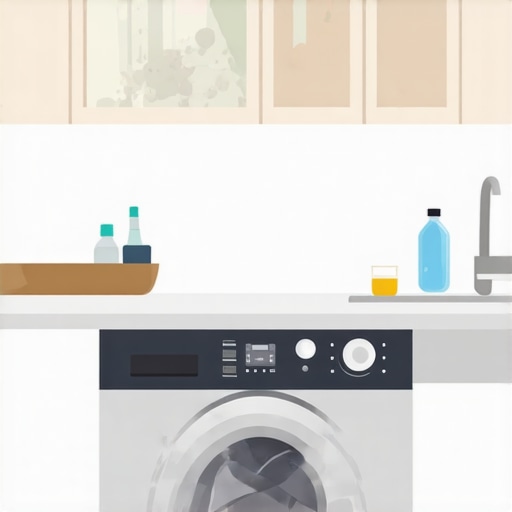
It hit me one day—while wiping down the laundry room counter—that I had been missing something crucial. Despite my efforts to keep things spotless, I kept noticing a musty smell creeping out, especially near the washer. The realization was startling: mold wasn’t just limited to obvious places like showers or bathroom tiles; it was hiding in tiny, overlooked spots right in my laundry room, silently growing where I least expected.
Why You Can’t Ignore These Hidden Mold Traps in Your Laundry Room
Your laundry room might seem like a clean, dry space, but it’s a haven for mold if you’re not careful. Mold spores are sneaky—they thrive in damp, dark corners, and unfortunately, laundry rooms often tick all the boxes for perfect growth conditions. Ignoring these spots can lead to health issues, such as allergies and respiratory problems, and can even damage your appliances over time. Plus, mold growth can be invisible until it becomes a full-blown problem, catching many homeowners off guard.
Did I think I was doing enough? At first, yes. I’d spray a little bleach here and there, hoping it would banish any mold lurking behind the scenes. But I soon learned that surface cleaning alone isn’t enough—mold can embed itself deep in tiny crevices and hidden areas where regular cleaning doesn’t reach. Early on, I made the mistake of only addressing visible spots, forgetting that mold often hides behind appliances or inside unassuming gaps. This oversight allowed mold to quietly take hold, making my cleaning efforts less effective and wasting my time and money.
According to experts, mold can colonize in less than 48 hours under the right conditions, especially in moist environments like laundry rooms (source: [Effective House Cleaning Secrets from Cleaning Experts](https://spotlesscarpetz.com/effective-house-cleaning-secrets-from-cleaning-experts)). That’s why it’s vital to know exactly where to look and how to clean properly.
Have you ever faced persistent odors or noticed mysterious stains in your laundry space, despite frequent cleaning? If so, you’re not alone—and you’re about to discover the secrets that helped me finally get mold under control in those hidden corners. Let’s start with identifying the most common, yet often overlooked, mold traps and how to address them effectively.
Start with a Comprehensive Inspection
Use a flashlight to examine all dark corners, behind appliances, and inside crevices where mold spores can hide. Move your washer and dryer away from the walls to access the rear and sides. Check under the sink and around any plumbing leaks that can create damp spots—these are prime mold habitats. Remember, mold is tiny but persistent; spotting it early prevents intensive cleanup later.
Deep Clean Suspect Areas Methodically
For surfaces, wear gloves and a mask. Prepare a cleaning solution using one cup of white vinegar mixed with a gallon of water—vinegar is a natural fungicide, effective against mold (see sanitizing secrets). Spray the solution onto affected spots, let sit for 10 minutes, then scrub with a stiff-bristled brush. Rinse with clean water and wipe dry. For stubborn stains or thick mold patches, use a commercial mold remover, but always follow the manufacturer’s instructions.
Disinfect and Prevent Future Growth
After cleaning, apply a disinfectant that kills mold spores, like a mixture of half a cup of baking soda dissolved in a quart of water. Spray onto cleaned areas and allow to air dry. To prevent recurrence, improve ventilation by installing a vent fan or keeping windows open during laundry. Use a dehumidifier if the room tends to stay moist. Consider sealing porous materials or opting for mold-resistant paint in high-humidity zones, especially behind appliances.
Regular Maintenance and Monitoring
Establish a routine: check for leaks weekly, wipe down surfaces, and run hot water cycles monthly to flush out mold spores. Place moisture meters in corners if you suspect persistent humidity issues. Frequent inspections catch mold early, preventing large-scale growth. Remember, cleaning is not a one-time task but an ongoing process to maintain a healthy laundry environment. For upholstery or fabrics that might harbor mold, consult upholstery care tips to ensure thorough sanitation.
Many homeowners believe they understand the basics of sanitizing and cleaning, but often, misconceptions and overlooked nuances lead to ineffective results. A common myth is that using bleach or strong disinfectants alone guarantees a germ-free environment. However, research indicates that proper contact time and surface preparation are crucial for kill efficacy (source: effective cleaning secrets). Many people rush through cleaning tasks, assuming that quick sprays are sufficient, but in reality, inadequate dwell times allow bacteria and mold to survive, causing potential re-contamination.
Another widespread error involves neglecting porous surfaces like upholstery or fabrics. Many assume that wiping with a disinfectant is enough; yet, without proper deep cleaning protocols, pathogens embed deeper, making superficial cleaning futile. For example, in upholstery cleaning, using improper techniques can push allergens further into fibers, exacerbating allergies rather than alleviating them (upholstery care tips). Advanced professionals recommend combining hot water extraction with appropriate eco-friendly chemicals for effective sanitation.
A critical trap is ignoring hidden areas during move-out or deep cleaning, especially behind appliances or inside vents. These spots serve as breeding grounds for mold, bacteria, and dust mites. Overlooking them costs you cleanliness and can jeopardize security deposits or health. Incorporate thorough inspections and specialized tools, such as moisture meters and brush attachments, to tackle these concealed zones. Doing so not only ensures comprehensive sanitation but also prolongs appliance lifespan.
Have you ever fallen into this trap? Let me know in the comments. As we’ve discussed, understanding the nuances—like ensuring adequate disinfectant contact time, targeting porous materials effectively, and cleaning hidden spots—is essential for optimal results. Leveraging professional insights, such as those in house cleaning strategies, can elevate your routine from basic to expert level. Remember, effective sanitation isn’t just about quick fixes but about thoughtful, thorough practices that address every potential hiding spot of germs and mold.Maintaining a spotless home requires not just effort but the right tools and techniques that stand the test of time. Over the years, I’ve refined my cleaning arsenal to include equipment and methods that deliver consistent results, especially when tackling upholstery, move-out cleaning, and deep sanitation tasks. A key piece of equipment I swear by is a high-powered steam cleaner. Unlike chemical solutions, steam effectively kills mold, bacteria, and allergens without leaving residues, making it perfect for upholstery and stubborn grout lines. I prefer models with adjustable pressure and multiple attachments—so I can switch from fabric steaming to tile scrubbing seamlessly.
Another indispensable tool is a cordless, handheld vacuum with HEPA filtration. I use this daily to quickly remove dust mites, pet hair, and debris from furniture and corners, preventing buildup that can harbor mold or allergens. Its portability allows me to reach tricky spots without hassle. For those deeper cleaning jobs, I trust a commercial-grade carpet extractor. It’s an investment, but it truly revitalizes old carpets and upholstery, restoring texture and removing embedded dirt that regular vacuums leave behind. If you’re considering long-term results, integrating a system like this ensures your furniture stays fresh for years.
How do I maintain my cleaning tools over time?
Regular maintenance extends their lifespan and keeps performance optimal. For steam cleaners, I flush out mineral deposits weekly with distilled water and replace filters as recommended. For vacuums, I wash filters and brushes monthly, checking for clogs and worn parts. Keeping your tools in top shape prevents cross-contamination and reduces the need for frequent replacements.
In the realm of sanitation, I rely on scientifically backed methods. For move-out or deep sanitation, I combine high-temperature steam with EPA-registered disinfectants. This approach ensures bacteria and mold spores are eliminated efficiently—without the harsh chemicals that can damage surfaces or pollute indoor air. To stay ahead, I keep a moisture meter handy—since lingering humidity promotes mold growth, especially in overlooked spots behind appliances or inside cabinets. Regular monitoring and immediate action can save you from costly, time-consuming remediation later.
Looking ahead, the trend is moving towards eco-friendly, multipurpose devices that combine cleaning and sanitizing functions—think smart steam mop-vacuum hybrids equipped with app control and maintenance alerts. Investing in these ahead of the curve can simplify routines and enhance long-term health benefits.
Why is it crucial to regularly update your cleaning toolkit?
Because cleaning technology advances rapidly, and new tools often incorporate better sanitizing capabilities, ergonomic design, and energy efficiency. For example, if you’re still using a basic mop and bucket, upgrading to a steam mop with adjustable steam levels can make a huge difference in removing hidden germs from tiles and hardwood floors. Many professionals recommend consulting detailed strategies at effective house cleaning secrets to stay informed about the latest innovations. I challenge you to try a professional-grade steam cleaner on your upholstery this week—it might just transform your cleaning results and reduce the need for chemical cleaners in the long run.In my journey to keep my home spotless, I discovered that even the most routine cleaning tasks hold valuable lessons. The most eye-opening was realizing the importance of targeting unseen spots that harbor mold—a difference-maker in achieving true cleanliness. Small adjustments, like inspecting behind appliances or using precise tools, transformed my approach and results. Sharing these insights might inspire you to see your cleaning routines through a sharper lens, ensuring a healthier, more sanitized space for your family.