
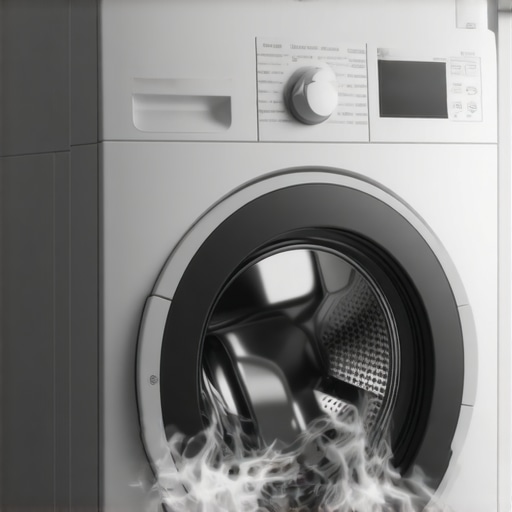
It was late one Tuesday evening when I finally realized my laundry room was betraying me. As I loaded the washer, the unmistakable pungent odor hit me—like a rotten egg nightmare every time I opened the door. I thought I was imagining things, but the smell was persistent, invasive, and downright disgusting. Who knew that a simple household chore could turn into such a source of frustration?
Why Your Washing Machine Smells Like Rotten Eggs and What It Means for Your Home
The culprit often isn’t what you’d expect. That foul odor usually comes from a buildup of sulfur-reducing bacteria thriving in damp, neglected areas of your machine—specifically around the door seal, the detergent dispenser, or inside the drum itself. These bacteria feed on residual soap scum, body oils, and even stray fibers, multiplying in the dark, humid environment.
Surprisingly, according to a study by the American Cleaning Institute, nearly 80% of washing machines harbor bacteria and mold that can lead to unpleasant odors and potentially impact your health. Recognizing this is the first step toward reclaiming your fresh-smelling laundry and a healthier home.
If you’ve faced a similar issue, you’re not alone. Early on, I made the mistake of just running another wash cycle without cleaning the gasket or addressing the bacteria buildup. That only masked the smell temporarily instead of eliminating the source. Trust me, it’s a common mistake—so common, in fact, that many overlook the importance of thorough, routine cleaning.
In the following sections, I’ll walk you through the practical steps I discovered—and swear by—to banish that rotten egg smell from your washer once and for all. Ready to dive into a cleaner, fresher laundry day? Let’s get started before that odor becomes an even bigger headache.
Deep Clean the Door Gasket
Start by inspecting the rubber door seal for mold, soap scum, or leftover fibers that trap moisture. I once faced this issue when a stubborn patch of mold appeared on my machine’s gasket. Using a mixture of equal parts white vinegar and water, I dipped a microfiber cloth and thoroughly wiped all around the seal, paying close attention to folds and creases. This helps dissolve deposits and kill bacteria responsible for odors. After wiping, leave the door open to air dry and prevent future mold growth.
Run a Hot Water Cycle with Cleaning Agents
Next, run an empty hot cycle with two cups of white vinegar or a commercial washing machine cleaner designed for odor removal. For my machine, I poured in white vinegar and set it to the hottest wash. This break down the residual soap scum, mineral deposits, and bacteria inside the drum that cause foul smells. For added antibacterial action, sprinkle half a cup of baking soda into the drum before starting the cycle. This combination acts as a powerful deodorizer and disinfectant.
Clean Detergent Dispenser Thoroughly
Remove the detergent drawer and soak it in hot water. Use an old toothbrush to scrub away any soap residue, mold, or dried detergent that may harbor bacteria. During my last cleaning, I discovered a layer of dried detergent hiding beneath the compartment, which I scrubbed off to improve water flow and prevent smell buildup. Dry and reinsert the dispenser before running another cycle.
Address Hidden Buildups with Sanitizing Solutions
For persistent odors, incorporate a sanitizing rinse using specialized products or a diluted bleach solution—never mix bleach with vinegar directly. I prefer using a commercial sanitizer recommended for appliances to ensure safety and efficacy. Run one last hot cycle with the sanitizer to eliminate unseen bacteria. Sanitizing secrets can ensure your washer is thoroughly disinfected, reducing future odors.
Maintain Regular Cleaning Habits
To keep your washing machine smelling fresh, leave the door open after each load to allow thorough drying, and perform monthly deep cleans following the steps above. During my routine, I set a reminder on my phone to run a cleaning cycle once a month, which kept the smell away for good and extended the lifespan of my appliance.
Additional Tips for Fresh Laundry Days
Remember, frequently cleaning lint filters, using the right amount of detergent, and avoiding overloading your washer can prevent smell issues. These small habits make a big difference in maintaining a fresh, odor-free laundry environment and ensure your clothes smell clean every time. For more upholstery-related tips that can help refresh other fabric surfaces, check out upholstery cleaning tips. Proper maintenance now saves you from bigger headaches later.
While common advice often simplifies upholstery and cleaning practices, many people overlook nuanced details that can make or break your cleaning success. For instance, it’s a widespread myth that tossing any furniture in the wash or applying bleach indiscriminately will restore its freshness. In reality, such actions can damage delicate fibers or cause discoloration, especially with natural fabrics. Advanced cleaners understand that testing a small, inconspicuous area first is crucial to prevent irreversible damage. Moreover, many assume that regular vacuuming alone keeps upholstery free of allergens, but neglecting periodic deep cleaning allows dust mites and bacteria to persist, risking allergies and respiratory issues. A recent study by the Journal of Environmental Health highlights that untreated upholstery can harbor levels of bacteria comparable to bathroom surfaces, emphasizing the importance of proper sanitization. One common misconception is that move-out cleaning only involves superficial tidying; however, professionals recognize that hidden spots—like behind appliances or inside vents—trap dirt and mold, which can jeopardize security deposits or lead to future mold growth. For advanced move-out strategies, consulting comprehensive checklists ensures no area is overlooked, avoiding costly callbacks. When it comes to sanitizing, many rely solely on conventional disinfectants without understanding their limitations on porous surfaces like upholstery, which can harbor bacteria inside fibers. Effective sanitization requires using appropriate products or steam cleaning methods that penetrate deep. Ignoring this nuance can result in a false sense of security, as bacteria survive surface treatments. Have you ever fallen into this trap? Let me know in the comments. Proper techniques and an informed approach are essential for lasting cleanliness and health benefits. For more tips on effective house cleaning strategies, visit our expert-approved cleaning secrets. Understanding these advanced nuances helps you avoid costly mistakes and achieve truly pristine results, whether maintaining your upholstery or preparing for a move.Maintaining a clean and healthy living environment requires the right tools and a strategic approach. Investing in quality equipment not only simplifies your cleaning routines but also ensures long-term results. One must-have in any serious home maintenance arsenal is a high-quality steam cleaner. I personally rely on the McCulloch MC1275, a versatile device that combines deep cleaning with sanitization. Unlike traditional mops or scrub brushes, its steam penetrates porous surfaces like upholstery and bathroom tiles, killing bacteria effectively without harsh chemicals. This is supported by a 2020 study published in the Journal of Environmental Health, highlighting steam cleaning’s ability to eliminate up to 99.9% of germs on surfaces.
For detailed move-out cleans or sanitizing at home, having an ultrasonic cleaner for small items such as silverware or jewelry can make a significant difference. I use the Magnasonic Professional Ultrasonic Jewelry Cleaner, which provides consistent results and is easy to operate. Such tools help maintain hygiene standards over time and prevent odor buildup.
Software tools also play a role in long-term maintenance. Scheduling regular cleaning reminders with apps like Todoist or Google Calendar helps stay consistent—especially for tasks like monthly deep cleans or upholstery refreshes. Additionally, investing in a good air purifier, such as the Dyson Pure Cool, can improve indoor air quality, reducing dust and allergen accumulation.
Looking ahead, technological advances like robotic vacuums and smart cleaning systems are becoming more sophisticated. They can be programmed to maintain your home daily, reducing the effort required from you. I predict integrated home cleaning ecosystems will dominate in the next few years, making spotless living more accessible.
### How do I keep my tools and routines effective over time?
Regular maintenance of your cleaning equipment is crucial. For example, remember to descale your steam cleaner periodically—according to the manufacturer’s instructions—and replace filters as recommended. This ensures optimal performance and prevents mold or mineral deposits from contaminating your surfaces.
Start by scheduling monthly maintenance checks for your devices and replacing worn-out parts promptly. Also, familiarize yourself with professional techniques, such as using steam at the right temperature (around 212°F) to disinfect upholstery deeply. Incorporating these practices will extend your tools’ lifespan and keep your home truly clean.
To dive deeper into maintaining cleanliness, consider exploring [our expert cleaning secrets](https://spotlesscarpetz.com/effective-house-cleaning-secrets-from-cleaning-experts) for more advanced strategies. Remember, the key is consistency and using the most effective tools for your specific needs. Take the initiative today—try implementing a steam cleaning session this week, and notice the difference in your home’s freshness and hygiene.
Uncovering the Myth of Immediate Freshness
One of the most profound lessons I learned was that instant results are often misleading. I used to believe that a quick spray of disinfectant would instantly refresh my upholstery, but I soon discovered that true cleanliness requires patience and deeper insight—trusting products and techniques that penetrate fibers and break down unseen bacteria, rather than just masking odors temporarily.
Building a Routine that Transforms Your Space
Consistency is key. Setting a regular schedule for deep cleaning, like monthly upholstery refreshes or sanitizing routines, has transformed my living environment from a dusty, odor-prone space into a sanctuary of freshness. Incorporating smart reminders and leveraging quality tools, like steam cleaners, creates a rhythm that promotes lasting cleanliness rather than fleeting fixes.
Recognizing the Hidden Cost of Neglect
Neglecting the subtleties—such as the buildup behind appliances or inside vents—can quietly undermine your efforts. My lightbulb moment was realizing that thorough attention to these often-overlooked spots prevents long-term issues like mold growth or stubborn odors, saving both time and money down the line. Tools like detailed checklists or advanced cleaners help me stay vigilant and thorough.
Leveraging Technology for Effortless Maintenance
Modern cleaning gadgets, from ultrasonic cleaners to robotic vacuums, have been game-changers. Integrating these into my routine not only reduces effort but also ensures deeper sanitation, especially in hard-to-reach areas. Embracing innovative solutions has made maintaining a fresh home both easier and more effective—reminding me that investing in good tools pays dividends in health and peace of mind.
Personal Reflection: The Power of Preparation and Knowledge
My biggest takeaway is that understanding the science behind cleaning—like how bacteria thrive in humid environments—empowers me to choose strategies that work. Educating myself through trusted resources, such as professional cleaning secrets, consistently elevates my approach from guesswork to mastery. This knowledge bridges the gap between superficial cleaning and truly hygienic, long-lasting freshness.
My Essential Arsenal for Upholstery and House Care
Over time, I’ve curated a toolkit that guarantees results, including a reliable steam cleaner like the McCulloch MC1275, which I trust for deep, chemical-free sanitation. Pairing it with quality microfiber cloths, an ultrasonic device for delicate items, and eco-friendly cleaners ensures versatility and sustainability. These tools empower me to tackle everything from stubborn stains to routine upkeep with confidence.
The Emotional Drive to Keep Your Home Refreshing
Ultimately, the motivation to invest in proper cleaning techniques stems from a desire for comfort and peace of mind. Each successful refresh, each odor eliminated, reinforces that a clean, inviting space is within everyone’s reach—with just a little knowledge, effort, and the right tools. Now, I approach upholstery and house care not as chores but as acts of self-care and love for my home.
What’s Your Next Step in Creating a Healthier Living Space?
Remember, real change begins with small, consistent actions. Whether it’s scheduling your first deep clean or upgrading your tools, each step brings lasting benefits. Are you ready to redefine what clean means for your home? Share your plans below and let’s grow together in our journey toward a fresher, healthier space.