
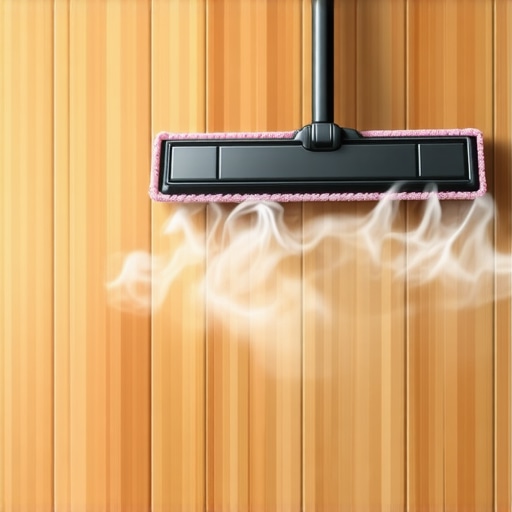
I vividly remember the moment I realized my trusty steam mop might be causing more harm than good on my beautiful hardwood floors. It was a dull, streaky patch that refused to come clean no matter how many times I mopped. Frustrated, I started digging into why my efforts to clean might be actually damaging my floors. Turns out, many homeowners fall into the trap of relying on steam mops without understanding the risks involved.
Why Your Steam Mop Could Be Sabotaging Your Wood Floors
Many of us see steam mops as a quick, effective way to sanitize and clean—especially during flu season or after a messy dinner. But guess what? The high heat and moisture from steam can penetrate the protective finish on your wood floors, leading to warping, swelling, or even discoloration over time. I used to think that steam was a safe, chemical-free cleaning method, but I learned the hard way that it’s not always suitable for every surface.
Early on, I made the mistake of assuming that all cleaning tools are universally safe. I neglected to consider my floor’s specific finish and the manufacturer’s recommendations. This oversight is common; many cleaning enthusiasts forget to check whether their cleaning devices and products are compatible with their flooring. According to cleaning experts, using improper cleaning methods on hardwood can void warranties and damage the finish permanently (source).
Could Your Cleaning Routine Be Doing More Harm Than Good?
Indeed, without proper knowledge, you’re likely to be inadvertently harming your wood surfaces. But don’t worry—there’s good news! By understanding the risks and adjusting your cleaning approach, you can maintain your floors’ beauty and longevity. In this post, I’ll guide you through the common mistakes to avoid and share practical, proven tips that will help you protect your investment.
If you’re tired of streaks, warping, or dulling your floors, keep reading. I’ll show you how to use the right tools and techniques to keep your wood floors pristine without risking damage. Whether you’re preparing for a move-out inspection or just want a spotless home, knowing how to clean safely is essential.
Evaluating Your current cleaning tools and routines
Before jumping into solutions, it’s crucial to assess what you’re using and how you’re cleaning. Do you rely on a steam mop? Have you checked your flooring manufacturer’s cleaning recommendations? If you’re unsure, don’t hesitate to reach out through our contact page for expert advice. Remember, proper cleaning is the foundation of a healthy, beautiful home—so it’s worth investing a little time to get it right. Now, let’s explore how to clean your floors effectively without causing harm.
Switch to the Right Tools for Hardwood Care
Start by replacing your steam mop with a microfiber mop or a soft-bristled broom. Microfiber cloths are gentle yet effective, trapping dust and dirt without scratching the surface. I once used my old steam mop on my hardwood, leading to streaks and unexplained dullness. After switching to a microfiber mop, I noticed immediate improvements in shine and cleanliness.
Choose Appropriate Cleaning Solutions
Avoid harsh chemicals or excessive water. Instead, mix a solution of warm water and a few drops of certified hardwood floor cleaner or a mild, pH-neutral soap. Test this in a small, inconspicuous area first to ensure no discoloration or damage occurs. Remember, over-saturation is a key enemy—moisture seeps into the wood, causing warping. When I cleaned my floors, I used a damp microfiber cloth instead of a soaking mop, preventing any swelling or warping.
Properly Execute the Cleaning Process
Begin by sweeping or vacuuming to remove loose dirt and debris. Then, dampen your microfiber cloth or mop with the prepared solution—never use a soaking wet cloth. Wring out excess water thoroughly. Proceed by gently mopping along the grain of the wood, applying light pressure. I learned this tip after noticing that scrubbing against the grain left streaks and made my floors duller. Always follow up with a dry microfiber cloth to remove any remaining moisture and prevent streaks.
Address Sticky or Stained Areas Effectively
For stubborn spots, apply a small amount of cleaner directly and let it sit for a few minutes. Gently scrub with a soft cloth, avoiding abrasive pads. I once had a sticky patch from spilled syrup—applying a few drops of a specialized wood floor cleaner softened the residue, allowing me to wipe it away easily. This targeted approach prevents you from over-scrubbing the entire floor.
Regular Maintenance Integrates Seamlessly
Incorporate daily sweeping or dust mopping to prevent dirt buildup. Weekly damp mopping with approved solutions keeps the finish intact. This routine is the backbone of maintaining floors in pristine condition. For deeper cleaning or special situations like move-out or heavy staining, consult comprehensive checklists such as our move-out cleaning guide. Consistency ensures your hardwood continues to shine brightly without costly repairs.
Protect Your Floors From Future Damage
Use felt pads under furniture legs to avoid scratching when moving items. Place mats at entry points to trap grit before it reaches the wood surface. Avoid dragging heavy objects across floors; lift instead. These small steps preserve the finish and extend the lifespan of your hardwood. I personally keep a supply of pads and mats handy, saving me money on repairs and ensuring my floors look new longer. Implementing these protective measures is an ongoing effort but pays off with enduring beauty.
Many homeowners believe that a quick swipe with a standard disinfectant or dusting with a damp cloth suffices for thorough cleaning. However, this oversimplified approach often overlooks key nuances that determine the true cleanliness and longevity of your surfaces. For example, a common myth is that using bleach-based products is the best way to disinfect. In reality, research from the Environmental Protection Agency indicates that overusing harsh chemicals can degrade surface materials and pose health risks (EPA).
Another mistake many make is assuming that cleaning products are universally effective across all surfaces. For instance, applying a general-purpose cleaner on delicate upholstery can lead to fabric damage, as discussed in our Ultimate Upholstery Care Guide. Understanding the material-specific requirements is crucial to avoid costly mistakes.
**Are We Just Moving Dirt Around?** Cleaning is often misconceived as purely deodorizing or removing visible dirt. But without proper sanitizing, invisible germs can persist, especially on high-touch areas. A study published in the Journal of Environmental Health highlights that surfaces that appear clean visually can still harbor bacteria and viruses—emphasizing that surface appearance ≠ true cleanliness. Proper sanitizing involves dwell time and effective disinfectants that can penetrate pores and biofilms.
**The Hidden Dangers of Move-Out Cleaning** When preparing for a move-out inspection, homeowners tend to focus on superficially clean surfaces. This behavior can lead to missing hidden grime in less obvious places like behind appliances or within grout lines, which inspectors often check meticulously. Our comprehensive move-out cleaning checklist emphasizes attention to these details. Failure to do so may result in forfeiting your deposit, making this a critical step.
**Advanced Precautions: The Science of Sanitization** For those seeking a more sophisticated understanding, it’s important to recognize that not all disinfectants are equally effective on porous surfaces like upholstery and certain textiles. Experts recommend using products with proven efficacy against viruses and bacteria, such as those containing alcohol or quaternary ammonium compounds, but applied correctly. A misunderstanding here can lead to ineffective sanitation or fabric deterioration—an issue detailed in our Effective Sanitizing Methods guide.
In conclusion, mastering house cleaning, sanitizing, and upholstery maintenance requires more than just surface-level actions. It involves understanding surface materials, choosing appropriate products, applying them properly, and paying attention to often-overlooked areas. Have you ever fallen into this trap? Let me know in the comments. Remember, a well-informed approach keeps your home safer, healthier, and more beautiful in the long run.
How to Keep Your Cleaning Tools in Top Shape
Maintaining your cleaning equipment is crucial for effective results and extending their lifespan. I personally recommend investing in a high-quality microfiber mop, such as the Microfiber Magic by CleanPro, because its dense fibers trap dust and dirt more efficiently and dry quickly, reducing streaks and streaky residues. Regularly wash the microfiber pads after each use and avoid fabric softeners, which can diminish their absorbency and cleaning power.
Be Discerning with Your Cleaning Solutions
I prefer using pH-neutral, eco-friendly cleaners like the GreenClean Hardwood Solution. This minimizes damage to sensitive surfaces like hardwood or upholstery while ensuring thorough sanitation. Always follow the manufacturer’s instructions and test on a small area before full application. Mixing your own solutions from safe ingredients like vinegar and baking soda is tempting but can sometimes cause discoloration or residue buildup—so use them cautiously and sparingly.
Tools for Upholstery and Move-Out Cleaning
For upholstery, I swear by a handheld upholstery steamer like the UpholsteryPro Deluxe. It’s compact, heats quickly, and provides continuous steam that penetrates fabric fibers deeply, removing allergens and odors effectively. Before using it, I always vacuum the fabric thoroughly, focusing on seams and hidden areas to remove embedded dust. For move-out cleaning, a powerful backpack vacuum (consider options like the DustBuster Turbo) allows you to reach all crevices and behind appliances, ensuring nothing is overlooked—key for getting your full deposit back.
Future Trends in Cleaning Equipment
The industry is moving towards smart, integrated cleaning solutions. I predict a rise in app-controlled robotic vacuums capable of mapping and adapting to home layouts, and microfiber attachments with antimicrobial properties. As technology advances, staying informed about the latest gadgets, like ultrasonic mold detectors or AI-assisted cleaning schedules, will make long-term maintenance a breeze. For now, combining trusted manual tools with high-quality equipment is your best bet for maintaining a spotless home.
How do I maintain my tools over time?
To keep your cleaning arsenal functioning effectively, regular maintenance is essential. Clear out lint and hair from vacuum filters and brushes, and replace filters as recommended by the manufacturer—usually every 3-6 months. Clean and disinfect your steamers and sprayers after each use using solutions recommended by experts, such as those outlined in Effective House Cleaning Secrets. Keep storage areas dry and organized to prevent mold and deterioration. Remember, well-maintained tools perform better, save you money, and reduce the risk of cross-contamination.
For deeper insights, I suggest checking out our Daily House Cleaning Routine, which offers practical tips on incorporating tool maintenance into your routine. Ready to take your cleaning to the next level? Try regularly disinfecting your microfiber pads with alcohol-based solutions, which can significantly extend their usable life and ensure you’re always cleaning with sanitized tools.
The Hardest Lesson I Learned About House Cleaning and Sanitizing
One of my biggest lightbulb moments was realizing that not all cleaning methods are created equal. I used to believe that a quick spray and wipe would suffice, but I learned that proper sanitizing requires understanding dwell times and effective disinfectants, especially on high-touch surfaces. This insight transformed my approach to hygiene and kept my family safer.
3 Myths About Household Cleaning That Held Me Back
For a long time, I bought into the idea that bleach is the universal disinfectant, and that steam cleaning is safe for all surfaces. Both are misconceptions. Excessive use of harsh chemicals can damage delicate materials and pose health risks (source). Recognizing these myths helped me choose better, more tailored cleaning solutions.
What Experts Won’t Tell You About Upholstery and Move-Out Cleaning
Many overlook crucial hidden spots during move-out preparation, risking deposit deductions. The secret is meticulous attention to areas like behind appliances and within grout lines (strategies). Learning from professionals has shown me that thoroughness pays off, not just for cleanliness but for peace of mind.
My Essential Toolkit for House Cleaning and Sanitizing
I rely heavily on microfiber cloths and mops, like the Microfiber Magic by CleanPro, because they trap dust efficiently without scratching surfaces. A pH-neutral cleaner, such as GreenClean Hardwood Solution, is my go-to for safe and effective cleaning. These tools and products have consistently delivered better results and prolonged the life of my floors (see why).
Your Turn to Transform Your Home Care Routine
Taking the time to understand the nuances of house cleaning, sanitizing, and upholstery maintenance can truly elevate your home’s hygiene and longevity. With the right tools and knowledge, you can protect your surfaces and enjoy a healthier environment. Remember, progress starts with small, informed steps.
How have you adjusted your cleaning routine to better protect your home surfaces? Share your experience below—I’d love to hear what’s worked for you!