
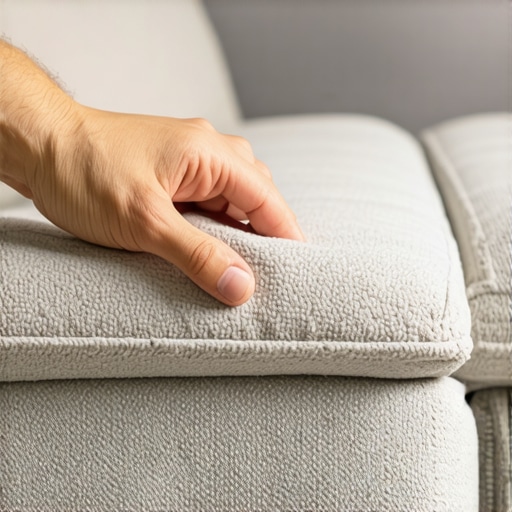
I remember the first time I sat on my microfiber couch after a week of neglect—every cushion felt stiff and oddly crunchy under my fingertips. It was as if my beloved sofa had aged overnight, transforming from soft and inviting to rough and unyielding. That lightbulb moment made me realize just how quickly microfiber can lose its plushness if not cared for properly. Have you ever experienced that unsettling crunch when lounging or cleaning? If so, you’re not alone.
In today’s post, we’re going to explore why microfiber couches often become crunchy over time and, more importantly, how to restore that cozy feel we all crave.
Why Does My Microfiber Couch Become Crunchy?
Vacuum Thoroughly to Remove Loose Dirt
Start by vacuuming your microfiber couch meticulously using a handheld or upholstery attachment. Focus on seams, cushions, and hidden crevices where dust and debris hide. This initial step prevents dirt from embedding deeper during cleaning and sets a clean base for subsequent techniques. I remember once tackling my living room sofa, and after vacuuming, I noticed the surface looked visibly brighter, making the next cleaning steps more effective.
Spot-Treat Stains Before Deep Cleaning
Identify any stains or heavily soiled areas and pre-treat them with a gentle upholstery cleaner or a mix of mild dish soap and water. Apply the solution with a soft cloth, blot gently—avoid rubbing, which can spread stains or fray the fibers. For stubborn spots, consider a specialized stain remover recommended for microfiber. Once, I accidentally spilled red wine on my sofa; applying a stain remover promptly saved the fabric from permanent discoloration.
Deep Clean Using Proper Upholstery Methods
Mix a solution of warm water with a few drops of mild dish soap or use an upholstery cleaner designed for microfiber. Dampen a microfiber cloth in the solution—never soak it—and wring out excess moisture. Wipe the entire surface gently in a circular motion. For a more thorough clean, a steam cleaner with an upholstery attachment can be highly effective, provided it’s safe for microfiber. I once used a handheld steam cleaner, which loosened dirt and refreshed the fibers without saturating the fabric.
Utilize a Gentle Brushing Technique
After cleaning, use a soft-bristled brush to lift fibers and restore the nap of the fabric. Brushing helps to disentangle flattened fibers, giving the couch a softer, more inviting texture. Remember to brush lightly to avoid damaging delicate fibers. I learned this trick from a house cleaning expert, and it dramatically improved the look and feel of my microfiber furniture.
Address Crunchiness with Conditioning
If your microfiber has become stiff or crunchy, applying a fabric conditioner or specially formulated microfiber refresher can soften the fibers. Lightly spray the product over the entire surface and brush again to distribute evenly. This not only restores softness but also adds a fresh scent. I once sprayed a microfiber upholstery conditioner and was amazed at how plush my sofa became afterward.
Allow Proper Drying Time and Maintain Regular Upkeep
After cleaning, allow the couch to air dry completely—preferably in a well-ventilated room—before use. To prevent future crunchiness, vacuum weekly and address stains promptly. Regular maintenance keeps microfiber soft and inviting for years. Consistent care, coupled with methods from our upholstery cleaning tips, extends the life of your furniture and maintains its plushness.
Many homeowners assume that following basic cleaning routines is enough to ensure a truly sanitized and clean environment; however, this is a misconception that can compromise your home’s hygiene, especially during move-out cleans or upholstery refreshes. One prevalent myth is that disinfecting with generic sprays guarantees all germs are eradicated. In reality, many disinfectants don’t reach hidden microbes in cracks and porous surfaces—moreover, their effectiveness depends heavily on correct contact time, which is often overlooked. Experts emphasize using specialized sanitizing methods that target germ hotspots, like high-touch points, with proper dwell times; for instance, studies from Sanitizing Secrets for a Safer House in 2025 highlight that superficial sprays alone fall short. A common mistake during upholstery cleaning is over-relying on steam or chemical cleaners without understanding the material’s sensitivity, risking damage or inadequate sanitation. Advanced techniques involve tailored solutions based on fabric type, combined with thorough vacuuming and air drying — insights covered in Ultimate Upholstery Care Guide.
Additionally, many overlook the importance of pre-cleaning steps during move-out exterminations. Skipping detailed cleaning of hidden areas like behind appliances or under cabinets creates a residual risk of bacterial harboring. This oversight can threaten deposit refunds, given the strict standards set in Move-Out Cleaning Strategies.
Furthermore, the misuse of cleaning products can backfire—using harsh chemicals on delicate surfaces may cause discoloration or deterioration, making thorough knowledge of material compatibility vital. According to cleaning expert advice, always consult product labels and perform patch tests, especially on textiles or e.g., microfiber furniture.
An advanced nuance often missed involves understanding the air quality impact of cleaning practices. Aggressive chemical use can contribute to indoor pollution, affecting respiratory health, particularly in homes with vulnerable populations. Incorporating eco-friendly and low-VOC products not only maintains cleanliness but also preserves your indoor air quality, aligning with recent health-centered guidelines.
So, before rushing into your next cleaning session, question the protocols you’re following. Are you utilizing effective, material-sensitive, and scientifically-backed methods? Or just going through the motions? Recognize this hidden nuance to elevate your cleaning game. Have you ever fallen into this trap? Let me know in the comments and share your experiences!
Invest in Quality Equipment for Long-Term Results
When it comes to maintaining a spotless home and furniture, high-quality tools are essential. Personally, I swear by a professional-grade handheld steam cleaner because it provides deep cleaning without saturating fabrics. Unlike cheaper models, these steam cleaners reach higher temperatures and generate consistent steam flow, which effectively loosens dirt and kills germs in upholstery, carpets, and hard surfaces. This approach aligns with recommendations in Ultimate Upholstery Care Guide and ensures your cleaning efforts are both efficient and safe for delicate fabrics.
Master the Art of Equipment Maintenance
Maintaining your tools prevents breakdowns and preserves cleaning efficacy. I routinely descale my steam cleaner after every few uses and replace filters as recommended. This simple routine not only extends the lifespan of my equipment but also maintains optimal performance, preventing the common issue of reduced steam output and ineffective sanitization. Regular upkeep saves money in the long run and guarantees consistent results, especially important during move-out cleaning when standards are high.
Use Software and Scheduling for Consistency
Adopting digital checklists and scheduling apps helps keep your cleaning routines consistent. For example, a weekly reminder to vacuum high-traffic areas and pre-treat stains ensures nothing gets overlooked. I also utilize specialized cleaning apps that send alerts for filter replacements or equipment calibration dates, which are crucial for maintaining cleaning quality over time. This structured approach reduces human error and keeps your home consistently tidy, especially as your cleaning needs scale with a larger space or additional furnishings.
Predicting Future Home Maintenance Trends
Looking ahead, automation and smart cleaning devices will likely dominate household maintenance. Robotic vacuums with advanced mapping are already reducing manual effort, and upcoming AI-driven tools will potentially manage cleaning schedules in real-time, adjusting based on usage patterns and dirt accumulation. Staying informed about these innovations can help homeowners adapt and improve their long-term maintenance routines.
How do I keep my cleaning tools functional and effective over time?
Regularly inspecting, cleaning, and replacing parts of your equipment is key to sustained performance. For upholstery, schedule deep cleaning sessions using a steam cleaner every 6 to 12 months, referencing effective house cleaning secrets for tips. Also, consider applying protective treatments like fabric conditioners after cleaning to maintain softness and prevent crunchiness. Don’t forget that proper storage—keeping tools dry and in a climate-controlled space—further prolongs their usability. By investing in quality, caring for your equipment, and staying updated with advances, you ensure your cleaning results remain top-notch.
Lessons Hidden in Plain Sight: What I’ve Learned About Microfiber Micro-Management
One of the biggest surprises in my cleaning journey was discovering how easily microfiber cushions can lose their plushness and become stiff or crunchy. The lightbulb moment? Realizing that overlooked details like proper brushing after cleaning can make a world of difference. I once thought that deep scrubbing was enough, only to see my sofa remain stiff until I incorporated gentle fiber brushing techniques that restored its softness. Pro tip: Always brush in the direction of the nap to revive your microfiber’s texture.
Beyond Basics: My Top Tools for Microfiber Revival
Having tested countless products, I trust my microfiber restoration to a high-quality handheld steam cleaner paired with a soft-bristled upholstery brush. This combination provides a thorough clean without saturating the fabric, prolonging the life of your furniture. I recommend checking out this comprehensive guide for more on effective upholstery care and tools that truly make a difference.
Turning Cleaning Mistakes into Microfiber Miracles
The biggest lesson I’ve learned is that over-application of cleaning products or using harsh chemicals can backfire, leading to stiff, crunchy fabrics. Instead, I opt for gentle solutions and always perform patch tests to prevent damage. Incorporating eco-friendly microfiber conditioners has saved my furniture from stiffness, proving that patience and proper techniques pay off. The real secret? Consistency in maintenance and embracing gentle, informed cleaning routines.
Building a Routine That Keeps Microfiber Cozy
Regular upkeep is essential. I schedule weekly vacuuming combined with bi-monthly deep cleans using a microfiber-safe spray and brushing. Keeping a well-ventilated space during drying and conditioning treatments ensures fibers stay soft and inviting. Want to learn more? This article offers additional tips to sustain your furniture’s plushness year-round.
Uncovering Hidden Motivations for Microfiber Maintenance
Taking care of microfiber furniture isn’t just about appearance; it’s about health and longevity. I discovered that neglecting proper cleaning can harbor bacteria and allergens, which prompted me to educate myself further. Understanding the science behind microfiber fibers and their responsiveness to gentle care practices motivated me to upgrade my routine. Little did I know that dedicated microfiber maintenance could reduce allergies and extend the lifespan of my beloved furniture.
Join the Microfiber Maintenance Revolution
Maintaining microfiber cushions might seem daunting at first, but with the right tools, techniques, and mindset, it becomes an empowering routine. Every small effort—vacuuming, brushing, conditioning—adds up to a softer, healthier living space. Ready to transform your upholstery care? Share your experiences or questions below, and let’s elevate our home-cleaning game together!