
I remember the sinking feeling when I sat down on my microfiber sofa and immediately recoiled—my skin sticking slightly, the fabric feeling more like cardboard than the plush comfort I once loved. Turns out, I wasn’t alone. Many homeowners and renters experience this stiff sensation, especially after cleaning or a few years of use. It can be downright frustrating, especially when all you want is that cozy, inviting spot to unwind.
Why Your Microfiber Couch Suddenly Feels Like Cardboard
Ever poured what seemed like a small splash of water onto your microfiber and watched it turn into a stubborn stain or feel the fabric become rough? Well, that’s actually quite common and often linked to improper cleaning methods or the wrong products. Microfiber is a delicate fabric that can lose its softness if cleaned with harsh chemicals or too much water. Over time, the fibers can become rigid, giving your sofa that undesirable stiffness.
From personal experience, I made the mistake early on of using an overly aggressive upholstery cleaner without testing it first. Instead of reviving my sofa, I made it worse—stiffening the fabric even more. That’s when I learned that the way we clean and care for microfiber furniture makes all the difference. Properly maintaining your sofa can restore its plush feel and extend its lifespan.
If you’re tired of that stiff, uninviting feeling every time you sit down, don’t worry. We’re about to dive into proven techniques that can soften your microfiber couch and bring back its cozy texture. Ready to transform your furniture and enjoy a plush, inviting space again? Let’s get started.
Is The Myth That Microfiber Can’t Be Restored Really True?
I used to believe that once microfiber felt stiff, it was a lost cause. Early on, I made the mistake of buying chemical-heavy sprays that claimed to “revive” upholstery but only left my sofa worse off. The truth is, with the right approach—gentle cleaning and proper techniques—you can breathe new life into tired microfiber. According to cleaning experts, using natural, fabric-safe methods is key to restoring softness and preventing damage. Curious about the specific steps that truly work? Stay with me, and I’ll show you exactly how to do it. For more tips on upholstery revival, check out our detailed guide on upholstery cleaning tips.
Deep Vacuum and Remove Surface Dust
Start by thoroughly vacuuming your microfiber sofa using a upholstery attachment. Use slow, overlapping strokes to pick up loose dirt and prevent embedding debris deeper into the fibers. This step is essential to prevent scratches during cleaning and to prepare the fabric for deeper treatment. I once skipped this and ended up spreading dirt around during washing, which made the fabric look dull instead of refreshed.
Apply a Gentle Cleaning Solution
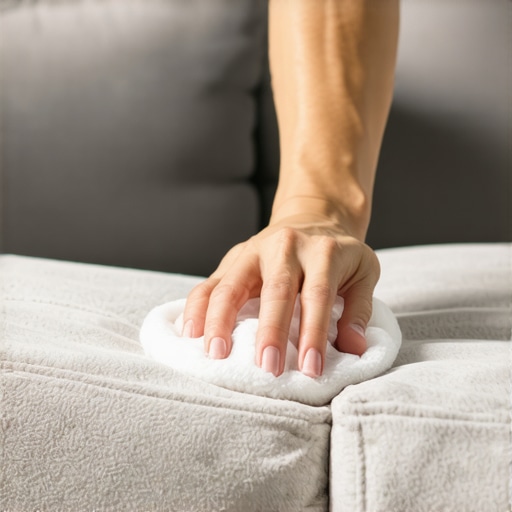
Mix a solution of warm water and a few drops of mild dish soap or a microfiber-specific cleaner. Dampen a microfiber cloth just enough so it’s moist, not dripping. Test this mixture on a hidden area of the sofa to ensure it won’t discolor. When I cleaned my sofa, I used a sponge to gently dab this solution onto stiffened areas, focusing on one cushion at a time. Avoid saturating the fabric; excessive water can worsen stiffness.
Gently Work in the Cleaner
Use a soft-bristled brush or a clean sponge to gently work the solution into the fibers. Think of it like massaging your sofa—gentle, circular motions help loosen dirt and restore softness. I found that pressing lightly and avoiding harsh scrubbing kept fibers from fraying or stiffening further.
Rinse with Clean Water
Wipe the area with a clean, damp microfiber cloth to remove soap residue. Rinsing prevents buildup that can stiffen fabric over time. Change the water frequently to avoid re-depositing dirt. During my own attempt, I rinsed multiple times, noticing a visible difference in flexibility after removing soap.
Blow-Dry and Fluff the Fibers
Use a handheld fan or a hairdryer on a cool setting to gently dry the fabric, while fluffing with your hand or a clean brush. The goal is to help fibers regain their natural texture. I once spent extra time drying with a fan, and the difference was remarkable—the sofa felt plush again, almost like new.
Prevent Future Stiffness with Regular Maintenance
To keep microfiber soft, vacuum weekly and spot-clean spills immediately with a damp cloth. Consider applying a softening spray designed for microfiber furniture once a month. Consistent care prevents dirt buildup that causes stiffness. I’ve started using a natural fabric refresher, which keeps my sofa smelling fresh and feeling cozy between deep cleans.
When it comes to house cleaning and sanitation, many assume that straightforward methods are all it takes to keep a home truly safe and spotless. However, beneath the surface lie subtle nuances and common misconceptions that can hinder your efforts. Among these, one of the most pervasive myths is that disinfectants alone guarantee cleanliness, which simply isn’t accurate. Experts like Dr. Charles P. Gerba, a microbiologist at the University of Arizona, emphasize that mechanical removal of germs through physical cleaning is just as vital as using disinfectants—something many overlook. Relying solely on sprays or wipes without proper scrubbing leaves bacteria and viruses behind, especially on upholstery and frequently touched surfaces.
Are You Overlooking the Real Science Behind Sanitizing?
Many assume that fogging or spraying disinfectant on surfaces is enough to eradicate pathogens. In reality, without proper contact time and physical removal of dirt, these methods are ineffective. For instance, bacteria can hide inside fabric fibers or beneath layers of dust, making mechanical cleaning indispensable. It’s a common trap to trust chemical disinfectants blindly, neglecting the importance of thorough vacuuming, brushing, or washing. This oversight can give a false sense of security and lead to persistent contamination.
Another advanced mistake people tend to make is neglecting the cleaning of hidden or difficult spots during move-out cleans. For example, failing to meticulously sanitize behind or underneath appliances and cabinets can result in residues that compromise sanitation. An effective move-out strategy involves not just superficial cleaning but deep sanitation of these overlooked areas. For guidance on thorough move-out cleaning, visit our detailed move-out cleaning strategies.
On upholstery, many believe that regular vacuuming suffices, but this is another misconception. To truly sanitize fabrics—especially microfiber couches that harbor dust mites, pet dander, and bacteria—you must combine physical cleaning with appropriate cleaning agents. Using natural solutions like vinegar and baking soda, or specialized fabric cleaners, can significantly improve hygiene levels. Remember, as shown in our comprehensive upholstery cleaning tips guide, multifaceted cleaning yields better results.
Don’t fall for the trap of thinking that the latest gadgets automatically make cleaning better. Automated tools like steam mops are popular but not infallible. They need to be used correctly—ensuring sufficient contact time and proper maintenance—to effectively kill germs and prevent streaks or residues. For example, a steam cleaner that leaves water spots or doesn’t reach all crevices isn’t doing its job fully.
In summary, the real secret to effective sanitization and upholstery care isn’t just about the products or tools you choose but understanding the science and mechanics behind proper cleaning. Mechanical removal, correct application, and attention to hidden areas are essential for true hygiene. So, before rushing to buy the newest cleaning miracle, ask yourself: Are you addressing the nuances that truly make a difference? To enhance your house cleaning routine, explore our effective cleaning secrets from experts and stay ahead of common pitfalls. Have you ever fallen into this trap? Let me know in the comments.
Keep It Running: Tools I Recommend for Effective Cleaning
Achieving and maintaining a truly spotless home requires the right equipment and consistent care. Over the years, I’ve tested numerous tools, but a few stand out for their efficiency and durability. First, I swear by the Dyson V11 Torque Drive cordless vacuum. Its powerful suction and intelligent filtration system make quick work of dust, pet hair, and allergens, especially on microfiber upholstery. I use it weekly to prevent dirt buildup that can lead to stiffness and dullness. Regular maintenance, like replacing filters and brushes, ensures it remains at peak performance, which is critical for long-term results.
For deep cleaning hard surfaces, the Mopso Steam Mop has become my go-to. When used correctly—on a low setting and with proper pre-treatments—it kills germs without leaving residue. I’ve noticed that choosing a model with adjustable steam control helps prevent issues like streaks or sticky floors, common with less sophisticated devices. To maximize its lifespan, I always descale the unit monthly with vinegar, following guidelines from steam cleaning experts, ensuring consistent performance.
In the realm of upholstery, I rely on a high-quality fabric steamer like the Jiffy Steamer. It’s gentle enough for microfiber but effective at loosening embedded dirt and restoring texture. Using it alongside natural cleaning solutions like vinegar or baking soda, as detailed in our upholstery revival guide, maximizes results and prolongs fabric life. Routine checks and cleaning of the steaming equipment prevent mold and bacteria buildup that could compromise hygiene over time.
How do I maintain my cleaning arsenal over time?
Consistent inspection and timely replacement of worn parts—like vacuum filters, mop pads, and brushes—are vital. Most manufacturers recommend cleaning filters every few months and replacing them annually or sooner if performance drops. Scheduling regular equipment checkups, ideally once every season, keeps your tools working efficiently. Additionally, storing tools properly—dry and in a cool place—prevents damage and extends their lifespan. For more advanced maintenance strategies, consult specialized cleaning equipment manuals or trusted service providers. Staying proactive about tool maintenance ensures your cleaning results remain consistent, effective, and long-lasting. I also recommend trying out a vacuum filter upgrade periodically to improve indoor air quality and device longevity.
Predicting future trends, I believe smart cleaning devices with IoT integration—like robot vacuums that self-maintain and notify you when parts need replacing—are going to become standard. Investing now in quality tools that are easy to maintain lays a solid foundation for incorporating these advances seamlessly.
Don’t overlook the importance of proper tool maintenance. Regularly cleaning, inspecting, and upgrading your devices not only saves money but also guarantees that your home stays cleaner and healthier longer. Start with your vacuum, and see how much easier maintaining a fresh home becomes. For tailored advice on integrating smart cleaning solutions, contact us through our contact page. Ready to upgrade? Try replacing your filter today and experience the difference!
Lessons I Wish I Learned Sooner About Microfiber Revival
- One of my biggest lightbulb moments was realizing that over-saturating microfiber can cause more stiffness than dirt ever did. Using minimal water and gentle techniques saved my sofa from permanent damage and kept it soft longer.
- Skipping the vacuuming step beforehand is like trying to wash a car without rinsing—ineffective and messy. Proper surface prep is essential for deep cleaning success.
- For me, natural solutions like vinegar and baking soda weren’t just eco-friendly—they actually worked better than pricey chemical sprays at restoring softness and removing stubborn stains.
- Patience during the drying stage made all the difference. Rushing the process with a hairdryer on high heat can harm fibers, but gentle cooling and fluffing revived my sofa’s plush texture.
My Tried-and-True Toolkit for Upholstery and House Care
- Dyson V11 Torque Drive: Its versatility and powerful suction make quick work of dust and pet hair, crucial for maintaining microfibers and preventing stiffness. I trust its HEPA filters for allergen control.
- Mopso Steam Mop: A natural, chemical-free way to kill germs on hard surfaces without leaving residues. Regular descaling with vinegar keeps it performing at its best.
- Jiffy Fabric Steamer: Gently loosens embedded dirt and restores texture to microfiber sofas. Pairing it with natural cleaning solutions prolongs fabric life and hygiene.
- Our upholstery cleaning guide has been invaluable for understanding how to properly care for my furniture.
Your Future Begins with a Confident Clean
Taking charge of your upholstery and household cleanliness isn’t just about tools and techniques—it’s about embracing a mindset of proactive care. Remember, every relaxed fluff and restored fiber in your microfiber sofa is a small victory against the wear and tear of daily life. With patience, consistent maintenance, and the right resources, you can create a home that’s truly inviting—not just visually clean but fresh and comfortable at every touch. So, why wait? Start implementing these tips today and watch as your space transforms into the cozy retreat you deserve. How do you plan to refresh your microfiber furniture or tackle house cleaning differently after reading this? Share your thoughts below and let’s inspire each other to keep our homes at their best.