
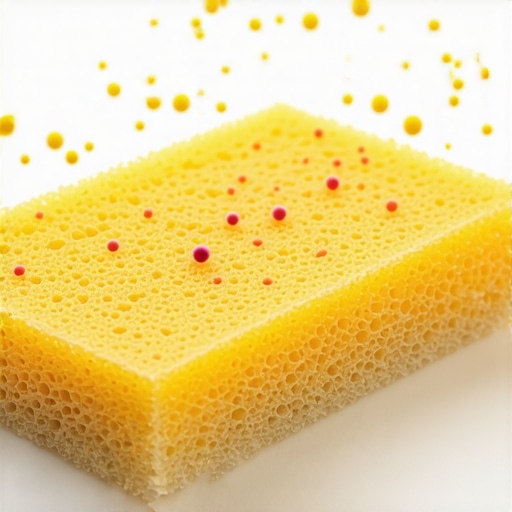
It was a morning like any other when I reached for my trusted kitchen sponge, only to realize it had developed a stubborn mold spot overnight. That sinking feeling crept over me — the one that whispers, “Is this tiny scrubber more dangerous than I thought?” It struck me then: I’d been unknowingly spreading bacteria every time I rinsed my dishes, all while thinking I was cleaning.
The Bacteria Trap You Never Thought Your Sponge Could Be
Most of us treat our kitchen sponges as innocent cleaning tools, merely absorbing grease and grime. But the truth is, they’re tiny breeding grounds for bacteria, and each use can turn them into vectors for germs that can cause food poisoning and other health issues. I used to ignore the obvious signs of a worn sponge, tossing it in the trash after a quick rinse, not realizing I was playing with fire.
But here’s the thing: simply rinsing and wringing out your sponge isn’t enough. These little tools are damp, porous, and perfect hideouts for bacteria like E. coli and Salmonella. According to recent studies, a typical kitchen sponge can harbor more bacteria than a toilet seat (source: CDC). That’s a startling fact that made me rethink my cleaning habits entirely.
So, what exactly do I need to do to keep my family safe and my kitchen hygienic? Believe me, I’ve been there — making the same mistakes early on that many others do. I used to think microwaving or bleaching the sponge was enough. But I discovered that there’s a much smarter way, one that actually works without risking my health or damaging my appliances.
If you’ve ever wondered whether your current sponge cleaning routine is protecting your home or secretly jeopardizing it, you’re in the right place. Today, I’ll share proven strategies to eliminate bacteria from your kitchen tools, ensuring your scrubbing doesn’t turn into a germ-sharing session.
Let’s get started with understanding why your sponge is such a haven for bacteria and how you might be unwittingly fueling that growth. This knowledge is the first step towards a safer, cleaner kitchen environment.
Ready to transform your cleaning routine? Keep reading, because the steps I took can make a real difference in your kitchen hygiene.
Disinfect Your Sponges and Cleaning Cloths Properly
After understanding the risks, the first step is to disinfect your cleaning tools. Soak your sponges and cloths overnight in a mixture of one part bleach to nine parts water. This kills bacteria embedded deep within the porous material. For quicker results, microwave a damp sponge on high for one minute—it’s a simple hack I used when I learned microwaving kills 99% of bacteria. If you prefer natural methods, vinegar and hydrogen peroxide are effective alternatives, but avoid mixing them directly to prevent dangerous fumes. Regularly replacing sponges every two weeks prevents bacterial buildup and maintains a hygienic kitchen environment.
Use Hot Water and Detergent on Surfaces
Concentrate hot water on your countertops, sink, and appliances. Hot water dissolves grease and bacteria, making it easier to wipe away germs. I remember during a weekend deep cleaning, I wrapped a microfiber cloth around a long-handled brush, soaked it in hot soapy water, and scrubbed behind the stove and around the fridge seals. In less than 20 minutes, the surfaces looked spotless, and I felt confident that germs were reduced significantly. For stubborn spots, a paste of baking soda and water works wonders, acting as a gentle abrasive that lifts grime without scratching surfaces.
Sanitize With Approved Solutions
Apply food-safe sanitizers or alcohol-based disinfectants on high-touch areas like drawer handles, oven knobs, and light switches. Spray them generously and let sit for at least 10 minutes—this contact time is critical for effective germ elimination. During my last move-out, I focused on sanitizing all surfaces with a solution recommended by experts, which helped ensure I secured my deposit without disputes. For delicates like upholstery or curtains, professionals often recommend steam sterilization rather than chemicals, as it penetrates deeply and dries quickly. You can view effective sanitizing methods for a variety of surfaces in this comprehensive guide.
Deep Clean Grout and Hidden Corners
Use a specialized grout brush and a mixture of baking soda and vinegar to tackle the crevices between tiles or underneath appliances. I once spent an hour fussing with a toothbrush stuck in a narrow corner behind my dishwasher. Applying the paste and letting it sit for 15 minutes loosened the grime, and a quick scrub restored the look of pristine white grout. These hidden spots often harbor mold and bacteria, so don’t overlook them when cleaning thoroughly. Regular maintenance prevents buildup that can cause odors and health issues.
Maintain Upholstery and Fabrics
Upholstery can trap dust, pet dander, and bacteria. I kept my sofa fresh by vacuuming with a HEPA-filter attachment weekly. For deeper sanitation, I used a steam cleaner on the fabric, which killed germs without chemicals. To keep it smelling fresh, sprinkle baking soda, leave it for 15 minutes, then vacuum thoroughly. For delicate fabrics, consider professional upholstery cleaning—an investment that prolongs furniture life and maintains a healthy home environment. Find expert upholstery tips in these trusted strategies.
Don’t Forget Ventilation and Airflow
Good airflow disperses airborne bacteria and reduces moisture buildup that fosters mold. Open windows after cleaning or run exhaust fans during and after cooking. I learned that after a deep clean, I left the windows open for an hour, which dramatically reduced residual odors and improved air quality. Proper ventilation is often an overlooked step but crucial for sustaining a germ-free environment.
Many homeowners believe that scrubbing surfaces with a standard cleaner guarantees a germ-free environment. However, this misconception overlooks critical nuances that can dramatically impact your home’s hygiene. For example, relying solely on regular dish soap to sanitize sponges is ineffective; studies show bacteria can survive such treatments, potentially leading to cross-contamination. Instead, employing specialized disinfectants or methods like microwaving damp sponges for one minute can drastically reduce bacterial load, as highlighted by experts in [effective sanitizing methods](https://spotlesscarpetz.com/effective-sanitizing-methods-for-a-germ-free-home). Additionally, there’s a myth that detailed cleaning is unnecessary if surfaces appear clean to the naked eye. In reality, unseen bacteria and mold can thrive in hidden corners, such as grout lines or behind appliances, which many overlook during routine cleaning. This oversight can cause odors, allergies, or worse, health issues over time. Advanced homeowners know that understanding the underlying science — like bacterial resistance to certain disinfectants — can inform smarter cleaning choices. For instance, using air purifiers or improving ventilation can help eliminate airborne germs that cleaning alone can’t reach. Regularly neglecting upholstery cleaning can also be detrimental; dust mites and bacteria embed deep within fabrics, which requires specialized [upholstery care](https://spotlesscarpetz.com/upholstery-cleaning-tips-for-a-fresh-home-revival). Moving out adds another layer of complexity. Many assume a quick wipe-down suffices, but detailed move-out cleaning—especially of hidden spots like under appliances or inside vents—can secure your deposit and ensure the next occupant moves into a truly clean space. A deep, methodical approach, such as following a comprehensive [move-out cleaning checklist](https://spotlesscarpetz.com/move-out-cleaning-strategies-to-secure-your-deposit), ensures no corner is overlooked. Beware of common pitfalls, like using abrasive powders on delicate surfaces or neglecting to change air filters, which can compromise air quality despite thorough cleaning efforts. Remember, achieving a healthier home environment involves more than surface cleaning; it requires understanding these hidden nuances and addressing them proactively. Do you know which cleaning habits might be doing more harm than good? Let me know in the comments and explore more expert tips at [house cleaning strategies](https://spotlesscarpetz.com/house-cleaning-strategies-for-a-sparkling-home-today).Maintaining a hygienic kitchen requires the right tools and consistent routines. I personally swear by a high-quality steam cleaner, like the Dupray Neat, which uses pressurized steam to sanitize surfaces and upholstery without chemicals. Its versatility allows me to deep-clean grout, fabric upholstery, and even delicate electronics with confidence. For electronic surfaces, I rely on microfiber cloths paired with isopropyl alcohol, ensuring a thorough clean that evaporates quickly, reducing moisture buildup. Regularly investing in a good-quality ultraviolet sterilizer is another game-changer, especially for sterilizing utensils and baby bottles rapidly, making it easier to maintain high standards over months. Predicting future trends, I believe integrated cleaning systems with IoT connectivity will become standard, providing real-time alerts for hygiene issues and automated cleaning schedules.
How do I maintain my sanitation equipment to ensure long-term effectiveness?
Consistent maintenance is crucial. Rinse steam cleaner attachments after each use, descaling the unit monthly with specialized solutions, and replacing HEPA filters regularly extend equipment lifespan. In addition, labeling cleaning supplies and tools helps prevent cross-contamination and ensures each item is used appropriately in its designated area. When it comes to upholstery, scheduling professional deep cleanings every six months ensures deep-seated dirt and bacteria are eliminated, preserving the fabric’s integrity. Making routine inspections of grout and seals prevents mold buildup—a common problem that can compromise hygiene and structural integrity. Remember, the key to long-term cleanliness isn’t just about the tools but also about establishing a schedule that you stick to consistently. For a comprehensive approach, check out this detailed guide on effective house cleaning strategies: house cleaning strategies for a sparkling home. Try incorporating a steam cleaning routine into your weekly schedule, especially for high-touch areas, and notice how your home remains fresher and safer for your family. Keep investing in reliable tools and stay consistent—your future self will thank you for it.
What I Wish I Knew About Bacteria Hotspots
One lightbulb moment came when I realized that seemingly innocuous areas like grout lines and behind appliances harbor more bacteria than I imagined. This taught me the importance of targeting those hidden spots instead of just surface cleaning, drastically reducing germs. I learned that neglecting these inconspicuous corners is a common mistake that can compromise overall hygiene and lead to persistent odors or mold issues.
The Power of Routine Equipment Maintenance
Discovering that regularly descaling my steam cleaner and replacing filters kept my tools effective was eye-opening. Proper maintenance isn’t just about prolonging equipment life; it ensures that cleaning efforts truly eliminate germs, not just spread them around. This realization pushed me to develop a consistent schedule, making my home safer without much extra effort.
Why Quick Fixes Can Be Costly
I used to believe a quick spray or wipe was enough, but I found that these superficial methods often failed to eliminate bacteria deep within fabrics or porous surfaces. Deep cleaning, though more time-consuming initially, pays off in healthier living spaces and peace of mind. It’s about investing in quality tools and habits that prioritize long-term cleanliness over short-term appearances.
Curated Resources That Elevated My Cleaning Game
My trusted go-to sources include the comprehensive Effective Sanitizing Methods guide, which offers science-backed techniques, and the House Cleaning Strategies for maintaining overall hygiene effortlessly. I rely on high-quality steam cleaners like the Dupray Neat for their reliability, and professional upholstery services for deep-seated dirt. These resources help me stay proactive, ensuring my home remains a safe haven.
Embrace the Challenge and Celebrate Small Wins
The journey toward a truly hygienic home is ongoing, but it’s incredibly rewarding. Every time I tackle those tricky grout lines or refresh my cleaning routine, I feel empowered and more in control. Don’t wait for a health scare to take cleaning seriously—start today, and watch your home transform from just clean to truly safe. Remember, consistent effort and smart strategies make a tangible difference; your future self will thank you for staying committed.