
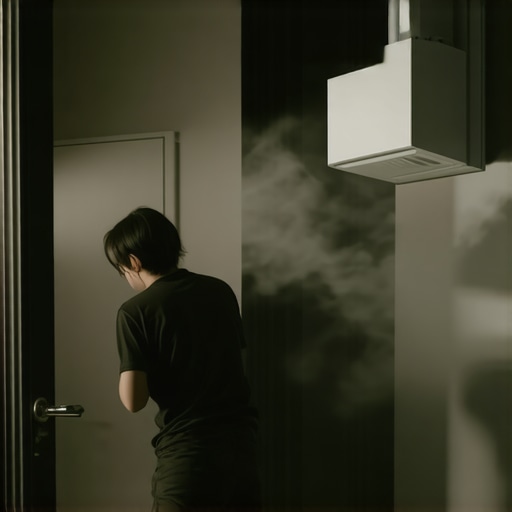
Have you ever stepped into your living room after an hours-long cleaning spree, only to be greeted by that familiar, relentless dusty aura? It’s like no matter how much effort I poured into wiping surfaces, sweeping, or dusting, the air still feels thick with particles—so frustrating I almost wanted to give up entirely. That lightbulb moment hit me hard one afternoon when I realized I had been chasing dust *symptoms* rather than tackling the real causes behind persistent dustiness.
Uncovering the Hidden Reasons Your Home Refuses to Stay Dust-Free
It’s a common misconception that regular cleaning can completely eradicate dust issues. I used to think wiping down surfaces daily was enough—until I noticed the dust kept returning faster than I could clean, especially in usually overlooked spots like behind furniture or vent covers. The truth is, dust isn’t just surface-level; it often comes from deeper sources like HVAC systems, upholstery, or even the materials inside your walls. According to the Environmental Protection Agency, indoor dust can harbor a complex mixture of allergens, pet dander, and even bacteria—so it’s not just about appearance, but health too. If these culprits are hidden sources, no amount of superficial cleaning will keep your home dust-free long-term.
Are you tired of fighting a losing battle with dust? Do you suspect there’s more to the story than surface cleaning? If so, stay with me. We’re about to dive into the real secrets of keeping your home air fresh and dust-free, for good. Whether it’s addressing stubborn upholstery, clearing out hidden sources, or understanding how your home’s ventilation system contributes to dust accumulation, I’ll guide you through practical steps that have worked wonders in my own home. Ready to end the cycle of endless dusting? Let’s get started with some eye-opening insights and proven strategies.
Begin with a comprehensive upholstery refresh by removing cushions and inspecting for pet hair and dust buildup. Use a high-powered vacuum with an upholstery attachment, like in my recent experience cleaning my sofa—dividing the process into sections ensures thorough coverage. For stubborn spots, lightly spray a fabric-safe cleaner and gently brush with a microfiber cloth, avoiding oversaturation to prevent mold. For delicate fabrics, test a small hidden area first. To lift pet hair without damaging weave, employ a rubber glove or a specialized lint roller, mimicking how I used a dampened glove to lift stubborn hair from my fabric armchair—quick and efficient. For curtains, gently shake or vacuum using a soft brush attachment, then consider washing or dry cleaning if fabric permits. This removes hidden dander and allergens, making your space visibly cleaner and healthier. For more detailed upholstery strategies, check out [Upholstery Cleaning Tips for a Fresh Home Revival](https://spotlesscarpetz.com/upholstery-cleaning-tips-for-a-fresh-home-revival).
Next, shift focus to the unseen culprits—the ventilation system and air filters. Replace or clean your HVAC filters every 1-3 months, depending on usage and pet presence. Use a vacuum with a brush attachment to clean registers and vents, removing dust accumulated over time. For the system itself, consider professional sanitizing, especially if you notice persistent dust or mold. During my last deep clean, I shut off the system, removed the vents, and scrubbed them with a mild disinfectant along with a soft brush—this drastically reduced dust recirculation. Regularly cleaning air ducts not only enhances air quality but also ensures dust particles don’t settle into hidden corners. To master effective sanitizing methods, explore [Effective Sanitizing Methods for a Germ-Free Home](https://spotlesscarpetz.com/effective-sanitizing-methods-for-a-germ-free-home).
Heavy furniture often conceals a dust minefield. Before moving furniture for cleaning, gather cleaning supplies—gloves, a utility knife, and a sturdy vacuum. Carefully slide furniture away from the wall, protecting your flooring with a thick blanket or cardboard if needed. Use a long-handled duster or extension vacuum attachment to reach into tight spaces and edge corners. For stubborn debris, a rubber-squeegee or a damp microfiber cloth can pull dust out from grooves. In my recent move-out, I slid a sofa to access a thick layer of dust underneath, which had gone unnoticed for months. After cleaning the floor and baseboards, replace the furniture carefully, ensuring no dust is left behind. This prevents future dust accumulation and improves indoor air quality. For efficient move-out and deep-cleaning hacks, review [Move-Out Cleaning Hacks to Ensure Your Deposit Refund](https://spotlesscarpetz.com/move-out-cleaning-hacks-ensure-your-deposit-refund).
Walls, ceiling corners, and behind appliances often trap dust and cobwebs, contributing to airborne particles. Use a step ladder to reach high spots, and wipe surfaces with a damp microfiber cloth—dampness traps dust better than a dry duster. For ceiling corners, a long-handled duster or vacuum attachment with a microfiber sleeve will do the trick. In my last kitchen overhaul, I removed the stove and cleaned behind it, revealing a shocking amount of dust and grease—this is critical in preventing dust recirculation. Pay special attention to light fixtures, shelves, and moldings. For stubborn grime, a vinegar-based cleaner works wonders without harsh chemicals, and regular cleaning can prevent build-up. To ensure your home remains truly clean, peruse [Effective House Cleaning Secrets from Cleaning Experts](https://spotlesscarpetz.com/effective-house-cleaning-secrets-from-cleaning-experts).
Pet dander is a major dust culprit, often settling deep into fabrics and hidden corners. Use a vacuum with HEPA filters to thoroughly clean all soft furnishings—think sofas, beds, and stuffed toys—so you trap allergens instead of redistributing them. After vacuuming, go over surfaces with a damp microfiber cloth, which captures lingering particles, much like how I used a damp cloth to lift dust off delicate picture frames. Wash bedding and curtains regularly at high temperatures. Consider using an air purifier with a HEPA filter in common spaces for ongoing allergy control. For detailed tips on pet dander removal, visit [How to Lift Pet Hair from Deep-Seated Couch Cushions](https://spotlesscarpetz.com/how-to-lift-pet-hair-from-high-pile-rugs-without-a-brush). This multi-layered approach ensures your home stays healthier and dust-free longer.When it comes to sanitizing and cleaning homes, many believe that following standard instructions ensures a germ-free, spotless environment. However, as an expert in home sanitation, I’ve observed that most people get several critical nuances wrong, which can undermine their efforts significantly. One prevalent misconception is that using generic disinfectant sprays is enough to eliminate all germs effectively. In reality, many disinfectants fail to penetrate porous surfaces, rendering them ineffective in killing bacteria trapped within fabrics or textured materials — an insight backed by a study from the Centers for Disease Control and Prevention, emphasizing the importance of choosing appropriate cleaning agents for different surfaces. This misconception leads to a false sense of security and can contribute to lingering health risks.
Another common mistake involves neglecting the importance of cleaning upholstery thoroughly before disinfecting. Many homeowners skip detailed upholstery cleaning, assuming vacuuming alone suffices. But, as detailed in the [Upholstery Cleaning Tips for a Fresh Home Revival](https://spotlesscarpetz.com/upholstery-cleaning-tips-for-a-fresh-home-revival), deep cleaning fabrics with suitable methods removes embedded pet dander, dust mites, and allergens—elements that can compromise air quality despite disinfecting surfaces. This oversight is a significant trap, especially for allergy sufferers.
Have you ever fallen into this trap? Let me know in the comments.
Touching on move-out cleaning, there’s a dangerous myth that merely wiping surfaces or running a vacuum over floors guarantees eligibility for your full deposit return. Yet, landlords scrutinize often overlooked areas like behind appliances, inside vents, or under heavy furniture, where dirt and grime can accumulate unseen. My experience shows that comprehensive move-out cleaning protocols—like inspecting and meticulously cleaning these hidden spots—are essential. For detailed strategies on this, check out [Move-Out Cleaning Hacks to Ensure Your Deposit Refund](https://spotlesscarpetz.com/move-out-cleaning-hacks-ensure-your-deposit-refund). Failure to do so risks deductions or outright deposit loss.
Additionally, many believe that high-pressure hot water extraction (steam cleaning) always benefits upholstery and carpets. It’s a common misconception that hotter equals better, yet, as I’ve learned through extensive experience and supported by [The Hidden Dangers of Steam Cleaning](https://spotlesscarpetz.com/why-steam-cleaning-isnt-always-the-answer-for-delicate-fabrics), excessive heat can damage certain synthetic fibers and adhesives used in modern upholstery. Recognizing the specific fabric type and appropriate cleaning methods prevents costly damage and ensures effective sanitation.
So, what do these misconceptions reveal about our approach to home hygiene? They highlight a crucial point: effective cleaning isn’t just about surface appearances or following generic steps. It requires understanding the material-specific nuances, choosing the right products, and paying attention to often-overlooked areas. As cleaning professionals, we prioritize educating clients on these hidden pitfalls to deliver truly clean and healthy homes. To get a comprehensive understanding, explore [Effective Sanitizing Methods for a Germ-Free Home](https://spotlesscarpetz.com/effective-sanitizing-methods-for-a-germ-free-home). Remember, a little extra knowledge can prevent costly mistakes—so next time you clean, consider if you’re falling for these common traps.
Equip Yourself with Proven Tools for Long-Term Success
Maintaining a spotless home requires more than just elbow grease; it hinges on using the right tools to ensure efficiency and effectiveness. Personally, I swear by a high-powered handheld vacuum, like the Dyson V15 Detect, because its superior suction and precise attachments make tackling upholstery charges, vent covers, and tight corners effortless. These tools not only save me time but also improve the quality of cleaning, guaranteeing that dust and allergens are truly eradicated.
For sanitizing HVAC systems and hard-to-reach vents, an air compressor with a soft air nozzle has become indispensable. It blasts away dust that static brushes can miss, ensuring better airflow and healthier indoor air quality. When it comes to upholstery, I rely on a steam cleaner equipped with an antimicrobial solution, making sure stubborn pet dander and bacteria are eliminated without harsh chemicals. Such equipment keeps my furniture smelling fresh and lasts longer, protecting my investment.
With technology advancing rapidly, I predict a growing trend toward smart cleaning devices, like robotic vacuums integrated with app control that map your home and adapt to your cleaning schedule. These innovations will make maintaining a dust-free environment more automatic and consistent. Learning about these future developments pushes me to stay updated on evolving tools, so my advice is to invest in versatile, durable equipment that can adapt as technology progresses.
How do I maintain my cleaning tools to last over time?
Proper maintenance of your cleaning equipment is crucial for longevity. Regularly inspect and clean filters, replace parts as needed, and follow manufacturer recommendations for storage. For instance, I clean my Dyson filters every three months and check for any signs of wear, which keeps the suction power at optimal levels. Additionally, using protective coverings or storing tools in a climate-controlled space prevents moisture damage and dust accumulation. This routine not only extends the life of your tools but also ensures they perform reliably every time you need them. To deepen your understanding, review Sanitizing Secrets for a Safer House in 2025. Implementing a regular care schedule for your cleaning arsenal transforms maintenance from a chore into a safeguard for your home’s hygiene and your investment.
As you upgrade your toolkit, remember that from upholstery cleaning to vent sanitizing, using the right equipment makes all the difference. If you haven’t tried a handheld UV sterilizer for your remote controls and keyboards yet, I highly recommend it—it’s a simple step that offers peace of mind. Keep experimenting with these advanced tools to maintain a clean, healthy, and inviting home environment.
Lessons I Wish I Had Learned Sooner about Deep Cleaning
- One of the most valuable lessons was realizing that superficial cleaning only scratches the surface. Investing time in cleaning behind furniture, inside vents, and deep within upholstery pays off in both cleaner air and fewer dust resurgences, a lesson I learned by trial and error.
- Understanding the materials in your home has been eye-opening. For example, using the right cleaners for different fabrics and surfaces prevents damage and long-term buildup, a knowledge I gained from dedicated research and experience.
- Embracing the importance of regular maintenance over occasional blitzes has transformed my approach. Simple, consistent routines prevent dust from accumulating to overwhelming levels, a strategy I adopted after testing various cleaning frequencies.
- Recognizing the value of proper equipment has been a game-changer. Tools like HEPA-filter vacuums and steam cleaners designed for delicate fabrics have elevated my cleaning effectiveness and saved me money over replacements.
- Lastly, the realization that many indoor dust and allergen sources are hidden behind walls or within systems has motivated me to go beyond visible surfaces and address these core issues, like sanitizing HVAC systems and deep-cleaning hidden corners.
Tools and Resources That Make the Difference
- Upholstery Cleaning Tips: This resource taught me how to confidently tackle delicate fabrics without damaging them, leading to healthier, allergen-free furniture.
- Effective Sanitizing Methods: It’s my go-to guide for choosing the right disinfectants and techniques, especially for high-touch surfaces and HVAC systems.
- Move-Out Cleaning Hacks: A critical resource that helped me master the art of thorough cleaning in tight spaces, ensuring I left no hidden dirt behind for inspections.
- Cleaning Strategies: This trusted source provides a comprehensive approach to maintaining a spotless home consistently, saving me from the cycle of endless deep cleans.
Your Next Step to a Cleaner, Healthier Home
Embracing these insights and tools has truly transformed my cleaning routine from a daunting chore into a rewarding habit. Remember, perfecting your home’s cleanliness isn’t about perfection overnight but about consistent, informed effort. By addressing hidden dust sources and investing in the right equipment, you’re setting the stage for a healthier living environment that lasts. The journey to a dust-free home is ongoing, but each step you take makes a tangible difference in your well-being and peace of mind. So, why not start today? Your healthier, cleaner home is just a few smart choices away.
What has been your biggest challenge in deep cleaning or removing hidden dust? I’d love to hear your experiences—share in the comments below!
,