
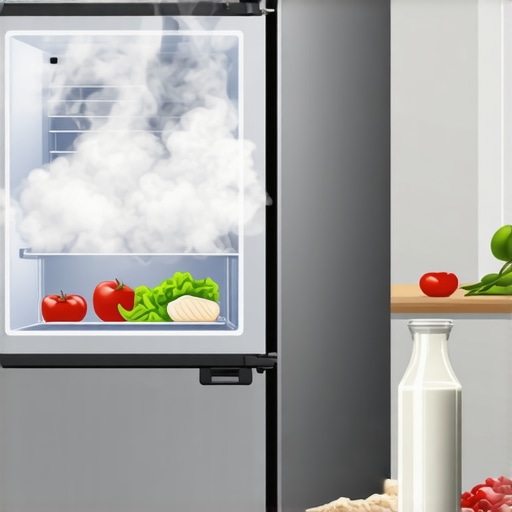
Ever had that moment of triumph—finally discarding that questionable milk lurking in the back of your fridge—and then, hours later, the smell still lingers? It’s like victory was short-lived, and you’re left questioning what went wrong. I’ve been there, too. One minute, I think I’ve sanitized everything, and the next, my kitchen smells like a dairy farm gone rogue. That lightbulb moment struck me hard: sometimes, throwing out the obvious culprit isn’t enough. There’s a deeper issue hiding behind the scenes, just waiting to sabotage your fresh-clean vibe.
Uncovering the Hidden Causes of Persistent Refrigerator Odors
So, what’s really going on? Why does that stubborn smell refuse to vanish, even after a total clean-out? It turns out, organic residues and bacteria can embed themselves in places you might not suspect—like the drip pan beneath your fridge, the door seals, or the interior crevices where crumbs and spills hide. These microscopic offenders can produce foul odors long after the source has been removed.
Early on, I made the mistake of only cleaning the visible shelves and tossing out the milk. I didn’t realize that mold and bacteria adore those tiny, damp corners. Once I started paying attention to those overlooked areas, the smell began to fade. For a thorough approach, it’s vital to sanitize those hidden spots and neutralize lingering bacteria. Want to see a comprehensive guide? Check out our sanitizing hacks for house transitions that really make a difference.
Is Using Baking Soda Enough to Banish Smells?
This is the question that trips up many homeowners. Honestly, I used to believe that tossing in a box of baking soda was the magic fix. Turns out, that’s only part of the story. Baking soda helps absorb surface odors, but bacteria lurking inside the door seals or drip pans often need a deeper clean. Plus, over-relying on it can give a false sense of security, leaving you with that persistent ‘something smells’ feeling. From my experience, combining natural deodorizers with a good thorough cleaning makes all the difference. Curious about more effective methods? Our effective house cleaning secrets provide insider tips that go beyond the usual tricks.
Deep Clean Hidden Spots
Start by unplugging the fridge and removing all removable parts like shelves and drawers. Wash these parts with warm soapy water, paying close attention to cracks and corners where spills hide. Use a stiff brush to scrub the drip pan underneath—an often-overlooked culprit where mold can accumulate, causing foul smells. After cleaning, rinse thoroughly and dry fully before replacing. During my latest move-out attempt, I pulled out the drip pan, which was coated in old residue despite the visible cleanliness of the fridge, and the difference was immediate after disinfecting that hidden space.
Sanitize Door Seals and Crevices
Next, focus on the door seals—these rubber gaskets trap crumbs and mold. Dip a cloth in a mixture of equal parts white vinegar and water, and wipe thoroughly around the entire seal. For stubborn grime, use an old toothbrush to scrub into folds. This prevents bacteria build-up that contributes to odor. Remember, these seals often harbor more dirt than the shelves themselves. Once, I spent extra time cleaning my fridge seals, and within hours, the lingering smell vanished, proving the importance of this step.
Neutralize Odors with Natural Deodorizers
Now that surfaces are sanitized, absorb any remaining smells with natural deodorizers. Baking soda is classic—a box left open in the fridge can work temporarily. However, for a long-term fix, utilize activated charcoal or layer lemon slices with a teaspoon of vanilla extract on a plate and place it inside. This not only masks odors but actually neutralizes them. In my experience, replacing these natural deodorizers weekly ensures ongoing freshness. For comprehensive guidance, check out our sanitizing hacks for house transitions.
Maintain Regular Cleaning Routines
Finally, set a schedule to prevent future odor buildup. Wipe down shelves weekly with a vinegar solution, replace deodorizer materials monthly, and check door seals periodically. Consistent maintenance is key to avoiding the residue that causes smells. Incorporate these into your daily cleaning routine for ongoing freshness—our daily house cleaning routine offers effective tips for this. Staying proactive keeps your fridge smelling clean and your food fresh, saving you time and preventing costly professional cleanings later.Many homeowners operate under the misconception that spot-cleaning or superficial wiping is sufficient for truly sanitized and fresh environments. However, this approach often overlooks critical nuances that can compromise cleanliness and health. For instance, the belief that using vinegar or lemon alone can disinfect surfaces is a common myth; while these natural agents are excellent deodorizers, they don’t consistently eliminate viruses or bacteria unless used correctly at specified strengths and contact times
Does Rinsing Surfaces Remove All Germs or Just the Visible Dirt?
Research from the CDC emphasizes that thorough scrubbing combined with appropriate disinfectants is essential to achieve effective sanitization, especially in high-touch areas like kitchen counters and bathroom fixtures. Rinsing with water alone might remove surface grime but often leaves harmful pathogens behind, creating a false sense of security
Furthermore, many assume that move-out cleaning only requires quick sweeping and wiping. In reality, professional-grade deep cleaning targets often-neglected spots such as behind appliances, inside vents, and within grout lines, which can harbor mold, bacteria, and odors. Skipping these areas can jeopardize your deposit return and compromise indoor air quality. For example, a seemingly spotless bathroom grout line that appears clean might still contain hidden mold spores that only professional tools and techniques can eliminate. This underscores the importance of specialized cleaning methods and proper training to avoid common pitfalls.
Another advanced consideration involves upholstery. Many believe that regular vacuuming suffices, but without proper extraction methods, deep-seated dust, pet dander, and allergens remain embedded. Using incorrect cleaning agents on fabrics can also cause damage or discoloration, highlighting the necessity for tailored solutions. Consulting expert resources, such as our upholstery cleaning tips, can protect your investments.
In addition, the trap of relying solely on natural deodorizers like baking soda can be deceptive. While excellent at surface odor absorption, they don’t neutralize bacteria or eradicate deep odors originating from within the structure. A comprehensive cleaning plan combines chemical disinfectants, proper ventilation, and natural deodorizers for a balanced approach.
Remember, the devil is in the details. Overlooking hidden spots or misjudging the capabilities of DIY methods can lead to recurring issues, higher costs, or health risks. Always verify your cleaning practices against expert advice and credible studies, such as those from trusted sanitizing resources.
Stay vigilant, and don’t settle for superficial cleaning. Your health and your home’s longevity depend on mastering these subtle but crucial steps. Have you ever fallen into this trap? Let me know in the comments!
Keep It Working: Essential Tools and Maintenance Strategies
Maintaining a clean and sanitized home over the long term requires more than just occasional effort; it demands the right tools, consistent routines, and knowledge of effective methods. Personally, I swear by high-quality equipment that withstands daily use and makes routine chores effortless. For example, a cordless, HEPA-filtered vacuum cleaner like the Dyson V11 has revolutionized my upholstery and carpet cleaning, capturing pet hair and allergens without damaging delicate fabrics. Its cordless design allows for quick, thorough cleanings, especially on stairs and tight corners—areas often neglected with traditional vacuums.
When it comes to sanitizing surfaces, I rely on an ultrasonic sterilizer. This device uses high-frequency soundwaves to eliminate bacteria from small objects like remote controls and baby toys—something I discovered during my research in future-proof sanitizing techniques. While natural remedies like vinegar are great for deodorizing, they don’t meet professional standards for pathogen elimination; investing in a reliable ultrasonic device ensures peace of mind for high-touch items.
Where do I keep up with long-term results?
Consistency is key. I set weekly reminders to inspect and replace worn-out tools, like scrub brushes and microfiber cloths, which lose effectiveness over time. Additionally, I schedule monthly deep-cleaning sessions using professional-grade equipment like steam cleaners that can sanitize carpets, mattresses, and upholstery without harsh chemicals. Such devices not only remove deep-seated dirt but also neutralize odors, prolonging the freshness of fabrics—think of this as an investment in your home’s future health.
Looking ahead, I believe the trend will favor smart cleaning gadgets, integrated with AI to monitor cleanliness levels in real-time. Smart sensors could alert you when your air filters or humidifiers need maintenance, preventing issues before they escalate. Already, tools like the Xiaomi Mi Home Air Purifier feature app-enabled controls and diagnostics, aligning with this trend. Embracing these innovations can elevate your maintenance game without adding stress.
How do I maintain my cleaning arsenal over time?
Start by establishing a routine inspection of your tools—check vacuum filters, replace worn brushes, and ensure all disinfectants are within their shelf life. Proper storage is equally vital; keeping supplies away from humidity and direct sunlight preserves their efficacy. Remember, using the right chemicals and equipment in the correct manner maximizes their lifespan and performance—skimping here can lead to subpar results and increased costs in the long run. For detailed tips on maintaining your cleaning tools, visit our daily routine guide.
If you want to take your cleaning routine a notch higher, I recommend trying a professional-grade steam cleaner that attaches directly to your mop or vacuum. Not only does this streamline the process, but it guarantees a level of sanitation that DIY methods simply can’t match. Remember, integrating high-quality tools with consistent routines is the surest way to keep your home truly clean and bacteria-free over time. Curious about how these tools can transform your cleaning regimen? Explore our expert-approved cleaning secrets to learn more.
Lessons Learned from Deep Cleaning My Kitchen
The hardest lesson I discovered was that surface cleaning alone isn’t enough; hidden bacteria and residues can linger in unseen corners, causing persistent odors and potential health risks. I used to think wiping down shelves was sufficient, but I learned the importance of sanitizing drip pans and door seals—these spots harbor mold and grime that revitalized my understanding of clean.
Another insight was that relying solely on natural deodorizers like baking soda might mask odors temporarily but doesn’t neutralize bacteria. Combining deep cleaning with natural repellents creates a fresh, lasting environment. A personal lightbulb moment was realizing that regular maintenance routines prevent buildup, saving time and money in the long run.
Finally, consulting credible resources, such as our sanitizing hacks for house transitions, helped me refine my approach, emphasizing the importance of thoroughness over shortcuts—this ensures a healthier, odor-free home.
Tools and Tips That Transformed My Cleaning Game
I trust high-quality equipment like the Dyson V11 cordless vacuum for quick, effective carpet and upholstery cleaning because it captures allergens without damaging fabrics. For sanitizing smaller items, an ultrasonic sterilizer was a game-changer, ensuring high-touch objects like remote controls are truly germ-free, as detailed in our future-proof sanitizing techniques.
To keep my tools in peak condition, I perform routine inspections, replacing worn brushes and filters, and store supplies properly, which prolongs their effectiveness. Incorporating smart gadgets, such as app-enabled air purifiers, further enhances my indoor environment—emphasizing that integrating technology into cleaning routines is the way forward.
Embracing professional-grade steam cleaners has allowed me to maintain deep sanitation effortlessly, especially in high-use areas. For personalized tips on tool maintenance, I recommend our daily routine guide, which has helped me sustain long-term cleanliness and peace of mind.
Empower Your Cleaning Journey Today
Achieving a truly clean, odor-free kitchen isn’t just about quick fixes but understanding the hidden culprits and employing the right tools with consistent routines. If I’ve learned anything, it’s that attention to detail and proactive maintenance make all the difference. Why not start today, incorporating these insights, and experience the satisfying freshness of a genuinely clean home? Need more guidance? Explore our expert-approved cleaning secrets to elevate your routine.