
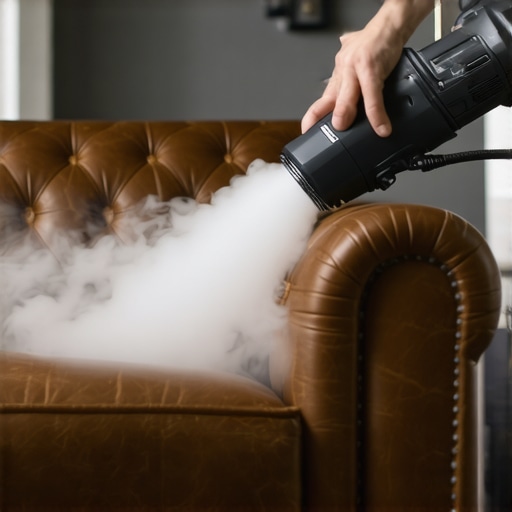
It was a morning like any other, except I had just spent the previous evening meticulously cleaning my new leather sofa with a rented steam cleaner. As I watched a fog of grey water seep from the machine onto my pristine upholstery, a sick feeling crept in. That moment—seeing my investment turn dull and dingy—was a major lightbulb. I realized I had been wrong all along.
The Hidden Damage of Steam Cleaning Leather
Many folks assume that steam cleaning is a safe, effective method to sanitize and freshen their furniture. But when it comes to delicate leather, that couldn’t be further from the truth. Leather is a natural material that reacts badly to excessive moisture and heat, which can cause discoloration, cracking, and mold growth. I learned this lesson the hard way, making an early mistake that almost cost me my sofa. And trust me, once damage is done, reversing it can be almost impossible. Today, I want to help you avoid that mistake and show you why steaming isn’t the gentle cleanse your luxury furniture needs. If you’ve ever wondered whether that fancy steam cleaner is worth the risk, read on for some eye-opening insights.
Is Steam Cleaning Really Worth the Hype?
Many assume that a quick blast of steam is enough to disinfect and remove dirt. But studies, like those discussed in professional upholstery care guides, show that heat and moisture can exacerbate damage rather than prevent it. My biggest mistake was trusting the marketing hype without understanding how steam interacts with leather fibers. This oversight led to uneven patches and a faded surface, which I could have avoided if I had known better. So, are you risking your sofa’s lifespan every time you reach for that steaming device? Let’s explore why this might be one of the costliest cleaning shortcuts you take.
Prepare Your Workspace and Gather Supplies
Start by clearing the area around your leather furniture or surfaces to avoid accidental spills or damage. Gather gentle cleaning agents like a damp microfiber cloth, a mild leather cleaner, and optional natural disinfectants such as diluted white vinegar or witch hazel. Have a soft towel, a plastic scraper for stubborn spots, and a dry cloth ready. I once attempted to clean my leather sofa hastily, resulting in streaks; organizing my supplies beforehand saved me from that mistake and ensured an even, safe clean.
Test a Small Hidden Area First
Before applying any cleaning solution widely, test it on an inconspicuous part of the leather, like the underside or behind a cushion. Dampen a cloth with your cleaner and gently rub the spot. Wait a few minutes to observe any adverse reaction such as discoloration or texture change. This step is crucial to prevent damage, especially with natural leather, which can react unpredictably. During my own test, I discovered that some vinegar-based solutions caused the leather to dry out, prompting me to switch to a specially formulated leather cleaner, which preserved the material’s integrity.
Clean with Gentle Motions
Use a soft microfiber cloth slightly dampened with a mixture of water and mild soap or leather-specific cleaner. Wipe the surface gently in circular motions, focusing on high-traffic spots or areas with visible stains. Avoid oversaturating the leather, as excess moisture can cause discoloration or mold formation. Think of cleaning leather like exfoliating delicate skin: gentle strokes are more effective and less damaging. I learned this firsthand when I scrubbed too hard during a move-out clean, resulting in surface cracks. Now, I focus on gentle, consistent pressure for better results.
Disinfect Without Harsh Chemicals
For sanitizing, natural solutions like diluted white vinegar or isopropyl alcohol (70%) can be effective without risking leather damage. Lightly spray or dampen a cloth with the solution and wipe the surface. Always avoid soaking the leather. These methods are safer than aggressive disinfectants that can strip oils or dry out the material. When I cleaned my leather couch after a family visit, using a diluted vinegar solution helped eliminate germs without causing any harm or dullness to the surface.
Address Stubborn Stains Carefully
If you encounter tough marks like ink or grease, try a small amount of baking soda or a specialized stain remover designed for leather. Gently rub with a soft cloth or a microfiber towel. For oily stains, a little cornstarch can absorb excess grease. Always test first to ensure there’s no adverse reaction. I once removed a wine spill by gently applying a leather-safe stain remover, avoiding aggressive scrubbing which could have torn the material. Patience and proper products make a significant difference.
Let Leather Rest and Protect It
After cleaning, allow the leather to air dry naturally, away from direct heat or sunlight. Once dry, treat the surface with a leather conditioner to restore moisture and flexibility. Regular conditioning prolongs the lifespan of your furniture and keeps it looking vibrant. I learned this trick after noticing my leather’s dull appearance; conditioning revived its natural sheen and suppleness, making it feel like new again. For ongoing maintenance, incorporate routine cleaning using strategies from this guide for lasting results.Many homeowners believe that following conventional cleaning routines suffices for a truly clean and germ-free environment. However, as an expert in professional cleaning techniques, I’ve found that common practices often miss nuanced details that can compromise effectiveness. For instance, a widespread myth is that using disinfectant sprays alone guarantees sanitation, but studies, like those referenced in the Effective Sanitizing Methods for a Germ-Free Home guide, show that mechanical cleaning combined with disinfectants significantly improves pathogen removal.
A critical mistake many make is neglecting the importance of proper contact time when applying disinfectants. Simply spraying and wiping doesn’t ensure germs are eradicated; products require a specific dwell time to be effective. Additionally, overusing cleaning chemicals without understanding their interactions can damage surfaces or create harmful residues. For example, mixing bleach with vinegar releases toxic chlorine gas, a dangerous oversight that I’ve seen cause serious health risks—even though it’s a common mistake.
Beyond surface cleaning, advanced professionals emphasize the value of targeted approaches for high-touch areas like doorknobs and light switches. Regularly disinfecting these hotspots can drastically reduce germ transmission, but only if cleaning is performed correctly. This involves using appropriate tools, such as microfiber cloths, which have superior particle retention, as discussed in Sanitizing Your Home Office After a Winter Flu.
Another underestimated aspect is the timing and sequence of cleaning tasks — a concept often overlooked by DIYers. Starting from the top-down and moving towards the center ensures dust and debris are collected and contained, not spread throughout the cleaned area. This systematic approach, detailed in House Cleaning Strategies for a Sparkling Home Today, prevents cross-contamination and enhances overall hygiene.
If you’re preparing for a move-out, missing out on thorough cleaning steps can jeopardize your deposit recovery. Recognizing the subtle but significant differences in cleaning effectiveness can be the key to success, as highlighted in Move-Out Cleaning Strategies to Secure Your Deposit.
So, the next time you think upgrading to stronger chemicals or rushing through chores will keep your home safe, remember that understanding these hidden nuances—like dwell times, surface interactions, and task sequences—is crucial. Have you ever fallen into this trap? Let me know in the comments.
Keep Your Equipment in Peak Condition
Ensuring your cleaning tools perform optimally over time begins with proper maintenance. For example, I swear by using a high-quality microfiber mop like the Microfiber Magic for floors because of its durability and superior dirt pickup. Regularly washing and replacing mop heads prevents bacteria buildup and maintains their efficacy. Similarly, vacuum filters should be checked monthly; a dirty filter hampers suction and spreads dust, which is why I opt for models with HEPA filters like the Dyson V11. When properly maintained, these tools offer consistent results, reducing the need for deep-cleaning sessions, and extend their lifespan—saving you money in the long run.
Don’t Overlook Chemical Storage and Quality
Using professional-grade cleaners, such as eco-friendly disinfectants with proven efficacy, ensures your sanitation efforts are effective without compromising your family’s health or your surfaces. As highlighted in the Effective House Cleaning Secrets from Cleaning Experts, storing chemicals in labeled, child-proof containers and replacing them regularly prevents mishandling or degradation that diminishes effectiveness. Investing in quality cleaning solutions like EcoClean Natural Disinfectant can be a game-changer in maintaining hygiene over time, especially when combined with proper application tools.
Choosing the right tools also means having a central place to organize them, which simplifies routine maintenance. A sturdy caddy or wall-mounted organizer keeps brushes, sprays, and rags accessible, reducing the chance of neglecting essential tasks. For larger equipment, scheduled inspections—like checking for clogged vents or worn belts in carpet cleaners—can prevent breakdowns and maintain peak performance, as specified in this detailed guide on cleaning machine maintenance. Regular upkeep not only prolongs equipment lifespan but also ensures your cleaning is thorough each session.
Prioritize Digital Solutions for Scheduling and Records
The trend in home maintenance is shifting toward digital management. I personally rely on apps like HomeSmarts to track cleaning routines, maintain service logs, and set reminders for replacing filters or deep-cleaning specific areas. These tools make it easier to stay consistent and prevent tasks from slipping through the cracks. Plus, many apps now integrate with smart home devices, allowing you to automate scheduling, which is perfect for busy households. Predicting the future, I believe AI-powered scheduling assistants will become even more personalized, analyzing your home’s usage patterns for optimal maintenance timing, greatly reducing wear and tear.
Throughout my journey with home cleanliness, I uncovered some surprising lessons that transformed my approach to maintaining leather furniture and ensuring a truly sanitized home. These insights highlight that what we often overlook can have the biggest impact on our spaces and peace of mind.
Lessons That Changed My Cleaning Perspective
- Steaming Isn’t Always Soothing: I learned the hard way that high temperatures and moisture can damage delicate leather, causing discoloration and cracks. Less aggressive cleaning methods are often far more effective and safer for longevity.
- Test Before You Trust: A simple patch test on an inconspicuous area prevented me from ruining my sofa. Small precautions go a long way in avoiding costly mistakes.
- Quality Over Quantity in Products: Using premium, leather-specific cleaners preserved my furniture’s integrity. Investing in the right tools makes a tangible difference in outcomes.
- Routine Maintenance Matters: Regular conditioning and gentle cleaning safeguard against wear and tear, extending furniture lifespan and preserving its appearance.
- Disinfecting Is More Than Splashing: Proper dwell times, appropriate contact, and targeted cleaning ensure germs are truly eliminated—crucial in a home environment.
Tools and Resources I Recommend for Lasting Results
- Ultimate Upholstery Care Guide: A comprehensive resource that demystifies leather maintenance with expert advice.
- Effective Sanitizing Methods: This guide offers proven techniques for safe and effective home disinfection, tailored for different surfaces and materials.
- Daily House Cleaning Routine: Maintaining a clean home is about consistency; this routine keeps dirt and germs at bay without overwhelming your schedule.
- Cleaning Strategies for a Sparkling Home: Elevate your cleaning game with strategic tips for maintaining every room’s freshness.
Embrace the Power of Knowledge and Action
Taking control of your cleaning routine begins with understanding the subtle nuances that influence results. Whether it’s selecting the right products or adopting a gentle touch, each step builds confidence and ensures your home feels inviting and safe. Remember, the difference between good and great cleaning lies in your commitment to continuous learning and thoughtful execution.
Are there particular cleaning challenges you’ve faced with leather furniture or home sanitation? Share your experiences below—I’d love to hear what’s worked—or what’s surprised you along the way.