
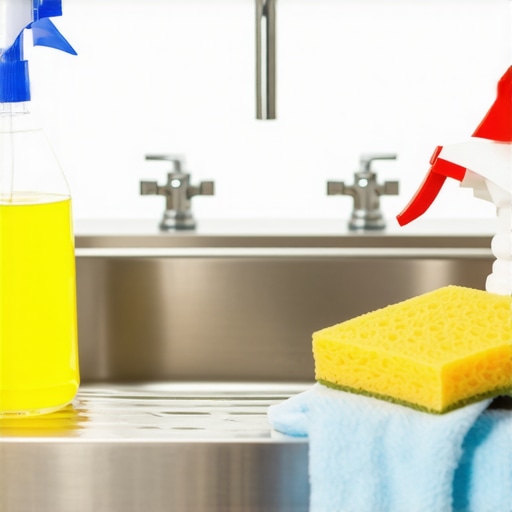
I used to think that as long as my kitchen looked clean during the day, I was doing enough. That is, until I noticed a odd smell wafting up from the sink after a long day’s work. One evening, I finally peeked under the faucet and was stunned to see a layer of grime and even some slimy residues I hadn’t noticed before. That lightbulb moment made me realize: neglecting our kitchen sinks can be a silent breeding ground for bacteria and mold, contributing to more than just unpleasant odors.
The Hidden Dangers Lurking in Your Sink
The kitchen sink is one of the most used spots in the house, yet it’s often overlooked when we think about cleaning and sanitizing routines. Regular cleaning doesn’t cut it — bacteria like Salmonella and E. coli can thrive in moist, shady areas if not properly disinfected overnight. According to a study by the American Journal of Infection Control, kitchen sinks can harbor bacteria up to 1,000 times more than toilet seats. That’s an eye-opening shocker, isn’t it?
Is Nightly Sanitizing Really Necessary?
Initially, I thought it was overkill. But after experiencing a sudden stomach bug I couldn’t shake, I traced it back to the kitchen sink. I realized that my quick wipe-downs weren’t enough. Making it a nightly ritual to sanitize the sink significantly reduces the risk of these hidden microbes spreading. Plus, it helps keep your kitchen smelling fresh and inviting.
Have you ever had a day where you noticed an odd smell emanating from your sink, only to dismiss it as normal? Well, I’ve been there, and I can tell you — ignoring it isn’t the answer. Regular nightly sanitation is a simple step that can drastically improve your home’s health.
Now, let’s move into the practical side of things. In the next section, I’ll share my favorite tips and tricks to keep your sink spotless and bacteria-free, so you can breathe easier knowing your kitchen isn’t a hidden health hazard.
Begin with a Clear and Organized Workspace
Before you start, clear the sink area of dishes, utensils, and debris. This simple step prevents interference and helps you focus solely on sanitizing. I recall a time I left clutter around, which resulted in missing spots—once I disciplined my space, cleaning became more efficient.
Choose the Right Cleaning Agents
Gather a disinfectant (like diluted bleach or a commercial sanitizer), baking soda, and white vinegar. Think of cleaning like preparing a recipe: each ingredient serves a purpose. Vinegar, for example, breaks down mineral deposits, while baking soda acts as a gentle abrasive.
Flush and Rinse Thoroughly
Run hot water to flush out loose dirt and warm the pipes. This is akin to warming up your engine before a long drive—it primes the system for better cleaning. For a better effect, spray the sink with hot water and let it sit for a minute.
Scrub the Surfaces Effectively
Apply baking soda directly onto a damp sponge or cloth. Scrub around the sink’s edges, faucet, and drain. Use a toothbrush for tight spots, much like cleaning the grout between tiles. I remember tackling stubborn grime in my sink, which took some elbow grease—wear gloves and put your back into it.
Manage Hard-to-Reach Areas
Pay special attention to the faucet handles and base, where grime accumulates unseen. Use an old toothbrush dipped in vinegar to loosen buildup. This targeted approach prevents bacteria buildup in hidden spots.
Sanitize with Disinfectant
Spray your chosen sanitizer over all surfaces, making sure to cover the drain and faucet handles. Think of this as giving your sink a protective shield, much like a soldier’s armor. Let it sit for the recommended contact time—usually around 10 minutes—so microbes are effectively killed.
Rinse and Dry for a Sparkling Finish
Rinse the entire sink with hot water to wash away residue and disinfectant. Then, dry with a clean microfiber cloth to prevent water spots. It’s the polishing step, leaving your sink shining and bacteria-free. I noticed that a proper dry not only enhances appearance but also prolongs the life of your fixtures.
Optional Deep Clean for Persistent Stains
For tough stains or mineral deposits, make a paste of baking soda and water. Apply to the affected area and let sit for 15 minutes before scrubbing. This method is akin to peeling off a stubborn sticker—gentle but effective. Regular maintenance combined with these steps reduces odors and microbial growth, making your kitchen safer and more pleasant. For a comprehensive sanitation routine, consider integrating insights from sanitizing hacks—an essential part of housecleaning. Implementing these steps transforms your sink into a germ-free zone, boosting your confidence and home hygiene.While many believe that a quick wipe-down keeps their home spotless, the reality is far more nuanced. A common myth is that using just soap and water suffices for sanitation; however, without proper disinfectants targeted at bacteria and viruses, you’re leaving microscopic threats behind. For instance, over-relying on vinegar for cleaning can actually damage certain surfaces, like natural stone countertops, as detailed in a study by the Environmental Protection Agency. Moreover, many homeowners underestimate the importance of attention to detail in move-out cleanings, often neglecting under appliances or behind cabinets, which are hotspots for hidden grime and pests. Moving beyond basic routines, expert-approved techniques involve layered cleaning practices—first removing debris, then disinfecting, and finally polishing to prevent microbial recolonization. Common mistakes include using abrasive tools on delicate upholstery, risking tears or discoloration, underscoring the need for knowledgeably tailored cleaning methods.
What advanced strategies can you implement to ensure comprehensive sanitation without damaging your belongings?
Applying proper cleaning sequences and understanding material sensitivities can dramatically elevate your home’s hygiene standards. For example, integrating steam cleaning into upholstery maintenance can obliterate dust mites and bacteria more effectively than conventional vacuuming, a technique supported by research from the National Institutes of Health. Be cautious, though: using harsh chemicals on certain fabrics may accelerate wear or cause discoloration, emphasizing the importance of expert guidance. Are you aware of all the spots in your home that quietly harbor dirt and microbes? Check out detailed guides on effective house cleaning secrets from cleaning experts and stay ahead of health hazards. Remember, mastering these nuanced aspects of cleaning not only Maintains a pristine environment but also safeguards your health—don’t overlook these critical details. Have you ever fallen into this trap? Let me know in the comments.Achieving a spotless and sanitized home isn’t just about the initial deep cleaning; it’s about maintaining your efforts with the right tools and techniques. I personally swear by using microfiber mops for floors, as they trap dust more effectively than traditional cloths, and they’re reusable, making them environmentally friendly. For upholstery, I recommend a handheld steam cleaner like the Bissell SteamShot because it kills bacteria and dust mites without harsh chemicals. Regularly inspecting and replacing HEPA filters in your vacuum ensures optimal air quality and prevents recirculation of dirt, an often-overlooked aspect of home hygiene. With advances in technology, smart cleaning devices are emerging, such as robotic vacuums equipped with mapping features, which allow for scheduled runs, ensuring your floors stay clean daily without extra effort. In the future, I predict integration of AI in cleaning systems will become standard, providing even smarter maintenance schedules tailored to your home’s specific needs.
How do I maintain my cleaning tools and systems over time?
Proper maintenance involves consistent cleaning of your microfiber cloths and mops to prevent bacterial buildup—a practice I follow religiously by boiling them weekly. Regularly checking and replacing filters is crucial; clogged filters reduce suction power in vacuums and can reintroduce dust into the air. Scheduling monthly deep cleanings of your steamers and vacuums prolongs their lifespan and ensures they’re functioning at peak performance. Additionally, updating the software of robotic cleaners keeps them efficient and integrated with your smart home network. Remember, even the best tools need attention—neglect leads to ineffective cleaning and potential damage, which ultimately compromises the long-term hygiene of your space. For detailed guidance on upholstery maintenance, visit these upholstery cleaning tips. Embrace these practices, and your home will thank you with a healthier, more inviting ambiance.
Lessons Only Experience Can Teach About Kitchen Hygiene
- One of the toughest lessons I learned was to respect the power of routine. What seemed like a simple nightly wipe evolved into a full-scale disinfection process once I saw how bacteria lurked in unseen corners, reminding me that consistency is key in maintaining a healthy home.
- I’ve come to realize that shortcuts often come at a cost. Skipping steps like thorough scrubbing or proper disinfectant use might save time, but it can leave microbial dangers behind, stressing the importance of patience and attention to detail in cleaning routines.
- Sometimes, our instincts betray us. I used to believe that just removing visible grime was enough, but the hidden microbial threats taught me that sanitizing beyond sight is essential for genuine safety and cleanliness.
Tools and Resources That Transformed My Approach to Cleaning
- Microfiber dual-purpose cleaning cloths have been a game-changer. They trap bacteria more effectively and are reusable, making my cleaning both efficient and eco-friendly. I’ve trusted them based on their proven effectiveness, which you can see more about here.
- In my arsenal, a good quality steam cleaner has made a noticeable difference. It kills microbes without harsh chemicals, aligning with my goal of sustainable cleaning. I recommend researching models like Bissell SteamShot for comprehensive home sanitizing, which I’ve found reliable.
- The official CDC guidelines on disinfecting surfaces have also been instrumental. They emphasize proper contact times and methods, helping me avoid common pitfalls like inadequate sanitation or chemical misuse. A quick online review of these guidelines can set you on the right path.
- Lastly, a trusted local professional cleaning service provided invaluable tips and techniques beyond my DIY efforts. Certifications and customer reviews convinced me to turn to experts when tackling stubborn grime or conducting move-out cleans, understanding that sometimes professional expertise makes all the difference.
Your Next Clean Break Starts Today
Embracing these personal insights and trusted resources has truly elevated my home hygiene game. Remember, every small effort in maintaining a bacteria-free environment contributes significantly to your family’s health. Now, it’s your turn: what’s the one cleaning tip that transformed your routine? Share your story below and keep inspiring others to create safer, cleaner homes.