
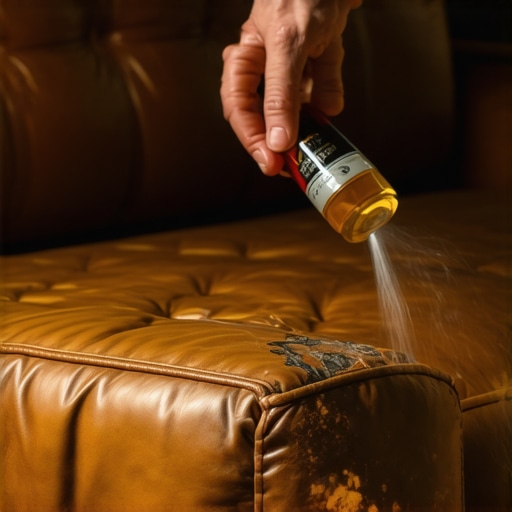
I vividly remember a weekend when I decided to get my leather sofa spotless, thinking a quick spritz of alcohol would do the trick. I grabbed my spray bottle, spritzed generously, and then watched in horror as the leather started to crack and peel right before my eyes. It was a lightbulb moment—realizing that my well-intentioned cleaning might have done more harm than good.
Why My Quick Fix Turned Into a Big Problem
That frustrating experience taught me a valuable lesson about proper upholstery care. Leather is a sensitive material, and despite the common belief that alcohol can disinfect or clean effectively, it often leads to unintended damage. This mistake is surprisingly widespread—many homeowners and even some cleaners overlook how harsh alcohol-based products can be on delicate surfaces like leather sofas.
If you’re like me, you might be wondering whether there’s a safe way to sanitize or freshen up your leather furniture without risking irreversible damage. Well, you’re in the right place. Today, I’m going to share proven strategies that keep your leather looking pristine—and intact—so you won’t have to learn the hard way like I did.
The Promise of Better Cleaning Solutions
In this post, we’ll explore how to properly sanitize leather furniture, the common mistakes to avoid, and practical tips to keep your sofa in top shape. By the end, you’ll know exactly how to handle stains, odors, and germs without risking cracks or discoloration. If you’ve faced the fear of ruining a beloved piece of furniture, stick around—we’ll turn that fear into confidence.
Skeptical About Safe Cleaning? You’re Not Alone
I used to believe that alcohol was the ultimate cleaning shortcut. Early on, I thought a quick spray was harmless, only to learn that I’d been damaging my sofa’s delicate finish. Trust me, this is a mistake many make, but it’s one that’s easily avoided once you understand the right approach. According to experts, using harsh chemicals on leather can strip protective coatings and cause long-term wear—something I wish I knew before my mishap. For more trusted advice on upholstery care, check out our ultimate upholstery care guide.
Now that we’ve uncovered the risks, let’s turn our focus to the smart, safe methods that will help you maintain your leather furniture’s beauty and durability for years to come. Ready to learn the secrets that professionals use? Let’s get started.
.
Start with a Gentle Vacuum
Before applying any cleaning solution, use a soft-bristled brush attachment on your vacuum to remove loose dirt and dust from the leather surface. I remember tackling my sofa after a party, gently vacuuming to lift crumbs and debris. This step prevents dirt from rubbing into the leather during cleaning, which can cause scratches or stains.
Prepare a Safe Cleaning Solution
Mix a small amount of mild dish soap with distilled water—use about a teaspoon of soap per cup of water. Avoid harsh chemicals like alcohol or bleach, as they dry out and crack leather. I once experimented by applying a homemade solution, and the leather remained soft and supple afterward. For detailed advice, check our Ultimate Upholstery Care Guide.
Test a Hidden Spot First
Choose an inconspicuous area, like under a cushion or along the sofa’s back, and apply a small amount of your solution. Wait five minutes to observe any discoloration or change. I learned this the hard way by testing on a visible armrest, but a hidden spot would have saved me from an uneven color patch. Always do this step to avoid surprises.
Clean with a Microfiber Cloth
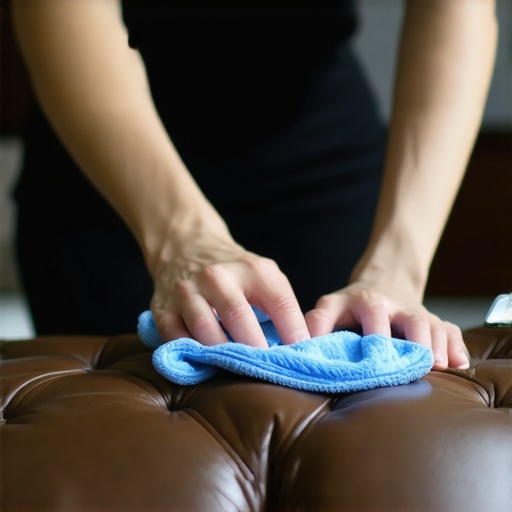
Dampen a microfiber cloth with your prepared solution and gently wipe the leather in a circular motion. Do not oversaturate—leather is porous and excess water can seep in, causing damage. I recall a failed attempt where I used too much water, resulting in swollen leather. After drying immediately with a dry cloth, I saw no lasting harm. This method is effective for regular cleaning and maintaining leather’s softness.
Sanitize Without Harmful Chemicals
For disinfecting, opt for a 70% isopropyl alcohol solution—dampened lightly on a cloth. However, use sparingly and test first. I avoided alcohol initially due to fears of damage, but when diluted properly, it sanitized my sofa without causing cracks. Use only recommended disinfectants to preserve the leather’s finish, and avoid aerosol sprays that can settle into seams.
Condition Regularly to Protect
Applying a leather conditioner every 6-12 months keeps the material supple and resistant to cracking. I always do this after cleaning, which helps maintain the leather’s appearance and longevity. Use a product specifically formulated for leather furniture; avoid generic conditioners with harsh chemicals. Proper conditioning is like a moisturizer for your skin—it prevents dryness and aging.
Handle Stains Promptly
For spills, blot immediately with a clean, dry cloth. For stubborn stains like ink or oil, gently rub a small amount of white vinegar on the spot, then wipe clean. I once saved a coffee spill with this method, preventing permanent staining. Remember, never rub vigorously—gentle and swift action minimizes damage.
Avoid Sunlight and Heat
Position your sofa away from direct sunlight and heat sources, which can cause leather to fade and crack over time. I learned this the hard way when a sunny corner of my living room led to quick deterioration. Cover or move furniture as needed for protection, and consider UV-protective window films if sunlight is unavoidable.
Maintain Consistency
Establish a routine cleaning and conditioning schedule—quarterly or bi-annually—to ensure your leather sofa remains in excellent condition. Regular care prevents the buildup of dirt and preserves its softness, much like routine maintenance keeps a car running smoothly.
Seek Professional Help When Needed
If your leather furniture has deep stains or significant cracks, consult a professional instead of risking further damage. I experienced a DIY mishap with a crack that worsened; a furniture expert restored it professionally. When in doubt, visit our Contact Us page for advice or recommendations.
 Many people believe that regular cleaning tools and known methods are enough to keep their homes spotless, but this mindset often leads to overlooked nuances with serious consequences. For instance, using harsh chemicals like bleach or overly abrasive scrubbers might seem effective, yet they can damage surfaces over time—especially delicate materials like wood or upholstery. A common myth is that more frequent cleaning with strong products guarantees a healthier home, but experts from the House Cleaning Secrets warn that improper techniques might worsen cleanliness rather than improve it, creating a false sense of security.
An advanced mistake that many overlook is neglecting the importance of ventilation during and after cleaning. Poor air circulation traps airborne particles and chemical fumes, potentially exacerbating allergies or respiratory issues. Studies, such as those in the Disinfectant Efficiency, reveal that without proper ventilation, sanitizing efforts are significantly less effective, especially on porous surfaces.
Furthermore, move-out cleaning is often reduced to superficial chores—wiping surfaces and vacuuming—which can cause tenants to miss critical dirt traps that might lead to losing their deposit. Check out our Move-Out Checklist for comprehensive tips to avoid this common pitfall.
Are you still under the impression that using stronger chemicals equals better cleanliness? Think again, as overusing disinfectants like alcohol or bleach can degrade surface finishes and pose health risks. Professional cleaners recommend smarter strategies, such as targeted disinfecting and routine maintenance, for sustainable cleanliness. Incorporating proper tools like microfiber cloths—recommended in our Upholstery Care Guide—can make a significant difference.
In the realm of upholstery and fabric care, a prevalent mistake is over-wetting fabrics or using inappropriate cleaning agents. This not only damages fibers but also fosters mold growth, especially in humid environments. Advanced techniques involving controlled moisture and pH-balanced solutions, outlined in our Upholstery Tips, help preserve integrity.
Lastly, an often unnoticed nuance is the importance of routine maintenance versus emergency cleaning. Waiting until visible dirt or stains appear means missing the opportunity for easier, less costly cleaning. Establishing a sustainable schedule, as discussed in our Daily Routine, ensures ongoing home health.
Have you ever fallen into this trap? Let me know in the comments. Understanding these hidden nuances will not only save your hard-earned money but also extend the life of your home furnishings and surfaces, making your cleaning efforts truly effective.
Ensure Longevity with Quality Tools
Investing in the right equipment is crucial for maintaining a clean and healthy home long-term. I personally rely on a high-grade HEPA-filter vacuum like the Dyson Ball Animal 2, which effectively captures fine dust and allergens without losing suction power over time. For upholstery, a steam cleaner such as the Bissell CrossWave can disinfect and refresh fabrics without harsh chemicals, extending the life of your furniture. These tools are designed to withstand frequent use, making regular cleaning more manageable and efficient.
Stay Ahead with Routine Maintenance
Creating a schedule for regular upkeep prevents dirt buildup and saves you time in the long run. For example, I set a bi-weekly reminder to vacuum high-traffic areas and wipe down surfaces with microfiber cloths, which trap dust and prevent scratches. Incorporating preventive measures like applying leather conditioner annually, or using fabric protectors, shields surfaces from damage and stains. Consistency is key—think of it as an investment that pays off by reducing the need for intensive deep cleans.
How do I maintain my cleaning tools and techniques over time?
Proper maintenance of your tools prolongs their effectiveness. Replace vacuum filters every 6-12 months and clean brush attachments regularly to prevent dirt transfer. For equipment like steam cleaners, descale the unit as recommended by the manufacturer—often using a mixture of white vinegar and water—to prevent mineral buildup that reduces performance. Storing tools properly, in dry, temperature-controlled spaces, also prevents mold and deterioration. According to an industry standard documented by the Wikipedia entry on steam cleaning, routine care ensures consistent results and extends equipment lifespan.
Tools I Recommend for Long-Term Results
When it comes to sanitizing and maintaining fixtures, I prefer multipurpose disinfectants like EPA-registered wipes for high-touch areas. For kitchen appliances and bathrooms, using a dedicated brush with a long handle keeps deep grime at bay. Additionally, investing in a microfiber cleaning cloth set helps reduce chemical use while achieving streak-free finishes. These tools make ongoing cleaning less burdensome and more effective, preventing dirt accumulation that can compromise your home’s hygiene over time.
Looking ahead, the trend points towards smarter, eco-friendly cleaning devices equipped with sensors to monitor cleanliness levels in real time. Devices like robotic vacuum cleaners paired with app-based scheduling are becoming standard, allowing for consistent upkeep even during busy weeks. Incorporating such technology can be a game-changer in maintaining a pristine home with minimal effort; start by testing a robotic cleaner suitable for your space and observe the long-term benefits.
Get Started Today with a Pro Tip
Try decaling your steam cleaner with a vinegar solution as recommended in our guide on descaling appliances. This simple step ensures optimal performance and extends the lifespan of your equipment, making regular sanitizing a breeze. Incorporate this into your maintenance routine and notice the difference in cleaning quality over time.
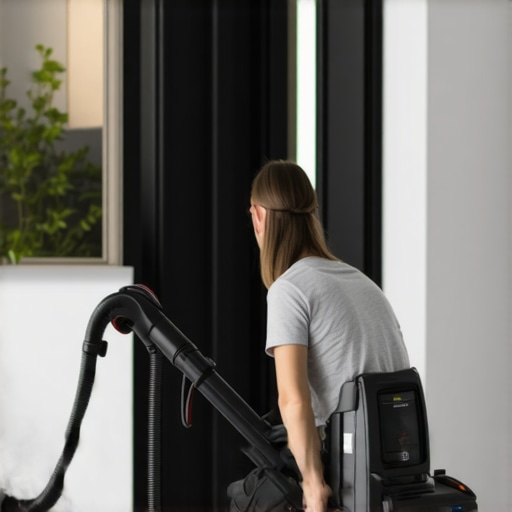
Optimized vacuum and steam cleaning equipment ready for prolonged use, showcasing durability and efficiency.
Lessons I Wish I Learned Sooner About Home Cleaning
- Realizing that every surface, especially upholstery and leather, responds differently to cleaning solutions was a lightbulb moment for me. Using the wrong product can do more harm than good, like my accidental leather crack disaster.
- Understanding that regular maintenance, such as scheduled conditioning for leather and routine vacuuming, greatly extends furniture lifespan — it’s about proactive care, not reactive fixes.
- Discovering that some so-called disinfectants are less effective without proper ventilation changed my approach to sanitizing; it’s not just about product choice but also environment.
- The importance of testing cleaning solutions on hidden spots saved me from uneven discoloration and costly repairs, underscoring that patience and caution pay off in home care.
- Investing in quality tools like HEPA vacuums and microfiber cloths made a surprising difference; the right equipment transforms a tedious chore into a manageable routine.
Curated Treasure Trove for Home Hygiene Enthusiasts
- Ultimate Upholstery Care Guide: This comprehensive resource offers expert-approved techniques that keep fabric and leather furniture in top shape, making it my go-to reference for routine upkeep.
- Move-Out Clean Checklist: A step-by-step plan that ensures nothing is missed during moving day, helping secure that security deposit with confidence.
- Effective Sanitizing Methods for a Germ-Free Home: Delivers insights into safe, efficient disinfection practices, especially crucial during flu season or allergy peaks.
- House Cleaning Secrets from Professionals: Unlock pro tips that elevate your cleaning game, saving time and preventing damage.
Seize Control and Feel Proud of Your Space
Remember, maintaining a clean and healthy home isn’t about perfection—it’s about consistency, knowledge, and caring for your space with intention. Every small step you take today compounds into lasting beauty and well-being tomorrow. Don’t wait for dirt and grime to pester you; embrace the proactive approach, invest in reliable tools, and celebrate your home’s shine. Your efforts will not only protect your furniture but also create a sanctuary where you feel truly at peace.
What’s one home cleaning habit you’re planning to start or improve today? Share your goals below—I’d love to hear your plans!