
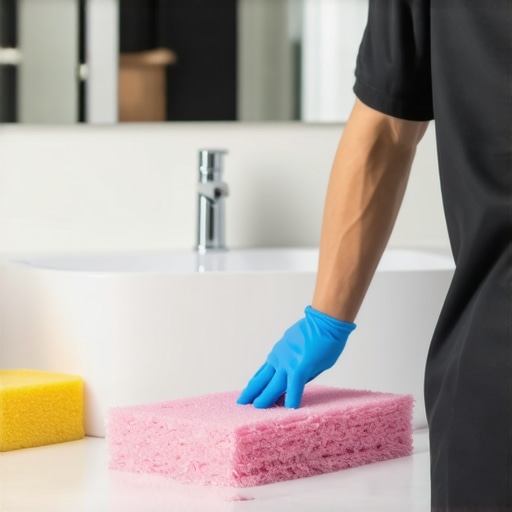
I remember the moment I realized that my bathroom cleaning routine was all wrong. I was scrubbing away with my trusty sponge, feeling pretty accomplished, until I found a little black foam debris lurking in the grout lines. That tiny mess, hidden and overlooked, made me question everything I thought I knew about cleaning. It was a lightbulb moment—you see, professional cleaners don’t rely on sponges for bathroom sanitation. Instead, they’ve adopted smarter tools and methods that keep mold, bacteria, and grime at bay without spreading germs around.
Why Do Experts Avoid Sponges in Bathrooms?
The answer is simple but often overlooked: sponges are notorious for trapping bacteria and mold, then harboring them right where we scrub. A report from the Centers for Disease Control and Prevention highlights that sponges can harbor pathogens like Salmonella and E. coli—so much so that they can actually exacerbate dirt and bacteria spread if not disinfected properly. Professionals, who prioritize safety and efficiency, have recognized this risk early on and replaced sponges with disinfected microfiber cloths, scrub brushes with replaceable heads, and other tools designed for hygienic use.
Are you tired of using the same old sponge and wondering why your bathroom never seems truly clean? I was, too. That’s why I embarked on a journey to ditch my sponge and learn what truly works. I’ll share the secrets that top cleaning services swear by, which will turn your bathroom from a grime trap into a fresh, safe oasis. Want to avoid common pitfalls and elevate your cleaning game? Keep reading.
Is the Hype About Sponges Actually Warranted?
Early in my cleaning experiments, I made the mistake of thinking that a quick soak in bleach was enough to sterilize my sponge—spoiler alert: it wasn’t. I learned that many homeowners take cleaning shortcuts that only spread germs around. Professionals, on the other hand, understand that replacing or properly disinfecting cleaning tools is key to maintaining a germ-free bathroom. Want to see more effective strategies? Check out our guide on [effective house cleaning secrets from cleaning experts](https://spotlesscarpetz.com/effective-house-cleaning-secrets-from-cleaning-experts) for detailed tips.
Switching from sponges to more hygienic options might seem minor, but it can make a world of difference. In the next section, I’ll walk you through the proven tools and methods that keep bathrooms truly clean without risking bacteria buildup. Ready to upgrade your cleaning routine and protect your family’s health? Let’s dive into the details that will transform your bathroom cleaning for good.
Ditch the Sponge, Embrace the Right Tools
Switching from a sponge to microfiber cloths or scrub brushes might seem simple, but it’s crucial. I recall a Saturday when I replaced my old sponge with a disinfected microfiber cloth, and the result was astonishing. Microfiber traps dirt and bacteria more effectively, especially during a quick wipe-down. To ensure hygiene, regularly toss cloths in hot water or disinfect them with diluted bleach. Avoid cross-contamination by keeping cleaning tools dedicated to bathroom use only. Incorporate these tactical changes, and you’ll notice a significant decrease in odor-causing bacteria.
Master the Art of Proper Disinfection
Effective Surface Sanitizing
Cleaning isn’t just about visible dirt; it’s about eliminating germs. I learned this firsthand during my last bathroom overhaul when I sprayed a mixture of 70% isopropyl alcohol on faucets, handles, and toilet seats. Let the solution sit for at least 30 seconds before wiping to maximize germ kill rate. For grout lines and tiles, use a brush dipped in a disinfectant solution—think of it as giving your surfaces a micro-nebulization. Training yourself to wait for the disinfectant to do its work leads to safer, more hygienic spaces.
Steaming: The Silent Sanitizer
Steam cleaning is a game-changer; it’s like giving your bathroom an internal shower that kills bacteria with heat. I rented a handheld steamer and carefully directed the steam at corners, tiles, and even the shower door tracks. The process was quick—about 10 minutes—and left no harsh chemical smell, only freshness. Think of steam as nature’s sanitizer, reaching into tiny crevices where traditional scrubbing misses. Incorporate steam into your routine weekly for a deep, bacteria-free clean without the need for chemical cleaners.
Deep Clean the Often-Overlooked Spots
Few realize the hidden dirt beneath the toilet rim or inside the drain trap can house mold and bacteria. During my move-out clean, I paid special attention to these areas, turning them into the shining stars of my bathroom. Use a flexible brush dipped in a disinfectant to reach under the rim, and clear the drain trap with a mixture of baking soda and vinegar—think of it as a chemistry experiment that clears grime. Regularly inspecting and cleaning these zones prevents mold buildup and keeps your bathroom safe and fresh.
Implement Preventative Measures Today
Preventing bacteria accumulation begins with routine habits. Keep a disinfectant spray handy to wipe touchpoints daily—the faucet handles, door knobs, and light switches. Consider installing touchless fixtures, which cut down on germ spread. For grout and tiles, apply a sealing agent after each deep clean to prevent mold from settling in. Think of this as arming your bathroom with a shield that resists grime buildup, saving you time and effort later. By adopting these core strategies, you’ll be well on your way to maintaining a healthier, sparkling bathroom that stands the test of time. Looking for more expert tips? Check out our comprehensive guide on [effective house cleaning secrets from cleaning experts](https://spotlesscarpetz.com/effective-house-cleaning-secrets-from-cleaning-experts) to elevate your routine.Many homeowners believe that running a disinfectant spray over surfaces or renting a steam cleaner is enough to achieve a truly clean and germ-free home. However, *let’s dig deeper* into common misconceptions that can sabotage your best efforts. For instance, everyone urges you to use bleach or alcohol to sanitize, but in my experience, the effectiveness of these agents is often overestimated without understanding their proper use. According to a study by the CDC, contact time and proper application are crucial—merely spraying disinfectant quickly doesn’t guarantee germ elimination. Professional cleaners know that strategic, prolonged contact with appropriate disinfectants is key to truly sanitizing your space, especially in high-touch areas like kitchen counters or bathroom fixtures.
Another widespread myth involves the belief that a quick move-out clean guarantees your deposit return. In reality, landlords often inspect for mold, grime, and overlooked spots like behind appliances or inside vent covers—areas many overlook. A comprehensive approach, including targeted cleaning of these hidden spots, can prevent deposit disputes. I recommend reviewing a detailed [move-out cleaning checklist](https://spotlesscarpetz.com/move-out-clean-checklist-to-simplify-your-transition) to avoid costly mistakes.
When it comes to upholstery, many assume that steam cleaning is a universal solution. However, certain fabrics like velvet or antique furniture can be damaged by excessive moisture or heat. Instead, understanding the specific care requirements of your upholstery allows you to choose the best cleaning method—whether that’s a dry clean, gentle vacuuming, or professional treatment. For a comprehensive approach, explore our [ultimate upholstery care guide](https://spotlesscarpetz.com/ultimate-upholstery-care-guide-for-lasting-freshness).
So, what are some advanced traps to avoid when deep cleaning?
A common mistake is using household vinegar for sterilization; while it smells fresh and dissolves deposits, vinegar isn’t an EPA-registered disinfectant for killing viruses or bacteria effectively. Relying on it alone gives a false sense of security. Instead, opt for proven disinfectants like diluted proper concentrations of bleach, alcohol-based solutions, or EPA-approved products. Remember, the *right tool applied correctly* makes all the difference—don’t fall for shortcuts that could compromise your home’s health.
Furthermore, many underestimate the importance of cleaning tools and their maintenance. Microfiber cloths and brushes trap dirt and microbes after use, but if not laundered properly—preferably in hot water—they become breeding grounds for bacteria. Regularly replacing or disinfecting your cleaning tools ensures they don’t undo your hard work. For effective disinfection strategies, check our dedicated guide on [effective sanitizing methods for a germ-free home](https://spotlesscarpetz.com/effective-sanitizing-methods-for-a-germ-free-home).
In summary, achieving a genuinely clean home requires understanding these nuances—knowing which cleaning agents work best when used correctly, paying attention to overlooked areas, and maintaining your tools. Dispelling these myths can elevate your routine from superficial to truly hygienic. Have you ever fallen into this trap? Let me know in the comments. For more advanced insights, explore our [house cleaning strategies for a sparkling home](https://spotlesscarpetz.com/house-cleaning-strategies-for-a-sparkling-home-today). Your home deserves more than just surface cleaning—let’s make it healthier from the inside out.
Keeping Equipment in Top Shape for Consistent Results
To maintain that pristine level of cleanliness, investing in quality tools is essential. I personally swear by a high-grade microfiber mop, which I use for both floors and walls. Unlike cheaper alternatives, a microfiber mop retains dust and microbes better, allowing me to clean more efficiently and with less chemical dependence. Regularly washing the microfiber cloths in hot water and replacing them every few months prevents bacteria buildup, ensuring that each cleaning session is hygienic.
For upholstery, I rely on a professional-grade upholstery cleaner machine. I opted for models with adjustable heat and pressure settings, which give me the flexibility to deep clean delicate fabrics like silk or velvet (more on this in our Upholstery Care Guide). This prevents damage while effectively removing allergens and stains, prolonging the life of my furniture.
Leveraging Software to Track and Schedule Maintenance
Staying on top of regular cleaning can be challenging without a system. I utilize a dedicated app designed for home maintenance to schedule recurring tasks—like changing air filters, deep cleaning carpets, and sanitizing high-touch surfaces. This digital approach guarantees that nothing slips through the cracks, and it helps me plan deep cleans around my busy schedule, ultimately saving time and avoiding costly repairs or mold growth caused by neglect.
The Future of Housekeeping: Smart Tools and Automation
As technology evolves, the trend leans toward smart cleaning devices. Robot vacuum cleaners equipped with LiDAR are becoming more sophisticated, mapping out my entire house and adjusting cleaning routes based on real-time dirt detection. I anticipate that future models will include air quality sensors, automatically adjusting their cleaning intensity to maintain optimal home hygiene. Investing in these tools now positions you ahead of the curve, ensuring your home stays spotless with minimal effort.
How do I maintain my cleaning tools over time?
Committing to routine maintenance of your tools is just as crucial as choosing the right ones. For instance, I regularly replace vacuum filters every 3-6 months and clean brushes and attachments after each use. This approach keeps suction power high and prevents redistribution of dust and bacteria. When it comes to cleaning cloths and brushes, laundering them in hot water or disinfecting with alcohol ensures they remain germ-free. Following these habits extends the lifespan of your equipment and preserves their effectiveness, making your cleaning routine more reliable and less wasteful.
Remember, a well-maintained toolkit empowers you to achieve professional-grade cleanliness at home. Try scheduling weekly maintenance of your equipment today—your home’s long-term hygiene depends on it. For extra insights on best practices, visit our house cleaning strategies page. Staying proactive with your tools guarantees that your efforts will pay off in a healthier, brighter home.
Every homeowner deserves a bathroom that isn’t just visually clean but genuinely hygienic. My journey away from traditional sponges revealed unexpected truths about bacteria hidden in everyday tools and routines. Switching to microfiber cloths, embracing steam cleaning, and paying attention to overlooked spots revolutionized my approach. By understanding the science behind effective disinfection and investing in quality tools, I finally achieved a bathroom that feels as fresh as it looks. Remember, the key isn’t just cleaning—it’s smart, informed sanitizing that protects your family’s health. Want to see real results? Implement these expert-backed strategies today, and enjoy the peace of mind that comes with a truly hygienic home.