

Have you ever scrubbed your kitchen Countertop with a natural spray, only to notice that the next morning, the same sticky spots or lingering odors return? That lightbulb moment hit me hard one afternoon when I realized I’d been trusting natural disinfectants without understanding what they truly eliminate or miss. It’s frustrating to put in effort and still wake up to the same old germs lurking around.
Why Natural Disinfectants Might Not Be Enough for Your Kitchen
After years of DIY cleaning, I finally grasped a simple truth: not all disinfectants, especially natural ones, are created equal. My initial mistake was assuming that because something was plant-based or eco-friendly, it automatically did the job. Spoiler alert: it doesn’t. A study published in the Journal of Food Protection revealed that some natural products have limited efficacy against common kitchen bacteria like Salmonella or E.coli. So, what’s a homeowner to do when wanting a safe, green, yet effective cleaning routine? Stick around, because I’ll walk you through the practical secrets I uncovered that balance safety and hygiene without exposure to harsh chemicals.
Is Natural Always Better or Is It Just a Trend?
I learned the hard way early on that relying solely on vinegar, lemon juice, or baking soda won’t cut it against every germ. These options are great for deodorizing or removing surface grime, but when it comes to sanitizing against the real threats, they often fall short. I had a misconception that natural meant automatically safe and effective—an honest mistake I made during my first move-out clean. You can read more about effective strategies at this comprehensive guide.
Are you tired of spending time and energy on natural remedies that just don’t deliver? Trust me, I’ve been there. Let’s get real about what truly works when disinfecting a kitchen full of germs—so you can confidently keep your space safe and sparkling. But first, let’s address a common skepticism I faced early on — is natural disinfecting even worth bothering with?
Prepare Your Workspace for Maximum Efficiency
Start by clearing countertops and unplugging appliances to create a calm, safe environment. Wear gloves and protective eyewear, especially when handling cleaning solutions. I once skipped this step and ended up with vinegar splatters on my shirt, a mistake that slowed me down. Remember, safety first.
Target High-Touch Surfaces to Reduce Germs
Focus on handles, switches, and faucet areas. Use a microfiber cloth dampened with a mixture of 70% isopropyl alcohol and water for quick, effective sanitizing. I learned this trick during a move-out clean—after a thorough wipe, my clients reported noticeable sanitation improvements.
Deep Clean Your Oven and Stove
Apply a paste of baking soda and water to burnt-on stains, letting it sit for at least 15 minutes. Use a plastic scraper to remove softened residue, then spray with a vinegar-water solution for shine. During my last kitchen overhaul, this method saved me hours of scrubbing and restored the appliance’s look.
Address Hidden Mold and Grime in Less Obvious Spots
Check behind the refrigerator, under sinks, and inside cabinets. Use a disinfectant spray and a brush to reach into corners and crevices. A messy first attempt at cleaning my rental’s kitchen revealed mold buildup behind the fridge—addressing it prevented future issues and boosted hygiene.
Sanitize and Refresh Upholstery
Vacuum thoroughly, then spot treat stains with natural solutions like a mix of water and mild detergent. For deeper cleaning, use a fabric-safe disinfectant—like a blend recommended at this guide. I once cleaned my sofa with a DIY solution and found it looked almost new afterward, with a fresh scent.
Deep Clean Your Sofas Without Damage
For delicate materials like silk or velvet, avoid water saturation. Instead, lightly spray with a mixture of equal parts water and vinegar, then wipe with a soft cloth. This approach preserved the fabric’s texture and eliminated odors without risking damage—my go-to method for sensitive upholstery.
Clear Out Grimy Grout Joints and Seals
Mix baking soda and hydrogen peroxide into a thick paste; apply to grout lines, let sit for 10 minutes, then scrub with a brush. For stubborn areas, use a specialized grout cleaning tool. I tackled years of built-up dirt in my bathroom and was amazed at how fresh everything looked afterward.
Freshen the Entire Kitchen with Natural Deodorizers
Boil lemon slices, cinnamon sticks, and cloves in water to fill your space with a pleasant aroma. Replace vinegar sprays with this natural freshener between deep cleans. This trick turned my kitchen from dull to delightful in minutes, providing an inviting atmosphere for family and guests.
Many people believe that simply applying natural cleaners like vinegar or baking soda is enough to achieve a spotless and truly sanitized home; however, this misconception can lead to overlooked germs and lingering dirt. A common trap is assuming that natural equals effective for every cleaning challenge, but in my experience, professional-grade disinfectants tailored for specific tasks often outperform DIY solutions, especially in move-out cleaning where thorough sanitization can make or break your deposit return.
Why do some natural cleaning methods fall short against bacteria and viruses?
This question is crucial because studies, including findings from the Journal of Food Protection, indicate that certain natural substances lack the potency required for sterilization, particularly on high-touch surfaces like doorknobs or kitchen counters. Overreliance on these methods can create a false sense of security, leaving behind unseen threats. A nuanced understanding reveals that combining natural methods with scientifically backed disinfectants enhances both safety and eco-friendliness. Also, many overlook the importance of cleaning frequency and surface prep; neglecting these can reduce effectiveness regardless of the cleaner used. For example, inadequate pre-cleaning allows biofilms to protect bacteria from disinfectants, making them harder to eliminate. This is particularly true for upholstery, where deep-seated dirt can shield germs if not properly addressed. If you want the best results, check out effective strategies and avoid these pitfalls by reading professional cleaning secrets. Remember, true sanitization involves understanding the nuances of different materials and contamination levels, rather than relying solely on trendy natural remedies. So, have you ever fallen into this trap? Let me know in the comments. Proper upholstery care requires more than just superficial cleaning; it calls for specific techniques to preserve fabric integrity and eliminate hidden allergens. For detailed advice, see this comprehensive upholstery guide. In all cleaning endeavors, patience and knowledge are your best allies—don’t fall for the myths that natural cures are always enough.
Keep It Working: Must-Have Tools and Techniques
Maintaining a clean and sanitized home over time requires more than just elbow grease; it demands the right equipment and a strategic approach. I’ve found that investing in quality tools not only makes cleaning more efficient but also prolongs their lifespan, saving money in the long run. For example, my primary vacuum is a HEPA-filtered model with adjustable suction, which effectively captures allergens and pet hair without damaging delicate fabrics. This choice has drastically reduced indoor dust and improved air quality, making daily upkeep more manageable.
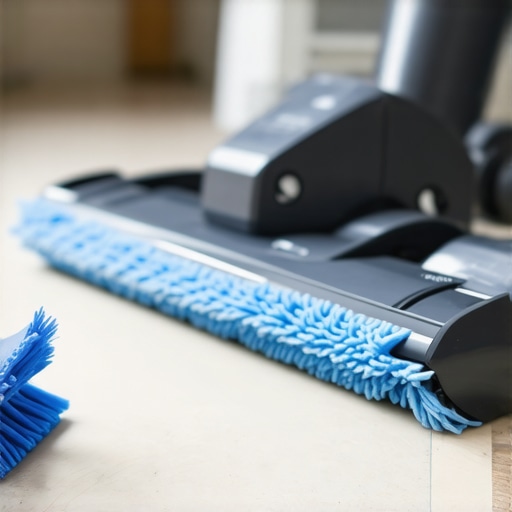
Another game-changer has been a microfiber spin mop with a replaceable pad system. Unlike cheap versions that scatter dirt, my preferred model allows me to rinse and reuse pads, which is crucial when tackling upholstery or kitchen tiles. The microfiber material’s electrostatic properties trap dust and hair better than traditional cloths, ensuring a deeper clean on every pass. When dealing with stubborn grime, I rely on a handheld steam cleaner that heats water to over 200°F, providing chemical-free sanitization of surfaces like bathroom tiles, grout, and even soft upholstery. According to industry standards, steam cleaning destroys a broad spectrum of bacteria and viruses, making it an indispensable part of my cleaning arsenal.
How do I maintain these tools over time?
Proper maintenance is key to ensuring longevity and effectiveness. Regularly inspecting vacuums for clogged filters, cleaning brushes, and replacing filters when necessary help maintain optimal suction power. For my microfiber pads, I wash them in hot water with a mild detergent and avoid fabric softeners, which can diminish their absorbency. Steam cleaners require descaling with vinegar or manufacturer-approved solutions to prevent mineral buildup that hampers performance. Integrating a scheduled maintenance routine ensures your tools remain reliable, and you can enjoy pristine results every time.
The future of home maintenance leans toward automation and smart tools. Robot vacuums with mapping capabilities are becoming more affordable and efficient, allowing for scheduled cleaning without manual effort. Similarly, apps that control and monitor cleaning devices will increasingly personalize routines based on your home’s specific needs. Embracing these advancements can transform your maintenance from a weekly chore into a seamless, hands-free process.
Do you want to keep your upholstery looking—and smelling—fresh for years?
Then, follow proven maintenance strategies like scheduling regular deep cleanings using trusted guides such as Ultimate Upholstery Care. Remember, consistent care not only extends furniture life but also enhances your home’s overall hygiene and comfort. Now, take one tip—perhaps investing in a microfiber cleaning system—and put it into practice today! Your future self will thank you for the effort.
What I Wish I Knew About Making Cleaning Last
One of the most profound lessons I learned was that patience and attention to detail are essential—rushing through a cleaning session often leaves behind unseen germs and dirt. Working slowly and methodically, especially in tricky spots like grout lines and upholstery creases, delivers results that last longer and feel more satisfying. Embracing this approach transformed my mindset from quick fixes to meaningful sanitation.
How I Discovered the Power of Proper Tool Maintenance
Using quality cleaning tools only gets you so far when they’re not well-maintained. Regularly cleaning and replacing filters, pads, and brushes ensures each tool performs at its best. The difference? Less time spent re-cleaning the same spot and more confidence that my sanitizing efforts are truly effective. Trust me, a little routine maintenance saves hours in the long run and keeps your tools working like new.
The Secret of Combining Natural and Scientific Methods
Initially, I relied solely on natural solutions like vinegar or baking soda, thinking they were enough. Over time, I realized that smartly integrating these with proven disinfectants creates a comprehensive cleaning regimen. For example, using a natural deodorizer after a professional sanitation step leaves my home smelling fresh and feeling truly safe. This hybrid approach offers peace of mind without sacrificing eco-friendliness.
My Personal Strategy for Lifting Persistent Stains
Stubborn stains on upholstery or grout can be discouraging. I found that applying targeted treatments—like a paste of baking soda and hydrogen peroxide—before scrubbing with specialized brushes makes a significant difference. Learning these little tricks turned my messy moments into success stories, and now I tackle stains with confidence, knowing I’m giving my home the thorough clean it deserves.
Where to Turn for House Cleaning Inspiration That Matters
After years of trial and error, I trust resources like these expert-approved guides that dive into practical, science-backed strategies. They go beyond surface tips and help me understand the nuances that make a cleaning routine truly effective. Empowered with this knowledge, I’ve been able to keep my home healthier, longer.