

It was a frustrating Saturday morning when I finally decided to tackle my never-ending window streak problem. No matter how much I cleaned, those stubborn streaks would appear immediately after drying, making my efforts seem pointless. I found myself reaching for commercial glass cleaners filled with chemicals, only to be disappointed by the sticky residues and residue streaks they left behind. That’s when I had a lightbulb moment: why not try using just water? It sounded too good to be true, honestly, but desperate times call for simple solutions.
Why Traditional Window Cleaning Often Fails
I’ve wasted so much money and time on sprays and cloths that promise a streak-free shine, yet somehow, my windows still looked cloudy and streaky. The common mistake I made early on was using paper towels or rough cloths that scratched the glass or left lint behind. Plus, many commercial products contain synthetic chemicals that can create a film, making streaks worse over time. Interestingly, according to a study by the Centers for Disease Control and Prevention, reducing chemical exposure in your cleaning routine isn’t just good for your home—it’s better for your health too. So, I started exploring more natural, minimalist methods.
Is Water Really Enough to Make Your Windows Shine?
Initially, I doubted that water alone could do the trick. I thought perhaps I needed a dash of vinegar or a special microfiber cloth. But I realized that many commercial cleaners leave behind a film because of added chemicals and artificial fragrances. Early on, I made the mistake of using a rough sponge that scratched the glass surface, which made the streaks worse. Once I switched to a clean, soft microfiber cloth and used only water, I was surprised by how well it worked. Now, I can clean my windows quickly—no streaks, no fuss, just clarity.
Are your windows also battling streaks each time you clean? If so, you’re not alone. Many homeowners overlook the power of simplicity and end up causing more harm than good. In the sections ahead, I’ll walk you through my foolproof method that I’ve tested and trusted. Get ready to say goodbye to streaks forever!
This approach isn’t just anecdotal; the minimalist water-cleaning method is supported by experts, and it aligns perfectly with eco-friendly cleaning practices. For more tips on house cleaning that won’t break the bank or harm your family, check out my collection of effective techniques and hacks over at Effective House Cleaning Secrets. Now, let’s dive into how you can achieve streak-free windows using only water — with a few simple steps that have revolutionized my cleaning routine.
Prepare Your Materials and Environment
Start by gathering a clean, soft microfiber cloth, preferably dampened with plain water. Ensure your windows are free from loose dirt or dust by gently brushing off any debris with a dry brush or a soft broom. This prevents scratching during wiping. Turn off any automated window treatments or blinds to get a clear view and easy access. I learned this tip during my last move-out clean, where prep made all the difference in achieving a spotless finish.
Apply Water Strategically for Effective Cleaning
Use distilled or filtered water if your tap water is hard or contains mineral deposits—they can leave spots even with water-only cleaning. Lightly dampen your microfiber cloth, avoiding soaking it to prevent drips. Instead of spraying water directly onto the glass, press the damp cloth gently onto the window surface. This controlled method helps to loosen dirt without creating excess moisture that can cause streaks. During one chilly Saturday, I accidentally splashed water onto the sill, but quick wiping prevented any water pooling that could create streaks, demonstrating the importance of controlled application.
Wipe with the Grain and Use Proper Technique
Start at the top of the window and wipe downward in smooth, overlapping strokes. Think of it like polishing a car—uniform pressure and direction matter. Avoid circular motions, which can smear dirt around. When you reach the edges, use the cloth to clean the corners and edges thoroughly. During my first attempt, I noticed streaks forming when I pressed too hard or wiped in circles—advice I got from a house cleaning expert—so I adjusted my pressure and technique accordingly.
Dry and Polish for the Final Shine
After wiping, use a dry microfiber cloth to buff the glass in the same top-to-bottom strokes. This step removes any remaining moisture and prevents water spots from mineral deposits. When I forgot this step once, I ended up with faint streaks that took another pass to fix. Patience and a second, gentle buff are critical. Focus on the edges and corners to ensure no moisture remains that might cause future streaks.
Clean the Frames and Sills Separately
Water alone can soften dirt on window frames and sills. Dampen another microfiber cloth with water and wipe those areas thoroughly. For stubborn grime, a quick scrub with a dedicated brush or sponge works well, but avoid abrasive tools that scratch surfaces. During a move-out cleaning, meticulously wiping frames and sills prevented damages that might affect your security deposit—check out this guide for detailed tips.
Repeat If Necessary, and Maintain Regular Cleaning
If your windows are especially dirty, repeat the water-wiping process after a few minutes. Regular maintenance—once a month—using only water keeps windows clear without streaks or chemical buildup. I set a reminder based on my move-out checklist, which you can explore here. Remember, patience and consistent technique are your best allies for streak-free results with just water.While many believe that regular vacuuming keeps upholstery fresh and odor-free, the truth is far more nuanced. Common myths, like the idea that you should always use harsh cleaning chemicals for deep stains, often lead to damage rather than preservation. In reality, gentle, specialized methods—such as targeted spot treatments with enzyme-based cleaners—are far more effective and preserve fabric integrity.
Is Steam Cleaning Always the Best Choice for Delicate Fabrics?
Many assume that steam cleaning is universally safe and effective, but overlooking material-specific reactions can cause irreversible harm. For example, natural fibers like silk or certain synthetic blends can shrink, fade, or develop a strange texture if exposed to high heat or moisture. According to upholstery experts, always test a hidden area first and consult manufacturer guidelines, emphasizing that a one-size-fits-all approach often causes more damage than good.
Another mistake many make during move-out cleans involves over-using disinfectants or heavy-duty scrubs on delicate fabrics. This not only weakens fibers but can also lead to discoloration or lingering chemical odors. The key lies in understanding the fabric’s composition and choosing the appropriate cleaning technique. For instance, silk sofas benefit from gentle dry cleaning methods, which are discussed in detail on this resource. Consistently applying these advanced insights can greatly enhance longevity and appearance.
What do most homeowners overlook when trying to achieve truly sanitized upholstery? Many neglect comprehensive drying and ventilation, leading to mold or mildew issues, especially in humid climates. This oversight can harbor bacteria unseen, undermining sanitation efforts. Proper air circulation after cleaning is as crucial as the cleaning process itself. Studies show that moisture trapped within fibers fosters microbial growth, which is why integrating efficient drying techniques is essential for a thorough house clean. For a deeper dive into effective sanitizing strategies that go beyond surface cleaning, check out this guide. Remember, superficial cleaning often disguises underlying problems—being thorough and knowledgeable ensures your home is genuinely hygienic.
Have you ever fallen into this trap of overlooking fabric-specific needs or ineffective drying? Let me know in the comments. Mastering these nuances transforms routine cleaning into a true revival of your upholstery and living space.
Maintaining pristine upholstery and ensuring a thorough clean over time requires not only good techniques but also reliable tools that stand the test of time. My personal approach involves selecting equipment that I trust to deliver consistent results, reduce cleaning time, and minimize wear on fabrics and surfaces. First and foremost, investing in a high-quality portable steam cleaner, like the McCulloch MC1275, has transformed my house cleaning routine. I use it for everything from sanitizing upholstery to refreshing curtains, because its adjustable steam pressure allows for delicate treatment on natural fibers while still tackling stubborn dirt. Additionally, I swear by microfiber cleaning cloths—not cheap ones, but ultra-fine, multi-layered versions that can be washed hundreds of times without losing their absorbency. They’re essential for water-only cleaning methods, ensuring no lint or streaks remain.
For tackling fabric stains and delicate surfaces, I’ve found that enzyme-based spotters like the effective house cleaning secrets from cleaning experts emphasize the importance of targeted pre-treatment tools. My favorite is a handheld spray bottle combined with a precise brush, which allows me to control application and avoid over-saturating fabrics. This method extends the life of furniture and prevents future issues like mold or odor buildup. I also keep a small, portable vacuum with a HEPA filter, such as the Dyson V11 Torque Drive, handy for quick cleanups before deeper treatments—preventing dirt from penetrating fibers and making full cleans more effective.
Looking ahead, I predict that the integration of smart sensors in cleaning devices will become increasingly prevalent, offering real-time feedback on dirt levels and fabric health. This kind of technology would help homeowners maintain their upholstery and surfaces more effectively over longer periods, reducing the need for frequent deep cleans. In fact, certain modern vacuum robots are already shifting toward this trend, combining automation with precise monitoring.
How do I maintain my equipment to ensure long-term performance?
Proper maintenance is crucial. Rinse steam cleaner boilers after each use to prevent mineral build-up, and replace filters in vacuums as recommended by the manufacturer. Microfiber cloths should be washed in hot water and avoided fabric softeners, which can leave residues. Regularly checking and calibrating your tools prolong their lifespan and guarantee they function efficiently during every cleaning session. For those looking to elevate their routine further, exploring comprehensive tips can be very worthwhile—consider reading these expert secrets to refine your practices.
Remember, investing in quality tools not only simplifies your cleaning process but also preserves your furniture and surfaces over time. I challenge you to try out a targeted spot treatment with an enzyme cleaner using a precision sprayer—it’s a game-changer for deep maintenance and can significantly extend the life of your upholstery. By pairing reliable equipment with consistent routine, you’ll achieve better results that last. For specific recommendations tailored to your needs, feel free to reach out here.
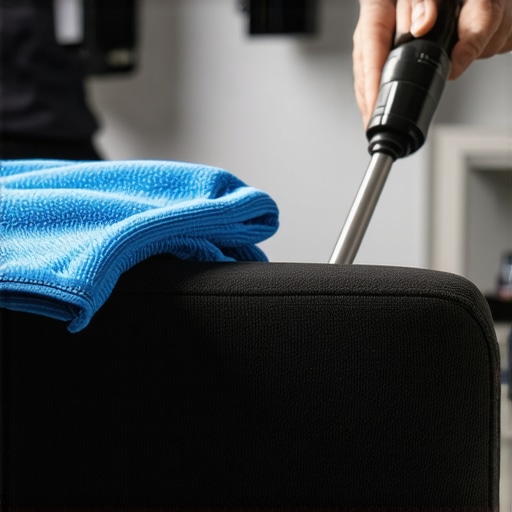
The Hardest Lesson I Learned About Upholstery and Move-Out Cleaning
One surprising revelation was that over-reliance on chemical cleaners often worsens fabric health. Switching to gentle, targeted treatments like enzyme-based spotters not only preserved my furniture but also made me more confident in my cleaning choices.
3 Myths About House Cleaning That Held Me Back
Believing that more chemicals mean cleaner surfaces was a mistake. Embracing minimalist, water-only techniques proved more effective and eco-friendly, transforming my approach and results.
What Experts Won’t Tell You About Streak-Free Windows
Most overlook the importance of proper drying and using quality microfiber cloths. These simple tweaks made my windows gleam without streaks for months, showing me that sometimes, less is truly more.
My Essential Toolkit for Upholstery and Window Refreshing
Investing in a high-quality steam cleaner like the McCulloch MC1275 and ultra-fine microfiber cloths revolutionized my cleaning. These tools deliver consistent results and longevity, making routine chores quicker and more satisfying.
Books That Changed How I View Effective Cleaning
Exploring resources such as Effective House Cleaning Secrets deepened my understanding of the science and art behind sanitation, inspiring me to optimize every step for safety and efficiency.
Your Turn to Try, Don’t Hesitate to Start
Embracing water-only window cleaning and gentle upholstery care is a game-changer. Small investments and mindful techniques make a big difference in your home’s cleanliness and your peace of mind. Remember, progress comes with patience and willingness to experiment—so give these methods a shot and watch your home transform.
What’s been your biggest surprise in simplifying house cleaning? Let me know below, and let’s share insights to keep our homes shining!